CAS 9001-31-4
:Fibrins
Description:
Fibrins are insoluble fibrous proteins that play a crucial role in the blood coagulation process. They are formed from fibrinogen, a soluble plasma protein, through the action of the enzyme thrombin during the clotting cascade. Fibrins are characterized by their ability to polymerize into a mesh-like structure, which serves as a scaffold for platelets and other cells, facilitating wound healing and tissue repair. The CAS number 9001-31-4 specifically identifies fibrin, highlighting its significance in both physiological and pathological processes, such as hemostasis and thrombosis. Fibrins are typically found in the extracellular matrix and can be influenced by various factors, including pH, temperature, and the presence of other ions or proteins. Their mechanical properties, such as tensile strength and elasticity, are essential for maintaining the integrity of blood clots. Additionally, fibrins can be involved in various medical applications, including tissue engineering and regenerative medicine, due to their biocompatibility and ability to support cell adhesion and proliferation.
Formula:Unspecified
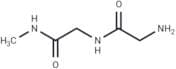
InChI:InChI=1/C5H11N3O2/c1-7-5(10)3-8-4(9)2-6/h2-3,6H2,1H3,(H,7,10)(H,8,9)
SMILES:CN=C(CN=C(CN)O)O
Synonyms:- Blood coagulation factor Ia
- ClotFoam
- ClotGel
- Fibrin Washed From Bovine Blood
- Fibrin Washed From Human Plasma
- Fibrin Washed From Pig Plasma
- Fibrin protein
- Fibrins
- Monomers fibrins
- glycyl-N-methylglycinamide
- Fibrin
Sort by
Purity (%)
0
100
|
0
|
50
|
90
|
95
|
100
Found 2 products.
Fibrin
CAS:Fibrin, an insoluble protein from bovine blood, is key for blood clotting and forms in response to bleeding.Formula:C5H11N3O2Purity:98%Color and Shape:SolidMolecular weight:145.16Fibrin, from human plasma
CAS:Fibrin is a major structural protein in the blood that is involved in blood clotting. Fibrin contains three polypeptide chains, two of which are identical and one of which is different. The fibrinogen polypeptide chain contains an activation peptide that is cleaved by thrombin to form a fibrin monomer. This monomer then polymerizes into a fibrin clot via interactions with platelets, plasma proteins, and other factors. Fibrin has been shown to be an effective sealant for wounds as well as a matrix for cell attachment and migration. Fibrin also has anti-inflammatory properties due to its ability to bind toll-like receptor 4 in neutrophils and trigger the release of plasminogen activator inhibitor (PAI) from these cells.
Formula:C5H11N3O2Purity:Min. 95%Molecular weight:145.16 g/mol