CAS 9003-27-4
:Polyisobutylene
Description:
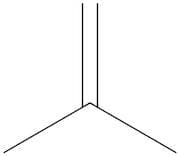
Polyisobutylene (PIB) is a synthetic rubber-like polymer characterized by its high molecular weight and unique properties. It is produced through the polymerization of isobutylene, a gaseous hydrocarbon. PIB is known for its excellent impermeability to gases and moisture, making it an ideal material for applications requiring barrier properties, such as in packaging and sealants. It exhibits good flexibility, resilience, and low-temperature performance, which enhances its utility in various formulations, including adhesives and coatings. Additionally, PIB is chemically inert, resistant to oxidation, and has a low glass transition temperature, contributing to its stability under diverse environmental conditions. Its non-toxic nature allows for safe use in food contact applications. Polyisobutylene can be modified to achieve different viscosities and functionalities, further expanding its application range in industries such as automotive, construction, and consumer goods. Overall, PIB's versatility and favorable characteristics make it a valuable material in both industrial and consumer applications.
Formula:(C4H8)x
InChI:InChI=1S/C4H8/c1-4(2)3/h1H2,2-3H3
InChI key:InChIKey=VQTUBCCKSQIDNK-UHFFFAOYSA-N
SMILES:C(C)(C)=C
Synonyms:- 15Sfn
- 300R
- 35R
- Elastol
- Lm-Mh-Lc
- Oktol
- PSB
- Paralene
- Paratac
- Poly(2-methylpropene)
- Polyisobutene
- Polyisobutylen
- Polyisobutylene
- USB
- Propene, 2-methyl-, polymers
- 1-Propene, 2-methyl-, homopolymer
- Oppanol B
- See more synonyms
Sort by
Purity (%)
0
100
|
0
|
50
|
90
|
95
|
100
Found 3 products.
Polyisobutylene
CAS:Polyisobutylene,elastomericFormula:C(CH3)2CH2nColor and Shape:White Colorless Waxy SolidMolecular weight:~37000Polyisobutylene
CAS:Polyisobutylene is a non-polar solvent with transport properties. It is synthesized by the polymerization of methyl ethyl, which reacts with reactive cationic monomers such as trifluoromethanesulfonic acid (TFMS), and then undergoes esterification to form polyisobutylene chains. Polyisobutylene is chemically stable and has a low vapor pressure. The viscosity of polyisobutylene increases with temperature, but it also undergoes chemical reactions in the presence of strong acids or bases. Polyisobutylene can be used as a component in resistive heating, since it does not react with oxygen or ozone gas at high temperatures and has good thermal stability.Formula:(C4H8)xPurity:Min. 95%