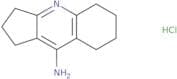
CAS 90043-86-0
:Amiridine
Description:
Amiridine, with the CAS number 90043-86-0, is a chemical compound that belongs to the class of piperidine derivatives. It is primarily recognized for its potential use as a pharmacological agent, particularly in the context of its effects on the central nervous system. Amiridine is known to exhibit anticholinesterase activity, which means it can inhibit the enzyme acetylcholinesterase, leading to increased levels of acetylcholine in the synaptic cleft. This property makes it of interest in the treatment of conditions such as myasthenia gravis and certain types of dementia. The compound is typically characterized by its moderate solubility in water and organic solvents, which influences its bioavailability and pharmacokinetics. Additionally, amiridine may have a range of side effects, including gastrointestinal disturbances and potential interactions with other medications. As with any pharmacological agent, its use should be carefully monitored, and further research is ongoing to fully understand its therapeutic potential and safety profile.
Formula:C12H16N2·ClH
InChI:InChI=1S/C12H16N2.ClH/c13-12-8-4-1-2-6-10(8)14-11-7-3-5-9(11)12;/h1-7H2,(H2,13,14);1H
InChI key:InChIKey=FERZJAONQGPFCU-UHFFFAOYSA-N
SMILES:NC1=C2C(=NC3=C1CCCC3)CCC2.Cl
Synonyms:- 1H,2H,3H,5H,6H,7H,8H-Cyclopenta[b]quinolin-9-amine hydrochloride
- 1H-Cyclopenta[b]quinolin-9-amine, 2,3,5,6,7,8-hexahydro-, monohydrochloride
- 1H-cyclopenta[b]quinolin-9-amine, 2,3,5,6,7,8-hexahydro-, hydrochloride (1:1)
- 2,3,5,6,7,8-hexahydro-1H-cyclopenta[b]quinolin-9-amine hydrochloride (1:1)
- 9-Amino-2,3,5,6,7,8-hexahydro-1H-cyclopenta[b]quinoline hydrochloride
- Amiridin
- Amiridine
- Ipidacrine hydrochloride
- Nik 247
Sort by
Purity (%)
0
100
|
0
|
50
|
90
|
95
|
100
Found 1 products.
Amiridin HCl
CAS:Amiridin HCl is an experimental drug that is a potent inhibitor of DPP-IV enzymes. It has been shown to reduce the rate of glomerular filtration and to decrease locomotor activity in rats. Amiridin HCl also inhibits neuronal death induced by tacrine and prevents acetylcholine depletion in experimental models. It has been shown to be effective in treating symptoms associated with diabetic neuropathy when combined with pharmacological agents such as cholinergic drugs, which are used for the treatment of Alzheimer's disease. This drug has been shown to have pharmacokinetic properties that are similar to those of tacrine, allowing it to be absorbed through oral administration.Formula:C12H17N2ClPurity:Min. 95%Color and Shape:PowderMolecular weight:224.73 g/mol