CAS 9006-42-2
:Metiram
- Amarex
- Carbatene
- Daisenlian
- Metiram-zinc
- Nia 9102
- Phytox-Super
- Polycarbacin
- Polycarbacine
- Polycarbazin
- Polycarbazine
- Polykarbacin
- Polymarcin
- Polymarcine
- Polymarsin
- Polymarzin
- Polymarzine
- Polymat
- Polyram
- Polyram 2000
- Polyram 80
- Polyram 80WP
- Polyram DF
- Polyram combi
- Polyram(8CI)
- See more synonyms
Metiram
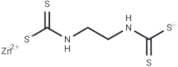
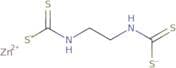
CAS:Controlled ProductMetiram is a polymeric dithiocarbamic fungicide used in agriculture. Metiram is now a mixture and is not assigned an ISO name. Metiram is used frequently in the protection of tomatoes, potatoes, apples, grapevines, and other crops.Formula:C4H6N2S4ZnPurity:98%Color and Shape:SolidMolecular weight:275.73Metiram
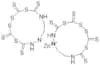
CAS:Controlled ProductFormula:(C16H33N11S16Zn3)Color and Shape:NeatMolecular weight:1082.6326Metriram (>90%)
CAS:Controlled ProductApplications Metriram is a polymeric dithiocarbamic fungicide used in agriculture. Metiram is present as a mixture rather than a complex and is not assigned an ISO name. Metiram is used commonly in the protection of grapevines, apples, tomatoes, potatoes as well as other crops.
References Golyshin, N.M> et al.: Khim. Sel. Khoz., 4, 897 (1965); Ross, R.G. et al.: Can. J. Plant Sci., 58, 601 (1978); Newsome, W.H. et al.: J. Agric. Food Chem., 24, 999 (1976);Formula:(C16H33N11S16Zn3)Purity:>90%Color and Shape:NeatMolecular weight:1082.6326Metiram
CAS:Controlled ProductMetiram is a metal-chelating agent that inhibits the synthesis of DNA by binding to nuclear DNA. It has synergic effects with other metal-chelating agents and its genotoxic effects are increased with chronic exposure. Metiram has been shown to induce necrotic cell death in vitro, which may be due to the depletion of ATP and the induction of apoptosis. Metiram also has immunomodulatory effects and can stimulate the production of growth factor. Sodium salts are often used as an additive for metiram because it can lead to cell lysis when there is prolonged exposure to high concentrations.
Formula:C16H33N11S16Zn3Purity:90%Color and Shape:PowderMolecular weight:1,088.6 g/mol