CAS 9007-90-3
:Gliadins
Description:
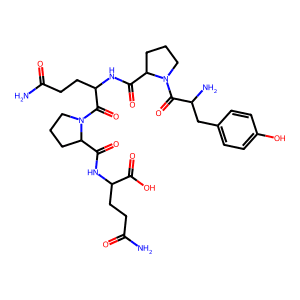
Gliadins are a group of proteins primarily found in wheat and other grains, classified as prolamins, which are a type of storage protein. They are characterized by their solubility in alcohol-water mixtures and are rich in the amino acids proline and glutamine. Gliadins play a crucial role in the baking quality of wheat flour, contributing to the elasticity and extensibility of dough. They are also significant in the context of gluten-related disorders, such as celiac disease, as they can trigger immune responses in sensitive individuals. The molecular structure of gliadins is complex, consisting of various isoforms that differ in their amino acid composition and molecular weight. These proteins are typically extracted from wheat flour through a process involving alcohol precipitation. In addition to their functional properties in food science, gliadins are also studied for their potential health implications and nutritional value. Overall, gliadins are essential components of wheat that influence both the culinary and health aspects of grain consumption.
Formula:Unspecified
Synonyms:- Clia-A
- Glia A
- Gliadin
- Gliadin Crude
- Gliadins
- Glutins (gliadins)
- Omni-Smooth
Sort by
Purity (%)
0
100
|
0
|
50
|
90
|
95
|
100
Found 3 products.
Gliadins
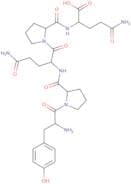
CAS:Gliadins are a group of proteins found in wheat. They have been shown to be potent inducers of the polymerase chain reaction and may also inhibit protein synthesis by interfering with hydrogen bonding interactions. Gliadins are not toxic to bacteria, but they can cause allergic symptoms in individuals sensitive to gluten. Gliadins may also be involved in bowel disease, as they have been shown to bind to the ileal brush border membrane and to induce disease activity. Gliadins have been studied extensively using a variety of in vitro assays including enzyme activities and biochemical properties.Formula:C29H41N7O9Purity:Min. 95%Color and Shape:PowderMolecular weight:631.7 g/mol