CAS 9012-72-0
:D-Glucan
Description:
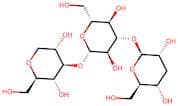
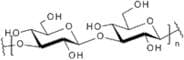
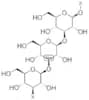
D-Glucan, with the CAS number 9012-72-0, is a polysaccharide composed of glucose monomers linked primarily by β-1,3 and β-1,6 glycosidic bonds. It is a major component of the cell walls of certain fungi, yeast, and bacteria, playing a crucial role in structural integrity and protection. D-Glucan is known for its immunomodulatory properties, stimulating the immune system and enhancing the body’s defense mechanisms. It is often utilized in various applications, including food additives, dietary supplements, and pharmaceuticals, due to its potential health benefits, such as promoting gut health and acting as a prebiotic. The substance is generally recognized as safe (GRAS) when used appropriately in food products. D-Glucan is soluble in water, forming a viscous solution, and can be extracted from sources like yeast and mushrooms. Its molecular weight can vary significantly depending on the source and extraction method, influencing its functional properties in different applications.
Formula:Unspecified
Synonyms:- <span class="text-smallcaps">D</span>-Glucan
- <span class="text-smallcaps">D</span>-Glucosan
- D-Glucan
- D-Glucane
- D-Glucosan
- D-glucano
- Fit Fiber 80P
- Fit fiber 80
- Glucan
- Glucan from bakers yeast (S. cerevisiae)
- Glucan, D-
- Glucosan
- Poly-<span class="text-smallcaps">D</span>-glucan
- Poly-D-glucan
- Polyglucan
- Polyglucosan
- See more synonyms
Sort by
Purity (%)
0
100
|
0
|
50
|
90
|
95
|
100
Found 6 products.
Glucan from Black Yeast,
CAS:Formula:C18H32O14Purity:96%Color and Shape:SolidMolecular weight:472.4383β-D-Glucan, from yeast
CAS:Purity:≥ 80.0% (dried basis)Color and Shape:Off-white to yellow-brown powderMolecular weight:-b-D-Glucan-from yeast (Saccharomyces cerevisiae)
CAS:In addition to the β-glucans from cereals, another group of β-glucans are found in the cell walls of yeast (Saccharomyces cerevisiae), bacteria and fungi, with significantly differing physicochemical properties dependent on source. Typically these β-glucans form a linear backbone with 1,3 β-glycosidic bonds but vary with respect to molecular mass, solubility, viscosity, branching structure, and gelation properties, causing diverse physiological effects in animals. They are structural components in the cell walls of Saccharomyces cerevisiae and to provide stability, they have a few b-1,6 branch points that lock into other cell wall components (1 in 5 glucose residues). So in any extraction you get a few 1,6 linked glucose residues ~5%. The yeast and fungal β-glucans have been investigated for their ability to modulate the immune system. They are also used in various nutraceutical and cosmetic products, as texturing agents, and as fibre supplements. Their detailed molecular structures are key to the physical properties that they exhibit, such as water solubility, viscosity, gelation properties and physiological functions. The image was kindly provided by Dr. Chris Lawson.Purity:(%) Min. 80%Color and Shape:Off-White Powder