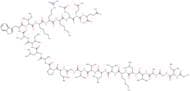
CAS 91261-16-4
:Apitoxin
Description:
Apitoxin, commonly known as bee venom, is a complex mixture of proteins, peptides, enzymes, and other bioactive compounds secreted by honeybees (Apis mellifera). Its primary components include melittin, phospholipase A2, and hyaluronidase, which contribute to its biological effects. Apitoxin is known for its potential therapeutic properties, including anti-inflammatory, analgesic, and immunomodulatory effects, making it a subject of interest in alternative medicine and research. The venom can induce pain and inflammation upon injection, which is primarily due to the action of melittin, a potent neurotoxin. Additionally, apitoxin has been studied for its potential role in treating conditions such as arthritis and multiple sclerosis. However, it can also cause allergic reactions in sensitive individuals, ranging from mild local reactions to severe anaphylaxis. The CAS number 91261-16-4 specifically identifies this substance in chemical databases, facilitating research and regulatory processes. Overall, apitoxin is a biologically active substance with both therapeutic potential and risks associated with its use.
Formula:Unspecified
Synonyms:- Venom, bee, apitoxin
- Honeybee venom apitoxin
- Alyostal
- Apitoxin
- Bee venom apitoxin
Sort by
Purity (%)
0
100
|
0
|
50
|
90
|
95
|
100
Found 1 products.
Apitoxin
CAS:Apitoxin is a natural toxin found in the venom of honeybees. Studies have shown that it has potential anti-cancer properties due to its ability to induce apoptosis, or programmed cell death, in human cancer cells. Additionally, apitoxin contains kinases that can inhibit tumor growth and glycerol analogs that have demonstrated anticancer activity in Chinese hamster ovary cells. Indirubin, a compound found in apitoxin, has been identified as a potent inhibitor of kinases involved in cancer cell proliferation. Apitoxin may also be useful as a urinary biomarker for detecting prostate cancer. Overall, the unique properties of apitoxin make it an intriguing candidate for further research into potential cancer treatments.
Formula:C129H224N38O31Purity:Min. 95%Molecular weight:2,803.4 g/mol