CAS 916347-31-4
:CLINODISIDE A
Description:
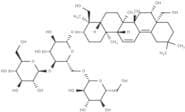
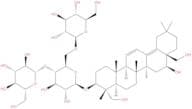
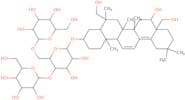
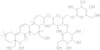
Clinodiside A, with the CAS number 916347-31-4, is a natural product that belongs to the class of compounds known as saponins. It is primarily derived from plant sources, particularly those in the genus Clinopodium. Clinodiside A is characterized by its complex glycosidic structure, which typically includes a steroid or triterpenoid backbone linked to sugar moieties. This structural arrangement contributes to its biological activity, which may include anti-inflammatory, antimicrobial, and cytotoxic properties. The compound has garnered interest in pharmacological research due to its potential therapeutic applications. Additionally, like many saponins, Clinodiside A may exhibit surface-active properties, influencing its behavior in biological systems. Its solubility and stability can vary depending on the presence of different solvents and environmental conditions. Overall, Clinodiside A represents a fascinating area of study within natural product chemistry, with ongoing research aimed at elucidating its mechanisms of action and potential uses in medicine.
Formula:C48H78O19
Synonyms:- 916347-31-4
- Off blood flow saponins
- BuddlejasaponinⅣb
- CLINODISIDE A
- Buddlejasaponin Ⅳb
- Saponin A from Broken Blood
- 2-[[4,5-dihydroxy-6-[[8-hydroxy-5,8a-bis(hydroxymethyl)-5,6a,6b,11,11,14b-hexamethyl-1,2,3,4,4a,6,7,8,9,10,12,14a-dodecahydropicen-3-yl]oxy]-3-[3,4,5-trihydroxy-6-(hydroxymethyl)oxan-2-yl]oxyoxan-2-yl]methoxy]-6-(hydroxymethyl)oxane-3,4,5-triol
Sort by
Purity (%)
0
100
|
0
|
50
|
90
|
95
|
100
Found 6 products.
CLINODISIDE A
CAS:Clinodiside A in rats with one compartment open model into the body, rapid distribution, elimination rate.Formula:C48H78O19Purity:97.30%Color and Shape:SolidMolecular weight:959.13Clinodiside A
CAS:Clinodiside A is a triterpenoid saponin, which is a type of secondary metabolite found in certain marine sponges. The source of this compound is primarily marine organisms, particularly sponges in the genus Cliona. Clinodiside A operates through various biochemical pathways, including disrupting cell membrane integrity and inducing apoptosis in certain cell types. This mode of action is particularly relevant in the context of inhibiting cancer cell proliferation and providing antitumor activities.
Formula:C48H78O19Purity:Min. 95%Molecular weight:959.12 g/mol