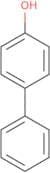
CAS 92-69-3
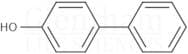
:4-Hydroxybiphenyl
- 4-Biphenylol
- 4-Diphenylol
- 4-Hydroxy-1,1'-biphenyl
- 4-Hydroxybiphenyl
- 4-Hydroxydiphenyl
- 4-Phenylphenol
- Bifenil-4-Ol
- Biphenyl-4-ol
- Biphenyle-4-Ol
- Daicarrier DK-CN
- Dk-Cn
- Mk 1100
- Nsc 1858
- Paraxenol
- Tetrosin P 300
- p-Biphenylol
- p-Hydroxybiphenyl
- p-Hydroxydiphenyl
- p-Phenylphenol
- p-Xenol
- P-HYDROXIDIPHENYL
- 4-hydroxy diphenyl
- [1,1′-Biphenyl]-4-ol
- See more synonyms
4-Phenylphenol
CAS:Formula:C12H10OPurity:>99.0%(GC)Color and Shape:White to Almost white powder to crystalMolecular weight:170.214-Hydroxybiphenyl
CAS:Formula:C12H10OPurity:≥ 97.0%Color and Shape:White to pale brown powder or flakesMolecular weight:170.214-Phenylphenol
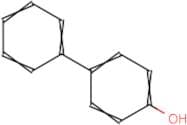
CAS:Formula:C12H10OPurity:95%Color and Shape:White – Almost white powderMolecular weight:170.2114-Phenylphenol
CAS:Controlled ProductApplications 4-Phenylphenol is a reagent used in the synthesis of pyrrolo[1,2-c]imidazole dione derivatives as selective serotonin 5-HT1A receptor agonists with antinociceptive activity.
Not a dangerous good if item is equal to or less than 1g/ml and there is less than 100g/ml in the package
References Valhondo, M., et al.: J. Med. Chem., 56, 7851 (2013); Nichols, D., et al.: Chem. Rev., 108, 1614 (2008)Formula:C12H10OColor and Shape:NeatMolecular weight:170.214-Phenylphenol
CAS:4-Phenylphenol is a phenolic compound that is used in the synthesis of other compounds. 4-Phenylphenol was found to react with rat liver microsomes and showed a hydroxyl group as its reactive site. 4-Phenylphenol also inhibited the activities of enzymes such as diazonium salt, sodium carbonate, monoclonal antibodies, analytical methods, light emission and p-hydroxybenzoic acid. The reaction mechanism of 4-Phenylphenol involves hydrogen bonding with human serum biphenyl.
Formula:C12H10OPurity:Min. 95%Color and Shape:PowderMolecular weight:170.21 g/molRef: 3D-FP62585
Discontinued product
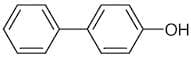

![[1,1'-Biphenyl]-4-ol](/_next/image/?url=https%3A%2Fstatic.cymitquimica.com%2Fproducts%2FIN%2Fthumb%2FDA00IGZE.jpg&w=3840&q=75)