CAS 92000-76-5
:influenza hemagglutinin (ha) peptide
Description:
Influenza hemagglutinin (HA) peptide, associated with the CAS number 92000-76-5, is a crucial component of the influenza virus, specifically involved in the virus's ability to infect host cells. Hemagglutinin is a glycoprotein found on the surface of the influenza virus, playing a key role in the virus's attachment to sialic acid receptors on the host cell membrane. The HA peptide is typically characterized by its ability to induce an immune response, making it a target for vaccine development. It is known for its structural properties, which include a globular head and a stem region, facilitating the fusion of viral and cellular membranes during the infection process. The peptide's sequence can vary among different strains of the influenza virus, contributing to antigenic variation and challenges in vaccine efficacy. Additionally, HA peptides are often studied in the context of virology and immunology, providing insights into viral pathogenesis and potential therapeutic interventions.
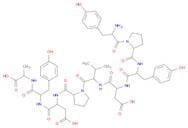
Formula:C53H67N9O17
Synonyms:- Ha Peptide
Sort by
Purity (%)
0
100
|
0
|
50
|
90
|
95
|
100
Found 5 products.
L-ALANINE,L-TYROSYL-L-PROLYL-L-TYROSYL-L-A-ASPARTYL-L-VALYL-L-PROLYL-L-A-ASPARTYL-L-TYROSYL-
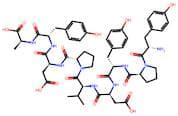
CAS:Formula:C55H68F3N9O19Purity:97%Molecular weight:1216.1725Influenza Hemagglutinin (Ha) Peptide
CAS:Influenza Hemagglutinin (Ha) PeptidePurity:98%Molecular weight:1102.15g/molHA Peptide
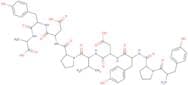
CAS:Influenza Hemagglutinin (HA) Peptide is a tag peptide derived from an epitope of the influenza hemagglutinin protein.Formula:C53H67N9O17Purity:>99.99%Color and Shape:SolidMolecular weight:1102.15HA peptide
CAS:Haptens are small-molecule drugs that bind to the toll-like receptor. Haptens can be used as a vaccine adjuvant and have been shown to be effective in the prevention of pandemic influenza. Haptens also inhibit viral replication by binding to surface glycoproteins, which prevents them from attaching to host cells. This process triggers the production of reactive oxygen species (ROS) and other inflammatory cytokines, which ultimately result in significant cytotoxicity. Haptens are capable of transferring immune responses from one animal to another, but this transfer is not always successful due to the basic protein structure of haptens.Formula:C53H67N9O17Purity:Min. 95%Molecular weight:1,102.18 g/mol