CAS 924-49-2
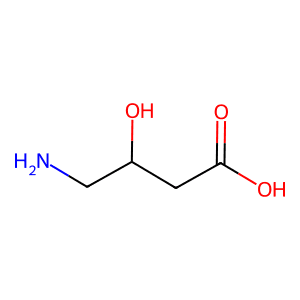
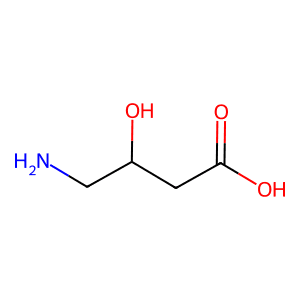
:4-Amino-3-hydroxybutanoic acid
Description:
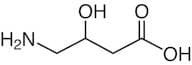
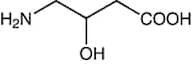
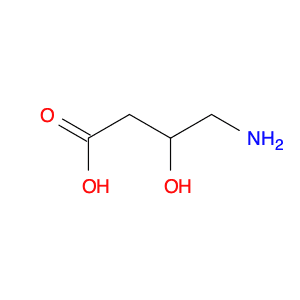
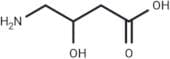
4-Amino-3-hydroxybutanoic acid, also known as L-threonine, is an α-amino acid that plays a crucial role in protein synthesis. It is characterized by the presence of an amino group (-NH2), a hydroxyl group (-OH), and a carboxylic acid group (-COOH) attached to a four-carbon backbone. This compound is classified as a polar, hydrophilic amino acid due to its hydroxyl group, which enhances its solubility in water. L-threonine is essential for humans, meaning it must be obtained through the diet, as the body cannot synthesize it. It is involved in various metabolic processes, including the synthesis of proteins, neurotransmitters, and other biomolecules. Additionally, L-threonine is important for maintaining proper immune function and gut health. In terms of stability, it is relatively stable under standard conditions but can be sensitive to extreme pH levels and high temperatures. Overall, 4-Amino-3-hydroxybutanoic acid is vital for numerous biological functions and is commonly found in dietary sources such as meat, dairy, and certain plant proteins.
Formula:C4H9NO3
InChI:InChI=1S/C4H9NO3/c5-2-3(6)1-4(7)8/h3,6H,1-2,5H2,(H,7,8)
InChI key:InChIKey=YQGDEPYYFWUPGO-UHFFFAOYSA-N
SMILES:C(CC(O)=O)(CN)O
Synonyms:- (RS)-3-Hydroxy-γ-aminobutyric acid
- (RS)-4-Amino-3-hydroxybutanoic acid
- (RS)-γ-Amino-β-hydroxybutyric acid
- (±)-3-Hydroxy-4-aminobutanoic acid
- (±)-4-Amino-3-hydroxybutanoic acid
- (±)-gamma-Amino-beta-hydroxybutyric acid
- (±)-β-Hydroxy-GABA
- 3-Hydroxy-4-aminobutyric acid
- 3-Hydroxy-GABA
- <span class="text-smallcaps">DL</span>-3-Hydroxy-4-aminobutyric acid
- <span class="text-smallcaps">DL</span>-4-Amino-3-hydroxybutanoic acid
- <span class="text-smallcaps">DL</span>-4-Amino-3-hydroxybutyric acid
- <span class="text-smallcaps">DL</span>-β-Hydroxy-γ-aminobutyric acid
- <span class="text-smallcaps">DL</span>-γ-Amino-β-hydroxybutyric acid
- Bogil
- Buksamin
- Butanoic acid, 4-amino-3-hydroxy-
- Butyric acid, 4-amino-3-hydroxy-, <span class="text-smallcaps">DL</span>-
- Butyric acid, γ-amino-β-hydroxy-
- Buxamine
- Gabob
- Gabobe
- Gabomade
- Gaboril
- Gamibetal
- Gaminal
- Idramina
- NSC 40244
- β-Hydroxy-γ-aminobutyric acid
- γ-Amino-β-hydroxybutyric acid
- Butyric acid, 4-amino-3-hydroxy-, DL-
- See more synonyms
Sort by
Purity (%)
0
100
|
0
|
50
|
90
|
95
|
100
Found 11 products.
4-Amino-3-hydroxybutyric Acid
CAS:Formula:C4H9NO3Purity:>98.0%(T)Color and Shape:White to Almost white powder to crystalMolecular weight:119.124-Amino-3-hydroxybutyric acid
CAS:Reduces uptake of iodine by the thyroid glands in animals. Antispasmodic This Thermo Scientific Chemicals brand product was originally part of the Alfa Aesar product portfolio. Some documentation and label information may refer to the legacy brand. The original Alfa Aesar product / item code or SKUFormula:C4H9NO3Molecular weight:119.124-Amino-3-hydroxybutanoic acid
CAS:Formula:C4H9NO3Purity:98%Color and Shape:SolidMolecular weight:119.1192Gamibetal
CAS:Gamibetal (4-Amino-3-hydroxybutyric Acid) is used as a chiral reagent in the synthesis of antiepileptic and hypotensive drug GABOB and analogues.Formula:C4H9NO3Purity:99.96%Color and Shape:White Crystalline PowderMolecular weight:119.124-Amino-3-hydroxybutanoic acid
CAS:4-Amino-3-hydroxybutanoic acidPurity:98%Color and Shape:SolidMolecular weight:119.12g/mol4-Amino-3-Hydroxybutanoic Acid
CAS:Controlled ProductFormula:C4H9NO3Color and Shape:NeatMolecular weight:119.12DL-4-Amino-3-hydroxybutyric acid
CAS:Formula:C4H9NO3Purity:98%+;RGColor and Shape:SolidMolecular weight:119.123-Hydroxy-4-amino-butyric acid
CAS:Controlled Product3-Hydroxy-4-amino-butyric acid is a synthetase that catalyzes the formation of 3-hydroxy-4 amino butyric acid from 3-hydroxy butyric acid and ammonia. This reaction occurs in the presence of chloride ions, ethyl bromoacetate and butyric acid. The isolated yield of this reaction is 47%. The product can be converted to 3-amino butyric acid by dehydrating it with hydrochloric acid. 3-Hydroxy-4 amino butyric acid has been shown to have anticancer properties in vitro. It also has been shown to have antiinflammatory properties, which may be due to its ability to inhibit the production of prostaglandin E2, an inflammatory mediator.Formula:C4H9NO3Purity:Min. 95%Color and Shape:PowderMolecular weight:119.12 g/mol