CAS 928-81-4
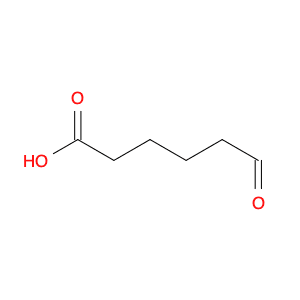
:6-Oxohexanoic acid
Description:
6-Oxohexanoic acid, also known as 6-oxohexanoate, is a carboxylic acid characterized by its six-carbon chain with a ketone functional group at the sixth carbon position. Its molecular formula is C6H10O3, indicating the presence of six carbon atoms, ten hydrogen atoms, and three oxygen atoms. This compound typically appears as a colorless to pale yellow liquid or solid, depending on its state and purity. It is soluble in water and organic solvents, making it versatile for various applications in organic synthesis and chemical research. The presence of both a carboxylic acid and a ketone group allows for a range of chemical reactivity, including esterification and condensation reactions. 6-Oxohexanoic acid can be used as an intermediate in the synthesis of pharmaceuticals, agrochemicals, and other organic compounds. Safety data indicates that, like many organic acids, it should be handled with care, as it may cause irritation to the skin and eyes. Proper safety measures, including the use of personal protective equipment, are recommended when working with this substance.
Formula:C6H10O3
InChI:InChI=1S/C6H10O3/c7-5-3-1-2-4-6(8)9/h5H,1-4H2,(H,8,9)
InChI key:InChIKey=PNPPVRALIYXJBW-UHFFFAOYSA-N
SMILES:C(CC(O)=O)CCC=O
Synonyms:- Adipaldehydic acid
- 6-Oxohexanoic acid
- Adipic acid semialdehyde
- Hexanoic acid, 6-oxo-
- 5-Formylvaleric acid
Sort by
Purity (%)
0
100
|
0
|
50
|
90
|
95
|
100
Found 3 products.
6-Oxohexanoic acid
CAS:6-Oxohexanoic acid is a metabolite of the catabolism of amino acids. It is formed by the oxidation of the hydroxyl group in 6-hydroxyhexanoic acid and can be converted to levulinate or caprolactam. 6-Oxohexanoic acid has been shown to be associated with metabolic disorders such as oxidative dna damage and congestive heart failure, as well as 6-aminocaproic acid deficiency (6AC), which is characterized by a decreased ability to form 6-oxohexanoic acid from lysine. This product is used in sample preparation for microbial identification and plant physiology research, as well as feedstocks for animal feed, cosmetics, and pharmaceuticals.Formula:C6H10O3Purity:Min. 95%Color and Shape:PowderMolecular weight:130.14 g/mol