CAS 940868-64-4
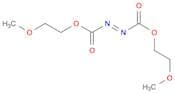
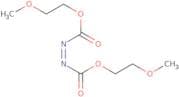
:1,2-Diazenedicarboxylicacid, 1,2-bis(2-methoxyethyl) ester
Description:
1,2-Diazenedicarboxylic acid, 1,2-bis(2-methoxyethyl) ester, identified by its CAS number 940868-64-4, is an organic compound characterized by its diazene functional group and ester linkages. This compound features two carboxylic acid groups that are esterified with 2-methoxyethyl groups, which contribute to its solubility and reactivity. The presence of the diazene moiety imparts unique properties, including potential applications in polymer chemistry and as a precursor in organic synthesis. The methoxyethyl groups enhance the compound's hydrophobic characteristics, making it suitable for various formulations. Additionally, the compound may exhibit interesting thermal and photochemical behavior due to the presence of the diazene structure. Its stability and reactivity can be influenced by environmental factors such as temperature and pH. Overall, this compound's unique structural features make it a subject of interest in both academic research and industrial applications, particularly in the development of new materials and chemical processes.
Formula:C8H14N2O6
Synonyms:- Azodicarboxylic acid bis(2-methoxyethyl)ester
Sort by
Purity (%)
0
100
|
0
|
50
|
90
|
95
|
100
Found 4 products.
DI-2-METHOXYETHYL AZODICARBOXYLATE
CAS:Formula:C8H14N2O6Purity:94%Color and Shape:SolidMolecular weight:234.2066Di-2-methoxyethyl azodicarboxylate
CAS:Di-2-methoxyethyl azodicarboxylatePurity:98%Molecular weight:234.21g/molBis(2-methoxyethyl) diazene-1,2-dicarboxylate
CAS:Purity:95%+Color and Shape:SolidMolecular weight:234.09Di-2-Methoxyethyl azodicarboxylate
CAS:Di-2-methoxyethyl azodicarboxylate is a pyridine compound that is used in the synthesis of trifluoromethylated biphenyls. This synthetic chemical has been shown to be an active analogue for silvestrol, which inhibits the target enzyme and clinical development of cancer. The preparation of this compound involves a hydrolysis reaction that produces methyl cinnamate as the major byproduct. This is followed by a preparative high performance liquid chromatography step that separates stereoisomers based on their retention time.
Formula:C8H14N2O6Purity:Min. 95%Color and Shape:PowderMolecular weight:234.21 g/mol