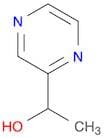
CAS 94777-52-3
:2-Pyrazinemethanol, a-methyl-
Description:
2-Pyrazinemethanol, α-methyl- is an organic compound characterized by its pyrazine ring structure, which is a six-membered aromatic ring containing two nitrogen atoms. This compound features a hydroxymethyl group (-CH2OH) and a methyl group (-CH3) attached to the pyrazine ring, contributing to its unique chemical properties. It is typically a colorless to pale yellow liquid or solid, depending on its purity and specific conditions. The presence of the hydroxymethyl group suggests that it may exhibit hydrogen bonding capabilities, influencing its solubility in polar solvents. Additionally, the methyl group can affect the compound's reactivity and steric hindrance. 2-Pyrazinemethanol, α-methyl- may be of interest in various fields, including pharmaceuticals and agrochemicals, due to its potential biological activity and utility as a building block in organic synthesis. As with many organic compounds, safety data should be consulted to understand its handling and potential hazards.
Formula:C6H8N2O
Synonyms:- Pyrazinemethanol,a-methyl- (9CI)
- 2-(1-Hydroxyethyl)pyrazine
- a-Methylpyrazinemethanol
Sort by
Purity (%)
0
100
|
0
|
50
|
90
|
95
|
100
Found 4 products.
Pyrazinemethanol, a-methyl-
CAS:Formula:C6H8N2OPurity:98%Color and Shape:LiquidMolecular weight:124.14051-Pyrazin-2-yl-ethanol
CAS:Pyrazin-2-yl-ethanol is a flavouring agent that is widely used in the food industry. It is one of the many compounds that are used to regulate the population of a particular yeast, and it has been shown to be effective at regulating populations of other species as well. Pyrazin-2-yl-ethanol has been shown to have multiparameter effects on yeast cells, including regulation of cell size, cell number, and enzyme activity. It is also an estimator for the product yield of a reaction catalyzed by chiral catalysts. !-- --> Pyrazin-2-yl-ethanol is a catalase inhibitor, meaning it inhibits the enzyme catalase by binding to its active site. This inhibition prevents the breakdown of hydrogen peroxide (H2O2) into water and oxygen (O), which can lead to oxidative stress if not properly regulated.Formula:C6H8N2OPurity:Min. 95%Molecular weight:124.14 g/mol