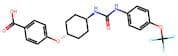
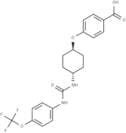
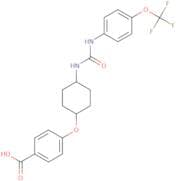
CAS 948304-40-3
:UC-1728 (Synonyms: t-TUCB)
Description:
UC-1728, also known as t-TUCB, is a chemical compound that belongs to the class of synthetic cannabinoids. It is characterized by its selective action on the cannabinoid receptors, particularly the CB1 receptor, which is primarily found in the central nervous system. This compound is notable for its potential therapeutic applications, particularly in the modulation of pain and inflammation, as well as its role in research related to neuroprotection and neurodegenerative diseases. UC-1728 exhibits a unique chemical structure that differentiates it from other cannabinoids, contributing to its specific pharmacological effects. The compound is typically studied in laboratory settings, and its safety profile and efficacy are subjects of ongoing research. As with many synthetic cannabinoids, understanding its full range of biological effects and potential side effects is crucial for its application in both research and therapeutic contexts. Proper handling and adherence to safety protocols are essential when working with this substance due to its potent biological activity.
Formula:C21H21F3N2O5
Synonyms:- UC-1728 (t-TUCB)
- t-TUCB
- UC-1728; UC 1728; UC1728; T-TUCB.
- Benzoic acid, 4-[[trans-4-[[[[4-(trifluoromethoxy)phenyl]amino]carbonyl]amino]cyclohexyl]oxy]-
- t-TUCB.
- UC-1728 (Synonyms: t-TUCB)
- UC-1728
Sort by
Purity (%)
0
100
|
0
|
50
|
90
|
95
|
100
Found 3 products.
UC-1728
CAS:UC-1728 (t-TUCB) is an effective rabbit soluble epoxide hydrolase inhibitor (IC50: 2 nM on rabbit liver).Formula:C21H21F3N2O5Purity:99.88%Color and Shape:SolidMolecular weight:438.4t-TUCB
CAS:t-TUCB is a potent soluble epoxide hydrolase (sEH) inhibitor, which is a chemically synthesized compound. The mode of action of t-TUCB involves the inhibition of sEH, an enzyme responsible for the degradation of epoxyeicosatrienoic acids (EETs). By inhibiting sEH, t-TUCB effectively increases the levels of EETs, which are signaling molecules involved in numerous physiological processes, including inflammation, blood pressure regulation, and pain perception.Formula:C21H21F3N2O5Purity:Min. 95%Color and Shape:PowderMolecular weight:438.4 g/mol