CAS 95732-59-5
:Hedyotisol A
Description:
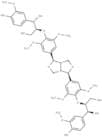
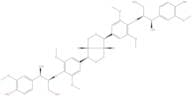
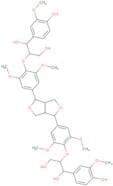
Hedyotisol A, with the CAS number 95732-59-5, is a natural compound that belongs to the class of flavonoids, specifically a type of flavonol. It is primarily derived from certain plant species, particularly those in the Hedyotis genus. This compound is characterized by its polyphenolic structure, which contributes to its antioxidant properties. Hedyotisol A has been studied for its potential biological activities, including anti-inflammatory, antimicrobial, and anticancer effects. Its mechanism of action often involves the modulation of various signaling pathways and the scavenging of free radicals, which can help protect cells from oxidative stress. Additionally, Hedyotisol A may exhibit effects on metabolic processes, making it of interest in pharmacological research. The compound's solubility and stability can vary depending on the solvent and environmental conditions, which is important for its application in both research and potential therapeutic contexts. Overall, Hedyotisol A represents a promising area of study within natural product chemistry and its implications for health and medicine.
Sort by
Purity (%)
0
100
|
0
|
50
|
90
|
95
|
100
Found 4 products.
Hedyotisol A
CAS:Hedyotisol A is a natural product from Cocculus orbiculatus.Formula:C42H50O16Purity:98%Color and Shape:SolidMolecular weight:810.84Hedyotisol A
CAS:Hedyotisol A is a specialized natural compound, which is a phytochemical isolated from a plant source, particularly the Hedyotis genus. This compound exhibits a mode of action primarily through anti-inflammatory pathways, potentially involving the modulation of pro-inflammatory cytokines and inhibition of specific enzyme activities associated with inflammation. Due to its bioactive properties, Hedyotisol A is of interest in the field of natural product chemistry and pharmacology for its potential therapeutic applications. Current research explores its efficacy in reducing inflammation-related symptoms and its role in mitigating oxidative stress. Scientists are particularly interested in its use as a lead compound for drug development, aiming to harness its natural properties for creating novel anti-inflammatory agents. Further studies are being conducted to elucidate its full mechanism of action and potential applications in treating chronic inflammatory conditions.Formula:C42H50O16Purity:Min. 95%Molecular weight:810.8 g/mol