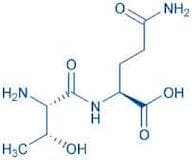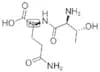
CAS 96337-79-0
:thr-gln
Description:
The chemical substance known as "thr-gln," with the CAS number 96337-79-0, is a dipeptide composed of the amino acids threonine (Thr) and glutamine (Gln). Dipeptides are formed through the condensation of two amino acids, resulting in a peptide bond. This specific dipeptide exhibits characteristics typical of amino acids, such as being soluble in water due to the presence of polar functional groups. Threonine contributes to the structure with its hydroxyl group, while glutamine, with its amide side chain, can participate in hydrogen bonding. The presence of these functional groups enhances the dipeptide's potential biological activity, making it relevant in various biochemical processes, including protein synthesis and metabolic pathways. Additionally, dipeptides like thr-gln can play roles in cellular signaling and may have implications in nutrition and health. However, specific properties such as melting point, stability, and reactivity can vary based on environmental conditions and the presence of other substances.
Formula:C9H17N3O5
Synonyms:- H-Thr-Gln-OH
Sort by
Purity (%)
0
100
|
0
|
50
|
90
|
95
|
100
Found 4 products.
H-Thr-Gln-OH
CAS:Bachem ID: 4007099.
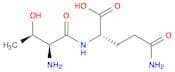
Formula:C9H17N3O5Purity:> 99%Color and Shape:White Crystalline PowderMolecular weight:247.25(S)-5-Amino-2-((2S,3R)-2-amino-3-hydroxybutanamido)-5-oxopentanoic acid
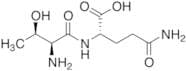
CAS:Formula:C9H17N3O5Color and Shape:SolidMolecular weight:247.2484H-Thr-Gln-OH
CAS:Controlled ProductApplications H-THR-GLN-OH (cas# 96337-79-0) is a useful research chemical.
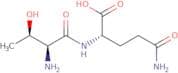
Formula:C9H17N3O5Color and Shape:NeatMolecular weight:247.25H-Thr-Gln-OH
CAS:Clostridium is a genus of Gram-positive bacteria that includes many important human pathogens. Clostridium perfringens is the most common cause of food poisoning, and can be fatal if not treated. It causes necrotizing enteritis in infants, who have less resistance to the toxins produced by this bacterium. The pathogenesis of C. perfringens has been shown to involve proteolytic activity, which breaks down proteins into smaller parts, and autocatalytic activity, which releases enzymes from within the cell to digest its own peptidoglycan layer. Proteolytic activity has also been shown to be involved in the development of cancer and other diseases such as atherosclerosis and Alzheimer's disease. There are numerous interventions available for preventing or treating clostridium infections: chlorate, streptomycin, penicillin, erythromycin, tetracycline, metronidazole, fluoroquinolones such asFormula:C9H17N3O5Purity:Min. 95%Molecular weight:247.25 g/mol