CAS 97281-52-2
:Phosphatidylinositols, soya
Description:
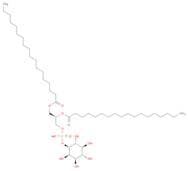
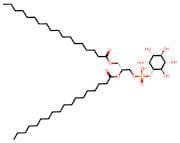
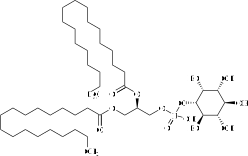
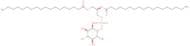
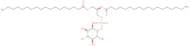
Phosphatidylinositols, soya, identified by the CAS number 97281-52-2, are a class of phospholipids derived from soybeans. These compounds are characterized by their glycerol backbone, which is esterified with fatty acids and a phosphate group linked to inositol. They play a crucial role in cellular signaling and membrane structure, contributing to various biological processes such as cell growth, differentiation, and apoptosis. Phosphatidylinositols are amphiphilic molecules, possessing both hydrophilic and hydrophobic regions, which allows them to form lipid bilayers in cellular membranes. They are also involved in the synthesis of inositol phosphates, which act as secondary messengers in signal transduction pathways. In addition to their biological significance, phosphatidylinositols are utilized in various industrial applications, including food and cosmetic formulations, due to their emulsifying and stabilizing properties. Overall, phosphatidylinositols, soya, are essential components in both biological systems and commercial products, highlighting their versatility and importance in chemistry and biochemistry.
Formula:Unspecified
InChI:InChI=1/C45H87O13P/c1-3-5-7-9-11-13-15-17-19-21-23-25-27-29-31-33-38(46)55-35-37(36-56-59(53,54)58-45-43(51)41(49)40(48)42(50)44(45)52)57-39(47)34-32-30-28-26-24-22-20-18-16-14-12-10-8-6-4-2/h37,40-45,48-52H,3-36H2,1-2H3,(H,53,54)/t37-,40-,41-,42+,43-,44-,45-/m1/s1
Synonyms:- Phosphatidylinositols, soya
Sort by
Purity (%)
0
100
|
0
|
50
|
90
|
95
|
100
Found 6 products.
L-α-Phosphatidyl inositol
CAS:Color and Shape:Off-white or tan granular powder or solidsMolecular weight:-L-α-Phosphatidylinositol from Glycine max (soybean)
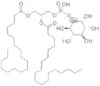
CAS:L-α-Phosphatidylinositol from Glycine max (soybean)Formula:C45H87O13PColor and Shape: yellow powderMolecular weight:867.14g/molL-α-Phosphatidylinositol, from soy bean, 20%
CAS:L-α-Phosphatidylinositol is a molecule that is found in soy beans. It has a fatty acid group, which makes it hydrophobic. L-α-Phosphatidylinositol can signal the release of growth factors and hydroxy groups, which are polar molecules. L-α-Phosphatidylinositol also has optical properties that make it useful in polarizers and optical systems. This product can be used to treat renal cell cancer, as it is reactive and acidic in nature. In addition, L-α-Phosphatidylinositol has been shown to have pharmacokinetic properties that allow for the delivery of drugs across biological membranes.Purity:(Hplc) Min. 20%Color and Shape:Yellow PowderL-α-Phosphatidylinositol, from soy bean, 50%
CAS:L-a-Phosphatidylinositol is a phospholipid that is found in the membranes of cells. It is also a precursor to many other important molecules, including platelet-derived growth factor (PDGF), which are involved in different cellular processes. L-a-Phosphatidylinositol has been shown to inhibit the growth of renal cell cancer cells and may be useful for the treatment of cancer. L-a-Phosphatidylinositol has been shown to be an effective inhibitor of influenza virus emissions and may be used as a prophylactic treatment for those who are at high risk for infection. This compound has also been linked with increased risk for renal cell cancer, although it is unclear whether this association is causal or not.
Purity:Min. 50 Area-%Color and Shape:Powder