Pharmacopoeias, Pharmacy and Drug Related Works
Pharmacopeias, pharmacy, and works related to medicines constitute the regulatory and technical foundation that ensures the quality, safety, and efficacy of pharmaceutical products. Pharmacopeias are official compendiums that contain detailed standards and specifications for the manufacturing and quality control of medicines. In the field of pharmacy, these documents are essential for professionals who develop, produce, and dispense medications, ensuring they meet the required standards. At CymitQuimica, we offer an extensive collection of products and reagents that comply with the specifications of the most recognized pharmacopeias worldwide. Our catalog includes active ingredients, excipients, and reference standards, all designed to meet the needs of professionals in the field of pharmacy and pharmaceutical research, facilitating the development and production of safe and effective medications.
Found 277 products of "Pharmacopoeias, Pharmacy and Drug Related Works"
Sort by
The purity filter is not visible because current products do not have associated purity data for filtering.
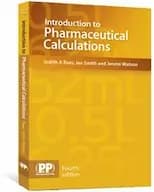
Introduction to Pharmaceutical Calculations
<p>Rees, Judith A; Smith, Ian; Watson, Jennie<br><br>Fourth edition<br><br>Scheduled closure of pharmpress.com<br><br>Judith A Rees - Senior Lecturer, School of Pharmacy, Keele University; Ian Smith - Lecturer in Pharmacy Practice, Keele University; Jennie Watson - Boots Teacher Practitioner, University of Central Lancashire<br><br>ISBN 978 0 85711 168 5<br><br>Published Apr 2015<br><br>Paperback 234 x 156mm (288pp)<br><br><br>DESCRIPTION:<br><br> Introduction to Pharmaceutical Calculations is your comprehensive guide to successfully performing pharmaceutical calculations. Now in its fourth edition, this popular book covers everything you need to know to pass those all important pharmacy calculation exams. <br>Every chapter contains learning objectives, worked examples and sample questions and has been fully updated. <br>Brand new features include: <br> - Introduction (including expert tips for approaching calculations)<br> - Doses in children<br> - 8 short videos (to help you grasp some of the key concepts) covering:<br> - Simple dilution<br> - Proportional sets<br> - Conversion of units<br> - Representations of concentrations<br> - Mixing two concentrations without a final volume<br> - Displacement values<br> - Parenteral doses<br> - Moles<br> - More images and diagrams<br>Written by experienced pharmacy lecturers and a teacher practitioner, this book will help you tackle every type of pharmaceutical calculation and is ideal for both students and pre-regs. <br>We recommend you use it alongside the companion Pharmaceutical Calculations Workbook to practice and perfect your calculation skills. <br>Good luck in your exams! <br>Save money by buying our special calculations package . <br>Videos demonstrating calculations concepts can be viewed with the password from the book. <br>CONTENTS:<br><br> Introduction<br> Rational numbers<br> Systems of units<br> Concentrations<br> Dilutions<br> Formulations<br> Calculation of doses<br> Doses in children<br> Density, displacement volumes and displacement values<br> Calculations involving molecular weights<br> Parenteral solutions and isotonicity<br> Accuracy of measurement<br> Calculations involving information retrieval<br> Appendix 1: Metric prefixes <br>Appendix 2: Conversion factors <br>Appendix 3: Multiplication and division <br>Appendix 4: Atomic weights of the elements <br>Appendix 5: Body surface area in children<br> </p>Developing Your Prescribing Skills
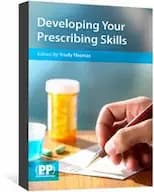
<p>Thomas, Trudy<br><br>First edition<br><br>Scheduled closure of pharmpress.com<br><br>Edited by Trudy Thomas-Head of Clinical and Professional Postgraduate Programmes Lead, Medway School of Pharmacy, UK<br><br>ISBN 978 0 85369 881 4<br><br>Published Dec 2010<br><br>Paperback 234 x 156 mm (176pp)<br><br><br>DESCRIPTION:<br><br> Developing Your Prescribing Skills helps practitioners and all new prescribers to assess their current skills, and recognise their skills gaps. It identifies ways to meet learning needs and be accountable for prescribing, both as individuals and teams. Using 'real life' case scenarios, it takes a practical view of the main issues facing prescribers in all walks of practice. This book encourages the reader to apply the generic prescribing skills covered in each chapter to their own practice through the use of reflective exercises with feedback from experienced prescribers, suggested areas for further study, mind maps and top tips. <br>Chapters offer information and advice on:<br> - taking a good history<br> - prioritising in polypharmacy<br> - consultations and prescribing in paediatrics<br> - monitoring prescribing<br> - ethical decision making in prescribing<br> - establishing partnerships with patients<br> - influences on prescribing.<br> Developing Your Prescribing Skills is an invaluable resource for all new prescribers including junior doctors and GPs, and non-medical prescribers such as pharmacists, nurses and allied health professionals. Developing Your Prescribing Skills is also available as an eBook. <br>CONTENTS:<br><br> 1. Introduction to Prescribing and This Book<br> 2. Being Accountable for Your Prescribing<br> 3. Taking a Good History<br> 4. Consultations Involving Children<br> 5. Prioritising in Polypharmacy<br> 6. Practical Prescribing In Paediatrics<br> 7. Monitoring Prescribing<br> 8. Ethical Decision Making in Prescribing<br> 9. Prescribing As Part of a Team<br> 10. Establishing Partnerships with Patients<br> 11. Influences on Prescribing<br>REVIEWS:<br><br> Mar-2011, Doody's Notes<br> "This book uses real-life case scenarios to describe the art of prescribing for those new to the field...The reflective questions are a great way to think about the scenario and its clinical aspects...This book offers an excellent approach to learning. The use of real-life scenarios is always a useful tool for educating new practitioners. This is what makes this book unique"<br> Zina T. Saidi, Pharm.D. (Jeanes Hospital), Doody's Notes, March 2011.<br> </p>Color and Shape:234 x 156 mmPhysicochemical Principles of Pharmacy
<p>Florence, Alexander T; Attwood, David<br><br>Sixth edition<br><br>Scheduled closure of pharmpress.com<br><br>Alexander T Florence - Former Dean, School of Pharmacy, University of London, UK and David Attwood - Professor Emeritus, School of Pharmacy and Pharmaceutical Sciences, University of Manchester, UK<br><br>ISBN 978 0 85711 174 6<br><br>Published Dec 2015<br><br>Paperback 246 x 189mm (664pp)<br><br><br>DESCRIPTION:<br><br> Physicochemical Principles of Pharmacy is an established textbook that provides you with full coverage of the physicochemical principles essential to the modern pharmacist and pharmaceutical scientist. <br>This sixth edition continues to boast a broad chemical and physicochemical base and covers every aspect of drug properties from the design of dosage forms to their delivery by all routes to sites of action in the body. Now with more clinical examples, new questions and extra case studies it encourages you to apply this knowledge and understand how these fundamental concepts relate to both clinical and industrial practice. <br>It features brand new chapters/sections on: <br> - Paediatric and geriatric formulations<br> - Adverse events: the role of formulations and delivery systems<br> - Generic medicines and biosimilars<br> - Solid dose form manufacture<br> Read our author interview . <br>Written by experienced academics and highly illustrated throughout, Physicochemical Principles of Pharmacy is an approachable and comprehensive resource that is perfect for supporting you through the physical pharmacy and drug delivery elements of pharmacy and pharmaceutical science courses. <br>CONTENTS:<br><br> Solids<br> Physicochemical properties of drugs in solution<br> Drug stability<br> The solubility of drugs<br> Surfactants<br> Emulsions, suspensions and related colloidal systems<br> Polymers and macromolecules<br> Drug absorption basics and the oral route<br> Parenteral routes of drug administration<br> Paediatric and geriatric formulations<br> Physicochemical interactions and incompatibilities<br> Adverse events: the role of formulations and delivery systems<br> Peptides, proteins and monoclonal antibodies<br> Pharmaceutical nanotechnology<br> Physical assessment of dosage forms<br> Generic medicines and biosimilars<br> <br>REVIEWS:<br><br> Australian Prescriber, October 2016 <br>"The text is highly illustrated throughout and includes key points and appropriate examples, providing clinicians with some easily accessible and relevant information... <br>...Some examples of adverse events due to excipients, impurities, the influence of dosage forms, materials in delivery devices and even light-induced effects are also included. Although the detection of adverse events is not an easy task, these examples may assist clinicians in asking the right questions to predict or identify adverse effects... <br>...The new focus on applications to clinical practice in this edition has extended its usefulness from pharmacy and pharmaceutical scientist courses to clinicians seeking an understanding of formulations, especially for children and older people, and in identifying the cause of adverse events." <br> Beverley Glass, Australian Prescriber, October 2016. <br> <br> The Pharmaceutical Journal, January 2016 <br>"A standard text on physical pharmacy for students around the world. <br>...The sixth edition features new chapters or sections on paediatric and geriatric formulations, adverse events, generic medicines and biosimilars, and solid dose form manufacture... <br>...All chapters are well illustrated and tables are clearly set out. Key points and clinical points are highlighted and readers are able to work through calculations and refer to the answers which can be found close by... <br>...It fulfils an important requirement of describing the principles of physical pharmacy by using pharmaceutical examples to illustrate the topics." <br> Laurence A. Goldberg, The Pharmaceutical Journal, January 2016 <br> Doody's Notes, March 2016 <br>"Anyone interested in understanding the fundamental physicochemical principles and their application in formulation development should find this an excellent resource... <br>...This sixth edition has maintained its superior quality both in content and in presentation. It has been recognized as an excellent resource by pharmacy educators and students and by pharmaceutical scientists. I have been using this book for the last 10 years and I have found it to be invaluable." <br> Rahmat M. Talukder, PhD, RPh, Doody's Notes, March 2016. <br> <br> From the reviews of previous editions: <br><br> "Changes in this edition include the new chapter on pharmaceutical nanotechnology, key learning points, more complete examples of clinical calculations, and a more clear distinction between the basic text and more complex theory. This recommended book is easy-to-read and is an asset to compounding and formulation pharmacists."<br> International Journal of Pharmaceutical Compounding, October 2011<br> "This book is excellent. It is the most accessible book I have read on the topic and is perfect for undergraduate pharmacy students."<br> Michael Taylor, Lecturer in Pharmaceutics, School of Pharmacy and Pharmaceutical Sciences, University of Central Lancashire, January 2010<br> " an excellent reference for both graduate students and scientists in the pharmaceutical industry, as it provides and overview of the physicochemical principles important in pharmaceutics and biopharmaceutics."<br> Drug Development and Industrial Pharmacy, 33:209, 2007<br> </p>Adverse Drug Reactions
<p>Edited by Anne Lee & Melinda Cuthbert<br><br>Third Edition<br><br>Scheduled closure of pharmpress.com<br><br>ISBN 9780857114006<br><br>Published Mar 2023<br><br>Paperback 496pp<br><br><br>DESCRIPTION:<br><br> Adverse reactions to medicines continue to present a considerable burden on healthcare, causing considerable morbidity and mortality. Healthcare professionals need to understand the problem of adverse drug reactions and be aware of how they can be prevented and managed. The new 3rd edition of Adverse Drug Reactions is a practical guide to the reactions that affect particular organ systems. Covers the most common types of reaction, how to recognise them, and the medicines implicated most often. Offers practical guidance on the most appropriate management of suspected adverse drug reactions. Includes clear learning objectives & case studies About the editors Melinda Cuthbert is Associate Director Pharmacy (Acute), NHS Lothian, Edinburgh Anne Lee is Chief Pharmacist, Scottish Medicines Consortium, Healthcare Improvement Scotland <br>CONTENTS:<br><br> Introduction to adverse drug reactions and pharmacovigilance: Melinda Cuthbert; <br> <br> Side effects and patients: Sheila C Noble; <br> <br> Pharmacogenetics: Munir Pirmohamed, Victoria Rollinson; <br> <br> Pregnancy: Jane Bass, Matthew Caldwell, Sophie Lumley, Catherine Nelson-Piercy, Nanda Surabhi ; <br> <br> Drug-induced cutaneous reactions: David Clifford, Sylwia Michlewska, Joanna Skwarski; <br> <br> Gastrointestinal system: Benjamin Kelly Hannan, Lynne Michelle Merchant, Duncan James Wilson; <br> <br> Hepatic disorders: Robbie Cord; <br> <br> Renal disorders: Aileen Dunleavy; <br> <br> Endocrine disorders: Yvonne Clark; Elaine McIvor; <br> <br> Respiratory disorders: Fiona McTaggart, Jenny Scott; <br> <br> Musculoskeletal disorders: Christine Randall; <br> <br> Blood disorders: Kelly Baillie; <br> <br> Mental health disorders: Anne Lee; <br> <br> Cardiovascular effects: Aaron Linstead; <br> <br> Neurological disorders: Fiona Needleman; <br> <br> Sexual dysfunction and infertility: Sherry A Wright, Joo Thong; <br> <br> </p>Community Pharmacy Handbook
<p>Waterfield, Jon<br><br>First edition<br><br>Scheduled closure of pharmpress.com<br><br>Jon Waterfield - Senior Lecturer in clinical pharmacy and pharmacy practice, De Montfort University, Leicester<br><br>ISBN 978 0 85369 716 9<br><br>Published Feb 2008<br><br>Paperback 234 x 156mm (304pp)<br><br><br>DESCRIPTION:<br><br> Community Pharmacy Handbook is an essential survival guide for community pharmacists, pharmacy undergraduates and pre-registration graduates. This book provides access to a spectrum of relevant information in an easily digestible form. With the introduction of the new contractual framework for community pharmacy, there are now many opportunities for pharmacists to engage in new ways of working. This clear and precise book aims to answer practical questions such as: <br> - How do I manage my own continuing professional development CPD? <br> - What is the best way of training my support staff? <br> - How do I motivate the pharmacy team? <br> - What are the practical issues in setting up an MUR service? <br> - How do I offer a medicines management service to residential care homes? <br> - How do I work effectively with the primary care team? <br> - How do I promote the value of pharmacy services? <br>Case studies and exercises in each chapter include structured questions, which encourage the reader to consolidate the information provided and apply their knowledge to a typical community pharmacy scenario. <br>CONTENTS:<br><br> 1. Continuing Professional Development<br> 2. Management Skills in the Pharmacy<br> 3. Training and Development of the Pharmacy Team<br> 4. Contractual Framework for Community Pharmacy<br> 5. Medicines Use Review<br> 6. Offering Enhanced Services<br> 7. Supplying Medication<br> 8. Responding to Symptoms<br> 9. Multidisciplinary Working<br> <br>REVIEWS:<br><br> 08-Oct-08, Chemist and Druggist <br>'This book is an essential guide for community pharmacists and pre-registration students, providing background information on the new pharmacy contract and detailing ways in which new services may be set up...the language and layout are user- friendly and the multiple choice questions and case studies at the end of each chapter help to reinforce the information provided.' <br> Christine Kelly, community pharmacy adviser, Northern Health and Social Services Board, Chemist and Druggist, published online on October 2008 <br> 08-Jul-08, Irish Pharmacy Journal <br>'This format is very useful, with answers given to each exercise, which maximises the learning potential of the book...the general chapters contain a lot of information one might otherwise pay a small fortune for at a management or training seminar.' <br> Sinead McCool(Course Co-ordinator, M.Sc. Clinical Pharmacy, CACT/ UCC) Irish Pharmacy Journal July 2008 <br> 08-Aug-08, Doody Enterprises, Inc <br>'Overall this is a useful resource for continuing professional development, initiation of new clinical practice services, and improving patient care in the community and setting. This book serves as a guide to help pharmacists prepare and transition into a more clinically relevant and effective practice setting.' <br> Jamila L Stanton, Doody Enterprises , Pharm. D. (Temple University of Pharmacy), Doody Enterprises, June 2008 <br> 01-May-08, New Zealand Pharmacy <br>'I believe community pharmacists could gain great management skills from this book, and with the text written by a pharmacist, the theory has already been adapted to our unique working environment.' <br> Jenny McElroy. New Zealand Pharmacy, May 2008 <br> </p>Color and Shape:234 x 156mmRules and Guidance for Pharmaceutical Distributors
<p>Compiled by the Inspection, Enforcement and Standards Division, Medicines and Healthcare products Regulatory Agency (MHRA), London, UK.<br><br>Scheduled closure of pharmpress.com<br><br>Product code MC_GREEN<br><br><br>DESCRIPTION:<br><br> Rules and Guidance for Pharmaceutical Distributors (the MHRA Green Guide) <br>The MHRA Green Guide provides a single source for guidance and legislation on the distribution of medicines. It brings together the main pharmaceutical regulations, directive and guidance which wholesalers are expected to follow when distributing medicinal products in the European Union and European Economic area. <br> </p>FASTtrack: Pharmaceutics - Dosage Form and Design
<p>Jones, David S<br><br>Second edition<br><br>Scheduled closure of pharmpress.com<br><br>David S Jones, Chair of Biomaterial Science, School of Pharmacy, Queen's University of Belfast<br><br>ISBN 978 0 85711 078 7<br><br>Published Jun 2016<br><br>Paperback 234 x 156mm (432pp)<br><br><br>DESCRIPTION:<br><br> FASTtrack Pharmaceutics - Dosage Form and Design focuses on what you really need to know in order to pass your pharmacy exams. It provides concise, bulleted information, key points, tips and an all-important self-assessment section, including MCQs. <br>This FASTtrack book discusses an array of major dosage forms that are commonly encountered by pharmacists in professional practice. Essential information concerning the formulation of these dosage forms is delivered in a format that will aid your understanding and remove the complexities of the various topics. <br>This second edition includes a new chapter on pharmaceutical engineering. All chapters have been revised and updated and there are self-assessment questions at the end of each section to reinforce understanding. <br>Are your exams coming up? Are you drowning in textbooks and lecture notes and wondering where to begin? Take the FASTtrack route and study successfully for your exams. <br>FASTtrack offers the ultimate lecture notes and is a must-have for all pharmacy undergraduate students and pre-registration trainees wanting to study, revise and practice MCQs ahead of exams. <br>Visit the FASTtrack website for more MCQs from the FASTtrack series. <br> <br>CONTENTS:<br><br> Pharmaceutical solutions for administration to the gastrointestinal tract<br> Pharmaceutical disperse systems 1: suspensions - general principles and the formulation of suspensions for oral administration<br> Pharmaceutical disperse systems 2: emulsions and creams <br> Pharmaceutical disperse systems 3: ointments, pastes, lotions, gels and related formulations<br> Parenteral formulations<br> Ocular, nasal and otic dosage forms<br> Vaginal and rectal dosage forms<br> Respiratory dosage forms<br> Solid-dosage forms 1: tablets<br> Solid-dosage forms 2: capsules<br> Introduction to pharmaceutical engineering<br> </p>Complementary and Alternative Medicine
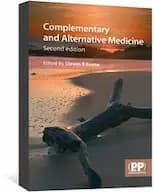
<p>Kayne, Steven B<br><br>Second edition<br><br>Scheduled closure of pharmpress.com<br><br>Edited by Steven B Kayne - Honorary Consultant Pharmacist, Glasgow Homeopathic Hospital; Visiting Lecturer in Complementary Medicine, University of Strathclyde School of Pharmacy, Glasgow, UK<br><br>ISBN 978 0 85369 763 3<br><br>Published Nov 2008<br><br>Paperback 234 x 156mm (624pp)<br><br><br>DESCRIPTION:<br><br>Complementary medical treatments are now increasingly popular and the public demand for information and treatment is growing rapidly. It is therefore essential that all pharmacists have good knowledge of the main aspects of complementary therapies as they are meeting more and more patients who want advice and treatment with alternative therapies. <br>This book provides a practical introduction and reference source on the products most frequently requested in community pharmacies and in hospitals. Chapters on other complementary therapies such as massage are also included for information so that pharmacists can give knowledge-based advice to the public. <br>Additionally CAM is now an integral part of every MPharm course in the UK and of the pharmacy degree course in the USA. This book has been adopted by universities both in the UK and the USA. Indeed in the UK, this is an essential textbook that includes all aspects of CAM covered in the MPharm degree. <br>For the new edition, all main areas including homeopathy, aromatherapy and herbalism are updated and two new sections added. All legal issues are updated and legal information included from USA, Australia and New Zealand. Plus, evidence based material and research has been updated and more case studies included. The book also focuses a lot more on application as well as information and is more interactive. <br>A contribution from the USA has been included, as Steven Kayne enlisted a renowned expert to write chapters for this new edition. <br>CONTENTS:<br><br> Part 1: Introduction to CAM<br> 1. The Concepts of CAM<br> 2. Integrative Medicine<br> 3. Delivering CAM<br> 4. CAM in the USA<br> 5. The Evidence Base for CAM<br> 6. Pharmacovigilance of Complementary Medicines<br> Part 2 Therapies Involving Use of Remedies<br> 7. Homeopathy and Anthroposophy<br> 8. Medical Herbalism<br> 9. Aromatherapy<br> 10. Flower Therapies<br> Part 3 Traditional Medicine<br> 11. The Traditional Healthcare Environment<br> 12. Traditional Chinese Medicine<br> 13. Indian Ayurvedic Medicine<br> Part 4 Other Therapies and Diagnostic Techniques<br> 14. Naturopathy<br> 15. Diagnostic Techniques<br> 16. Manual Therapies<br> 17. Mind and Body Therapies<br> <br>REVIEWS:<br><br> 01-Dec-08, Doody's Notes<br> 'This is a well written book and offers a good description of alternative medicine.'<br> Doody's Review Service, 2008<br> 01-Apr-09<br> 'With the advent of healthcare consumerism, people are now encouraged to be largely responsible for their own health. And so complementary medicines are becoming ever more widely used.'<br> Unknown , An article abridged from Complementary and Alternative Medicine, 2nd Edition<br> From the reviews of the previous edition<br> '...this book provides a detailed and comprehensive resource that will provide the pharmacist and the pharmacy counter staff with the background and information needed to be able to advise patients and the public on the safe, effective and appropriate use of complementary medicines and therapies.'<br> Jo Barnes (Pharmaceutical Journal)<br> '...an essential text for pharmacists and a valuable one for other healthcare professionals.'<br> Edzard Ernst (FACT)<br> '...Dr Kayne takes the largest areas of interest - homeopathy, herbal remedies and aromatherapy - and tries to give a balanced view of evidence related to use of various therapies...'<br> New Zealand Pharmacy <br> </p>Color and Shape:234 x 156mmPharmacy Case Studies
<p>Dhillon, Soraya; Raymond, Rebekah<br><br>First edition<br><br>Scheduled closure of pharmpress.com<br><br>Edited by Soraya Dhillon - Head, The School of Pharmacy, University of Hertfordshire and Rebekah Raymond - Teacher Practitioner<br><br>ISBN 978 0 85369 724 4<br><br>Published Feb 2009<br><br>Paperback 234 x 156mm (480pp)<br><br><br>DESCRIPTION:<br><br> Understand the application of therapeutics in clinical practice with Pharmacy Case Studies. This book helps you to integrate and demonstrate the knowledge gained during your undergraduate and pre-registration study.<br>Case studies of increasing complexity tie in strands of learning from across the pharmacy curriculum. Scenarios include both community and hospital pharmacy situations, as suited to the disease and pharmaceutical care provision.<br>Each chapter contains five case studies with questions and answers increasing in complexity from those for first year students through to cases designed for fourth year/pre-registration level. <br>Primarily aimed at pharmacy students and pre-registration pharmacists, this book will also be useful for qualified pharmacists as well as medical students, nurses and others with a professional interest in therapeutics. <br>CONTENTS:<br><br> 1. Gastrointestinal <br> 2. Cardiovascular <br> 3. Respiratory <br> 4. CNS <br> 5. Infections <br> 6. Endocrine <br> 7. Obstetrics, Gynaecology and UTI <br> 8. Malignant Disease <br> 9. Nutrition and Blood <br> 10. Musculoskeletal and Joint <br> 11. Eyes <br> 12. ENT <br> 13. Skin <br> 14. Immunological/vaccines <br> 15. Liver Disease <br> 16. Renal Diesase <br> 17. Paediatrics <br> 18. Elderly<br>CASE STUDY:<br><br>Try this sample case study on dementia , from Pharmacy Case Studies. <br><br> </p>Color and Shape:234 x 156mmSport and Exercise Medicine for Pharmacists
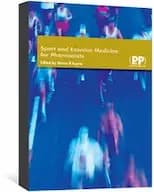
<p>Kayne, Steven B<br><br>First edition<br><br>Scheduled closure of pharmpress.com<br><br>Edited by Steven B Kayne<br><br>ISBN 978 0 85369 600 1<br><br>Published Dec 2005<br><br>Paperback 234 x 156mm (376pp)<br><br><br>DESCRIPTION:<br><br> All the information you need to provide patients with evidence-based advice on sports and exercise related health matters. Sport and Exercise Medicine for Pharmacists is an authoritative and practical introduction to the prevention and treatment of injuries and ailments commonly experienced in sport and exercise. As a result of health promotion and changes in lifestyle, increasing numbers of people are taking part in sporting activities. <br>This book provides advice on health promotion and maintenance through an active lifestyle, the risks and benefits of sport and exercise in specific common conditions, and drug use and misuse in sport.<br>Edited by an expert in sport medicine, this book will be useful to community and pre-registration pharmacists, and pharmacy students. It will also appeal to other healthcare professionals working in this area. <br> <br>CONTENTS:<br><br> Part 1. Introduction <br>1. The Physiology of Exercise <br>2. Physical Activity in the Community <br>3. Sports Nutrition <br> Part 2. Treatment and Prevention of Sports-related Problems in the Pharmacy <br>4. Soft Tissue Injury <br>5. Pharmacotherapy for Soft Tissue Injury <br>6. Complementary and Alternative Medicine in Sport <br> Part 3. Misuse of Drugs in Sport <br>7. History of Doping in Sport <br>8. Drug Use in Sport and Dope Testing <br> Part 4. The Application of Sports Pharmacy in Practice <br>9. Pharmacy for Elite Athletes at International Games <br>10. The Role of the Pharmacist in Sport and Exercise Care <br>REVIEWS:<br><br> 17-Feb-07, The Pharmaceutical Journal <br>'This book is both an interesting read and a valuable reference source...it is an investment worth making in the emerging speciality of sport and exercise medicine.' <br> The Pharmaceutical Journal, February 2007, vol 278, p193 <br> </p>Color and Shape:234 x 156mmPharmacy Registration Assessment Questions 2
<p>Edited by Bukhari, Nadia<br><br>First Edition<br><br>Scheduled closure of pharmpress.com<br><br>Nadia Bukhari - Senior Teaching Fellow in Pharmacy Practice & Pre-Reg Co-ordinator, UCL School of Pharmacy.<br><br>ISBN 978 0 85711 326 9<br><br>Published Feb 2018<br><br>Paperback 216 x 138mm (224pp)<br><br><br>DESCRIPTION:<br><br> Pharmacy Registration Assessment Questions 2 is the second volume in a series that follows on from the previous, highly popular Pharmacy Registration Assessment Questions. It features more than 400 entirely new, closed book and calculation questions. It can be used in conjunction with the previous volume or on its own. All questions are in line with current GPhC guidance, enabling you to prepare for the pharmaceutical pre-registration exam with confidence. This invaluable tool will help you familiarise yourself with the current style of questions, and give you a head start on preparation, planning and implementation. Questions are based on BNF74 and BNF for Children 2017-2018, alongside the most current treatment guidelines available. Questions feature patient information and pictorial representation of conditions, replicating those you may encounter in the real exam. This revision aid gives you the opportunity to practice a variety of question styles found in the assessment including: - Single best answer questions - Extended matching questions - Calculations Nadia Bukhari is Senior Teaching Fellow in Pharmacy Practice & Pre-Registration Co-ordinator at the UCL School of Pharmacy. She is also the chairwoman for the Royal Pharmaceutical Society Pre-Registration conferences. <br>EXAM GUIDE:<br><br> </p>Clarke's Analytical Forensic Toxicology
<p>Negrusz, Adam; Cooper, Gail<br><br>Second edition<br><br>Scheduled closure of pharmpress.com<br><br>Edited by Adam Negrusz, Associate Professor of Forensic Science, University of Illinois, and Gail Cooper, Lead Forensic Toxicologist and Senior Lecturer, Department of Forensic Medicine and Science, University of Glasgow.<br><br>ISBN 978 0 85711 054 1<br><br>Published May 2013<br><br>Paperback 246 x 189mm (656pp)<br><br><br>DESCRIPTION:<br><br> Clarke's Analytical Forensic Toxicology offers you a fresh perspective on the drugs and poisons that you are most likely to encounter in forensic toxicology. It focuses on collection, extraction and analysis. <br>This second edition is fully updated to reflect advances in analytical and forensic toxicology. New and extended chapters include: <br> - sampling, storage and stability <br> - in-utero exposure to drugs of abuse <br> - drug-facilitated sexual assault <br> - extraction. <br>Additional features are included from the fourth edition of Clarke's Analysis of Drugs and Poisons . <br>Forensic science laboratory workers will find this comprehensive textbook an invaluable tool. <br>For students and teachers of forensic science, toxicology, clinical pharmacology and analytical chemistry, this is a crucial resource. It provides unrivalled coverage of analytical forensic toxicology. <br> Clarke's Analytical Forensic Toxicology is also available as an eBook.<br>CONTENTS:<br><br> 1. Introduction to Forensic Toxicology<br> 2. Pharmacokinetics and Metabolism<br> 3. Drugs of Abuse<br> 4. Other Substances Encountered in Clinical and Forensic Toxicology<br> 5. Workplace Drug Testing<br> 6. Alternative Specimens<br> 7. Postmortem Toxicology<br> 8. Clinical Toxicology, Therapeutic Drug Monitoring, In Utero Exposure to Drugs of Abuse<br> 9. Drug Abuse in Sport<br> 10. Drug-Facilitated Sexual Assault<br> 11. Alcohol, Drugs and Driving<br> 12. Forensic Chemistry and Solid Dosage Form Identification<br> 13. Sampling, Storage and Stability<br> 14. Extraction<br> 15. Colour Tests and Thin-Layer Chromatography<br> 16. Immunoassays<br> 17. Ultraviolet, Visible and Fluorescence Spectrophotometry<br> 18. Infrared Spectroscopy<br> 19. Gas Chromatography<br> 20. High-Performance Liquid Chromatography<br> 21. Mass Spectrometry<br> 22. Quality Assurance and Control in the Toxicology Laboratory<br>REVIEWS:<br><br> November 2013, CHOICE<br> "This new edition is based on content in volume 1 of Clarke's Analysis of Drugs and Poisons, and modified for student use...<br> ...this volume is full of useful information that will allow students to become familiar with the field. Summing up: Recommended. Upper-division undergraduates and graduate students."<br> J. Allison, The College of New Jersey, CHOICE (51:3) November 2013.<br> <br> July 2013, TIAFT Bulletin<br> "...a useful reference for students both undergraduate and postgraduate, as well as toxicologists who are relatively new to this discipline...<br> ...There are many chapters from experienced toxicologists (many who are familiar to us) and the book is well structured and follows a consistent approach to understanding the essentials of forensic toxicology...<br> ...There is a comprehensive number of chapters on techniques (extraction and analysis) and the major chromatographic approaches are covered well by recognised authors with considerable expertise...<br> ...So if you have the 4th edition of Clarke's Analysis of Drugs and Poisons would you also buy this volume as well? Yes I would because the book is geared to a more novice readership - students, researchers and inexperienced toxicologists."<br> Dimitri Gerostamoulos, TIAFT Bulletin 43(2), July 2013.<br> From the reviews of the previous edition:<br> "This book combines the pertinent subjects from the larger text with significant new chapters of more current interest, such as in-utero drug exposures and drug-facilitated sexual assault...<br> ...it is a useful review for forensic toxicology in general, and an excellent explanation of the various techniques in analytical forensic toxicology. Practicing clinical toxicologists will find it a welcome addition to their references...<br> ...it also covers the most important areas toxicologists will encounter, namely drug and alcohol impaired driving, sport toxicology, workplace drug testing, and postmortem toxicology. In-depth chapters cover all major analytical methods (i.e., immunoassay, GC, HPLC, MS, etc.), which practicing toxicologists will find useful"<br> Michael G Holland, Doody's Notes, 24th July 2009<br> <br> "Affordable, comprehensive reference for students, researchers and both budding and practicing laboratory scientists...<br> ...A very useful look up guide to what's what in techniques, drugs, metabolites, reagents and other things forensic. It's very easy on the eye with abbreviations in bold blue...<br> ...Clarke's is essential reading matter for the forensic and clinical toxicologist. This edition, in soft cover, is very well presented and covers an exhaustive range of both esoteric and general topics."<br> Dr John Lewis, Bulletin of the International Association of Forensic Toxicologists Volume XXXIX Number 1<br> <br> "The structure of the book is a wealthy mixture of problem-orientated and methodology orientated approach and covers all important aspects of the field."<br> Sandor Gorog, Trends in Analytical Chemistry, Vol. 28, No. 1, 2009<br> </p>Color and Shape:246 x 189mmLecture Notes in Pharmacy Practice
<p>Azzopardi, Lilian M<br><br>First edition<br><br>Scheduled closure of pharmpress.com<br><br>Edited by Lilian M Azzopardi - Head, Department of Pharmacy<br><br>ISBN 978 0 85369 766 4<br><br>Published Nov 2009<br><br>Paperback 246 x 189mm (464pp)<br><br><br>DESCRIPTION:<br><br>A comprehensive study guide which summarises the basic principles in pharmacy practice. Lecture Notes in Pharmacy Practice comprises 70 concise chapters covering clinical pharmacy in both community and hospital settings, as well as the practice of pharmacy in other areas. <br>This text is an essential resource for pharmacy students studying for exams. It provides clear, bulleted information for quick reference. There are short questions at the end of each chapter to aid exam preparation. <br>Essential information is covered in the following five sections of the book: <br> - introduction to pharmacy <br> - clinical pharmacy and pharmacotherapeutics <br> - responding to symptoms in community pharmacy <br> - pharmacy information and research <br> - pharmacy systems. <br> Lecture Notes in Pharmacy Practice will help to prepare students for what they will experience when they start practising in real-life healthcare settings. It also applies to practitioners in their day-to-day work, aiding pharmacists in their efforts to stay abreast and maintain competency.<br> Lecture Notes in Pharmacy Practice is also available as an eBook.<br> <br>CONTENTS:<br><br> Historical Perspectives <br> Pharmacy Practice and the Healthcare System <br> Medicine Presentation and Administration <br> Medicine Safety <br> Community Pharmacy Practice <br> Dispensing Prescriptions <br> Health Promotion <br> Communication Skills and Patient Counselling <br> Compliance, Adherence and Concordance <br> Mathematical Principles of Drug Therapy <br> Point-of-Care Testing <br> Pharmaceutical Care Plans <br> Medicine Action <br> Clinical Pharmacokinetics <br> Constipation and Diarrhoea <br> Gastro-oesophageal Reflux Disease and Peptic Ulcer Disease <br> Inflammatory Bowel Disease and Other Chronic Bowel Disorders <br> Emesis <br> Cardiovascular Disorders <br> Hypertension <br> Ischaemic Heart Disease <br> Congestive Heart Failure <br> Hyperlipidaemia <br> Thrombosis <br> Asthma, Chronic Obstructive Pulmonary Disorder and Allergic Rhinitis <br> Schizophrenia <br> Mood Disorders <br> Anxiety Disorders <br> Sleep Disorders <br> Eating Disorders <br> Pain Management and Fever <br> Dementia and Alzheimer's Disease <br> Parkinson's Disease <br> Anti-infective Agents <br> Human Immunodeficiency Virus Infection <br> Viral Hepatitis <br> Thyroid Disorders <br> Diabetes Mellitus <br> Menopause and Hormone Replacement Therapy <br> Menstrual Cycle Disorders and Contraception <br> Genito-urinary Disorders <br> Cancer and Palliative Care <br> Anaemia and Drug-induced Blood Dyscrasias <br> Rheumatoid Arthritis <br> Osteoarthritis and Gout <br> Bone Disorders <br> Skin Disorders <br> Wound Management <br> Drug Therapy in Geriatric Patients <br> Drug Therapy in Paediatric Patients <br> Drugs Used in Pregnancy and During Lactation <br> Critical Care Therapeutics <br> Recent Advances in Pharmacotherapy <br> Colds and Influenza <br> Eye <br> Oral and Dental <br> Foot <br> Ear <br> Musculoskeletal <br> Abdominal Pain, Perianal and Perivulval Pruritus <br> Travel Medicine <br> Pharmacy Literature and Medicine Information <br> Medical Writing <br> Research Methodology <br> Primary Care Health Services <br> Community Pharmacy Management <br> Hospital Pharmacy Services <br> Formulary Systems <br> Medicines Regulatory Affairs <br> Quality Standards in Community Pharmacy Practice <br> </p>Color and Shape:246 x 189mmRules and Guidance for Pharmaceutical Manufacturers and Distributors 2022 (The MHRA Orange Guide)
<p>MHRA (Medicines and Healthcare products Regulatory Agency)<br><br>Scheduled closure of pharmpress.com<br><br>Compiled by the Inspection, Enforcement and Standards Division, Medicines and Healthcare products Regulatory Agency (MHRA), London, UK<br><br>ISBN 978 0 85711 439 6<br><br>Published Mar 2022<br><br>Paperback 244x172mm (1140pp)<br><br><br>DESCRIPTION:<br><br> The 2022 edition of Rules and Guidance for Pharmaceutical Manufacturers and Distributors, known as "The MHRA Orange Guide, is the essential reference for all manufacturers and distributors of medicines in the UK. It provides you with a single authoritative source of European and UK guidance, information and UK legislation relating to the manufacture and distribution of human medicines, active substances, and brokering medicines. The new 11th edition has been updated to incorporate changes made after the UKs exit from the European Union on the 31st January 2020. Comprehensive new content includes: Amended extracts from the Human Medicines Regulations 2012 relating to: manufacture, importation and assembly wholesale dealing brokering medicine manufacturing, importing and distributing active substances The Code of Practice for Qualified Persons, Guidance on Manufacture and Importation UK guidance on complying with the EU guidelines on Good Distribution Practice for wholesale distributors and brokers of medicines and manufacturers, importers and distributors or active substances UK guidance on: risk-based inspections, conditions of holding a manufacturers licence, wholesale dealers licence, a broker registration and an active substance registration, and controls on certain medicinal products. New guidance on: conditions of holding a manufacturing authorisation for investigational medicinal products, importing guidance for investigational medicinal products from countries on a list to Great Britain, Pharmaceutical Quality System expectations and Authorisation requirements for investigational medicinal products importation oversight, list of approved countries for import, pharmacovigilance for wholesalers, the naming of sites on a wholesale dealers licence, self-inspection for wholesale dealers and the responsible person for import. Plus, revised GMP Annexes 2 and 17, and Commission guidance on principles and guidelines for good manufacturing practice for investigational medicinal products for human use and arrangements for inspections, for medicinal products for human use and for active substances for medicinal products for human use. The MHRA Orange Guide is compiled by the Medicines and Healthcare products Regulatory Agency. <br> </p>MCQs in Pharmacy Practice
<p>Azzopardi, Lilian M<br><br>Second edition<br><br>Scheduled closure of pharmpress.com<br><br>Edited by Lilian M Azzopardi - Head, Department of Pharmacy<br><br>ISBN 978 0 85369 839 5<br><br>Published Sep 2009<br><br>Paperback 234 x 156mm (464pp)<br><br><br>DESCRIPTION:<br><br>Designed as a study aid, MCQs in Pharmacy Practice covers topics commonly featured in pharmacy undergraduate, registration and licensing multiple choice examinations. <br>The book is divided into open book and closed book sections and has a total of 800 multiple choice questions intended to assess students' knowledge, analytical skills, and ability to apply this knowledge base in clinical practice. <br>Topics include: <br> - general pharmacy practice interventions <br> - pharmaceutical calculations <br> - doses and strengths <br> - nomenclature and abbreviations <br> - dosage forms <br> - biochemical tests <br> - side-effects <br> - common diseases <br>In this second edition, newly formatted MCQs have moved to a more detailed question style demanding accruement of knowledge, decision-making skills, factual accuracy and its application to realistic clinical situations. All information has been updated to reflect the content of the BNF at time of print, ensuring practical and contemporary questions. This comprehensive book edited by Lilian Azzopardi, chairperson of the examination boards in pharmacy practice, will be an invaluable resource for undergraduate or postgraduate students preparing to sit a multiple choice examination in pharmacy. MCQs in Pharmacy Practice is also available as an eBook.<br> <br>CONTENTS:<br><br> Section 1: Open book questions<br> Test 1<br> Test 2<br> Test 3<br> Test 4<br> Section 2: Closed book questions<br> Test 5<br> Test 6<br> Test 7<br> Test 8<br> Appendix A: Proprietary (trade) names and equivalent generic names<br> Appendix B: Definitions of conditions<br> Appendix C: Abbreviations and acronyms<br> Appendix D: Performance statistics<br> <br>REVIEWS:<br><br> 02-Oct-09, IJPC <br>'A great review for pharmacists, pharmacy students, and for use in an intern program. This latest edition is divided into both "open book" and "closed book" sections and contains a total of 800 multiple choice questions designed to assess participants knowledge, analytical skills, and the ability to apply this knowledge base in clinical practice.' <br> The International Journal of Pharmaceutical Compounding, Volume 6, Issue 40, 2nd October 2009 <br> </p>Color and Shape:234 x 156mmStockley's Herbal Medicines Interactions
<p>Williamson, Elizabeth; Driver, Samuel; Baxter, Karen; Preston, Claire L.<br><br>Scheduled closure of pharmpress.com<br><br>Edited by Elizabeth Williamson, Samuel Driver, Karen Baxter and Claire L. Preston.<br><br>Product code MC_SHMI<br><br><br>DESCRIPTION:<br><br> Stockley's Herbal Medicines Interactions is a unique collaboration between practising clinical pharmacists and experts in the fields of drug interactions, clinical herbal medicines, phytopharmacovigilance and regulation of herbal medicinal products. The breadth of the editorial team's knowledge provides unparalleled depth, with clinical and experimental evidence being dissected in tandem to deliver impartial guidance.<br>Stockley's Herbal Medicines Interactions moves beyond the coverage of other products by not only including the interactions of herbal interactions with conventional medicines, but also exploring the interactions of less common, but increasingly popular dietary supplements and nutraceuticals, in detail.<br> <br> <br> </p>Stockley's Drug Interactions
<p>Preston, Claire L.<br><br>Scheduled closure of pharmpress.com<br><br>Edited by Claire L. Preston<br><br>Product code MC_STOCK<br><br><br>DESCRIPTION:<br><br> Stockley's Drug Interactions is still the most indispensible and authoritative international source of drug interaction information. Based upon the many thousands of published clinical papers and reports, it provides a series of detailed, yet concise, monographs designed for quick and easy reference. <br>Each monograph contains a summary, clinical evidence for the interaction under discussion, its probable mechanism, clinical importance, and management.<br> <br> <br> <br>INTERACTIONS CHECKER:<br><br> Stockley's Drug Interactions and the Stockley's Interactions Checker - a handy comparison <br>We've received some questions from users recently asking about the differences between Stockley's Drug Interactions and the Stockley's Interactions Checker , and why information contained in the Checker is not always found in Stockley's Drug Interactions . For all our Stockley's users, here are the answers: <br> What are the main differences between the products? <br>The Stockley's Interactions Checker provides healthcare professionals with a quick way to check for potential drug interactions. It gives a fast ready-reference to whether drugs can safely be taken together, and provides brief advice on how to manage the interaction. <br> Stockley's Drug Interactions provides concise, accurate, and detailed clinically relevant information on individual and related drug interactions in the form of monographs. Each monograph covers clinical evidence, mechanism, importance and management. It is based on all available published sources and is fully referenced. <br> Why is it that sometimes, interactions information in the Checker does not appear in Stockley's Drug Interactions? <br>The vast majority of messages in the Checker are derived from the monographs in Stockley's Drug Interactions , and currently, the interactions content in the Checker is updated on a monthly basis. <br> Stockley's Drug Interactions is updated quarterly, giving more time to review all the literature and revise the full monograph. So, when information is updated for the Checker it will not appear in Stockley's Drug Interactions until the full monograph is revised. For example, information that is updated in the Checker first might relate to a new drug, a new safety update from the MHRA or FDA, or a new dose adjustment. <br> Which Interactions resource should I use? <br><br> - If you need a quick answer to your interactions query, use the Stockley's Interactions Checker. If you require more detail or an understanding of why an interactions occurs, use Stockley's Drug Interactions. However, because of the differences between the two products, if you don't find the information you need in Stockley's Drug Interactions, try searching for the interaction in the Stockley's Interactions Checker.<br><br>The table below provides a quick comparison between the two products: <br><br><br>Stockley's Drug Interactions<br>Stockley's Interactions Checker<br><br>Provide detailed, fully-referenced information about a drug interaction<br>Gives you a quick answer to your interactions query<br><br>Summarises the available clinical evidence and explains how to manage the interaction<br>Consists of 2 short lines: what happens and what you should do<br><br>Explains the mechanism of the interaction<br>Links to the full monograph in Stockley's Drug Interactions should you require more detail<br><br>Includes drug-drug, drug-herb, drug-food interactions<br>Includes drug-drug, drug-herb, drug-food interactions<br><br>International in coverage<br>International in coverage<br><br> <br> Download this information as a printable PDF. <br><br> </p>Introduction to Statistics in Pharmaceutical Clinical Trials
<p>Durham, Todd A; Turner, J Rick<br><br>First edition<br><br>Scheduled closure of pharmpress.com<br><br>Todd A Durham - Senior Director, Biostatistics and Data Management, Inspire Pharmaceuticals and J Rick Turner - Associate Professor of Clinical Research<br><br>ISBN 978 0 85369 714 5<br><br>Published Mar 2008<br><br>Paperback 246 x 189mm (240pp)<br><br><br>DESCRIPTION:<br><br> Introduction to Statistics in Pharmaceutical Clinical Trials is presented in the context of clinical trials conducted during pharmaceutical drug development. <br>This novel approach teaches the computational steps needed to conduct analyses. It also provides a conceptual understanding of how these analyses provide information that forms the basis for decision making throughout the drug development process.<br>This textbook conveys: <br> - why, and how data are collected in clinical studies <br> - how these data are summarized and analyzed <br> - what the results mean in the context of the clinical research question <br> - how the results are communicated to regulatory agencies and to the scientific and medical communities. <br> All students of pharmaceutical sciences and clinical research need a solid knowledge and understanding of the nature, methods, application, and importance of statistics. Introduction to Statistics in Pharmaceutical Clinical Trials will also be invaluable to professionals entering the pharmaceutical, biotechnology, and contract research organization industries who wish to gain a broader understanding of study design, research methodology, and statistical analysis and interpretation in clinical trials.<br>CONTENTS:<br><br> 1. The Discipline of Statistics: Introduction and Terminology<br> 2. The Role of Clinical Trials in New Drug Development<br> 3. Research Questions and Research Hypotheses<br> 4. Study Design and Experimental Methodology<br> 5. Data, Central Tendency and Variation<br> 6. Probability, Hypothesis Testing and Estimation<br> 7. Early-phase Clinical Trials<br> 8. Confirmatory Clinical Trials: Safety Data I<br> 9. Confirmatory Clinical Trials: Safety Data II<br> 10. Confirmatory Trials: Analysis of Categorical Efficacy Data<br> 11. Confirmatory Clinical Trials of Analysis of Continuous Efficacy Data<br> 12. Additional Statistical Considerations in Clinical Trials<br> 13. Concluding Comments: Appendix: References<br>REVIEWS:<br><br> 01-Aug-08, Doody Enterprises, Inc <br>'It fills the gap that exists between books that focus on research design and those that address statistical methods. The authors have clearly met this worthy objective. This book fills a unique position and uses innovative method.' <br> Michael R Jacobs, BS, PharmD (Temple University of Pharmacy) Doody Enterprises July 2008 <br> </p>Color and Shape:246 x 189mmBNF and British National Formulary for Children
<p>Joint and Paediatric Formulary Committees<br><br>Scheduled closure of pharmpress.com<br><br>Published jointly by the British Medical Association, the Royal Pharmaceutical Society, the Royal College of Paediatrics and Child Health, and the Neonatal and Paediatric Pharmacists Group.<br><br>Product code BNF_CY2<br><br>BNF & BNFC 2 Year Subscription<br><br><br>DESCRIPTION:<br><br> Access to the BNF and British National Formulary for Children is vital for all healthcare and pharmacy professionals, providing practical guidance on prescribing, dispensing, and administering medicines.<br>To help keep you up-to-date, print copies of these essential publications are now available via subscription, meaning you get the latest medicines information as it is published and for a reduced price.<br> Subscription option Subscription price Saving on RRP BNF + BNFC subscription for 2 years £310.00 24% <br> Also available: <br> BNF + BNFC subscription for 1 year <br> <br>CONTENTS:<br><br>This essential resource provides up-to-date, practical guidance on prescribing, dispensing, and administering medicines. <br>The BNF evaluates clinical evidence from diverse sources with information validated by a network of clinical experts and published under the authority of a Joint Formulary Committee. The BNF reflects current best practice as well as legal and professional guidelines relating to the uses of medicines. Includes: <br> - Guidance on the drug management of common conditions <br> - Details of medicines prescribed within the UK with special reference to their uses, cautions, contra-indications, side-effects, doses and relative costs <br> - Guidance on prescribing, monitoring, dispensing and administering medicines <br> <br> </p>Focus on Alternative and Complementary Therapies
<p>Ernst, Edzard<br><br>Scheduled closure of pharmpress.com<br><br>Edited by Edzard Ernst, Peninsula Medical School, UK<br><br>ISSN 1465-3753<br><br>Paperback 275 x 210mm<br><br><br>DESCRIPTION:<br><br> The Royal Pharmaceutical Society's learned journals are published by Wiley-Blackwell on behalf of the Society. For further information about pricing or to subscribe to this journal, please visit the Wiley-Blackwell website. <br> Focus on Alternative and Complementary Therapies (FACT) is a quarterly review journal that aims to present the evidence on complementary and alternative medicine (CAM) in an analytical and impartial manner. <br>With increasing interest and growing research into CAM there are dozens of specific complementary medicine journals and thousands of general medical journals that present articles and research findings in this area. Knowing it is impossible to scan all these publications, the FACT editorial team systematically searches the world literature to uncover articles and key papers in all fields of CAM research. The journal saves readers times by making it easier to keep abreast of all the new research data related to CAM. <br>The most important factual papers are summarised and critically appraised in the form of an expert commentary written by a member of FACT's international editorial board. The author(s) of the original paper are invited to respond and their replies are also published when received. All summaries and commentaries are evidence-based, reporting clinical trials, systematic reviews or meta-analyses, compiling, interpreting and disseminating the up-to-date evidence for or against complementary medicine. <br> Abstracting and Indexing Focus on Alternative and Complementary Therapiesis included in the following abstracting and indexing databases: <br> - Acubriefs <br> - Allied and Complementary Medicine Database <br> - CAB Abstracts - including Abstracts of Hygiene and Communicable Diseases, and Nutrition Abstracts and Reviews A <br> - Cambridge Scientific Abstracts - including Neurosciences Abstracts <br> - CINAHL <br> - Elsevier Databases - including EMBASE/Excerpta Medica, EMCare, and Scopus <br> - MANTIS Database <br> - Zetoc <br>Readership <br>CAM academics,CAM practitioners, Healthcare professionals with an interest in CAM <br> To obtain permission to reproduce FACT content, please contact Wiley-Blackwell at PermissionsUK@wiley.com <br>CONTENTS:<br><br> Topics covered include:<br> - Herbal medicines <br> - Acupuncture <br> - Homeopathy <br> - Manipulative therapies <br> - Nutritional therapies <br> - Mind-body therapies <br> - Hypnotherapy <br> - Other CAM therapies <br> Each issue may include:<br> - Summaries and commentaries on key CAM areas <br> - Original articles that review the evidence for and against CAM in a particular therapeutic area <br> - Debate articles which present different or even opposing views to tease out the pros and contras in controversial areas <br> - A comprehensive compilation of recently published CAM literature <br> - Guest editorials <br> - Interviews of outstanding personalities in the field of CAM <br> - Book reviews and a list of new books <br> - Letters to the editor <br> </p>