Organometallic Ligands
In this category, you will be able to find a large number of organometallic molecules used as ligands in biomolecules. These organometallic ligands can be used in organic chemistry and synthesis in the laboratory. They play a critical role in forming coordination complexes and catalyzing various chemical reactions. At CymitQuimica, we offer a diverse selection of high-quality organometallic ligands to support your research and industrial needs.
Subcategories of "Organometallic Ligands"
- Buchwald Ligands(22 products)
- DPEN(4 products)
- DPHEN(4 products)
- JOSIPHOS(4 products)
- Phosphine(497 products)
- Porphirines(75 products)
Found 2887 products of "Organometallic Ligands"
Sort by
Purity (%)
0
100
|
0
|
50
|
90
|
95
|
100
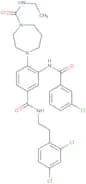
CXCR3 antagonist 6C
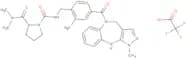
CAS:<p>CXCR3 antagonist 6C is a synthetic small molecule, which is developed through chemical synthesis techniques focusing on specificity and potency. This compound operates as an antagonist to the chemokine receptor CXCR3, effectively blocking its interaction with endogenous ligands. By hindering the receptor signaling pathway, it impedes the downstream cellular responses typically induced by chemokines, such as cellular migration and proliferation.</p>Formula:C30H32Cl3N5O3Purity:Min. 95%Molecular weight:617 g/molLIT-001
CAS:<p>LIT-001 is a lithium-based experimental therapeutic agent, which is synthesized through advanced chemical processes involving lithium isotopes and organic ligands. Its mode of action involves the modulation of intracellular signaling pathways, particularly affecting the phosphoinositide cycle and glycogen synthase kinase-3 (GSK-3) inhibition. This modulation results in neuroprotective, mood-stabilizing, and anti-inflammatory effects.</p>Formula:C30H34F3N7O4SPurity:Min. 95%Molecular weight:645.7 g/molBucindolol
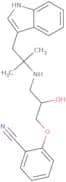
CAS:<p>Bucindolol is a non-selective beta-blocker, which is a synthetic compound with affinity for beta-adrenergic receptors. These receptors are part of the autonomic nervous system and play a crucial role in cardiovascular function. Bucindolol acts by competitively antagonizing beta-1 and beta-2 adrenergic receptors, which results in decreased heart rate, myocardial contractility, and peripheral vascular resistance.</p>Formula:C22H25N3O2Purity:Min. 95%Molecular weight:363.46 g/molGue 1654
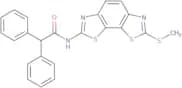
CAS:<p>Please enquire for more information about Gue 1654 including the price, delivery time and more detailed product information at the technical inquiry form on this page</p>Formula:C23H17N3OS3Purity:Min. 95%Molecular weight:447.6 g/molSLF
CAS:<p>SLF-100 is an enzymatic solution, which is derived from a consortium of beneficial microorganisms. This product functions by breaking down organic matter and releasing bound nutrients within the soil, thus enhancing nutrient availability and promoting plant health. The action of SLF-100 is mediated primarily by its enzymatic components, which include cellulase, amylase, and protease, among others. These enzymes work synergistically to degrade complex organic compounds, facilitating the release of macro and micronutrients.</p>Formula:C30H40N2O6Purity:Min. 95%Molecular weight:524.6 g/molBAY-320
CAS:<p>BAY-320 is a pharmaceutical-grade compound, specifically categorized as a contrast agent used in medical imaging techniques such as magnetic resonance imaging (MRI). This agent is synthesized from gadolinium-based complexes, a lanthanide metal known for its paramagnetic properties. These properties enhance the contrast of images produced during MRI scans.</p>Formula:C26H26F2N6O2Purity:Min. 95%Molecular weight:492.5 g/molNCS-382
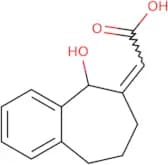
CAS:<p>NCS-382 is a competitive antagonist specifically targeting the γ-hydroxybutyric acid (GHB) receptor, which is a type of biological molecule involved in neuromodulation. It is primarily sourced from synthetic chemical processes in laboratory settings, allowing for precise control over its purity and concentration.</p>Formula:C13H14O3Purity:Min. 95%Molecular weight:218.25 g/molAmiloride hydrochloride
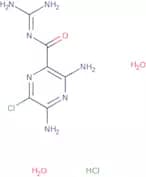
CAS:Controlled Product<p>Sodium channel inhibitor; inhibitor of urokinase-type plasminogen activator</p>Formula:C6H8ClN7O•HCl•(H2O)2Purity:Min. 95%Color and Shape:PowderMolecular weight:302.12 g/molGlyt1 inhibitor 1
CAS:<p>Glyt1 inhibitor 1 is a chemical compound that acts as an inhibitor of the GlyT1 transporter, which is a product of synthetic chemistry. This inhibitor binds selectively to the glycine transporter-1 (GlyT1), a key protein responsible for the reuptake of glycine, an important neurotransmitter, in the central nervous system. By inhibiting GlyT1, this compound increases glycine levels in synaptic clefts, which can enhance N-methyl-D-aspartate (NMDA) receptor activity.</p>Formula:C22H21N5O2Purity:Min. 95%Molecular weight:387.4 g/molNvp-bsk805 trihydrochloride
CAS:<p>Nvp-bsk805 trihydrochloride is a small molecule inhibitor, which is synthesized chemically with a specific mode of action targeting the c-Met receptor tyrosine kinase. This compound acts as an ATP-competitive inhibitor, effectively reducing the phosphorylation of c-Met and subsequently disrupting downstream signaling pathways such as MAPK/ERK and PI3K/AKT. These pathways are critical for cellular processes related to growth, survival, and metastasis in cancer cells.</p>Formula:C27H28F2N6O·3HClPurity:Min. 95%Molecular weight:599.93 g/molYKL-06-061
CAS:<p>YKL-06-061 is a small molecule inhibitor, which is designed to target the chitinase enzyme family, specifically inhibiting the activity of glycoside hydrolase enzymes. This product is synthesized chemically, often utilized in biochemical research settings. Through competitive inhibition, YKL-06-061 binds to the active site of the enzyme, thereby blocking the hydrolysis of chitin into N-acetylglucosamine units. This mode of action makes it a valuable tool for studying the regulation and function of chitinases in various biological processes.</p>Formula:C30H37N7O2Purity:Min. 95%Molecular weight:527.66 g/molAldi-2
CAS:<p>Aldi-2 is a cutting-edge CRISPR-based gene editing tool, which is an engineered ribonucleoprotein complex derived from the Streptococcus pyogenes bacterial immune system. The system operates through the formation of a complex between a guide RNA (gRNA) and the Cas9 protein, facilitating targeted double-strand breaks in DNA sequences. This mode of action relies on the gRNA to provide specificity, directing the Cas9 enzyme to a complementary DNA sequence in the genome, where it induces a precise cut.</p>Formula:C12H16FNO2Purity:Min. 95%Molecular weight:225.26 g/molTPPU
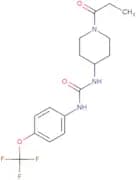
CAS:<p>TPPU is a selective inhibitor of soluble epoxide hydrolase (sEH), which is derived from chemical synthesis. TPPU acts by competitively binding to the sEH enzyme, thereby preventing the conversion of epoxyeicosatrienoic acids (EETs) into their less active dihydroxy derivatives. This inhibition results in elevated levels of EETs, which are known to exhibit vasodilatory, anti-inflammatory, and analgesic properties.</p>Formula:C16H20F3N3O3Purity:Min. 95%Molecular weight:359.34 g/molHOE 32020
CAS:<p>HOE 32020 is a fungicide, which is derived from chemical synthesis. Its primary mechanism involves the inhibition of ergosterol biosynthesis, a crucial component in fungal cell membranes. By disrupting the production of ergosterol, HOE 32020 compromises the integrity of the fungal cell membrane, leading to cell lysis and ultimately the death of the pathogenic fungus.</p>Formula:C25H23ClN6Purity:Min. 95%Molecular weight:442.94 g/molLifirafenib
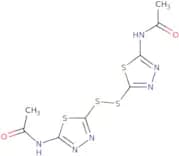
CAS:<p>Lifirafenib is a targeted anticancer therapy, which is a small molecule inhibitor sourced through pharmaceutical development processes. Its mode of action involves the selective inhibition of the RAF kinase family, including B-RAF, which plays a critical role in the MAPK/ERK signaling pathway. By targeting these kinases, Lifirafenib effectively disrupts the aberrant signaling that contributes to tumor growth and survival in certain cancers with mutations such as BRAF V600E.</p>Formula:C25H17F3N4O3Purity:Min. 95%Molecular weight:478.42 g/molBis(2-acetamido-1,3,4-thiadiazol-5-yl) disulfide
CAS:<p>Bis(2-acetamido-1,3,4-thiadiazol-5-yl) disulfide is a synthetic compound, which is derived from the reaction of acetamide and thiadiazole compounds. With the unique structure of the 1,3,4-thiadiazolyl group, this compound exhibits notable bioactive properties, primarily due to its ability to form disulfide bonds. This structural feature allows it to interact with various biological systems, disrupting normal cellular functions.</p>Formula:C8H8N6O2S4Purity:Min. 95%Molecular weight:348.5 g/molKisspeptin 234
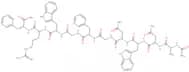
CAS:Kisspeptin 234 is a synthetic peptide, which is derived from the natural peptide ligand known as kisspeptin. Kisspeptin originates from the KISS1 gene, primarily expressed in the hypothalamus. Kisspeptin 234 functions as an antagonist of the kisspeptin receptor (KISS1R or GPR54), altering receptor signaling pathways. By inhibiting KISS1R, it interferes with the regulatory processes of the hypothalamic-pituitary-gonadal (HPG) axis, which is crucial for reproductive and endocrine function.Formula:C63H78N18O13Purity:Min. 95%Molecular weight:1,295.4 g/molPF 05105679
CAS:<p>PF 05105679 is an investigational pharmaceutical compound developed by Pfizer, classified as a selective nicotinic acetylcholine receptor (nAChR) antagonist. It is synthesized through meticulous organic chemistry techniques, representing a targeted approach to modifying neural pathways. The compound functions by selectively inhibiting specific subtypes of nAChRs, which are ligand-gated ion channels integral to synaptic transmission and neurophysiological processes.</p>Formula:C26H21FN2O3Purity:Min. 95%Molecular weight:428.45 g/molLignan P
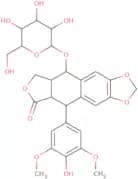
CAS:<p>Lignan P is a phytoestrogen product composed of plant-derived lignans, primarily sourced from flaxseeds and other lignan-rich seeds. These compounds are classified under a group of polyphenolic substances found in high concentrations within the seeds and are notable for their antioxidant properties. The mode of action of Lignan P involves its conversion into enterolignans by gut microbiota, which can mimic the function of human estrogens by binding to estrogen receptors, thereby influencing estrogenic activity within the body. This ability to interact with estrogen pathways makes Lignan P a potential candidate for modulating hormone-related processes.</p>Formula:C27H30O13Purity:Min. 95%Molecular weight:562.5 g/molALS-8112
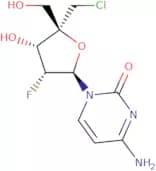
CAS:<p>Please enquire for more information about ALS-8112 including the price, delivery time and more detailed product information at the technical inquiry form on this page</p>Formula:C10H13ClFN3O4Purity:Min. 95%Molecular weight:293.68 g/mol