Organometallic Ligands
In this category, you will be able to find a large number of organometallic molecules used as ligands in biomolecules. These organometallic ligands can be used in organic chemistry and synthesis in the laboratory. They play a critical role in forming coordination complexes and catalyzing various chemical reactions. At CymitQuimica, we offer a diverse selection of high-quality organometallic ligands to support your research and industrial needs.
Subcategories of "Organometallic Ligands"
- Buchwald Ligands(22 products)
- DPEN(4 products)
- DPHEN(4 products)
- JOSIPHOS(4 products)
- Phosphine(497 products)
- Porphirines(75 products)
Found 2887 products of "Organometallic Ligands"
Sort by
Purity (%)
0
100
|
0
|
50
|
90
|
95
|
100
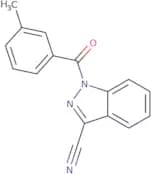
1-(3-Methylbenzoyl)-1H-indazole-3-carbonitrile
CAS:Controlled Product<p>1-(3-Methylbenzoyl)-1H-indazole-3-carbonitrile is a synthetic compound categorized as a designer drug, specifically within the class of synthetic cannabinoids. These compounds are often manufactured to mimic the effects of naturally occurring cannabinoids found in the cannabis plant (Cannabis sativa). They act primarily on cannabinoid receptors, particularly CB1 and CB2 receptors, found throughout the central and peripheral nervous systems.</p>Formula:C16H11N3OPurity:Min. 95%Molecular weight:261.28 g/molBis(7)-tacrine
CAS:<p>Bis(7)-tacrine is a synthetic, dimeric acetylcholinesterase inhibitor, which is derived from the classical Alzheimer's treatment drug, tacrine. This compound functions through a dual-binding mechanism where it efficiently inhibits acetylcholinesterase by binding at two different sites, leading to increased availability of acetylcholine at synapses. Bis(7)-tacrine has been studied for its potential neuroprotective and cognitive-enhancing effects.</p>Formula:C33H42Cl2N4Purity:Min. 95%Molecular weight:565.6 g/molISA-2011B
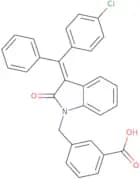
CAS:<p>ISA-2011B is a corrosion inhibitor, which is a synthetic compound designed to minimize or prevent the degradation of metals caused by environmental factors. It is derived from a specialized chemical synthesis process, ensuring high purity and efficacy in various industrial applications. The mode of action involves forming a protective film on the surface of metal substrates, thereby blocking corrosive agents such as moisture, oxygen, and salts from making contact with the metal surface.</p>Formula:C22H18ClN3O4Purity:Min. 95%Molecular weight:423.85 g/molML314
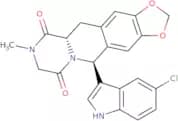
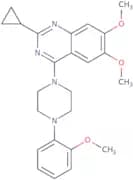
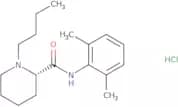
CAS:<p>Please enquire for more information about ML314 including the price, delivery time and more detailed product information at the technical inquiry form on this page</p>Formula:C24H28N4O3Purity:Min. 95%Molecular weight:420.5 g/molLevobupivacaine hydrochloride
CAS:<p>Inhibitor of sodium channels; analgesic</p>Formula:C18H29ClN2OPurity:Min. 95%Color and Shape:PowderMolecular weight:324.89 g/molDisplurigen
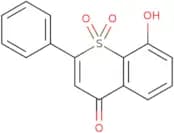
CAS:<p>Displurigen is an advanced immunotherapy agent, engineered from recombinant DNA technology, which is derived from a specifically modified microbial source to act as an immune modulator. By targeting specific receptors on immune cells, it enhances the adaptive immune response, thereby facilitating a robust and sustained activation of T-cells and B-cells. This targeted action leads to improved antigen presentation and subsequent effector function.</p>Formula:C15H10O4SPurity:Min. 95%Molecular weight:286.3 g/molVU 0364439
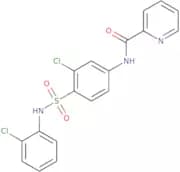
CAS:<p>VU 0364439 is a negative allosteric modulator (NAM) of the metabotropic glutamate receptor 5 (mGlu5), which is sourced from synthetic chemical libraries. Its mode of action involves selectively binding to the mGlu5 receptor, thereby inhibiting its function by interfering with glutamate signaling without competing at the active site. This modulation affects various downstream signaling pathways involved in numerous neurological processes.</p>Formula:C18H13Cl2N3O3SPurity:Min. 95%Molecular weight:422.29 g/molSKI 5C
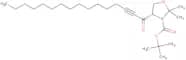
CAS:<p>SKI 5C is a small-molecule inhibitor, which is synthetically derived with a unique mechanism that targets specific signaling pathways involved in cancer cell proliferation. The source of SKI 5C lies in its synthetic chemistry, designed to interact precisely with cellular components that regulate growth signals within cancerous cells. Its mode of action includes the inhibition of key enzymes and receptors involved in these pathways, effectively disrupting the processes that lead to uncontrolled cell division.<br><br>In research and clinical applications, SKI 5C is primarily used to study and potentially treat malignancies characterized by aberrant signaling activities. By selectively targeting cancer cells while sparing normal cells, SKI 5C provides a valuable model for understanding the molecular dynamics of cancer growth and resistance. Its precise intervention in cellular signaling cascades makes it an important tool for experimental therapeutics and biomarker discovery, offering insights into new avenues for targeted oncological therapies. Through its application, SKI 5C contributes to the broader research goals of improving the specificity and efficacy of cancer treatments.</p>Formula:C26H45NO4Purity:Min. 95%Molecular weight:435.64 g/mol9(S)-Hydroxy-10(E),12(Z)-octadecadienoic acid
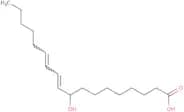
CAS:<p>9(S)-Hydroxy-10(E),12(Z)-octadecadienoic acid is a specialized lipid derivative, classified as an oxidized fatty acid product, specifically a hydroxyoctadecadienoic acid (HODE). It is derived from linoleic acid through the action of lipoxygenases, enzymes that catalyze the dioxygenation of polyunsaturated fatty acids, resulting in regio- and stereospecific hydroxy derivatives.</p>Formula:C18H32O3Purity:Min. 95%Molecular weight:296.4 g/molHeparin cofactor II
CAS:<p>Heparin cofactor II is a serine protease inhibitor (serpin), which is a naturally occurring protein primarily synthesized in the liver. It plays a critical role in the regulation of thrombin, an enzyme involved in blood coagulation. The mechanism of action involves Heparin cofactor II binding to heparin or dermatan sulfate, which significantly enhances its ability to inhibit thrombin by forming a stable complex, thereby reducing thrombin’s activity and preventing the conversion of fibrinogen to fibrin.</p>Purity:90%Prionogenesis inhibitor, daph-12
CAS:<p>Prionogenesis inhibitor, daph-12, is a specialized bioactive compound that functions as a prionogenesis inhibitor. This product is derived from natural sources, specifically isolated through advanced biochemical techniques designed to identify compounds with affinity for misfolded protein structures. Its mode of action involves the selective inhibition of prion protein misfolding and aggregation pathways, effectively preventing the conversion of normal cellular prion proteins into their pathological forms.</p>Formula:C22H19N3O4Purity:Min. 95%Molecular weight:389.4 g/molYLF-466D
CAS:<p>YLF-466D is a synthetic compound, which is an engineered chemical entity designed for biochemical applications. It is typically synthesized through a multi-step chemical process involving specific reagents and catalysts, ensuring precision and purity that meet research-grade standards. Its mode of action involves interaction with specific molecular targets, altering biological pathways to facilitate detailed studies of cellular mechanisms. This makes YLF-466D highly valuable in research settings focused on understanding intricate biochemical processes or developing novel therapeutic strategies.</p>Formula:C29H20ClNO3Purity:Min. 95%Molecular weight:465.93 g/mol3-(4-Oxo-1H-quinazolin-2-yl)-N-[(1S)-1-phenylethyl]propanamide
CAS:<p>3-(4-Oxo-1H-quinazolin-2-yl)-N-[(1S)-1-phenylethyl]propanamide is a synthetic small molecule, which is primarily utilized in the field of medicinal chemistry. This compound is derived through complex organic synthesis, involving the assembly of the quinazoline scaffold, a structure frequently encountered in pharmacologically active agents.</p>Formula:C19H19N3O2Purity:Min. 95%Molecular weight:321.4 g/molFEN1-IN-4
CAS:<p>FEN1-IN-4 is a small-molecule inhibitor, which is a chemically synthesized compound designed to selectively bind and inhibit the activity of Flap Endonuclease 1 (FEN1), a crucial enzyme in DNA replication and repair processes. By targeting FEN1, FEN1-IN-4 effectively interferes with its role in maintaining genomic stability, thereby promoting synthetic lethality in cancer cells that rely heavily on DNA repair mechanisms.</p>Formula:C12H12N2O3Purity:Min. 95%Molecular weight:232.23 g/molIQ-R
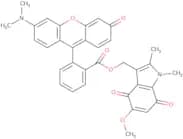
CAS:<p>IQ-R is an advanced nucleic acid detection system, which is an innovative product derived from state-of-the-art molecular biology techniques with a focus on specificity and sensitivity. Its primary mode of action involves the utilization of highly specific probes that hybridize with target nucleic acid sequences, enabling precise detection and quantification even in complex biological samples.<br><br>The IQ-R system is designed for use in a wide range of biochemical and genetic research applications. It is particularly valuable for experiments requiring accurate DNA or RNA analysis, such as gene expression studies, pathogen detection, and genetic variation investigations. The system's advanced design allows for high-throughput capabilities, making it suitable for both small-scale laboratories and large research institutions. Through its robust and reliable technology, IQ-R stands out as a pivotal tool for scientists aiming to achieve precise and reproducible data in their molecular biology research.</p>Formula:C34H28N2O7Purity:Min. 95%Molecular weight:576.6 g/molLorlatinib acetate
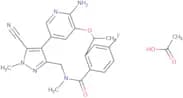
CAS:Controlled Product<p>Lorlatinib acetate is a small-molecule tyrosine kinase inhibitor, which is a synthetic pharmaceutical compound designed to specifically inhibit the activity of anaplastic lymphoma kinase (ALK) and C-ros oncogene 1 (ROS1). This compound is derived through complex chemical synthesis to ensure specificity and potency in its mechanism of action. Lorlatinib acetate functions by selectively binding to the ATP-binding site of ALK and ROS1, leading to the inhibition of downstream signaling pathways that promote tumor cell proliferation and survival. This targeted action results in the interruption of cancer cell growth and the induction of apoptosis in cancer cells harboring ALK and ROS1 aberrations.</p>Formula:C23H23FN6O4Purity:Min. 95%Molecular weight:466.5 g/molHypocrellin B
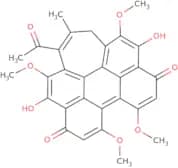
CAS:<p>Hypocrellin B is a photosensitizer, which is a compound capable of generating reactive oxygen species upon light activation. It is derived from the perylenequinone family of compounds, primarily sourced from fungi such as Shiraia bambusicola. The mode of action of Hypocrellin B involves the generation of singlet oxygen and other reactive oxygen species when exposed to specific wavelengths of light. This oxidative process can induce cellular damage, making it effective in targeting abnormal cells.</p>Formula:C30H24O9Purity:Min. 95%Molecular weight:528.51 g/molAcetildenafil
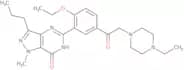
CAS:<p>Synthetic phosphodiesterase inhibitor</p>Formula:C25H34N6O3Purity:Min. 95 Area-%Color and Shape:White PowderMolecular weight:466.58 g/molTLR7/8 agonist 1 dihydrochloride
CAS:<p>TLR7/8 agonist 1 dihydrochloride is a synthetic small molecule compound, which is derived through meticulous chemical synthesis efforts aimed at modulating specific immune pathways. It functions by targeting toll-like receptors 7 and 8 (TLR7/8), which play a crucial role in the innate immune system. By activating these receptors, TLR7/8 agonist 1 dihydrochloride triggers a cascade of immune responses including the production of pro-inflammatory cytokines and type I interferons.</p>Formula:C22H27Cl2N5Purity:Min. 95%Molecular weight:432.39 g/mol2-(2-Acetamido-4-methylvaleramido)-N-(1-formyl-4-guanidinobutyl)-4-methylvaleramide
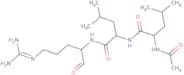
CAS:<p>2-(2-Acetamido-4-methylvaleramido)-N-(1-formyl-4-guanidinobutyl)-4-methylvaleramide is a synthetic compound that functions as an antifungal agent. It is derived from chemical synthesis, allowing precise modifications for enhanced efficacy. This compound acts by inhibiting vital fungal cell processes, disrupting cell wall synthesis, and impeding protein production, ultimately causing cell death.</p>Formula:C20H38N6O4Purity:Min. 95%Molecular weight:426.6 g/molN-[1-(3-Cyclopropyl-1,2,4-oxadiazol-5-yl)cyclohexyl]-2-(2-thienyl)acetamide
CAS:Controlled Product<p>N-[1-(3-Cyclopropyl-1,2,4-oxadiazol-5-yl)cyclohexyl]-2-(2-thienyl)acetamide is a synthetic compound, which is derived from targeted chemical synthesis processes. It is designed to act as a specific modulator within certain biochemical pathways, leveraging its unique structural components for selective binding and activity. The cyclopropyl-oxadiazole moiety is critical for its receptor interaction, while the thienyl-acetamide segment enhances its pharmacokinetic profile.</p>Formula:C17H21N3O2SPurity:Min. 95%Molecular weight:331.4 g/molPT2385
CAS:<p>PT2385 is a small molecule inhibitor, which is derived from pharmaceutical research targeting the hypoxia-inducible factor pathway. It specifically targets and inhibits hypoxia-inducible factor 2 alpha (HIF-2α), a key transcription factor involved in tumor angiogenesis and growth. The mode of action of PT2385 involves binding selectively to the PAS-B domain of HIF-2α, preventing its dimerization and subsequent DNA binding, thereby attenuating hypoxic response gene expression.</p>Formula:C17H12F3NO4SPurity:Min. 95%Molecular weight:383.34 g/molErythro-3,4-dimethyl-α-[1-(methylamino)ethyl]benzylalcohol hydrochloride
CAS:Controlled Product<p>Erythro-3,4-dimethyl-alpha-[1-(methylamino)ethyl]benzylalcohol hydrochloride is a synthetic compound, which is a derivative obtained through intricate chemical synthesis. It functions primarily as a norepinephrine-dopamine reuptake inhibitor, thereby influencing the synaptic levels of these neurotransmitters by blocking their reabsorption into presynaptic neurons, which increases their availability in the synaptic cleft.</p>Formula:C12H19NOPurity:Min. 95%Molecular weight:193.28 g/molH2L 5765834
CAS:<p>Please enquire for more information about H2L 5765834 including the price, delivery time and more detailed product information at the technical inquiry form on this page</p>Formula:C21H12N2O7Purity:Min. 95%Molecular weight:404.3 g/molMMP Inhibitor V
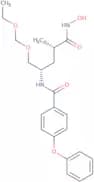
CAS:<p>MMP Inhibitor V is a synthetic compound, which is designed as a selective inhibitor of matrix metalloproteinases (MMPs), a group of zinc-dependent endopeptidases. Derived from chemical synthesis, this inhibitor specifically targets the catalytic sites of MMPs, which are crucial for their enzymatic activity. By chelating the zinc ion at the active site, it effectively hinders the proteolytic function of these enzymes.</p>Formula:C22H28N2O6Purity:Min. 95%Molecular weight:416.47 g/molCrassifolioside
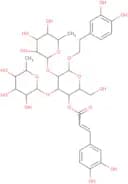
CAS:<p>Crassifolioside is a bioactive saponin-derived compound that is sourced from the Ligularia species, specifically Ligularia vellerea. This compound exhibits a distinct mode of action by interacting with specific cellular pathways to exert anti-inflammatory and antioxidant effects. It achieves this by modulating the activity of enzymes and signaling molecules involved in inflammation and oxidative stress responses.</p>Formula:C35H46O19Purity:Min. 95%Molecular weight:770.7 g/molAKTide-2T
CAS:<p>AKTide-2T is a synthetic peptide, which is designed as a research tool to selectively engage with Akt signaling pathways in cellular models. Synthesized using advanced peptide chemistry, AKTide-2T mimics physiological substrates of Akt, a serine/threonine-specific protein kinase crucial for regulating cellular processes like metabolism, proliferation, and survival.</p>Formula:C74H114N28O20Purity:Min. 95%Molecular weight:1,715.9 g/molOleacein
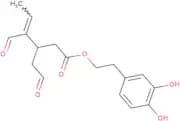
CAS:<p>Oleacein is a phenolic compound, which is a secoiridoid derivative primarily found in olive leaves and extra virgin olive oil. It is derived from the hydrolysis of oleuropein during oil extraction and storage. Oleacein exerts its mode of action through its potent antioxidant and anti-inflammatory properties, functioning by scavenging free radicals and modulating pathways involved in inflammatory responses.</p>Formula:C17H20O6Purity:Min. 95%Molecular weight:320.3 g/molTD-0212
CAS:<p>TD-0212 is a synthesized small molecule, which is derived from a specialized strain of bacterium engineered for enhanced bioactivity. It functions as an antimicrobial agent, primarily targeting gram-positive bacteria by disrupting cell wall synthesis through the inhibition of peptidoglycan polymerization. This targeted mechanism of action results in cell lysis and effectively curbs bacterial proliferation.</p>Formula:C28H34FN3O4SPurity:Min. 95%Molecular weight:527.7 g/molSGC-CK2-1
CAS:<p>SGC-CK2-1 is a molecule that inhibits the activity of casein kinase 2. Casein kinase 2 has been shown to be a drug target for neurodegenerative diseases, which includes Parkinson's disease and Alzheimer's disease. SGC-CK2-1 has shown efficacy in clinical studies as an anticancer agent, although it is not yet known how this drug works at the molecular level. Further research is needed to determine the effects of SGC-CK2-1 on other types of cancer cells, such as glioma or pancreatic cancer cells.</p>Formula:C20H21N7OPurity:Min. 95%Molecular weight:375.43 g/molSb-204070 hydrochloride
CAS:<p>Sb-204070 hydrochloride is a potent and selective endothelin receptor antagonist, which is a synthetic compound developed for research purposes. Synthesized from a laboratory process, it specifically targets the endothelin receptor subtypes, which play a crucial role in various physiological functions related to the cardiovascular system.</p>Formula:C19H27ClN2O4Purity:Min. 95%Molecular weight:382.9 g/molFinasteride acetate
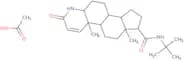
CAS:Controlled Product<p>Finasteride acetate is a synthetic compound classified as a 5-alpha-reductase inhibitor. This compound is derived through organic synthesis processes, allowing precise control over its chemical structure and pharmacological properties. Finasteride acetate functions by competitively inhibiting the enzyme 5-alpha-reductase, which is responsible for the conversion of testosterone to dihydrotestosterone (DHT). This reduction in DHT levels leads to a decrease in the androgenic activity associated with conditions such as benign prostatic hyperplasia (BPH) and androgenetic alopecia.</p>Formula:C25H40N2O4Purity:Min. 95%Molecular weight:432.6 g/molCBL0137 hydrochloride
CAS:<p>CBL0137 hydrochloride is a small molecule anti-cancer agent, which is a synthetic compound derived from curaxins. It acts as an inhibitor of chromatin remodeling. The source of this compound consists of artificial synthesis designed to target molecular pathways involved in cancer cell survival.</p>Formula:C21H25ClN2O2Purity:Min. 95%Molecular weight:372.89 g/molRK-33
CAS:<p>RK-33 is a small molecule inhibitor, which is synthesized as a chemical compound. It functions by targeting and inhibiting the activity of DDX3, a DEAD-box RNA helicase, which plays a crucial role in the modulation of RNA biogenesis and translation processes. By interfering with DDX3, RK-33 disrupts processes essential for the proliferation of certain cancer cells, making it a significant focus in cancer research.<br><br>The compound demonstrates potential therapeutic applications in oncology, particularly in the treatment of cancers showing elevated DDX3 activity. Studies have shown its ability to impede the growth of tumor cells in various cancer models, highlighting its role in enhancing the efficacy of existing therapeutic strategies. Researchers are keenly investigating RK-33's effectiveness in combination therapies to better understand its potential in reducing tumor resistance and improving treatment outcomes. Such investigations could pave the way for developing targeted therapies across diverse types of malignancies where DDX3 is a pivotal factor.</p>Formula:C23H20N6O3Purity:Min. 95%Molecular weight:428.44 g/molFPL-64176
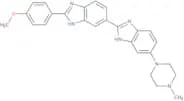
CAS:<p>Please enquire for more information about FPL-64176 including the price, delivery time and more detailed product information at the technical inquiry form on this page</p>Formula:C22H21NO3Purity:Min. 95%Molecular weight:347.41 g/mol6-Methyl-12-[4-(4-methylpiperazin-1-yl)phenyl]-4-(1-methylpyrazol-4-yl)-3,5,8,10-tetrazatricyclo[7.4.0.02,7]trideca-1(9),2,4,6,10,12 -hexaene
CAS:<p>6-Methyl-12-[4-(4-methylpiperazin-1-yl)phenyl]-4-(1-methylpyrazol-4-yl)-3,5,8,10-tetrazatricyclo[7.4.0.0^2,7]trideca-1(9),2,4,6,10,12-hexaene is a synthetic heterocyclic compound, which is developed as part of pharmaceutical research focused on oncology. This compound is synthesized through complex organic chemistry techniques to achieve a unique configuration that interacts with specific biological pathways. Its mode of action involves binding to certain molecular targets within cancer cells, thereby modulating signaling pathways that control cell proliferation, apoptosis, and other critical functions pertinent to tumor growth and metastasis.</p>Formula:C25H26N8Purity:Min. 95%Molecular weight:438.5 g/molDihydrexidine
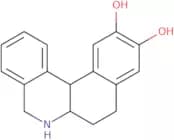
CAS:<p>Dihydrexidine is a selective dopamine receptor agonist, which is synthesized in a laboratory setting. It primarily acts on D1-like dopamine receptors, facilitating an increase in dopaminergic signaling pathways. This increased signaling is achieved through binding and activating specific receptor subtypes that influence numerous neural pathways.</p>Formula:C17H17NO2Purity:Min. 95%Molecular weight:267.32 g/molGSK'962
CAS:<p>GSK'962 is a small molecule phosphodiesterase inhibitor, specifically designed to modulate intracellular signaling pathways by targeting phosphodiesterase enzymes. This compound is synthesized through complex organic chemistry techniques conducted under controlled laboratory conditions. Its primary mode of action involves the inhibition of specific phosphodiesterase enzymes, leading to an increase in intracellular levels of cyclic adenosine monophosphate (cAMP) or cyclic guanosine monophosphate (cGMP). These changes in intracellular signaling cascades have been shown to affect various physiological processes, particularly within neural and cardiovascular systems.</p>Formula:C14H18N2OPurity:Min. 95%Molecular weight:230.31 g/molNPS-1034
CAS:<p>Please enquire for more information about NPS-1034 including the price, delivery time and more detailed product information at the technical inquiry form on this page</p>Formula:C31H23F2N5O3Purity:Min. 95%Molecular weight:551.54 g/mol(4R)-2-Undecyl-4-thiazolidinecarboxylic acid
CAS:<p>(4R)-2-Undecyl-4-thiazolidinecarboxylic acid is a synthetic compound, which is often used as a chemical reagent. Derived from thiazolidine, it is formed through the cyclization of an aldose or ketose with cysteamine. Its mode of action involves the scavenging of free radicals; this thiol-containing compound can neutralize reactive oxygen species, thereby preventing cellular damage.</p>Formula:C15H29NO2SPurity:Min. 95%Molecular weight:287.46 g/molEMD386088
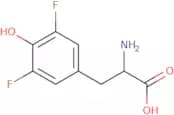
CAS:<p>EMD386088 is a selective phosphoinositide 3-kinase (PI3K) inhibitor, which is a compound of synthetic origin designed to target specific kinases involved in cell signaling pathways. It functions by selectively inhibiting the activity of PI3K enzymes, which play a critical role in multiple cellular processes, including cell growth, proliferation, and survival. Through its mode of action, EMD386088 disrupts the PI3K/AKT/mTOR signaling pathway, a pivotal regulatory axis often implicated in various malignancies.</p>Formula:C14H15ClN2·HClPurity:Min. 95%Molecular weight:283.2 g/mol3,5-Difluoro-L-tyrosine
CAS:<p>3,5-Difluoro-L-tyrosine is a fluorinated amino acid, which is synthesized through chemical modification of L-tyrosine. This compound is a product of organic synthesis processes, typically starting with L-tyrosine, a naturally occurring amino acid, and introducing fluorine atoms at specific positions on the phenyl ring. The introduction of fluorine atoms significantly alters the chemical properties of the tyrosine moiety, allowing it to function as a probe or substitute in various biochemical applications.</p>Formula:C9H9F2NO3Purity:Min. 95%Molecular weight:217.17 g/molMA242
CAS:<p>MA242 is a targeted therapeutic agent, which is derived from advanced biochemical research. It operates through precise interaction with specific cellular targets, altering biochemical pathways that are essential for disease progression. This mode of action distinguishes MA242 as an innovative option within its class of therapeutics, allowing for enhanced efficacy while minimizing off-target effects.</p>Formula:C26H21ClF3N3O5SPurity:Min. 95%Molecular weight:580 g/molPPDA
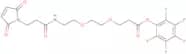
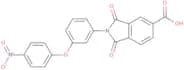
CAS:<p>PPDA is a synthetic chemical compound, which is an aromatic amine derived from aniline through a series of chemical reactions involving nitration and reduction. Its mode of action involves acting as an intermediate or precursor in a variety of organic synthesis processes, playing a pivotal role in the formation of complex organic structures. PPDA's electrophilic properties make it an essential component in producing dyes, polymers, and pharmaceuticals by facilitating specific chemical transformations. Additionally, it demonstrates high reactivity in coupling reactions due to its amine group, enhancing its utility in the synthesis of polymers and advanced materials.</p>Formula:C21H18N2O5Purity:Min. 95%Molecular weight:378.38 g/molPerfluorophenyl 3-(2-(2-(3-(2,5-dioxo-2H-pyrrol-1(5H)-yl)propanamido)ethoxy)ethoxy)propanoate
CAS:<p>Perfluorophenyl 3-(2-(2-(3-(2,5-dioxo-2H-pyrrol-1(5H)-yl)propanamido)ethoxy)ethoxy)propanoate is a specialized chemical compound, belonging to the class of fluorinated organic esters. It is derived synthetically through a series of controlled chemical reactions involving perfluorophenyl groups and functionalized pyrrolidone derivatives. The presence of perfluorinated groups imparts unique physicochemical properties to the compound, including chemical inertness and hydrophobicity.</p>Formula:C20H19F5N2O7Purity:Min. 95%Molecular weight:494.4 g/molHOE 32021
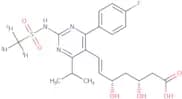
CAS:<p>HOE 32021 is a fungicide, which is developed from synthetic chemical sources with a broad spectrum mode of action. As a multisite inhibitor, it targets several pathways crucial for fungal survival, effectively impeding spore germination and mycelial growth. This mode of action reduces the likelihood of resistance development among targeted pathogens.</p>Formula:C26H26N6OPurity:Min. 95%Molecular weight:438.52 g/molN-Desmethyl Rosuvastatin-d3 Sodium Salt
CAS:Controlled Product<p>N-Desmethyl Rosuvastatin-d3 Sodium Salt is a stable isotope-labeled compound, which is a synthetically produced standard. It serves as an internal standard in analytical chemistry, particularly in pharmacokinetic and metabolism studies. The compound incorporates deuterium atoms, denoted by "d3," which allows researchers to distinguish it from non-labeled equivalents through mass spectrometry techniques.</p>Formula:C21H22D3FN3NaO6SPurity:Min. 95%Molecular weight:492.51 g/moleIF4A3-IN-2
CAS:<p>eIF4A3-IN-2 is a small molecule inhibitor targeting eIF4A3, which is a DEAD-box RNA helicase. This compound is synthesized from a chemical library designed to modulate RNA-binding proteins. Its mode of action involves binding to eIF4A3 to inhibit its helicase activity, thereby disrupting the process of nonsense-mediated mRNA decay and pre-mRNA splicing. This specific inhibition is particularly valuable for exploring the regulation of gene expression at the post-transcriptional level.</p>Formula:C25H19Br2ClN4O2Purity:Min. 95%Molecular weight:602.7 g/mol14-3-3 Ε, Untagged human
CAS:<p>14-3-3 Ε, Untagged human, is a recombinant protein expressed in Escherichia coli, which is derived from human sources. This protein belongs to the 14-3-3 family, known for regulatory roles in diverse biological processes, primarily involving protein-protein interactions that modulate the function of its bound targets.</p>Purity:Min. 95%KT185
CAS:<p>KT185 is an advanced catalytic complex, which is synthesized from proprietary ligand-modified transition metals. It operates by facilitating electron exchange and lowering activation energy, thus optimizing reaction kinetics in various chemical processes. KT185's efficacy in catalyzing complex transformations makes it a versatile tool in industrial settings, including the synthesis of pharmaceuticals, polymers, and fine chemicals. Its robust performance across diverse conditions reduces energy consumption and byproduct formation, making it an invaluable component in modern sustainable manufacturing. The precision enhancement in reaction pathways afforded by KT185 significantly contributes to advancing efficiency in chemical synthesis, aligning with green chemistry principles.</p>Formula:C32H33N5O2Purity:Min. 95%Molecular weight:519.64 g/mol



![3-(4-Oxo-1H-quinazolin-2-yl)-N-[(1S)-1-phenylethyl]propanamide](/_next/image/?url=https%3A%2Fstatic.cymitquimica.com%2Fproducts%2F3D%2Fthumb-webp%2FYID56370.webp&w=3840&q=75)


![N-[1-(3-Cyclopropyl-1,2,4-oxadiazol-5-yl)cyclohexyl]-2-(2-thienyl)acetamide](/_next/image/?url=https%3A%2Fstatic.cymitquimica.com%2Fproducts%2F3D%2Fthumb-webp%2FWFC79479.webp&w=3840&q=75)

![Erythro-3,4-dimethyl-α-[1-(methylamino)ethyl]benzylalcohol hydrochloride](/_next/image/?url=https%3A%2Fstatic.cymitquimica.com%2Fproducts%2F3D%2Fthumb-webp%2FEAA86561.webp&w=3840&q=75)

![6-Methyl-12-[4-(4-methylpiperazin-1-yl)phenyl]-4-(1-methylpyrazol-4-yl)-3,5,8,10-tetrazatricyclo[7…](/_next/image/?url=https%3A%2Fstatic.cymitquimica.com%2Fproducts%2F3D%2Fthumb-webp%2FZXB59075.webp&w=3840&q=75)