


Organometallic Ligands
In this category, you will be able to find a large number of organometallic molecules used as ligands in biomolecules. These organometallic ligands can be used in organic chemistry and synthesis in the laboratory. They play a critical role in forming coordination complexes and catalyzing various chemical reactions. At CymitQuimica, we offer a diverse selection of high-quality organometallic ligands to support your research and industrial needs.
Subcategories of "Organometallic Ligands"
- Buchwald Ligands(22 products)
- DPEN(4 products)
- DPHEN(4 products)
- JOSIPHOS(4 products)
- Phosphine(497 products)
- Porphirines(75 products)
Found 2887 products of "Organometallic Ligands"
Sort by
Purity (%)
0
100
|
0
|
50
|
90
|
95
|
100
Osmanthuside H
CAS:<p>Osmanthuside H is a natural compound, specifically a phenylethanoid glycoside, which is predominantly sourced from the plant Osmanthus fragrans, as well as other related species. This compound is characterized by a specific glycosidic linkage that contributes to its stability and bioactivity. The mode of action of Osmanthuside H primarily involves its significant antioxidant properties, attributed to the presence of its phenolic structure and glycosidic moiety. This facilitates its role in scavenging free radicals and reducing oxidative stress within biological systems.</p>Formula:C19H28O11Purity:Min. 95%Molecular weight:432.4 g/molL-MobileTrex
CAS:<p>L-MobileTrex is an advanced analytical technology platform, which is a product of cutting-edge research in data science and computational modeling. This platform operates by integrating multi-dimensional datasets through sophisticated algorithms, providing enhanced data visualization and interpretability.</p>Formula:C23H23N5O5Purity:Min. 95%Molecular weight:449.46 g/molJ 104129 fumarate
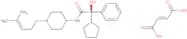
CAS:<p>A novel muscarinic M3 receptor antagonist with high selectivity for M3 over M2 receptors</p>Formula:C24H36N2O2·C4H4O4Purity:Min. 95%Molecular weight:500.63 g/molCAY10727
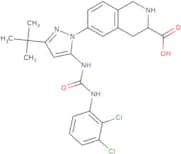
CAS:<p>CAY10727 is a potent biochemical inhibitor, which is derived from synthetic sources with specific action targeting cyclooxygenase-2 (COX-2) enzymes. It functions by selectively blocking the enzymatic activity of COX-2, which plays a critical role in the biosynthesis of prostaglandins involved in inflammatory responses. This targeted inhibition allows the study of COX-2-related pathways without interference from COX-1, which is significant for maintaining gastrointestinal integrity.The use and applications of CAY10727 are primarily in research settings where understanding the pathways involved in inflammation, pain, and cancer progression are critical. This compound is utilized in various in vitro experiments to delineate the role of COX-2 in cellular and molecular contexts, enabling scientists to dissect complex signaling networks. Given its specificity, CAY10727 is instrumental in the development of new therapeutic approaches where selective COX-2 inhibition might offer benefits over non-selective inhibitors.</p>Formula:C21H22Cl2N4O2Purity:Min. 95%Molecular weight:433.3 g/molVS1
CAS:<p>VS1 is a novel synthetic peptide, which is engineered to function as an antimicrobial agent. This peptide originates from recombinant DNA technology, providing a customizable approach to target specific microbial strains. Its mode of action involves the selective disruption of microbial cell membranes, leading to the lysis and consequent death of the target cell. The specificity of VS1 for microbial cells over mammalian cells minimizes off-target effects, making it a highly effective agent for infection control.</p>Formula:C22H20N4O4Purity:Min. 95%Molecular weight:404.42 g/molN-(5-Aminopentyl) methotrexate amide-LC-biotin
<p>N-(5-Aminopentyl) methotrexate amide-LC-biotin is a specialized bioconjugate, derived through the conjugation of methotrexate, an established antifolate drug, with an LC-biotin moiety. This product is synthesized by covalently linking methotrexate, which is known for its role in cancer therapy through the inhibition of dihydrofolate reductase (DHFR), to a biotin moiety via a long-chain spacer. The resultant bioconjugate retains the therapeutic effects of methotrexate, particularly in its ability to interrupt nucleotide synthesis, thereby affecting cell division in rapidly proliferating cancer cells.The inclusion of biotin in the structure allows for facile attachment to avidin or streptavidin-labeled systems, facilitating targeted delivery and enhanced detection in molecular and cellular studies. The primary application of N-(5-Aminopentyl) methotrexate amide-LC-biotin lies in the realm of targeted drug delivery and advanced research into methotrexate metabolism. By leveraging the high affinity of biotin-streptavidin interactions, researchers can effectively study the biodistribution and cellular uptake of methotrexate, advancing cancer therapeutic strategies and providing insights into antifolate drug mechanisms at the molecular level.</p>Formula:C41H59N13O7SPurity:Min. 95%Color and Shape:PowderMolecular weight:878.06 g/mol1,2-Dipalmitoyl-3-dimethylammonium-propane
CAS:<p>1,2-Dipalmitoyl-3-dimethylammonium-propane is a cationic lipid, which is a type of synthetic lipid commonly used in biochemical and biophysical research. It is sourced from chemical synthesis, involving the formulation of lipid molecules with specific chemical modifications to confer particular properties. The mode of action of this compound involves its ability to integrate into lipid bilayers and form liposomes. These liposomes can encapsulate nucleic acids, facilitating their delivery into cells by merging with cell membranes, which is crucial for gene delivery applications.</p>Formula:C37H73NO4Purity:Min. 95%Molecular weight:595.98 g/molFoslevodopa
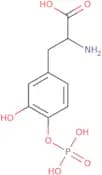
CAS:<p>Foslevodopa is a prodrug that is converted to levodopa in the body. This drug has been shown to be safe and effective for the treatment of Parkinson's disease with minimal side effects, although it does not affect the progression of the disease. Foslevodopa is a synthetic compound that has been synthesized using chemical methods. It can be manufactured in large quantities, making it a scalable pharmaceutical formulation.</p>Formula:C9H12NO7PPurity:Min. 95%Molecular weight:277.17 g/molFR-190809
CAS:<p>FR-190809 is a peptide that acts as an inhibitor of protein interactions. It binds to the receptor and blocks the activation of phospholipase C. FR-190809 also stimulates the production of cyclic AMP, which in turn activates protein kinase A, thereby inhibiting the production of cAMP. FR-190809 has been shown to have a high purity and is used as a research tool for studying protein interactions.</p>Formula:C29H34FN3O6S2Purity:Min. 95%Molecular weight:603.7 g/molCB-1158
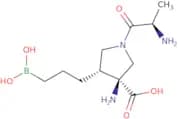
CAS:<p>CB-1158 is an arginase inhibitor, which is a small molecule derived from a synthetic source designed to modulate immune functions. Its mode of action involves the inhibition of the arginase enzyme, a key player in the urea cycle responsible for the hydrolysis of arginine into ornithine and urea. By blocking arginase, CB-1158 effectively prevents the depletion of extracellular arginine, a vital amino acid required for the activation and proliferation of T cells within the immune system. This inhibition leads to enhanced immune responses against tumors.</p>Formula:C11H22BN3O5Purity:Min. 95%Molecular weight:287.12 g/molBCR-ABL-IN-2
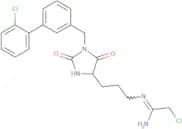
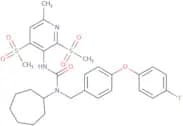
CAS:<p>BCR-ABL-IN-2 is a small molecule inhibitor, which is synthetically derived for precision-targeted therapeutic applications. It functions as a selective inhibitor of the BCR-ABL fusion protein, a tyrosine kinase that is constitutively active in certain leukemias, particularly chronic myeloid leukemia (CML). The product is engineered via chemical synthesis to ensure high specificity and selectivity in binding to the ATP-binding site of the BCR-ABL protein, effectively inhibiting its kinase activity.</p>Formula:C24H25Cl2N5O3Purity:Min. 95%Molecular weight:502.4 g/molPF-06658607
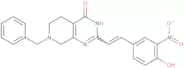
CAS:<p>PF-06658607 is an investigational drug that is classified as a small molecule inhibitor. It is developed from synthetic chemical sources with a specific mode of action targeting aggrecanases, enzymes that degrade aggrecan, a critical component of cartilage. By inhibiting these enzymes, PF-06658607 aims to prevent the breakdown of cartilage in joints.</p>Formula:C27H24N6O2Purity:Min. 95%Color and Shape:PowderMolecular weight:464.5 g/molBL 918
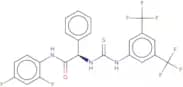
CAS:<p>A potent small-molecule activator of UNC-51-like kinase 1 (ULK1), a serine-threonine kinase involved in autophagy. Promotes cytoprotective autophagy in MPP+-treated SH-SY5Y cells, via the ULK complex. Improves motor dysfunction and reduces loss of dopaminergic neurons, mediated by MPTP, in in vivo models of Parkinson’s disease.</p>Formula:C23H15F8N3OSPurity:Min. 95%Color and Shape:PowderMolecular weight:533.44 g/molRef: 3D-BB165666
Discontinued productTrypsin
CAS:<p>Trypsin (EC 3.4.21.4) is a protease that hydrolyses proteins by cleaving the peptide bond at the carboxyl side of the positively charged amino acid (Lysine or Arginine). Trypsin belongs to a family of serine proteases, as it has a serine in its active site. Trypsin can be inhibited by using trypsin inhibitor Alpha 1 Antitrypsin.</p>Purity:Min. 95%Color and Shape:White PowderRef: 3D-FT74908
Discontinued productTemozolomide - Bio-X ™
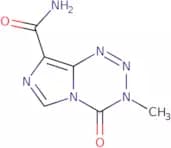
CAS:<p>Temozolomide is an imidazotetrazine alkylating agent. It has anti-tumor activity against a broad spectrum of tumors, such as leukemias, lymphomas and solid tumors. Temozolomide induces G2/M arrest, preventing cells from entering mitosis and, therefore, apoptosis. As a drug resistance-modifying agent it is used for studying drug resistance mechanisms in glioblastoma cell lines.</p>Formula:C6H6N6O2Purity:Min. 98 Area-%Color and Shape:White To Pale Pink SolidMolecular weight:194.15 g/molPHA 793887
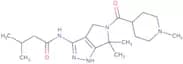
CAS:<p>Inhibitor of cyclin dependend kinases</p>Formula:C19H31N5O2Purity:Min. 95%Color and Shape:SolidMolecular weight:361.24778BMH-7
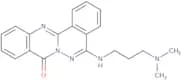
CAS:<p>BMH-7 is a small molecule inhibitor used in molecular biology, which is derived from chemical synthesis methods. It interacts with specific protein domains to disrupt protein-protein interactions within cellular pathways. The mode of action involves binding to target proteins, thereby inhibiting essential interactions that are crucial for the stability and function of multiprotein complexes. This targeted approach allows researchers to dissect complex signaling pathways and understand the underlying mechanisms of cellular functions.</p>Formula:C20H21N5OPurity:Min. 95%Molecular weight:347.41 g/molS 0456 - Bio-X ™
CAS:<p>S 0456 is a fluorescent dye for detecting anhydrase activity. This dye is degradable and can be used for imaging in living cells to detect tumors.</p>Formula:C38H44ClN2Na3O12S4Purity:Min. 95%Color and Shape:PowderMolecular weight:953.45 g/molElafibranor
CAS:<p>Please enquire for more information about Elafibranor including the price, delivery time and more detailed product information at the technical inquiry form on this page</p>Formula:C22H24O4SPurity:Min. 95%Molecular weight:384.49 g/molTAPI-1
CAS:<p>TAPI-1 is an inhibitor of TACE (TNF-α converting enzyme, also known as ADAM17) and matrix metalloproteinases (MMPs). It blocks the shedding of several cell surface proteins, including tumor necrosis factor-alpha (TNF-α), IL-6 receptor, and TNF receptors p60 (TNFRI) and p80 (TNFRII).</p>Formula:C26H37N5O5Purity:Min. 95%Molecular weight:499.6 g/molUM171
CAS:<p>UM171 is a small-molecule compound, which is derived from synthetic chemical processes with properties that enable the expansion of human hematopoietic stem cells (HSCs) in vitro. It acts by targeting and modulating specific cellular pathways to enhance the self-renewal and proliferation of HSCs without inducing differentiation.<br><br>The primary application of UM171 lies in the field of regenerative medicine and transplantation. By facilitating the expansion of HSCs, UM171 holds significant potential in improving the outcomes of bone marrow and cord blood transplants. This is particularly relevant in contexts where donor cell availability is limited or where augmenting the engraftment potential of HSCs is critical. The ability to expand HSCs ex vivo opens avenues for improved treatment of hematological disorders, potentially allowing for more effective and accessible transplant therapies. Researchers are exploring its utility in diverse experimental setups, aiming to translate this compound's capabilities into clinical settings to enhance patient outcomes in hematopoietic recovery and therapy.</p>Formula:C25H27N9Purity:Min. 95%Color and Shape:PowderMolecular weight:453.54 g/molCYM 5541
CAS:<p>CYM 5541 is a selective herbicide, which is synthesized from organic chemical compounds. It functions by interfering with the metabolic processes critical to weed growth and development. Specifically, CYM 5541 targets and inhibits specific enzymes that are essential for cell division and photosynthesis in undesirable plants.<br><br>The primary application of CYM 5541 is in agricultural settings, where it is used to manage weed populations that compete with crops for light, nutrients, and water. It is particularly effective in controlling broadleaf and grassy weeds. Through its precise mode of action, CYM 5541 enables efficient, targeted suppression of non-crop vegetation, thereby maintaining the health and yield of the desired plants. Its use in integrated pest management strategies underscores its role in sustainable farming practices, minimizing the environmental impact while maximizing agricultural productivity.</p>Formula:C19H28N2O2Purity:Min. 95%Molecular weight:316.44 g/molRef: 3D-VMB12826
Discontinued productD-Threonic acid lithium salt
CAS:<p>D-Threonic acid lithium salt is a cell signaling molecule that belongs to the class of ligands. It has been used as a research tool in pharmacology and protein interaction studies. D-Threonic acid lithium salt can activate ion channels, which are cellular membrane proteins that allow ions to flow in or out of cells. D-Threonic acid lithium salt also interacts with receptors, which are proteins on the surface of cells that receive chemical signals from outside the cells. Receptors can be either agonists or antagonists. D-Threonic acid lithium salt is a ligand for receptor tyrosine kinase, which is involved in cell growth and differentiation.</p>Formula:C4H8O5·LiPurity:Min. 95%Ref: 3D-VAA24626
Discontinued productNSC 135130
CAS:<p>NSC 135130 is a synthetic compound that serves as an antioxidant and anti-inflammatory agent. It is derived through chemical synthesis, a process involving the combination of various elements and compounds to produce a novel substance with specific desired properties. The mode of action of NSC 135130 primarily involves the scavenging of free radicals and modulation of inflammatory pathways, thus helping to mitigate oxidative stress and inflammation at the cellular level.</p>Formula:C12H23NO4Purity:Min. 95%Molecular weight:245.32 g/molRef: 3D-ZAA16406
Discontinued productHuman parainfluenza virus type 3, fusion protein, fragment 454-488, acetylated
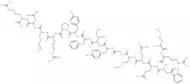
CAS:<p>Human parainfluenza virus type 3, fusion protein, fragment 454-488, acetylated is a synthetic peptide, which is derived from the fusion protein of the Human Parainfluenza Virus Type 3 (HPIV-3). This fragment is produced through chemical synthesis and is acetylated to mimic the natural post-translational modifications that can occur in viral proteins, enhancing its stability and preserving its biological activity.</p>Formula:C183H294N54O59Purity:Min. 95%Molecular weight:4,194.62 g/molRef: 3D-ZGA88194
Discontinued productEPZ020411 2HCl
CAS:<p>EPZ020411 2HCl is a chemical compound known as a potent selective inhibitor of the EZH2 methyltransferase, which is derived from enzymatic development processes involving high-throughput screening and medicinal chemistry optimization. With its mode of action centered on inhibiting the enzymatic activity of EZH2 (enhancer of zeste homolog 2), EPZ020411 2HCl effectively reduces the methylation of histone H3 on lysine 27 (H3K27), a critical process in gene expression regulation. This activity makes it an invaluable tool for studying epigenetic modifications and underlying oncogenic pathways.<br><br>The application of EPZ020411 2HCl is predominantly in the realm of cancer research, particularly in investigating the role of EZH2 in various malignancies, including prostate, breast, and hematopoietic cancers. By targeting and inhibiting EZH2, this compound aids in elucidating mechanisms of cancer progression, potentially leading to advancements in targeted therapeutic strategies. Additionally, it serves as a pivotal reference molecule in the structural and functional studies of histone methyltransferases, contributing to our broader understanding of epigenetic regulation.</p>Formula:C25H40Cl2N4O3Purity:Min. 95%Molecular weight:515.52 g/molRef: 3D-VHD01525
Discontinued productc11 Topfluor phytosphingosine
CAS:<p>C11 TopFluor Phytosphingosine is a fluorescent lipid analog, which is derived from the naturally occurring bioactive lipid, phytosphingosine. This compound incorporates a fluorophore into its structure, facilitating the tracking and visualization of lipid behavior in biological systems through advanced imaging techniques. The structure, with a short yet distinct fluorescent tag, retains the key biological properties of phytosphingosine, thus allowing it to participate in cellular processes similarly to its natural counterpart.</p>Formula:C42H72N3O4F2Purity:Min. 95%Molecular weight:721.04 g/molN-Methylquipazine dimaleate
CAS:<p>N-Methylquipazine dimaleate is a selective ligand product, which is a synthetically produced compound with a specific affinity for serotonin receptors, particularly the 5-HT3 subtype. It is derived from a well-established chemical synthesis process that ensures high purity and consistent activity.</p>Formula:C22H25N3O8Purity:Min. 95%Molecular weight:459.4 g/molRef: 3D-WGA20517
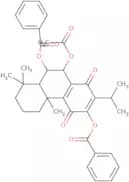
Discontinued product(4bS,8aS,9S,10S)-10-(Acetyloxy)-3,9-bis(benzoyloxy)-4b,5,6,7,8,8a,9,10-octahydro-4b,8,8-trimethyl-2-(1-methylethyl)-1,4-phenanthrene dione
CAS:<p>(4bS,8aS,9S,10S)-10-(Acetyloxy)-3,9-bis(benzoyloxy)-4b,5,6,7,8,8a,9,10-octahydro-4b,8,8-trimethyl-2-(1-methylethyl)-1,4-phenanthrene dione is a potent chemokine molecule that is an agonist of the CXCR2 receptor. It has been shown to inhibit cancer stem cells and chemoattractant production in colon carcinoma cells. This compound selectively targets the translation of lamiaceae mRNA and induces apoptosis in colon carcinoma cells.</p>Formula:C36H38O8Purity:Min. 95%Molecular weight:598.7 g/molPDD 00017272
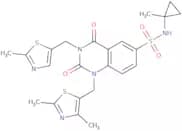
CAS:<p>Please enquire for more information about PDD 00017272 including the price, delivery time and more detailed product information at the technical inquiry form on this page</p>Formula:C23H25N5O4S3Purity:Min. 95%Molecular weight:531.7 g/molRef: 3D-VCD95020
Discontinued productPT2385
CAS:<p>PT2385 is a small molecule inhibitor, which is derived from pharmaceutical research targeting the hypoxia-inducible factor pathway. It specifically targets and inhibits hypoxia-inducible factor 2 alpha (HIF-2α), a key transcription factor involved in tumor angiogenesis and growth. The mode of action of PT2385 involves binding selectively to the PAS-B domain of HIF-2α, preventing its dimerization and subsequent DNA binding, thereby attenuating hypoxic response gene expression.</p>Formula:C17H12F3NO4SPurity:Min. 95%Molecular weight:383.34 g/molRef: 3D-XRC66549
Discontinued productApimostinel
CAS:Apimostinel is a peptide-based therapeutic agent, which is derived from a modification of endogenous neuropeptides. It is designed to selectively modulate the NMDA receptor, a subtype of glutamate receptor, which plays a crucial role in synaptic plasticity and neural communication. Apimostinel functions as a partial agonist of the glycine site on the NMDA receptor. This mechanism supports synaptic strength and plasticity without the excessive activation associated with excitotoxicity, thereby providing potential neuroprotective effects.Formula:C25H37N5O6Purity:Min. 95%Molecular weight:503.6 g/molRef: 3D-WGC86648
Discontinued productAumitin
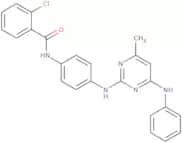
CAS:<p>Aumitin is an innovative compound that is categorized as a bioactive molecule, which is derived from natural sources such as medicinal plants or microorganisms. It exhibits its mode of action through specific interactions with cellular pathways, potentially modulating key processes within the cell. These interactions can lead to alterations in cellular functions such as signaling, metabolism, or growth regulation.</p>Formula:C24H20ClN5OPurity:Min. 95%Molecular weight:429.9 g/molRef: 3D-WMB29378
Discontinued productMots-C
CAS:<p>Mots-C is a mitochondrial-derived peptide, which is encoded by the small open reading frame found within the mitochondrial 12S rRNA. This peptide functions by interacting with the cellular metabolic pathways to enhance mitochondrial bioenergetics and overall cellular metabolism. Mechanistically, Mots-C modulates the folate–methionine cycle, directly impacting glucose regulation and energy utilization, and consequently facilitating cellular adaptation to metabolic stress.</p>Formula:C101H152N28O22S2Purity:Min. 95%Molecular weight:2,174.6 g/molHdhodh-in-1
CAS:<p>Hdhodh-in-1 is an advanced analytical tool designed for conducting multidimensional data analysis, which is sourced from integrative computational methodologies. With a focus on high-dimensional datasets, it operates through a sophisticated algorithm that efficiently processes and integrates various data types, including genomic, proteomic, and metabolomic information.</p>Formula:C17H14N2O2Purity:Min. 95%Molecular weight:278.31 g/molRef: 3D-YWB71542
Discontinued product(2R)-2-[6-(4-Chlorophenoxy)hexyl]-2-oxiranecarboxylic acid sodium
CAS:<p>(+)-Etomoxir sodium salt hydrate is a chemical compound classified as a carnitine palmitoyltransferase 1 (CPT1) inhibitor, which is a compound derived synthetically. Its mode of action involves the inhibition of the enzyme CPT1, which is pivotal in the transport of long-chain fatty acids into the mitochondria for β-oxidation. This inhibition effectively blocks fatty acid oxidation pathways, leading to alterations in metabolic states.Etomoxir is commonly utilized in scientific research to study metabolic processes, particularly those related to energy metabolism and metabolic disorders. It serves as a valuable tool in exploring mechanisms involved in diabetes, obesity, and cardiovascular diseases by allowing researchers to scrutinize the metabolic adaptations to impaired fatty acid oxidation. Furthermore, it is used in cellular and animal models to investigate metabolic inflexibility and mitochondrial function. Its application extends to cancer research, where metabolic reprogramming is a focus, aiding in the understanding of tumor progression and potential therapeutic interventions targeting metabolic pathways.</p>Formula:C15H18ClNaO4Molecular weight:320.74 g/molRef: 3D-BE164435
Discontinued productY-33075
CAS:<p>Y-33075 is a synthetic chemical compound that functions as a selective Rho-associated protein kinase (ROCK) inhibitor, derived from laboratory synthesis processes. It primarily acts by targeting and inhibiting the activity of ROCK, an enzyme that plays a crucial role in modulating cytoskeletal dynamics and cellular contraction through the phosphorylation of downstream substrates. This inhibition effectively reduces smooth muscle contraction, cellular proliferation, and migration by altering the actin cytoskeleton.</p>Formula:C16H16N4OPurity:Min. 95%Molecular weight:280.32 g/molRef: 3D-ZHA43358
Discontinued product















![(2R)-2-[6-(4-Chlorophenoxy)hexyl]-2-oxiranecarboxylic acid sodium](/_next/image/?url=https%3A%2Fstatic.cymitquimica.com%2Fproducts%2F3D%2Fthumb-webp%2FBE164435.webp&w=3840&q=75)
