Organic Halides
Subcategories of "Organic Halides"
Found 20442 products of "Organic Halides"
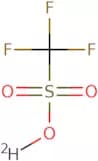
Trifluoromethanesulfonic acid-D
CAS:Controlled ProductTriflic acid is a strong acid that reacts with nucleophiles such as water, alcohols, and amines. It is used in organic synthesis for desulfurization reactions, for example to convert thiophene to benzothiophene. Triflic acid is a synthetic chemical that is prepared by the reaction of sulfur trioxide with chlorotrifluoroethanesulfonyl fluoride. The protonation of the triflic acid molecule generates a sulfide anion. This anion then reacts with a nucleophile (e.g., chloride ion) to generate a chloride anion and regenerate the triflic acid molecule, which can then react again with another nucleophile. The reaction mechanism is shown below: HSOClF + NH3 → HSOClF + NH2Cl HSOClF + Cl- → HSO-Cl- + Cl The reaction mechanism for this process is shown below: HSOCl
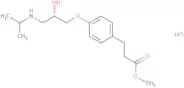
Formula:CDF3O3SPurity:Min. 95%Color and Shape:Clear LiquidMolecular weight:151.08 g/mol(S)-Esmolol hydrochloride
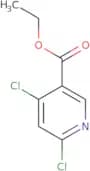
CAS:Controlled Product(S)-Esmolol hydrochloride is an optical isomer of esmolol that is used to treat cardiac arrhythmias. It has a low affinity for beta-adrenergic receptors and has been shown to have a profile of antiarrhythmic effects. The drug also has the ability to block potassium channels, which may be due to its structural similarity to propanolol. (S)-Esmolol hydrochloride can be synthesized from the reaction of ethyl chloroformate with potassium phosphate in alkaline conditions. This optical isomer of esmolol is used as a probe for determining the stereochemistry of other compounds.Formula:C16H25NO4•HClPurity:Min. 95%Molecular weight:331.83 g/molEthyl 4,6-dichloronicotinate
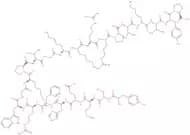
CAS:Ethyl 4,6-dichloronicotinate (EDCN) is a hybrid drug that can be used as a clinical drug for the treatment of cancers. EDCN has been shown to have an antiproliferative effect in hematopoietic cells and tumor cells. It is also able to inhibit tyrosine kinase activity and cellular proliferation by inducing apoptosis. EDCN has been shown to be a potent inhibitor of cancer cell growth in vitro and in vivo, with IC50 values ranging from 1 to 10 μM. This drug is active against leukemia, lymphoma, breast cancer, prostate cancer, colorectal cancer, and other cancers that are sensitive to inhibition by tyrosine kinase inhibitors. EDCN binds reversibly to DNA with high affinity and specificity through hydrogen bonding interactions between the nucleobases on its aromatic ring system and the purine bases on dsDNA. This binding inhibits transcription by blocking access of RNA polymerase II to DNA templatesFormula:C8H7Cl2NO2Purity:Min. 95%Molecular weight:220.05 g/molACTH (2-24) (human, bovine, rat) trifluoroacetate salt
CAS:Please enquire for more information about ACTH (2-24) (human, bovine, rat) trifluoroacetate salt including the price, delivery time and more detailed product information at the technical inquiry form on this page
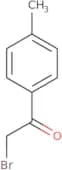
Formula:C133H205N39O29SPurity:Min. 95%Molecular weight:2,846.36 g/mol2-Bromo-4-methylacetaphenone
CAS:2-Bromo-4-methylacetophenone is a synthetic compound that inhibits bacterial growth through acetylation of the aromatic ring. It is used in the synthesis of imidazolidinones, which are a class of antibacterial drugs. 2-Bromo-4-methylacetophenone has shown inhibitory activity against MCF-7 breast carcinoma cells and mononuclear cells. It also has been synthesized from phenacyl bromide and potassium carbonate in anhydrous conditions. The crystal system for 2-bromo-4-methylacetophenone is tetragonal with space group P42/mnm.Formula:C9H9BrOPurity:Min. 95%Molecular weight:213.07 g/molMagnesium perchlorate
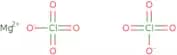
CAS:Magnesium perchlorate is a magnesium salt of perchloric acid. It is a metal chelate that has been reported to be used for detecting water vapor in the atmosphere, and as an electrolyte in electrochemical impedance spectroscopy. Magnesium perchlorate has also been used as a catalyst in chemical reactions. It has a redox potential of -2.8 V and can be used as an oxidizing agent at lower temperatures. In addition, it is sensitive to hydrogen bonding with amines, which can be used for detection purposes.Formula:Cl2MgO8Purity:Min. 95%Molecular weight:223.21 g/mol2-(4-Bromophenyl)piperazine
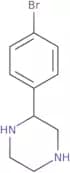
CAS:Please enquire for more information about 2-(4-Bromophenyl)piperazine including the price, delivery time and more detailed product information at the technical inquiry form on this page
Formula:C10H13BrN2Purity:Min. 95%Molecular weight:241.13 g/molMethyl 2-amino-4,6-dichloropyridine-3-carboxylate
CAS:Please enquire for more information about Methyl 2-amino-4,6-dichloropyridine-3-carboxylate including the price, delivery time and more detailed product information at the technical inquiry form on this pageFormula:C7H6Cl2N2O2Purity:Min. 95%Molecular weight:221.04 g/molMebeverine Hydrochloride
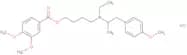
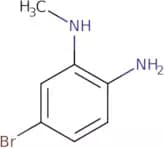
CAS:Controlled ProductMebeverine hydrochloride is a drug that is used to treat bowel disease. It inhibits the contractions of the intestinal tract, which can help relieve symptoms of constipation, diarrhea, and bloating. Mebeverine hydrochloride may also be used in combination with other drugs to treat chronic inflammatory bowel disease. The drug interacts with protocatechuic acid and crystalline cellulose in an adsorption isotherm study. This interaction has been shown to have a significant effect on the polymerase chain reaction (PCR) control analysis of bacterial DNA samples. Mebeverine hydrochloride can cause side effects such as nausea, vomiting, headache, dizziness, or dry mouth. These side effects are more likely when taken with methyl ethyl alcohol or mebeverine. These side effects are also more likely in patients who have liver dysfunction or have a history of an allergic reaction to this drug.Formula:C25H36ClNO5Purity:Min. 95%Color and Shape:White PowderMolecular weight:466.01 g/mol5-Bromo-N1-methylbenzene-1,2-diamine
CAS:Please enquire for more information about 5-Bromo-N1-methylbenzene-1,2-diamine including the price, delivery time and more detailed product information at the technical inquiry form on this pageFormula:C7H9BrN2Purity:Min. 95%Molecular weight:201.06 g/mol4-Chloro-2-Fluorophenyl Isocyanate
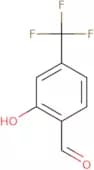
CAS:Please enquire for more information about 4-Chloro-2-Fluorophenyl Isocyanate including the price, delivery time and more detailed product information at the technical inquiry form on this pageFormula:C7H3ClFNOPurity:Min. 95%Molecular weight:171.56 g/mol2-Hydroxy-4-(trifluoromethyl)benzaldehyde
CAS:2-Hydroxy-4-(trifluoromethyl)benzaldehyde is an analgesic and anti-inflammatory agent that belongs to the pyrazole family. It has shown analgesic and anti-inflammatory effects in animal studies. 2-Hydroxy-4-(trifluoromethyl)benzaldehyde has been shown to be a potent inhibitor of cyclooxygenase (COX), which is responsible for prostaglandin synthesis, and as such, may have potential as a treatment for inflammatory conditions such as rheumatoid arthritis. This drug also inhibits the production of nitric oxide, which is involved in vasodilation and increased blood flow. 2-Hydroxy-4-(trifluoromethyl)benzaldehyde has been demonstrated to inhibit COX enzymes by forming a covalent bond with active site serine residues on the enzyme. The docked complex shows hydrogen bonding interactions between the hydroxyl group of 2
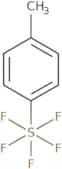
Formula:C8H5F3O2Purity:Min. 95%Molecular weight:190.12 g/mol4-Methyl(pentafluorosulfanyl)benzene
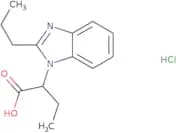
CAS:4-Methyl(pentafluorosulfanyl)benzene is a nitro-containing organic compound that can be synthesized by reacting bromoacetic acid with methylmagnesium chloride. This compound is an experimental intermediate in the synthesis of indazole and its analogs. The synthesis of 4-methyl(pentafluorosulfanyl)benzene has been used as a methodology to study the reactions of heterocyclic systems, as well as for the development of new biomolecules.Formula:C7H7F5SPurity:Min. 95%Color and Shape:Clear LiquidMolecular weight:218.19 g/mol2-(2-Propyl-1H-benzimidazol-1-yl)butanoic acid hydrochloride
CAS:Controlled ProductPlease enquire for more information about 2-(2-Propyl-1H-benzimidazol-1-yl)butanoic acid hydrochloride including the price, delivery time and more detailed product information at the technical inquiry form on this pageFormula:C14H18N2O2Purity:Min. 95%Molecular weight:246.31 g/mol2-Chloro-3-iodopyridine
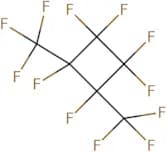
CAS:2-Chloro-3-iodopyridine is an efficient method for the synthesis of various 2-chloro-3-iodopyridines. The reaction is catalyzed by triphosgene, a reagent that is also used in the synthesis of other important heterocycles. In this process, triphosgene reacts with a broad range of primary amines to form chloronitroso derivatives. These compounds are then used to synthesize 2-chloro-3-iodopyridines by reaction with pyridine. The reaction can be run at temperatures as low as -78°C, which has led to its use in bladder cancer research and some other reactions involving aminations or furopyridines.Formula:C5H3ClINPurity:Min. 95%Molecular weight:239.44 g/molPerfluorodimethylcyclobutane
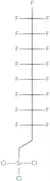
CAS:Controlled ProductPerfluorodimethylcyclobutane is an organic compound that belongs to the class of perfluorinated compounds. It is a polymer film-forming agent with a chemical formula of C5H8F2. The chemical structure of this drug consists of a chlorine atom, two fluorine atoms, and two hydrogen atoms. The molecular weight is 126.7 g/mol. Perfluorodimethylcyclobutane has been used in microcapsules as an analytical chemistry tool and in the development of pharmaceutical drugs for cardiac conditions. This molecule has been used as a chromatographic science analytical method to identify fatty acids in petroleum products and chlorinated solvents.Formula:C6F12Purity:Min. 95%Molecular weight:300.05 g/molTrichloro(1H,1H,2H,2H-heptadecafluorodecyl)silane
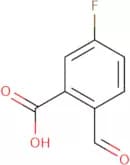
CAS:Controlled ProductTrichloro(1H,1H,2H,2H-heptadecafluorodecyl)silane is a chemical substance that belongs to the group of synthetic substances. It has been shown to have antiviral properties in clinical studies. Trichloro(1H,1H,2H,2H-heptadecafluorodecyl)silane is used to synthesize thymidylate by a two-step process. The first step involves the hydrolysis of sodium hydroxide solution in the presence of hydroxide solution and chemical substances. The second step involves the reaction of synthase enzyme with waveform and water vapor to produce monolayer. This product also has antiviral activity against human pathogens such as HIV and herpes simplex virus type 1 (HSV-1).Formula:C10H4Cl3F17SiPurity:Min. 95%Color and Shape:Clear LiquidMolecular weight:581.56 g/mol5-Fluoro-2-formylbenzoic acid
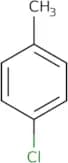
CAS:Please enquire for more information about 5-Fluoro-2-formylbenzoic acid including the price, delivery time and more detailed product information at the technical inquiry form on this pageFormula:C8H5FO3Purity:Min. 95%Molecular weight:168.12 g/mol4-Chlorotoluene
CAS:4-Chlorotoluene is a chemical substance that belongs to the class of p-hydroxybenzoic acid (PAH) and can be found in wastewater treatment. It can be synthesized by reacting hydrogen chloride with 4-chlorophenol. The reaction mechanism is based on the formation of reactive sites at nitrogen atoms, which are activated by kinetic energy in the form of hydrogen bonds. The reaction solution is then cooled to room temperature and mixed with an extraction solvent. This process is followed by a fluorescence detector, which measures the amount of PAHs in the solution.
Formula:C7H7ClPurity:Min. 95%Molecular weight:126.58 g/molPentafluorobenzenethiol
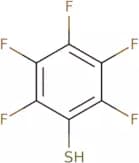
CAS:Pentafluorobenzenethiol is an organosulfur compound that is synthesized by the nucleophilic attack of deuterium on a hydrogenated aliphatic hydrocarbon. It is a colorless liquid with a characteristic low boiling point and high volatility. Pentafluorobenzenethiol has been shown to react with chelate rings and to form irreversible oxidation products. This chemical has analytical applications in the determination of potassium, sodium, and lithium in water samples; it also has semiconductor properties. The diameter of pentafluorobenzenethiol is 6.2 Å, which makes it a low energy aromatic hydrocarbon that can be easily transported through porous media.Formula:C6HF5SPurity:Min. 95%Color and Shape:Colorless Clear LiquidMolecular weight:200.13 g/mol