Organic Halides
In this category, you can find organic molecules containing one or more halogen atoms in their structure. These organic halides include brominated, iodinated, chlorinated, and cyclic halide compounds. Organic halides are widely used in organic synthesis, pharmaceuticals, agrochemicals, and materials science due to their reactivity and ability to undergo a variety of chemical transformations. At CymitQuimica, we offer a comprehensive selection of high-quality organic halides to support your research and industrial applications, ensuring reliable and effective performance in your synthetic and analytical projects.
Subcategories of "Organic Halides"
Found 20440 products of "Organic Halides"
Sort by
Purity (%)
0
100
|
0
|
50
|
90
|
95
|
100
2-Chlorophenylboronic Acid
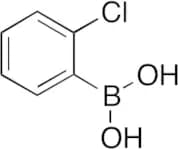
CAS:Controlled Product<p>Applications 2-Chlorophenylboronic Acid used in the preparation of imidazo[1,2-a]pyridine amides which has tuberculostatic activity.<br>References Kang, S., et al.: J. Med. Chem., 57, 5293 (2014);<br></p>Formula:C6H6BClO2Color and Shape:NeatMolecular weight:156.372,3,5,6-Tetrachlorophenol
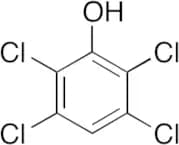
CAS:<p>Applications 2,3,5,6-Tetrachlorophenol is used in the study of the toxicity of halogenated phenols.<br> Not a dangerous good if item is equal to or less than 1g/ml and there is less than 100g/ml in the package<br>References He, G., et al.: Procedia Eng., 43, 204 (2012)<br></p>Formula:C6H2Cl4OColor and Shape:Light BrownMolecular weight:231.89N-Alkyl(C12-16)-N-Benzyl-N,N-Dimethylammonium Chloride (Technical Grade)
CAS:<p>Applications N-Alkyl(C12-16)-N-benzyl-N,N-dimethylammonium chloride, tech. (cas# 68424-85-1) is a useful research chemical.<br></p>Formula:C17H30ClNColor and Shape:ColourlessMolecular weight:283.88Nonanoyl Chloride
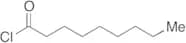
CAS:Controlled Product<p>Applications Nonanoyl Chloride is used in the synthesis of immunosuppressants involving 2-aminoethanols and aminopropane-1,2-diols. Also used in the synthesis of Vanilloids with antinociceptive and antiinflammatory compounds.<br> Not a dangerous good if item is equal to or less than 1g/ml and there is less than 100g/ml in the package<br>References Kiuchi, M. et al.: J. Med. Chem., 43, 2946 (2000); Janusz, J. et al.: J. Med. Chem., 36, 2595 (1993);<br></p>Formula:C9H17ClOColor and Shape:NeatMolecular weight:176.68Perfluoro(methylcyclohexane)
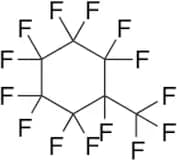
CAS:Controlled Product<p>Applications PERFLUORO(METHYLCYCLOHEXANE) (cas# 355-02-2) is a useful research chemical.<br></p>Formula:C7F14Color and Shape:NeatMolecular weight:350.053-Chlorobenzene-1,2-diamine
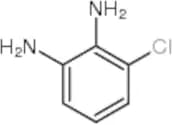
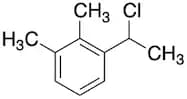
CAS:Controlled Product<p>Applications 3-Chlorobenzene-1,2-diamine<br></p>Formula:C6H7ClN2Color and Shape:NeatMolecular weight:142.591-(2,3-Dimethylphenyl)ethyl Chloride
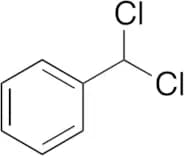
CAS:Controlled Product<p>Applications 1-(2,3-Dimethylphenyl)ethyl Chloride is an impurity of Medetomidine (M203250), an α2-Adrenergic agonist. Sedative; analgesic.<br> Not a dangerous good if item is equal to or less than 1g/ml and there is less than 100g/ml in the package<br>References Scheinin, M., et al.: Br. J. Clin. Pharmacol., 24, 443 (1987), Stenberg, D., et al.: J. Vet. Pharmacol. Ther., 10, 319 (1987), Virtanen, R., et al.: Eur. J. Pharmacol., 150, 9 (1988), Cullen, L.K., et al.: Br. Vet. J., 152, 519 (1996),<br></p>Formula:C10H13ClColor and Shape:Clear Colourless To Dark BrownMolecular weight:168.66a,a-Dichlorotoluene
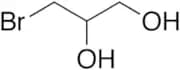
CAS:Controlled Product<p>Applications α,α-Dichlorotoluene is a chemical reagent used in organic synthesis through activation of the chlorinated methyl group. Pesticide component.Environmental toxin on US EPA Toxic Release Inventory list (TRI) list.<br> Not a dangerous good if item is equal to or less than 1g/ml and there is less than 100g/ml in the package<br>References Siwek, A. et al. ChemCatChem., 9, 839 (2017);<br></p>Formula:C7H6Cl2Color and Shape:NeatMolecular weight:161.033-Bromo-1,2-propanediol
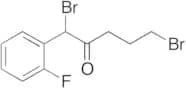
CAS:Controlled Product<p>Applications Glycerol kinase substrate specificity.<br> Not a dangerous good if item is equal to or less than 1g/ml and there is less than 100g/ml in the package<br>References Castro, C., et al.: Biochemistry, 7, 3213 (1968), Janssen, D., et al.: Eur. J. Biochem., 171, 67 (1988), Kurihara, T., et al.: J. Biochem., 117, 1317 (1995),<br></p>Formula:C3H7BrO2Color and Shape:Light YellowMolecular weight:154.991,5-Dibromo-1-(2-fluorophenyl)-2-pentanone
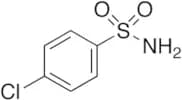
CAS:Controlled Product<p>Applications 1,5-Dibromo-1-(2-fluorophenyl)-2-pentanone is used as a reagent in the synthesis of Prasugrel (P701150) and its intermediates.<br>References Nyulasi, B., et al. PCT Int. Appl. WO 2012052788 A1 20120426. Apr 26, 2012<br></p>Formula:C11H11Br2FOColor and Shape:NeatMolecular weight:338.014-Chlorobenzenesulfonamide
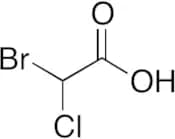
CAS:Controlled Product<p>Applications Anticonvulsant against audiogenic convulsion.<br>References Kim, K., et al.: J. Med. Chem., 51, 5330 (2008), Ruel, R., et al.: Bioorg. Med. Chem. Lett., 18, 2985 (2008),<br></p>Formula:C6H6ClNO2SColor and Shape:NeatMolecular weight:191.64Bromochloroacetic Acid
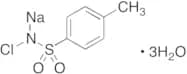
CAS:<p>Applications Bromochloroacetic acid is a halogenated disinfection byproduct commonly found in drinking water, fruit juice, and cheese. Bromochloroacetic acid has been shown to cause mesothelioma, fibroadenomas, and adenomas in rats<br> Not a dangerous good if item is equal to or less than 1g/ml and there is less than 100g/ml in the package<br>References Hang, C., et al.: Sci Total Environ. 543, 425 (2016); Cardador, M. J. and Gallego, M.: Food Chem. 173, 685 (2015); Natl Toxicol Program Tech Rep Ser. 549, 1 (2009)<br></p>Formula:C2H2BrClO2Color and Shape:NeatMolecular weight:173.39Chloramine-T Trihydrate
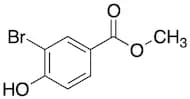
CAS:Controlled Product<p>Applications Chloramine-T Trihydrate is used as a safe and convenient electrocyclisation (oxidizing) agent in the preparation of 8-chloro-[1,2,4]triazolo[4,3-a]pyrazine derivatives.<br> Not a dangerous good if item is equal to or less than 1g/ml and there is less than 100g/ml in the package<br>References Mal, S., et al.: Tetrahedron Lett., 56, 2896-2901 (2015)<br></p>Formula:C7H7ClNO2S·3Na·3H2OColor and Shape:Off-WhiteMolecular weight:736.98Methyl 3-bromo-4-hydroxybenzoate
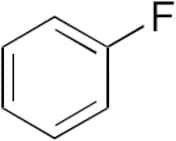
CAS:Controlled Product<p>Applications Methyl 3-bromo-4-hydroxybenzoate<br> Not a dangerous good if item is equal to or less than 1g/ml and there is less than 100g/ml in the package<br></p>Formula:C8H7BrO3Color and Shape:NeatMolecular weight:231.04Fluorobenzene
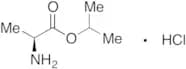
CAS:Controlled Product<p>Applications Fluorobenzene, is an aryl fluorinated building block used in various chemical synthesis. Fluorobenzene is a useful solvent for highly reactive species.<br> Not a dangerous good if item is equal to or less than 1g/ml and there is less than 100g/ml in the package<br>References Flood, D. T., Org. Synth.; Coll., 2, 295 (1943); Perutz, R. N., et al.: Compeh. Organometallic Chem., 1, 725 (2007);<br></p>Formula:C6H5FColor and Shape:NeatMolecular weight:96.10(S)-Isopropyl-2-aminopropanoate Hydrochloride
CAS:<p>Stability Very Hygroscopic<br>Applications (S)-Isopropyl-2-aminopropanoate Hydrochloride, is a chemical reagent used in the synthesis of anti-HCV prodrugs based on imidazotriazine and pyrrolotriazine molecules.<br>References Tyndall, E. Bioorg. Med. Chem. Lett., 25, 869 (2015);<br></p>Formula:C6H13NO2·HClColor and Shape:White SolidMolecular weight:167.6343,5-Dichloro-4-hydroxybenzoic Acid
CAS:Controlled Product<p>Applications 3,5-Dichloro-4-hydroxybenzoic acid (cas# 3336-41-2) is a useful research chemical.<br></p>Formula:C7H4O3Cl2Color and Shape:NeatMolecular weight:207.011,5-Dichloropentane
CAS:Controlled Product<p>Applications 1,5-Dichloropentane is used in bacterial and spontaneous dehalogenation of organic compounds.<br>References Omori, T., et al.: Appl. Environ. Microbiol., 35, 512 (1978)<br></p>Formula:C5H10Cl2Color and Shape:NeatMolecular weight:141.0392-Ethylbutyl Chloroformate
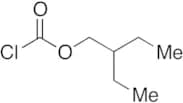
CAS:Controlled Product<p>Stability Moisture Sensitive<br>Applications 2-Ethylbutyl Chloroformate is a possible impurity from the synthesis of Dabigatran etexilate mesylate (D100150).<br> Not a dangerous good if item is equal to or less than 1g/ml and there is less than 100g/ml in the package<br>References Zheng, Y., et al.: Org. Proc. Res. Devel., 18, 744 (2014)<br></p>Formula:C7H13ClO2Color and Shape:NeatMolecular weight:164.63Epichlorohydrin
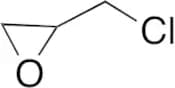
CAS:Controlled Product<p>Applications Epichlorohydrin is used as a solvent for natural and synthetic resins, gums, cellulose esters and ethers, paints, varnishes, nail enamels and lacquers, cement for Celluloid. Also, it is used as stabilizer.<br> Not a dangerous good if item is equal to or less than 1g/ml and there is less than 100g/ml in the package<br>References Smyth, H.F., et al.: J. Ind. Hyg. Toxicol., 30, 63 (1948),<br></p>Formula:C3H5ClOColor and Shape:ColourlessMolecular weight:92.527-Bromoheptanoic Acid
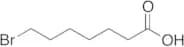
CAS:Controlled Product<p>Applications 7-Bromoheptanoic Acid is a reagent that is used in the synthesis of N-Heptanoic Acid Tianeptine Disodium Salt (H281500) which are metabolite of Tianeptine (T436800), having psychostimulant, anti-ulcer and anti-emetic properties.<br>References Malen, C., et al.: Experientia, 28, 811 (1972), Safa, A., et al.: J. Biol. Chem., 262, 7884 (1987), Ford, J.M., et al.: Pharmacol. Rev., 42, 155, (1990), Pierre, A., et a.: Cancer Res., 51, 2312 (1991),<br></p>Formula:C7H13BrO2Color and Shape:NeatMolecular weight:209.08Magnesium Chloride Anhydrous
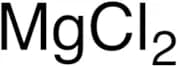
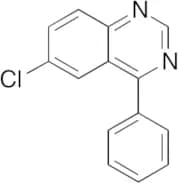
CAS:Controlled Product<p>Stability Very Hygroscopic<br>Applications Magnesium Chloride is used in magnesium replacement therapy for those deficient in magnesium. Effective anaesthetic for cephalopods.<br>References Iezhitsa, I. et al.: Nutr. Neurosci., 14, 10 (2011); Culloty, S. et al.: Aquaculture., 107, 249 (1992);<br></p>Formula:MgCl2Color and Shape:NeatMolecular weight:95.216-Chloro-4-phenylquinazoline
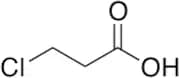
CAS:Controlled ProductFormula:C14H9ClN2Color and Shape:NeatMolecular weight:240.6883-Chloropropionic Acid
CAS:Controlled Product<p>Applications 3-Chloropropionic Acid (cas# 107-94-8) is a useful research chemical.<br> Not a dangerous good if item is equal to or less than 1g/ml and there is less than 100g/ml in the package<br></p>Formula:C3H5ClO2Color and Shape:NeatMolecular weight:108.522-Chloroethylamine Hydrochloride
CAS:Controlled Product<p>Applications 2-Chloroethylamine Hydrochloride is used as a reagent in the synthesis of 6-desfluoroquinolones as potential anti-HIV drugs. Also used as a reagent in the synthesis of ellipticine derivatives as anticancer agents.<br> Not a dangerous good if item is equal to or less than 1g/ml and there is less than 100g/ml in the package<br>References Sancineto, L., et al.: Bioorg. Med. Chem., 22, 4658 (2014); Mori, R., et al.: Eur. J. Med. Chem., 82, 16 (2014)<br></p>Formula:C2H6ClN·ClHColor and Shape:NeatMolecular weight:115.992-[(4-Fluorobenzyl)amino]ethanol (>90%)
CAS:Controlled Product<p>Applications 2-[(4-fluorobenzyl)amino]ethanol (cas# 22116-33-2) is a useful research chemical.<br></p>Formula:C9H12FNOPurity:>90%Color and Shape:NeatMolecular weight:169.196[2-(1,3-Benzoxazol-2-yl)ethyl]amine hydrochloride
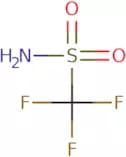
CAS:<p>2-(1,3-Benzoxazol-2-yl)ethyl]amine hydrochloride is a fine chemical that is used as a building block in the synthesis of other chemicals. It can be used as an intermediate in the production of pharmaceuticals and agrochemicals. 2-(1,3-Benzoxazol-2-yl)ethyl]amine hydrochloride is also used to synthesize useful scaffolds and reaction components. This compound has been shown to be stable at high temperatures and has low toxicity.</p>Formula:C9H10N2O·HClPurity:Min. 95%Color and Shape:White PowderMolecular weight:198.65 g/molTrifluoromethanesulfonamide
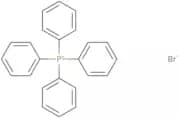
CAS:Trifluoromethanesulfonamide is a strong acid that has been shown to inhibit the proteolytic activity of human secretase. It binds to a specific site on the enzyme and prevents it from cleaving the substrate. This inhibition slows down the progression of Alzheimer's disease, Parkinson's disease, and other related disorders. Trifluoromethanesulfonamide has also been shown to bind to metal hydroxides, such as iron hydroxide, which may be due to its ability to form hydrogen bonds with these metals. Structural analysis reveals that trifluoromethanesulfonamide contains a pyrazole ring and two chlorine atoms, one in the para position and one in the meta position.Formula:CH2F3NO2SColor and Shape:PowderMolecular weight:149.09 g/molTetraphenylphosphonium bromide
CAS:Tetraphenylphosphonium bromide (TPB) is a quaternary ammonium salt that inhibits bacterial growth. TPB is a membrane-active agent that interacts with the cell nucleus and alters the properties of DNA in the mitochondria. It has shown efficacy against various antimicrobial agents, including antibiotics, by interfering with their transport across the cell membrane. The optimal concentration of TPB is 25-50 μM, which shows the best effect on bacterial growth. In addition to its antimicrobial activity, TPB also has been shown to inhibit drug transporters, such as P-glycoprotein and MRP1, which are involved in transporting drugs out of cells.Formula:C24H20BrPColor and Shape:PowderMolecular weight:419.29 g/mol3-Fluoro-6-nitrobenzoic acid ethyl ester
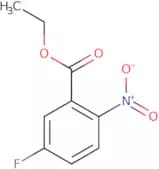
CAS:<p>3-Fluoro-6-nitrobenzoic acid ethyl ester is a high quality chemical that is used as an intermediate in the synthesis of complex compounds. It is also a useful scaffold for the synthesis of other compounds and can be used as a building block in the production of speciality chemicals. 3-Fluoro-6-nitrobenzoic acid ethyl ester has many reactions that it participates in, such as being a reaction component for the synthesis of pharmaceuticals and agrochemicals. This compound is versatile enough to be used in research or for commercial purposes.</p>Formula:C9H8FNO4Purity:Min. 95%Color and Shape:PowderMolecular weight:213.16 g/molMethyl 3,5-dibromo-2-hydroxybenzoate
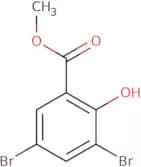
CAS:Methyl 3,5-dibromo-2-hydroxybenzoate is a fine chemical that can be used as a building block for research chemicals, reagents or speciality chemicals. It is a versatile intermediate that can be used in the synthesis of complex compounds. Methyl 3,5-dibromo-2-hydroxybenzoate is also a useful scaffold for the synthesis of natural products, pharmaceuticals and agrochemicals. This compound also has CAS No. 21702-79-4.Formula:C8H6Br2O3Purity:Min. 95%Color and Shape:PowderMolecular weight:309.94 g/molDimethyl [2-oxo-3-[3-(trifluoromethyl)phenoxy]propyl]phosphonate
CAS:<p>Please enquire for more information about Dimethyl [2-oxo-3-[3-(trifluoromethyl)phenoxy]propyl]phosphonate including the price, delivery time and more detailed product information at the technical inquiry form on this page</p>Formula:C12H14F3O5PPurity:Min. 95%Color and Shape:Clear Liquid PowderMolecular weight:326.21 g/mol2,4-Dichloro-6-hydroxybenzaldehyde
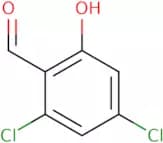
CAS:<p>2,4-Dichloro-6-hydroxybenzaldehyde is a potential antineoplastic agent that inhibits mitochondrial function and induces apoptosis. This drug blocks the mitochondrial membrane potential and inhibits ATP production by blocking the mitochondrial respiratory chain complexes I and III. 2,4-Dichloro-6-hydroxybenzaldehyde has been shown to inhibit tumor cell growth in culture and in animal models of cancer. It also selectively kills tumor cells with low levels of cisplatin resistance through concurrent inhibition of mitochondria and caspase activation.<br>2,4-Dichloro-6-hydroxybenzaldehyde binds to both the inner membrane of mitochondria and to the plasma membrane of cancer cells, thereby inhibiting their function.</p>Formula:C7H4Cl2O2Purity:Min. 95%Color and Shape:PowderMolecular weight:191.01 g/mol3-Bromo-4-fluorobenzonitrile
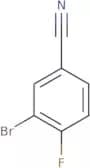
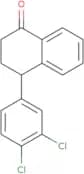
CAS:<p>3-Bromo-4-fluorobenzonitrile is a pyridine derivative that is used as a reactant in the synthesis of pharmaceuticals and other organic compounds. It can be prepared by reacting a bromine with an aminopyridine, followed by reaction with morpholine to form the desired product. The efficiency of this compound has been demonstrated in vivo, where it showed significant catalytic activity and was found to be selective for the desired product. 3-Bromo-4-fluorobenzonitrile has also been shown to have pharmaceutical properties, such as coordination and ligand profiles, which are important for drug development.</p>Formula:C7H3BrFNPurity:Min. 95%Color and Shape:White PowderMolecular weight:200.01 g/mol4-(3,4-Dichlorophenyl)-1-tetralone
CAS:<p>4-(3,4-Dichlorophenyl)-1-tetralone (4DCP) is a solvent that can be used for the preparation of tetrahydrofuran and benzohydrazide. It is also an important intermediate in organic synthesis. 4DCP is obtained by the reaction of 3,4-dichloroacetophenone with sodium methoxide in methanol. The use of 4DCP as a solvent has been shown to produce significant cytotoxicity against cells in culture. 4DCP has been shown to have antidepressant effects, which may be due to its ability to inhibit monoamine oxidase A (MAO-A).</p>Formula:C16H12Cl2OPurity:Min. 95%Color and Shape:PowderMolecular weight:291.17 g/molSemicarbazide hydrochloride
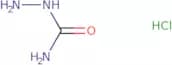
CAS:<p>Semicarbazide hydrochloride (SCH) is a pyrazole compound that has been used as an antimicrobial agent. It is also a potent inhibitor of the enzyme acetylcholinesterase, which is involved in the transmission of nerve impulses to muscles. SCH has been shown to inhibit bacterial growth in vitro and in vivo by interfering with DNA replication and protein synthesis. SCH’s inhibitory properties have been demonstrated using nitrogen atoms as analytical markers. The semicarbazide moiety can be removed from SCH by treatment with anhydrous sodium hydroxide, which leaves the reactive group intact. This process can be used to analyze SCH’s structure and determine its genotoxic activity.</p>Formula:CH6ClN3OPurity:Min. 95%Color and Shape:PowderMolecular weight:111.019944-Iodocinnamic acid
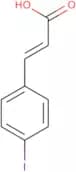
CAS:<p>4-Iodocinnamic acid is a mesomorphic, supramolecular organic acid that has potent cytotoxicity against cancer cells. It is also an analogue of the natural product cinnamic acid. 4-Iodocinnamic acid binds to the active site of the enzyme DNA polymerase and inhibits DNA synthesis by preventing the incorporation of deoxynucleotide triphosphates into synthesized DNA chains. The compound has been shown to have strong antimicrobial activity against Gram-positive bacteria such as Staphylococcus aureus, Enterococcus faecalis, and Bacillus cereus. 4-Iodocinnamic acid is also an effective inhibitor of cancer cell proliferation and induces apoptosis in these cells.</p>Formula:C9H7IO2Purity:Min. 95%Color and Shape:PowderMolecular weight:274.06 g/molN8-Acetylspermidine dihydrochloride
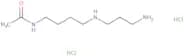
CAS:<p>N8-Acetylspermidine dihydrochloride is a reagent, complex compound, useful intermediate, and speciality chemical. It is a fine chemical that is used in the synthesis of other compounds such as pharmaceuticals and agrochemicals. N8-Acetylspermidine dihydrochloride is a versatile building block for the synthesis of complex molecules. This compound can be used as a reaction component in organic synthesis reactions because it reacts with many different types of compounds. N8-Acetylspermidine dihydrochloride has CAS No. 34450-15-2 and is listed on the Chemical Abstract Service (CAS) registry.</p>Formula:C9H21N3O·2ClHPurity:Min. 95%Color and Shape:White Off-White PowderMolecular weight:260.2 g/mol3,5,3',5'-Tetraiodo thyrolactic acid
CAS:3,5,3',5'-Tetraiodo thyrolactic acid is a fine chemical that belongs to the group of useful building blocks. It is a reagent and speciality chemical. 3,5,3',5'-Tetraiodo thyrolactic acid can be used as a reaction component in the synthesis of pharmaceuticals and other organic molecules. This compound is also versatile and can be used as a scaffold for developing new analogues. 3,5,3',5'-Tetraiodo thyrolactic acid has excellent quality and purity with CAS No. 7069-47-8.Formula:C15H10I4O5Purity:Min. 95%Color and Shape:PowderMolecular weight:777.85 g/mol2-(R)-[1-(R)-(3,5-Bis(trifluoromethyl)phenyl)ethoxy]-3-(S)-fluorophenylmorpholine
CAS:2-(R)-[1-(R)-(3,5-Bis(trifluoromethyl)phenyl)ethoxy]-3-(S)-fluorophenylmorpholine is a fine chemical with high quality. It has been used as a versatile building block in organic synthesis. 2-(R)-[1-(R)-(3,5-Bis(trifluoromethyl)phenyl)ethoxy]-3-(S)-fluorophenylmorpholine is a useful scaffold and can be used as a reaction component in the synthesis of other compounds. This compound is also an intermediate for the preparation of more complex compounds. CAS No. 171338-27-5Formula:C20H18F7NO2Purity:Min. 95%Color and Shape:Yellow PowderMolecular weight:437.35 g/mol4-Iodo-3-nitro-1-(trifluoromethyl)benzene
CAS:<p>4-Iodo-3-nitro-1-(trifluoromethyl)benzene is a versatile building block in organic synthesis. It is an excellent reagent for the preparation of valuable heterocycles and complex molecules, such as spirocyclic amines, quinolines, benzooxazoles, and benzothiazoles. 4-Iodo-3-nitro-1-(trifluoromethyl)benzene is also used for the protection of reactive groups and as a temporary protecting group for alcohols. This chemical has CAS number 40097-5 and can be used as a research chemical or speciality chemical.</p>Formula:C7H3F3INO2Purity:Min. 95%Color and Shape:PowderMolecular weight:317 g/mol2,3,4,5-Tetrafluorobenzoic acid ethyl ester
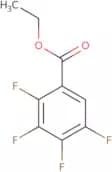
CAS:<p>2,3,4,5-Tetrafluorobenzoic acid ethyl ester is a fine chemical that is useful in the synthesis of complex compounds. It is a versatile building block with many potential applications in research and as a reagent. 2,3,4,5-Tetrafluorobenzoic acid ethyl ester has been shown to have high purity and quality. This compound can be used as a reaction component for other chemical reactions and as an intermediate for the production of pharmaceuticals. CAS No. 122894-73-9</p>Formula:C9H6F4O2Purity:Min. 95%Molecular weight:222.14 g/molBenzoylphenylalanyllysine fluoromethane
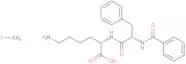
CAS:Controlled Product<p>Benzoylphenylalanyllysine fluoromethane is a competitive anticoagulant that inhibits the action of kallikrein, an enzyme involved in the activation of factor XII. This drug is used to prevent or treat thrombosis and embolism. It has been shown to be effective in vitro against coagulation factors II, VII, IX, X, XI, XII and XIII. Benzoylphenylalanyllysine fluoromethane is not metabolized by cysteine proteinase and does not interact with norvaline.</p>Formula:C23H30FN3O4Purity:Min. 95%Molecular weight:431.5 g/mol2,4-Difluoro-3-hydroxybenzoicacid
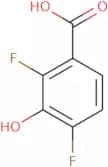
CAS:<p>2,4-Difluoro-3-hydroxybenzoic acid is a benzene derivative that is used as a medicine. It can be prepared by methoxylation and deamination reactions. 2,4-Difluoro-3-hydroxybenzoic acid is an intermediate in the synthesis of other medicines.</p>Formula:C7H4F2O3Purity:Min. 95%Molecular weight:174.1 g/mol3-Hydroxy-4-iodobenzyl alcohol
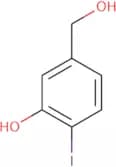
CAS:<p>3-Hydroxy-4-iodobenzyl alcohol is a nucleophile that can be used as an affinity label for proteins and nucleic acids. 3-Hydoxy-4-iodobenzyl alcohol is capable of disrupting the linker between two molecules, which allows for analysis of protein/nucleic acid interactions. 3-Hydroxy-4-iodobenzyl alcohol can be used to label molecules, but it is not covalently bound to them. It has been shown to show tumor growth inhibition in glioma cells, which may be due to its ability to disrupt factor 1, a transcription factor that regulates cell proliferation and differentiation.</p>Formula:C7H7IO2Purity:Min. 95%Color and Shape:PowderMolecular weight:250.03 g/mol4-Fluoro-L-Tryptophan
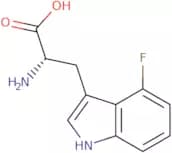
CAS:<p>4-Fluoro-L-tryptophan is an amino acid that is used in the synthesis of proteins. It has a number of uses in molecular biology, including the study of phosphatases, tryptophan synthetase, and mutant strains. 4-Fluoro-L-tryptophan can be used to study the interaction between subunits of these enzymes and to determine kinetic parameters. This compound has been shown to interact with magnetic resonance spectroscopy (NMR) and fluorescence measurements. The biosynthesis of 4-fluoro-L-tryptophan involves two steps: (1) incorporation into protein by tryptophanyl tRNA synthetase; and (2) conversion to tryptamine by phosphatase enzyme.</p>Formula:C11H11FN2O2Purity:Min. 95%Molecular weight:222.22 g/mol2-Nitro-4'-chloro diphenylsulfide
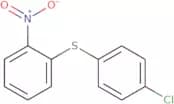
CAS:<p>2-Nitro-4'-chloro diphenylsulfide is a versatile intermediate that is used in the synthesis of a variety of other compounds. It is an important reagent in organic synthesis and has been shown to be useful as a building block for the synthesis of complex compounds with various functional groups. 2-Nitro-4'-chloro diphenylsulfide has been shown to participate in many different reactions, including nucleophilic substitution, elimination, condensation, and oxidation. This chemical is a fine chemical that can be used for research purposes.</p>Formula:C12H8ClNO2SPurity:Min. 95%Color and Shape:PowderMolecular weight:265.72 g/molPhenoprolamine hydrochloride
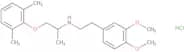
CAS:<p>Phenoprolamine hydrochloride is a synthetic polymerase chain reaction (PCR) enhancer that enhances the efficiency of DNA replication. It can be used as an alternative to dithiothreitol and is not subject to the same limitations, such as toxicity and interference with other enzymes. Phenoprolamine hydrochloride has been shown to increase cardiac contractility in rats, although it may cause a decrease in heart rate. This agent also has been shown to improve prognosis for colorectal adenocarcinoma patients, as well as inhibit the growth of several carcinoma cell lines. This drug binds to enzymes involved in the synthesis of ester linkages, which are necessary for nucleic acid synthesis.</p>Formula:C21H29NO3•HClPurity:Min. 95%Color and Shape:White To Off-White SolidMolecular weight:379.92 g/mol





![2-[(4-Fluorobenzyl)amino]ethanol (>90%)](/_next/image/?url=https%3A%2Fstatic.cymitquimica.com%2Fproducts%2FTR%2Fthumb-webp%2FB434993.webp&w=3840&q=75)
![[2-(1,3-Benzoxazol-2-yl)ethyl]amine hydrochloride](/_next/image/?url=https%3A%2Fstatic.cymitquimica.com%2Fproducts%2F3D%2Fthumb-webp%2FFB123800.webp&w=3840&q=75)

![Dimethyl [2-oxo-3-[3-(trifluoromethyl)phenoxy]propyl]phosphonate](/_next/image/?url=https%3A%2Fstatic.cymitquimica.com%2Fproducts%2F3D%2Fthumb-webp%2FFD46172.webp&w=3840&q=75)

![2-(R)-[1-(R)-(3,5-Bis(trifluoromethyl)phenyl)ethoxy]-3-(S)-fluorophenylmorpholine](/_next/image/?url=https%3A%2Fstatic.cymitquimica.com%2Fproducts%2F3D%2Fthumb-webp%2FFB18758.webp&w=3840&q=75)