Organic Halides
Subcategories of "Organic Halides"
Found 20440 products of "Organic Halides"
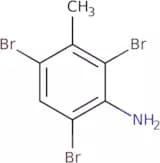
3-Amino-2,4,6-tribromotoluene
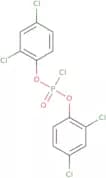
CAS:3-Amino-2,4,6-tribromotoluene is a reactive organic compound that is a highly flammable additive. It has been used as an oxidizing agent in the production of polymeric materials and as a catalyst in the vulcanization of rubber. 3-Amino-2,4,6-tribromotoluene can react with hydrogen peroxide to form bromophenols and hydrochloric acid. When heated or exposed to light, 3-amino-2,4,6-tribromotoluene can produce toxic fumes such as hydrogen bromide and phosphorus pentoxide. This substance has been shown to be toxic to animals and humans if ingested or inhaled.Formula:C7H6Br3NPurity:Min. 95%Color and Shape:PowderMolecular weight:343.84 g/molBis(2,4-dichlorophenyl) chlorophosphate
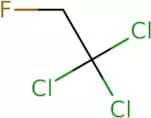
CAS:Bis(2,4-dichlorophenyl) chlorophosphate is a surfactant that is used in the production of ammonium hexafluorophosphate. It is also used in the manufacture of alcohols and deionized water. Bis(2,4-dichlorophenyl) chlorophosphate has been shown to be an effective reagent for the synthesis of fluorophosphates.Formula:C12H6Cl5O3PPurity:Min. 95%Color and Shape:White To Off-White SolidMolecular weight:406.41 g/mol1,1,1-Trichloro-2-Fluoroethane
CAS:Controlled Product1,1,1-Trichloro-2-Fluoroethane (TCFE) is a low volatility, colorless liquid that is used as an oxidation catalyst in the production of polymers and resins. TCFE can be used to produce hydrochloric acid and hydrogen fluoride when heated with a mixture of water and hydrochloric acid. It also has been shown to have a depressant effect on n-dimethyl formamide polymerization. The toxicity of TCFE has been studied extensively over the past two decades. This chemical has been shown to cause cancer in laboratory animals and to be toxic for humans. TCFE has also been shown to inhibit growth factor signaling pathways in cells.
Formula:C2H2Cl3FPurity:Min. 95%Molecular weight:151.39 g/mol2-Amino-3-methoxybenzoic acid hydrochloride
CAS:2-Amino-3-methoxybenzoic acid hydrochloride is a synthetic monosubstituted hydroxy analog of the natural alkaloids, which are substituted with an amino group. It is produced by the demethylation of 2-amino-3-hydroxypyridine and reacts with caprolactam to form 2,6-dihydroxybenzaldehyde. It has been used in the synthesis of methoxyanthranilic acid, which is a synthetic analogue of anthranilic acid. Hydrochloric acid can be added to 2-amino-3-methoxybenzoic acid hydrochloride to produce 2,6-dihydroxybenzoyl chloride. This compound also undergoes condensation reactions with methoxyanthranilic acid to form 2,6-dimethoxybenzaldehyde.
Formula:C8H9NO3•HClPurity:Min. 95%Color and Shape:PowderMolecular weight:203.62 g/mol2-Piperazin-1-ylnicotinamide dihydrochloride
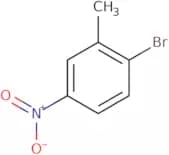
CAS:Please enquire for more information about 2-Piperazin-1-ylnicotinamide dihydrochloride including the price, delivery time and more detailed product information at the technical inquiry form on this pageFormula:C10H14N4OPurity:95%MinColor and Shape:PowderMolecular weight:206.24 g/mol2-Bromo-5-nitrotoluene
CAS:2-Bromo-5-nitrotoluene is a monosubstituted aromatic compound with a pKa of -2.5. The hydroxyl group on the ring makes this compound acidic, and it will readily react with an electrophile to form an addition product. 2-Bromo-5-nitrotoluene undergoes reductive elimination to form 2-aminoethanol, which is more stable than the nitroso group. The mechanism of this reaction involves labile intermediates that are sensitive to light and heat. The frequency data for 2-bromo-5-nitrotoluene can be found in the table below: 2H NMR (400 MHz, CDCl) δ 7.60 (d, J=8 Hz, 1H), 7.50 (dd, J=8 Hz, 1H), 3.80 (s, 3H). 1H NFormula:C7H6BrNO2Purity:Min. 95%Color and Shape:PowderMolecular weight:216.03 g/mol3-Trifluoroacetyl-D-Camphor
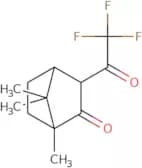
CAS:3-Trifluoroacetyl-D-camphor is a ligand that binds to the quinine site on the mitochondrial membrane potential. It has been shown to have synergistic effects with metal chelates in cancer treatments. 3-Trifluoroacetyl-D-camphor is also a phosphorescent compound that emits photons when excited by light. The emission of light can be used as a probe for determining mitochondrial membrane potential and as a luminophore in devices such as gas sensors. 3-Trifluoroacetyl-D-camphor is found in the mitochondrial membranes of HL60 cells, and its concentration increases when mitochondria are exposed to hydrogen phosphine.
Formula:C12H15F3O2Purity:Min. 95%Color and Shape:Clear LiquidMolecular weight:248.24 g/mol4-Amino-2-chlorobenzoic acid - 98%
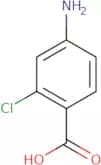
CAS:4-Amino-2-chlorobenzoic acid (4ACBA) is a pharmaceutical chemical that is used in the preparation of pharmaceutical preparations. 4ACBA has been shown to be absorbed through the maternal blood and have an inhibitory effect on rat sciatic nerve. The uptake of 4ACBA was found to be dose dependent, with a maximum concentration reached after 30 minutes. The pharmacokinetic properties of 4ACBA have been shown to be nonlinear, with plasma concentrations decreasing as dosage increases.Formula:C7H6ClNO2Purity:Min. 95%Color and Shape:PowderMolecular weight:171.58 g/mol3,4-Difluoro-5-(trifluoromethyl)benzoic acid
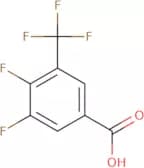
CAS:3,4-Difluoro-5-(trifluoromethyl)benzoic acid is a fine chemical that is used as a versatile building block for the synthesis of complex compounds. It is an intermediate product in the production of pharmaceuticals, such as 3,4-Difluoro-5-(trifluoromethyl)benzonitrile and 3,4-Difluoro-5-(trifluoromethyl)benzamide. This compound has been shown to be useful in the preparation of research chemicals and speciality chemicals.Formula:C8H3F5O2Purity:Min. 95%Color and Shape:White PowderMolecular weight:226.1 g/mol4-Bromophenylhydrazine hydrochloride
CAS:4-Bromophenylhydrazine hydrochloride is a hydroxylated phenylhydrazine derivative that is used as an inhibitor of the enzyme tyrosinase. It has been shown to have significant antiproliferative activity against various cancer cell lines in vitro. 4-Bromophenylhydrazine hydrochloride has undergone extensive chemical study and its molecular structure has been elucidated by means of computational methods. The compound inhibits human tyrosinase by cleaving the C-C bond between the hydroxyl group and the phenyl ring, inhibiting tyrosinase activity and preventing melanin production. This process is reversible, so it can be used to maintain skin pigmentation at a desired level. 4-Bromophenylhydrazine hydrochloride also inhibits other enzymes that are related to pigment production, such as chymotrypsin and trypsin.Formula:C6H7BrN2•HClPurity:Min. 95%Molecular weight:223.5 g/molPalmatine chloride
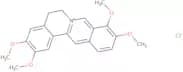
CAS:Palmatine chloride is an alkaloid that has been isolated from the roots of Corydalis yanhusuo. Palmatine chloride inhibits the activity of toll-like receptor 4, which is a key molecule in inflammation and autoimmunity. This compound also inhibits the synthesis of proinflammatory cytokines such as IL-1β, IL-6, and TNF-α. Palmatine chloride has also been shown to inhibit the production of inflammatory mediators such as nitric oxide (NO) and prostaglandin E2 (PGE2). Furthermore, palmatine chloride has been found to have anti-cancer properties through its inhibition of squamous cell carcinoma cells.
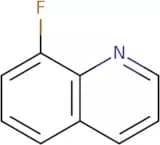
Formula:C21H22NO4ClPurity:Min. 98 Area-%Color and Shape:PowderMolecular weight:387.86 g/mol8-Fluoroquinoline
CAS:8-Fluoroquinoline is a quinoline derivative that has been shown to have in vitro anticancer activity against colon adenocarcinoma cells. It is a chiral molecule that can exist as two stereoisomers, (R)-8-fluoroquinoline and (S)-8-fluoroquinoline. These isomers may have different interactions with the tumorigenic cells, but both of them have anticancer activity. 8-Fluoroquinoline also interacts with cytochrome P450 enzymes, enhancing their ability to metabolize carcinogens.
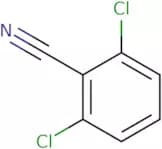
Formula:C9H6FNPurity:Min. 95%Molecular weight:147.15 g/mol2,6-Dichlorobenzonitrile
CAS:2,6-Dichlorobenzonitrile is a crystalline cellulose that inhibits the activity of cytochrome P450 enzymes. It has been shown to inhibit the activities of xet and p450 in vitro and in vivo. 2,6-Dichlorobenzonitrile has been shown to have an inhibitory effect on the growth of plants by inhibiting cell division. This compound is used as a herbicide and insecticide. 2,6-Dichlorobenzonitrile has been shown to be toxic in animal studies.
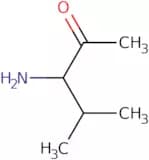
Formula:C7H3Cl2NPurity:Min. 95%Color and Shape:PowderMolecular weight:172.01 g/mol3-Amino-4-methylpentan-2-one hydrochloride
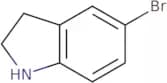
CAS:3-Amino-4-methylpentan-2-one hydrochloride is a versatile building block that is used for the synthesis of high quality research chemicals, useful scaffolds, and speciality chemicals. It is also used as a reagent in organic syntheses. This chemical has a wide range of uses and is a fine chemical that can be used as an intermediate or reaction component. 3-Amino-4-methylpentan-2-one hydrochloride can be reacted with other compounds to form complex molecules that have many different applications.Formula:C6H13NO•HClPurity:Min. 95%Color and Shape:SolidMolecular weight:151.63 g/mol5-Bromo-2,3-dihydro-1H-indole
CAS:Please enquire for more information about 5-Bromo-2,3-dihydro-1H-indole including the price, delivery time and more detailed product information at the technical inquiry form on this page
Formula:C8H8BrNPurity:Min. 95%Color and Shape:PowderMolecular weight:198.06 g/molMethyl 2-amino-4-(trifluoromethyl)benzoate
CAS:Methyl 2-amino-4-(trifluoromethyl)benzoate is a non-steroidal anti-inflammatory drug that is structurally related to anthranilic acid. It has been shown to reduce the proliferation of human breast cancer cells in vitro. This drug inhibits the activity of cellular senescence, which has been implicated in aging and cancer progression. Methyl 2-amino-4-(trifluoromethyl)benzoate binds to receptor sites on the cell nucleus and prevents the binding of ligands to these receptors, thereby inhibiting transcriptional activity. This compound also increases cell sensitivity to radiation and chemotherapeutic agents by preventing DNA repair mechanisms from functioning properly. Methyl 2-amino-4-(trifluoromethyl)benzoate inhibits the production of reactive oxygen species by inducing oxidative stress in cells and may inhibit protein synthesis through its ability to bind tightly to proteins.Formula:C9H8F3NO2Purity:Min. 95%Color and Shape:Slightly Yellow PowderMolecular weight:219.16 g/mol2-Chloro-3-nitrobenzoic acid ethyl ester
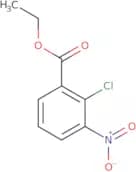
CAS:2-Chloro-3-nitrobenzoic acid ethyl ester is a reactive chemical intermediate that can be used as a building block in organic synthesis. It is a versatile reagent that can be used in many reactions, such as condensation, cyclization, amination, and oxidation. The compound has been shown to be useful in the synthesis of polymers, pharmaceuticals, and natural products. 2-Chloro-3-nitrobenzoic acid ethyl ester is an environmentally friendly compound with a low toxicity profile. It has been classified as a high quality fine chemical with CAS number 3979-45-1.Formula:C9H8ClNO4Purity:Min. 95%Color and Shape:PowderMolecular weight:229.62 g/mol(3-Aminophenyl)boronic acid hydrochloride
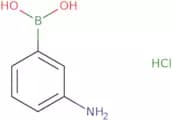
CAS:3-Aminophenylboronic acid hydrochloride is a chemical compound that is used for analytical chemistry, bioconjugate chemistry, and clinical diagnostics. The compound binds to model proteins with high affinity and specificity. 3-Aminophenylboronic acid hydrochloride has been shown to have low binding constants with polyols, which make it ideal for use in cell culture. 3-Aminophenylboronic acid hydrochloride has a pK of 2.7 at pH 7.4, making it acidic at this pH. The compound also has a pK of 9.3 at pH 4.5, making it neutral at this pH. 3-Aminophenylboronic acid hydrochloride is an electrochemically active molecule and can be used as an electrode material in electrochemical impedance spectroscopy experiments.
Formula:C6H9BClNO2Purity:Min. 95%Color and Shape:PowderMolecular weight:173.4 g/molN-α-Boc-L-ornithine tert-butyl ester hydrochloride
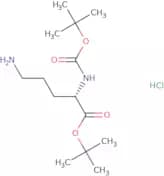
CAS:Please enquire for more information about N-α-Boc-L-ornithine tert-butyl ester hydrochloride including the price, delivery time and more detailed product information at the technical inquiry form on this page
Formula:C14H28N2O4•HClPurity:Min. 95%Color and Shape:PowderMolecular weight:324.84 g/mol5-Bromouracil
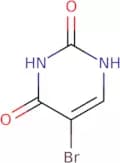
CAS:5-Bromouracil is a cytotoxic agent that inhibits the synthesis of DNA by inhibiting the enzyme thymine-5-bromo-2'-deoxyribonucleotide synthetase. It also has genotoxic effects on the organism, which can be observed in transfection experiments with human lymphocytes and polymerase chain reaction (PCR) experiments. 5-Bromouracil binds to the hydroxyl group of thymine and interacts with the nucleic acid bases, blocking the process of DNA synthesis. This drug is used to treat cancer in humans, but it is also toxic to eosinophils, which are white blood cells that produce chemicals such as peroxidases that help fight infections. The mechanism of action for 5-Bromouracil is not yet fully understood.Formula:C4H3BrN2O2Purity:Min. 95%Color and Shape:Yellow PowderMolecular weight:190.98 g/mol4-Fluoro-2-nitrobenzoic acid ethyl ester
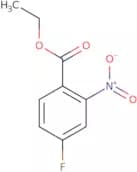
CAS:4-Fluoro-2-nitrobenzoic acid ethyl ester is a fine chemical that can be used as a reagent, intermediate compound, building block, scaffold and building block for speciality chemicals. It has been shown to be an effective chemical in the synthesis of 4-fluoro-2-nitrobenzoic acid, which is a versatile building block with many potential applications. 4-Fluoro-2-nitrobenzoic acid ethyl ester is also useful in reactions involving amines and alcohols as well as metal catalyzed reactions. This product has CAS No. 1072207-10-3.Formula:C9H8FNO4Purity:(%) Min. 85%Color and Shape:Clear LiquidMolecular weight:213.16 g/mol4-Chloropyridine-3-carboxaldehyde
CAS:4-Chloropyridine-3-carboxaldehyde (4CPCA) is a potent inhibitor of the enzyme, formylation. 4CPCA is synthesized in an experimental method involving reaction of 4-chloropyridine and 3-bromoformaldehyde with a base, followed by hydrolysis to produce the desired product. This compound has been shown to inhibit formylation in vitro with inhibition potentials as high as 5000 μM. The IC 50 value for 4CPCA was found to be 0.6 mM. Formylation activity was inhibited in cell free systems and in cells from rat liver and human erythrocytes. The pharmacokinetic profile of 4CPCA is dose dependent and it is metabolized into inactive compounds by oxidation or conjugation with glucuronic acid.
Formula:C6H4ClNOPurity:Min. 95%Color and Shape:Yellow SolidMolecular weight:141.55 g/molPropargyl chloride
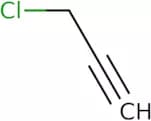
CAS:Propargyl chloride is a chemical that is used as an inhibitor in organic synthesis. It can be used to synthesize compounds with reactive groups such as alkenes, ketones, and amines. Propargyl chloride reacts with the hydroxyl group of an alcohol to form a propargyl alcohol. The reaction mechanism involves intramolecular hydrogen bonding between the hydroxyl group of the propargyl chloride and the carbon atom adjacent to it. Kinetic energy is required for this reaction to occur. The product of this reaction can then react with other molecules in order to form new compounds. Propargyl chloride has been shown to have therapeutic effects on chronic coughs due its ability to reduce the amount of kinetic energy needed for respiratory tract cells, which may have reduced coughing frequency. END>>Formula:C3H3ClPurity:Min. 95%Color and Shape:Colorless Yellow Clear LiquidMolecular weight:74.51 g/mol2,2,3,3-Tetrafluoro-1-propanol
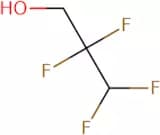
CAS:2,2,3,3-Tetrafluoro-1-propanol is a solvent that has been used in the manufacture of polymers. It can be distilled from sodium trifluoroacetate at high pressure and temperature to give a constant boiling point. 2,2,3,3-Tetrafluoro-1-propanol is transported by gas or liquid diffusion. The kinetic energy of the molecules increases with increasing temperature and pressure; however, it does not have an appreciable chemical reaction with oxygen or ozone. This chemical has been used as a photoinitiator to polymerize cationic monomers such as trifluoroacetic acid and acrylamide. 2,2,3,3-Tetrafluoro-1-propanol has also been shown to react with water vapor to form hydrogen fluoride and hydrofluoric acid.
Formula:C3H4F4OPurity:Min. 98 Area-%Color and Shape:Clear LiquidMolecular weight:132.06 g/mol1,10-Dichlorodecane
CAS:1,10-Dichlorodecane is a synthetic cationic surfactant with an antimicrobial effect. It has been shown to inhibit the growth of bacteria in urine samples at concentrations of less than 1 mg/mL. The inhibitory effect on bacterial growth is due to the strong interaction between the chloride ions and the ionic surfactant, which causes a decrease in the surface tension of water and disturbs cell membranes. 1,10-Dichlorodecane also inhibits the growth of other bacteria such as Staphylococcus aureus and Pseudomonas aeruginosa. This product can be used as a broad-spectrum antimicrobial agent against Gram-positive and Gram-negative bacteria.Formula:C10H20Cl2Purity:Min. 95%Color and Shape:Clear LiquidMolecular weight:211.17 g/mol2,5-Diphenyl-1-(2-chlorophenyl)-1,3,4-triazole
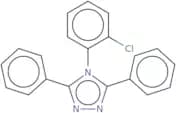
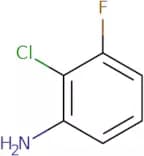
CAS:2,5-Diphenyl-1-(2-chlorophenyl)-1,3,4-triazole is a white powder that is soluble in water and insoluble in organic solvents. It is a high quality reagent for the synthesis of complex compounds, as well as a useful intermediate for the production of fine chemicals and speciality chemicals. 2,5-Diphenyl-1-(2-chlorophenyl)-1,3,4-triazole has been used as a building block for the synthesis of diverse reactions and has been shown to be versatile and useful in reaction components.Formula:C20H14ClN3Purity:Min. 95%Color and Shape:PowderMolecular weight:331.8 g/mol2-Chloro-3-fluoroaniline
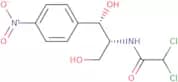
CAS:2-Chloro-3-fluoroaniline is a chemical compound that is used as a reagent, solvent, and building block in the synthesis of many other compounds. 2-Chloro-3-fluoroaniline can be used in the chemical industry to produce high quality research chemicals. This compound is also useful as an intermediate for the synthesis of pharmaceuticals and pesticides. The CAS number for this compound is 21397-08-0.Formula:C6H5ClFNPurity:Min. 95%Color and Shape:Clear LiquidMolecular weight:145.56 g/molD-erythro-Chloramphenicol
CAS:D-erythro-Chloramphenicol is a chloramphenicol antibiotic that has been shown to inhibit the uptake of nucleic acids by bacteria. It binds to the ribosomal RNA in the bacterial cell and prevents protein synthesis, causing bacterial death. D-erythro-Chloramphenicol is also able to inhibit the uptake of glycine, which is an important amino acid for bacteria. D-erythro-Chloramphenicol has been shown to be active against many different types of bacteria, including those that are resistant to other antibiotics such as penicillin.
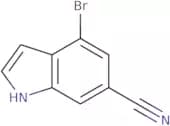
Formula:C11H12Cl2N2O5Purity:Min. 95%Molecular weight:323.13 g/mol4-Bromo-1H-indole-6-carbonitrile
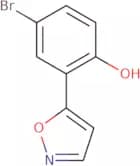
CAS:4-Bromo-1H-indole-6-carbonitrile is a versatile building block that can be used in the synthesis of complex compounds and research chemicals. 4-Bromo-1H-indole-6-carbonitrile is a reagent in the production of speciality chemicals, and is also used as an intermediate to produce other compounds. This compound is useful as a starting material for the synthesis of pharmaceuticals, agrochemicals, and perfumes. It has been shown to be an effective scaffold for the construction of heterocycles.Formula:C9H5BrN2Purity:Min. 95 Area-%Color and Shape:White Off-White PowderMolecular weight:221.05 g/mol4-Bromo-2-(5-isoxazolyl)phenol
CAS:4-Bromo-2-(5-isoxazolyl)phenol is a fine chemical that is used as a building block in the synthesis of other chemicals. It is also useful as a reagent, speciality chemical, and intermediate to produce complex compounds. This compound has versatile uses as it can be used in reactions involving nucleophilic substitution, electrophilic substitution, and elimination. 4-Bromo-2-(5-isoxazolyl)phenol is also a useful scaffold for the synthesis of new molecules with biological activity.
Formula:C9H6BrNO2Purity:Min. 95%Color and Shape:PowderMolecular weight:240.05 g/molLY2112688 trifluoroacetate
CAS:Please enquire for more information about LY2112688 trifluoroacetate including the price, delivery time and more detailed product information at the technical inquiry form on this page
Formula:C51H70N18O11S2•(C2HF3O2)xPurity:Min. 95%Color and Shape:PowderMolecular weight:1,175.35 g/mol3-Iodo-4-hydroxybenzaldehyde
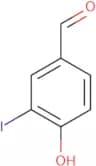
CAS:3-Iodo-4-hydroxybenzaldehyde (3IB) is an amide that is found in plant tissue. It has been shown to have a number of biological activities, including hypoiodous acid production, chromatographic activity, and ether extract activity. 3IB can be synthesized from benzofuran derivatives or by treating the corresponding nitrobenzene with hydrochloric acid. Bioassays using thyroid enzyme have shown that 3IB may inhibit the synthesis of daunorubicin, a potent antitumour drug. Molecular modelling studies suggest that 3IB binds to ATP synthase by forming hydrogen bonds with the amino acids Gly and His in the active site.Formula:C7H5IO2Purity:90%Color and Shape:PowderMolecular weight:248.02 g/molChloroalkanes C10-13
CAS:Chloroalkanes are a class of hydrocarbons that have one or more carbon atoms bonded to two or more chlorine atoms. They are used as additives in human and animal tissues, as well as coatings for industrial chemicals. Short-chain chloroalkanes are regulated by the EPA, and long-chain chloroalkanes are regulated by the International Agency for Research on Cancer (IARC). Regulatory strategies for short-chain chloroalkanes include reducing emissions from industrial sources, while strategies for long-chain chloroalkanes include reducing exposure through food packaging.
Purity:Min. 95%Color and Shape:Clear Light (Or Pale) Liquid2,3-Difluoro-4-methoxybenzoic acid
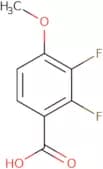
CAS:2,3-Difluoro-4-methoxybenzoic acid is a versatile building block that can be used to make complex compounds. This compound is a high quality, useful intermediate and reaction component that can be used in the synthesis of pharmaceuticals and other chemical products. 2,3-Difluoro-4-methoxybenzoic acid is a reagent that can be used for research purposes or as a speciality chemical. It has been shown to have many uses as a scaffold for making new compounds with different structures.Formula:C8H6F2O3Purity:Min. 95%Color and Shape:PowderMolecular weight:188.13 g/mol(S,E)-3-(6-Bromopyridin-2-yl)-2-cyano-N-(1-phenylethyl)acrylamide
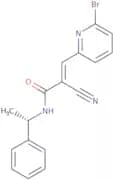
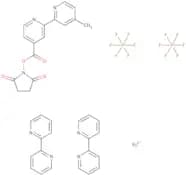
CAS:(S,E)-3-(6-Bromopyridin-2-yl)-2-cyano-N-(1-phenylethyl)acrylamide (MBI-23) is a potential antineoplastic agent that has been shown to induce regression of bladder cancer in mice. MBI-23 induces apoptosis by inhibiting the proliferation of cancer cells and inducing differentiation of cancer stem cells. It is also shown to inhibit tumor growth and progression in glioma and prostate cancer models. MBI-23 binds to the KDR receptor subtype, which is activated by organic acids and inhibited by inorganic compounds. This binding leads to constitutive activation of the KDR receptor, thereby inducing apoptosis. The tautomers and stereoisomers of MBI-23 have not been fully elucidated yet.Formula:C17H14ON3BrPurity:Min. 98 Area-%Color and Shape:White PowderMolecular weight:356.22 g/molBis(2,2'-bipyridine)-4'-methyl-4-carboxybipyridine-ruthenium N-succinimidyl ester-bis(hexafluorophosphate)
CAS:Bis(2,2'-bipyridine)-4'-methyl-4-carboxybipyridine-ruthenium N-succinimidyl ester-bis(hexafluorophosphate) is a molecule that inhibits the activity of matrix metalloproteinases. It binds to the active site of the enzyme and blocks its activity. This drug has been shown to be effective in inhibiting the activity of MMPs in cells, but not in tissue culture because it does not cross cell membranes. Bis(2,2'-bipyridine)-4'-methyl-4-carboxybipyridine-ruthenium N-succinimidyl ester-bis(hexafluorophosphate) has also been shown to have a low detection limit and can detect low levels of matrix metalloproteinase activity in cells.
Formula:C36H29F12N7O4P2RuPurity:Min. 95%Color and Shape:PowderMolecular weight:1,014.66 g/mol2,5-Dichlorobenzoic acid potassium
CAS:2,5-Dichlorobenzoic acid potassium salt is a fine chemical that is used as an intermediate for the synthesis of pharmaceuticals and speciality chemicals. It is a versatile building block with a variety of uses in research and manufacturing, including being used as a reaction component or as a reagent. This product has CAS No. 184637-62-5 and has been assigned the Chemical Abstract Service (CAS) number 184637-62-5.Formula:C7H4Cl2O2•KPurity:Min. 95%Color and Shape:PowderMolecular weight:230.11 g/mol2,4,6-Tribromo-3-methoxyphenol
CAS:2,4,6-Tribromo-3-methoxyphenol is a high quality reagent that is used as an intermediate in the production of many fine chemicals. It is also a useful building block for the synthesis of speciality chemicals and research chemicals. This chemical can be used as a versatile building block for reactions with other compounds. 2,4,6-Tribromo-3-methoxyphenol has CAS number 24967-79-1 and can be found at Chemical & Laboratory Equipment.
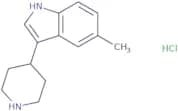
Formula:C7H5Br3O2Purity:Min. 95%Molecular weight:360.83 g/mol5-Methyl-3-piperidin-4-yl-1H-indole hydrochloride
CAS:5-Methyl-3-piperidin-4-yl-1H-indole hydrochloride is a synthetic chemical that is used as a building block for the synthesis of other compounds. It is a versatile intermediate, having been shown to react with amines, alcohols, phenols, and thiols. 5-Methyl-3-piperidin-4-yl-1H-indole hydrochloride can be used in the manufacture of pharmaceuticals and agrochemicals. This compound has been found to be an effective reagent for the preparation of cyclic peptides and can be used as a building block for the synthesis of other compounds. When reacted with 2-(trimethylsilyl)ethanol, it produces a high quality complex compound.
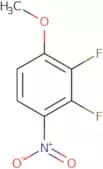
Formula:C14H18N2·HClPurity:Min. 97 Area-%Color and Shape:PowderMolecular weight:250.77 g/mol2,3-Difluoro-4-nitroanisole
CAS:2,3-Difluoro-4-nitroanisole is a chemical compound with CAS No. 66684-59-1. It is a useful intermediate that can be used to synthesize other chemicals and compounds. 2,3-Difluoro-4-nitroanisole can be used for the synthesis of research chemicals and speciality chemicals. This compound has been found to be a versatile building block that can be used in many reactions as a reagent. 2,3-Difluoro-4-nitroanisole has high quality and is a fine chemical with many uses.
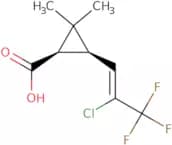
Formula:C7H5F2NO3Purity:Min. 95%Molecular weight:189.12 g/molcis-3-(2-Chloro-3,3,3-trifluoro-1-propenyl)-2,2-dimethyl-cyclopropanecarboxylic acid
CAS:Cis-3-(2-Chloro-3,3,3-trifluoro-1-propenyl)-2,2-dimethyl-cyclopropanecarboxylic acid is a synthetic pyrethroid insecticide that is used in pest control. It has been detected in urine samples at concentrations of up to 10 ng/mL and has been found to be an enantiomer of the natural pyrethroid cis-3-(2,2,2-trifluoroethoxy)-2,2-dimethylcyclopropanecarboxylic acid. Cis-3-(2-Chloro-3,3,3-trifluoro-1-propenyl)-2,2,-dimethylcyclopropanecarboxylic acid is also known as "RIVM" and has been shown to have high detection rates for naphthalene. This compound is acidic and can be hydro
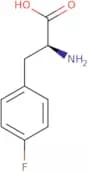
Formula:C9H10ClF3O2Purity:Min. 95%Color and Shape:White PowderMolecular weight:242.62 g/mol4-Fluoro-L-phenylalanine
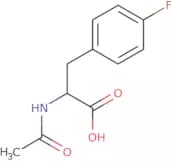
CAS:4-Fluoro-L-phenylalanine is a fluorinated analog of phenylalanine. It has been shown to be an inhibitor of the enzyme that catalyzes the formation of disulfide bonds in nuclear DNA. 4-Fluoro-L-phenylalanine has also been found to have antiviral properties, which may be due to its ability to inhibit viral replication by interfering with protein synthesis and chromosome replication. This compound may also inhibit the growth of resistant mutant strains of viruses, such as influenza virus, and wild type strains. 4-Fluoro-L-phenylalanine inhibits the activity of enzymes involved in biological processes, such as protein synthesis. It is thought that this compound may have potential uses for treating infectious diseases.Formula:C9H10FNO2Purity:Min. 98 Area-%Color and Shape:White Off-White PowderMolecular weight:183.18 g/molN-Acetyl-DL-p-fluorophenylalanine
CAS:N-Acetyl-DL-p-fluorophenylalanine is a chemical compound that can be used as a research chemical, or in the synthesis of other compounds. It is a reactive ingredient and can be used as a reagent. N-Acetyl-DL-p-fluorophenylalanine belongs to the class of speciality chemicals and can be used as an intermediate in the synthesis of other compounds. This compound has been found to be useful for the production of fine chemicals and complex compounds.
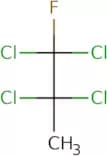
Formula:C11H12FNO3Purity:Min. 95%Color and Shape:PowderMolecular weight:225.22 g/mol1,1,3,3-Tetrachloro-1-Fluoropropane
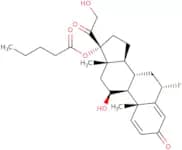
CAS:Controlled Product1,1,3,3-Tetrachloro-1-fluoropropane is an efficient fluorinating agent with azeotropic properties. It is an intermediate in the production of fluorine compounds such as hydrogen fluoride and 1,1,2-trichloroethane. 1,1,3,3-Tetrachloro-1-fluoropropane can be used to efficiently fluorinate other compounds.Formula:C3H3Cl4FPurity:Min. 95%Molecular weight:199.87 g/mol6α-Fluoro-11β,17,21-Trihydroxypregna-1,4-Diene-3,20-Dione 17-Valerate
CAS:Controlled Product6alpha-Fluoro-11beta,17,21-Trihydroxypregna-1,4-Diene-3,20-Dione 17-Valerate is a hydrogenated and esterified form of 6alpha-fluoro-11beta,17,21-trihydroxypregna1,4diene3,20dione. It is an oil with a fatty acid ester that has been synthetically modified to be more hydrophobic. 6alpha-Fluoro-11beta,17,21-Trihydroxypregna1,4diene3,20dione 17valerate is used in the synthesis of pharmaceuticals and hormones. It can also be used as an enhancer for the stability of pharmaceutical preparations.Formula:C26H35FO6Purity:Min. 95%Molecular weight:462.55 g/molH-Orn-AMC hydrochloride salt
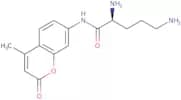
CAS:H-Orn-AMC hydrochloride salt is a white solid with a melting point of about 150°C. It is used as a reactant in the manufacture of pharmaceuticals, research chemicals and other speciality chemicals. H-Orn-AMC hydrochloride salt is also an intermediate for the synthesis of complex compounds, useful as building blocks for chemical synthesis, and can be used as a reagent in analytical chemistry.
Formula:C15H20ClN3O3Purity:Min. 98 Area-%Color and Shape:PowderMolecular weight:325.79 g/molSodium chloride
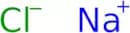
CAS:Sodium chloride is a chemical compound that belongs to the group of inorganic salts. It is an important electrolyte, which regulates fluid balance and pH levels. Sodium chloride has been used as a model system for polymerase chain reactions and has been shown to inhibit the growth of malignant cells in the brain under constant pressure. The reaction solution may be pre-treated with hydrogen fluoride to remove interfering impurities prior to addition of sodium chloride. This process can be used for an in vitro method, where the reaction solution is exposed to plasma mass spectrometry or laser ablation before being analyzed for drug interactions with plasma mass spectrometry or electrochemical impedance spectroscopy. Sodium chloride can cause water vapor to form when it reacts with hydrochloric acid, producing hydrogen gas and hydrochloric acid.
Formula:NaClColor and Shape:PowderMolecular weight:58.44 g/mol3-Amino-2,5-dichlorobenzoic acid
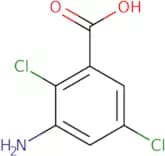
CAS:2,5-Dichlorobenzoic acid is a chemical compound that is used as an intermediate in the production of herbicides and other agricultural chemicals. It is also used for the synthesis of pharmaceuticals and dyes. 2,5-Dichlorobenzoic acid has been shown to have significant physiological effects at high doses. The use of 2,5-dichlorobenzoic acid may cause death in humans through kidney failure, although it has not been shown to be toxic to humans at low doses. The mechanism by which this effect occurs is not known. 2,5-Dichlorobenzoic acid has been found to be moderately toxic in animal studies with acute oral LD50 values ranging from 1,000 mg/kg body weight (mg/kg BW) to 10,000 mg/kg BW depending on the animal species tested.Formula:C7H5Cl2NO2Purity:Min. 95%Color and Shape:White PowderMolecular weight:206.03 g/mol5-Chloro-4-hydroxy-1-methyl-2-oxo-1,2-dihydro-quinoline-3-carboxylic acid ethyl-phenyl-amide
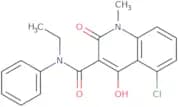
CAS:Laquinimod is an immunomodulator drug that inhibits the activity of the immune system. It binds to toll-like receptor 7, which is a protein on the surface of certain cells that responds to infection and inflammation. Laquinimod has been shown to inhibit neurodegeneration in vitro, which may be due to its ability to bind with neuronal death receptors and block the inflammatory response. Laquinimod also inhibits bowel disease by reducing inflammation and controlling immunity in the intestinal tract. Laquinimod has been shown to have long-term efficacy when administered at physiological levels. This drug is chemically stable, even after exposure to light.Formula:C19H17ClN2O3Purity:Min. 95%Color and Shape:White PowderMolecular weight:356.8 g/mol5-Methylpyrimidin-2-ol
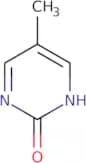
CAS:5-Methylpyrimidin-2-ol is a photophysical, hydroxy group, and hydroxyl group. It has been shown to have an inhibitory effect on DNA methylation by glycosidic bond with the sugar moiety of the nucleotide. 5-Methylpyrimidin-2-ol reacts with the base moiety of the nucleotide to form an analog that inhibits RNA synthesis and is competitive against pyrimidine nucleosides. 5-Methylpyrimidin-2-ol also has a hydrogen bonding property that can react with other molecules such as proteins or sugars to form hydrogen bonds. This reaction rate is increased by fluorescence resonance energy transfer (FRET).
Formula:C5H6N2OPurity:Min. 95%Color and Shape:PowderMolecular weight:110.11 g/mol