Organic Halides
Subcategories of "Organic Halides"
Found 20442 products of "Organic Halides"
[1,1'-Bis(diphenylphosphino)ferrocene]-dichloropalladium (II) dichloromethane complex
CAS:Controlled Product1,1'-Bis(diphenylphosphino)ferrocene]-dichloropalladium (II) dichloromethane complex is a fine chemical that is used as a scaffold for the synthesis of other compounds. It can be used as a building block to make other chemicals or as an intermediate in chemical reactions. It is also a versatile research chemical and is used to make speciality chemicals. 1,1'-Bis(diphenylphosphino)ferrocene]-dichloropalladium (II) dichloromethane complex has high quality and is a useful building block for making other compounds.Formula:C35H30Cl4P2PdFePurity:Min. 95%Color and Shape:Red PowderMolecular weight:816.64 g/mol4-Chlorophenylacetylene
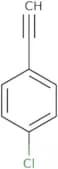
CAS:4-Chlorophenylacetylene is a compound that is created by the reaction of chloroform and acetylene. The reaction yield can be increased by using a catalytic amount of silicon, which increases the rate of hydration. Terminal alkynes react with 4-chlorophenylacetylene to form polymers, which are insoluble in most solvents. 4-Chlorophenylacetylene has been shown to have inhibitory activity against the growth of bacteria and fungi when tested in model species such as Escherichia coli and Saccharomyces cerevisiae.Formula:C8H5ClPurity:Min. 95%Color and Shape:PowderMolecular weight:136.58 g/mol2-(5-Chloro-1H-indol-2-yl)acetic acid
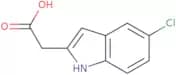
CAS:Please enquire for more information about 2-(5-Chloro-1H-indol-2-yl)acetic acid including the price, delivery time and more detailed product information at the technical inquiry form on this pageFormula:C10H8CINO2Purity:Min. 95%Molecular weight:313.09 g/mol2,5-Dibromo-3-methylthiophene
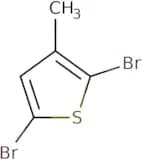
CAS:2,5-Dibromo-3-methylthiophene is a small molecule that has been shown to have anti-bacterial properties. It reacts with the bacterial cell membrane, disrupting the bacteria's ability to function and causing it to die. 2,5-Dibromo-3-methylthiophene can be used as an antibacterial agent in medicine or cosmetics. The chemical structure of 2,5-dibromo-3-methylthiophene is similar to that of oxadiazole and 5H-[1]benzothiazol[5,4,-d][1,2]oxazole and it has been shown that these compounds can also be used for antibacterial purposes. The anti-bacterial activity of 2,5-dibromo-3-methylthiophene is due to its functional groups which are reactive with metal ions such as Cu(II) and Fe(III).Formula:C5H4Br2SPurity:Min. 95%Molecular weight:255.96 g/mol(S)-Esmolol hydrochloride
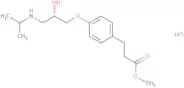
CAS:Controlled Product(S)-Esmolol hydrochloride is an optical isomer of esmolol that is used to treat cardiac arrhythmias. It has a low affinity for beta-adrenergic receptors and has been shown to have a profile of antiarrhythmic effects. The drug also has the ability to block potassium channels, which may be due to its structural similarity to propanolol. (S)-Esmolol hydrochloride can be synthesized from the reaction of ethyl chloroformate with potassium phosphate in alkaline conditions. This optical isomer of esmolol is used as a probe for determining the stereochemistry of other compounds.Formula:C16H25NO4•HClPurity:Min. 95%Molecular weight:331.83 g/molEthyl 4,6-dichloronicotinate
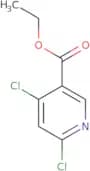
CAS:Ethyl 4,6-dichloronicotinate (EDCN) is a hybrid drug that can be used as a clinical drug for the treatment of cancers. EDCN has been shown to have an antiproliferative effect in hematopoietic cells and tumor cells. It is also able to inhibit tyrosine kinase activity and cellular proliferation by inducing apoptosis. EDCN has been shown to be a potent inhibitor of cancer cell growth in vitro and in vivo, with IC50 values ranging from 1 to 10 μM. This drug is active against leukemia, lymphoma, breast cancer, prostate cancer, colorectal cancer, and other cancers that are sensitive to inhibition by tyrosine kinase inhibitors. EDCN binds reversibly to DNA with high affinity and specificity through hydrogen bonding interactions between the nucleobases on its aromatic ring system and the purine bases on dsDNA. This binding inhibits transcription by blocking access of RNA polymerase II to DNA templatesFormula:C8H7Cl2NO2Purity:Min. 95%Molecular weight:220.05 g/molACTH (2-24) (human, bovine, rat) trifluoroacetate salt
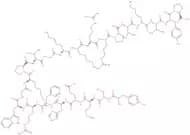
CAS:Please enquire for more information about ACTH (2-24) (human, bovine, rat) trifluoroacetate salt including the price, delivery time and more detailed product information at the technical inquiry form on this page
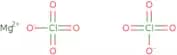
Formula:C133H205N39O29SPurity:Min. 95%Molecular weight:2,846.36 g/molMagnesium perchlorate
CAS:Magnesium perchlorate is a magnesium salt of perchloric acid. It is a metal chelate that has been reported to be used for detecting water vapor in the atmosphere, and as an electrolyte in electrochemical impedance spectroscopy. Magnesium perchlorate has also been used as a catalyst in chemical reactions. It has a redox potential of -2.8 V and can be used as an oxidizing agent at lower temperatures. In addition, it is sensitive to hydrogen bonding with amines, which can be used for detection purposes.Formula:Cl2MgO8Purity:Min. 95%Molecular weight:223.21 g/mol2-Hydroxy-4-(trifluoromethyl)benzaldehyde
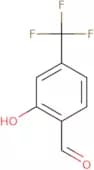
CAS:2-Hydroxy-4-(trifluoromethyl)benzaldehyde is an analgesic and anti-inflammatory agent that belongs to the pyrazole family. It has shown analgesic and anti-inflammatory effects in animal studies. 2-Hydroxy-4-(trifluoromethyl)benzaldehyde has been shown to be a potent inhibitor of cyclooxygenase (COX), which is responsible for prostaglandin synthesis, and as such, may have potential as a treatment for inflammatory conditions such as rheumatoid arthritis. This drug also inhibits the production of nitric oxide, which is involved in vasodilation and increased blood flow. 2-Hydroxy-4-(trifluoromethyl)benzaldehyde has been demonstrated to inhibit COX enzymes by forming a covalent bond with active site serine residues on the enzyme. The docked complex shows hydrogen bonding interactions between the hydroxyl group of 2
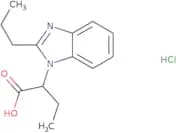
Formula:C8H5F3O2Purity:Min. 95%Molecular weight:190.12 g/mol2-(2-Propyl-1H-benzimidazol-1-yl)butanoic acid hydrochloride
CAS:Controlled ProductPlease enquire for more information about 2-(2-Propyl-1H-benzimidazol-1-yl)butanoic acid hydrochloride including the price, delivery time and more detailed product information at the technical inquiry form on this pageFormula:C14H18N2O2Purity:Min. 95%Molecular weight:246.31 g/molPerfluorodimethylcyclobutane
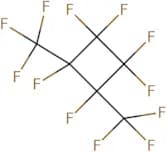
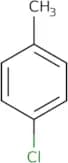
CAS:Controlled ProductPerfluorodimethylcyclobutane is an organic compound that belongs to the class of perfluorinated compounds. It is a polymer film-forming agent with a chemical formula of C5H8F2. The chemical structure of this drug consists of a chlorine atom, two fluorine atoms, and two hydrogen atoms. The molecular weight is 126.7 g/mol. Perfluorodimethylcyclobutane has been used in microcapsules as an analytical chemistry tool and in the development of pharmaceutical drugs for cardiac conditions. This molecule has been used as a chromatographic science analytical method to identify fatty acids in petroleum products and chlorinated solvents.Formula:C6F12Purity:Min. 95%Molecular weight:300.05 g/mol4-Chlorotoluene
CAS:4-Chlorotoluene is a chemical substance that belongs to the class of p-hydroxybenzoic acid (PAH) and can be found in wastewater treatment. It can be synthesized by reacting hydrogen chloride with 4-chlorophenol. The reaction mechanism is based on the formation of reactive sites at nitrogen atoms, which are activated by kinetic energy in the form of hydrogen bonds. The reaction solution is then cooled to room temperature and mixed with an extraction solvent. This process is followed by a fluorescence detector, which measures the amount of PAHs in the solution.
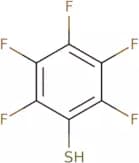
Formula:C7H7ClPurity:Min. 95%Molecular weight:126.58 g/molPentafluorobenzenethiol
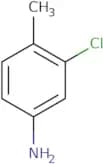
CAS:Pentafluorobenzenethiol is an organosulfur compound that is synthesized by the nucleophilic attack of deuterium on a hydrogenated aliphatic hydrocarbon. It is a colorless liquid with a characteristic low boiling point and high volatility. Pentafluorobenzenethiol has been shown to react with chelate rings and to form irreversible oxidation products. This chemical has analytical applications in the determination of potassium, sodium, and lithium in water samples; it also has semiconductor properties. The diameter of pentafluorobenzenethiol is 6.2 Å, which makes it a low energy aromatic hydrocarbon that can be easily transported through porous media.Formula:C6HF5SPurity:Min. 95%Color and Shape:Colorless Clear LiquidMolecular weight:200.13 g/mol3-Chloro-4-methylaniline
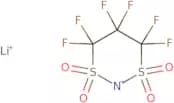
CAS:3-Chloro-4-methylaniline is a chemical compound with a chlorinated aromatic ring. It is a metabolite of the herbicide atrazine, which has been found to produce toxic effects in humans and animals. 3-Chloro-4-methylaniline has been shown to disrupt energy metabolism in mammalian cells through its interaction with mitochondrial respiratory chain complexes I and II. This compound has also been found to cause tubule cell death in the kidneys of rats, as well as liver lesions in mice.Formula:C7H8ClNPurity:Min. 95%Molecular weight:141.60 g/molLithium 1,1,2,2,3,3-Hexafluoropropane-1,3-disulfonimide
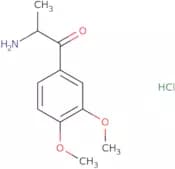
CAS:Lithium 1,1,2,2,3,3-hexafluoropropane-1,3-disulfonimide is a compound of lithium and fluorine. It is an additive that can be used in the manufacture of polymers and other materials. Lithium 1,1,2,2,3,3-hexafluoropropane-1,3-disulfonimide has been shown to act as a transition metal ion catalyst for the oxidation of fluoride to form hydrogen gas. This compound has also been shown to promote the formation of layered films made up of transition metals such as nickel oxide. Lithium 1,1,2,2,3,3-hexafluoropropane-1Formula:C3F6LiNO4S2Purity:Min. 95%Molecular weight:299.1 g/mol2-Amino-3',4'-dimethoxypropiophenone hydrochloride
CAS:Controlled ProductPlease enquire for more information about 2-Amino-3',4'-dimethoxypropiophenone hydrochloride including the price, delivery time and more detailed product information at the technical inquiry form on this pageFormula:C11H16ClNO3Purity:Min. 95%Molecular weight:245.7 g/molChlormequat chloride
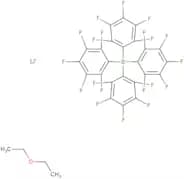
CAS:Chlormequat is a plant growth regulator that is used to inhibit the elongation of roots and shoots. It also inhibits the synthesis of cell wall components, causing cell death. Chlormequat has been shown to have a positive effect on plant growth by increasing water and nutrient uptake. The optimum concentration of chlormequat for plant growth varies depending on the type of plant. It can be determined by measuring the amount of phosphorus pentoxide in tissue culture samples. Chlormequat also blocks signal pathways that are activated by bacterial colony-stimulating factors, inhibiting bacterial growth. The analytical method for determining chlormequat concentrations in plants is based on histological analysis.Formula:C5H13ClN•ClPurity:Min. 95%Color and Shape:PowderMolecular weight:158.07 g/molLithium Tetrakis(pentafluorophenyl)borate - Ethyl Ether Complex
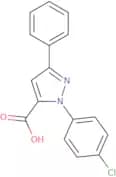
CAS:Controlled ProductLithium tetrakis(pentafluorophenyl)borate - ethyl ether complex is a ligand that has the ability to bind to magnesium. The complex is highly soluble in organic solvents such as ethylene and ether, but not in water. It can be used to produce high yields of ethylene with magnesium as a co-catalyst. The complex binds to magnesium by forming a six-membered ring with the borate group and two oxygen atoms from the ether molecule. The crystal structure of this complex was determined using x-ray crystallography. This complex has been found naturally in plants such as spinach and beets, although it is not yet known what role it plays in these plants.Purity:70%Nmr1-(4-Chlorophenyl)-3-phenyl-1H-pyrazole-5-carboxylic acid
CAS:Controlled ProductPlease enquire for more information about 1-(4-Chlorophenyl)-3-phenyl-1H-pyrazole-5-carboxylic acid including the price, delivery time and more detailed product information at the technical inquiry form on this pageFormula:C16H11ClN2O2Purity:Min. 95%Color and Shape:PowderMolecular weight:298.72 g/mol[2-(Difluoromethyl)phenyl]boronic acid
CAS:Please enquire for more information about [2-(Difluoromethyl)phenyl]boronic acid including the price, delivery time and more detailed product information at the technical inquiry form on this pageFormula:C7H7BF2O2Purity:Min. 95%Molecular weight:171.94 g/molCalcium bromide
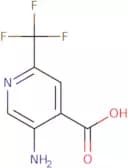
CAS:Calcium bromide is a white solid that has a phase transition temperature of -14.8 °C. It is soluble in water and glycol ether. Calcium bromide can be used to measure the concentration of calcium ions by taking advantage of the high affinity between calcium ions and its salt, calcium bromide, at constant pressure. In this process, water vapor and anhydrous sodium are also adsorbed onto the surface of the solid. The x-ray diffraction data for calcium bromide crystals show that it has a space group of p2 with lattice parameters a = 12.39 Å, c = 10.93 Å, and β = 90°. This salt can be used as a model system for studying reaction mechanisms in chemistry and biochemistry involving ionic liquids or other ionic compounds. The most common application of calcium bromide is as an extractant for volatile organic compounds from air samples using solid phase microextraction (SPFormula:CaBr2Purity:Min. 95%Molecular weight:199.89 g/mol5-Amino-2-(trifluoromethyl)isonicotinic acid
CAS:Please enquire for more information about 5-Amino-2-(trifluoromethyl)isonicotinic acid including the price, delivery time and more detailed product information at the technical inquiry form on this pageFormula:C7H5F3N2O2Purity:Min. 95%Molecular weight:206.12 g/molN-EthylhydroxylamineHydrochloride
CAS:N-Ethylhydroxylamine hydrochloride is a chemical compound that belongs to the group of biocides. It is used as an antimicrobial agent in medical devices, such as catheters and dialysis membranes. N-Ethylhydroxylamine hydrochloride is also used in cancer research to activate the CCR5 receptor, which is involved in HIV infection. N-Ethylhydroxylamine hydrochloride has been shown to have biological properties in humans and animals and has a high degree of chemical stability. The compound can be synthesized from sodium carbonate and ethyl alcohol. The synthesis involves the addition of ethylene oxide to ethanolamine followed by hydrogenation with a catalyst. N-Ethylhydroxylamine hydrochloride is soluble in water, methanol, and acetone. This chemical compound binds to proteins in the human body, resulting in an increase of acidity in urine samples when tested using a plate test. It also hasFormula:C2H8ClNOPurity:Min. 95%Molecular weight:97.54 g/mol4-Chloro-2-methoxy-5-methylaniline
CAS:4-Chloro-2-methoxy-5-methylaniline is a dye molecule that is used in the synthesis of other molecules, such as diketene. It is also used as a solvent, coupling agent, and a dye molecule. This compound can be synthetically prepared by reacting naphthylamine with pyrazolone. The reaction requires catalytic amounts of polyvalent metal salts, such as zinc chloride or iron(III) chloride. The halogenation of 4-chloro-2-methoxy-5-methylaniline to produce 2,4,5-trichlorophenol can be achieved by diazotising the molecule with sodium nitrite and potassium dichromate. 4-Chloro-2-methoxy-5 methylaniline's substituents are methyl groups on the phenyl ring (Cl) and chlorine atoms (C1). Derivatives of thisFormula:C8H10ClNOPurity:Min. 95%Molecular weight:171.62 g/mol4-Iodotoluenedifluoride
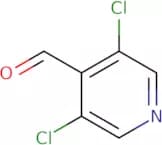
CAS:4-Iodotoluenedifluoride is a molecule that can be produced by the Friedel-Crafts reaction of iodotoluene with sulfoxides. It has been shown to be a bioactive molecule and an efficient method for the stereoselective synthesis of sulfoxides. 4-Iodotoluenedifluoride is also used in the synthesis of phenoxy compounds, which have been shown to have anti-inflammatory properties. The phenoxy group can be replaced with fluorine, which increases the lipophilicity of these molecules and makes them useful for lipid lowering drugs. These molecules are also capable of inhibiting cholesterol biosynthesis and increasing density lipoprotein (HDL).Formula:C7H7F2IPurity:Min. 95%Molecular weight:256.03 g/mol3,5-Dichloro-4-pyridinecarboxaldehyde
CAS:3,5-Dichloro-4-pyridinecarboxaldehyde is a synthetic heterocycle that has been studied for its pharmacokinetic properties. The compound has the ability to bind to the active site of metalloporphyrin and inhibit the enzyme's activity. This inhibition leads to an increase in the levels of homologous aldehydes, which are oxidized by hydrogen peroxide to produce electrosprays. 3,5-Dichloro-4-pyridinecarboxaldehyde also has a number of oxidation products that have been found in experiments using purines as substrates.
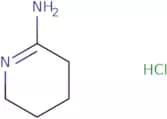
Formula:C6H3Cl2NOPurity:Min. 95%Molecular weight:176 g/mol2-Iminopiperidine hydrochloride
CAS:2-Iminopiperidine hydrochloride is an acetylcholine receptor agonist. It is used as a biochemical tool to study the function of acetylcholine receptors, which are important for the transmission of nerve impulses from the brain and spinal cord to other parts of the body. 2-Iminopiperidine hydrochloride has been shown to be effective in treating Alzheimer's disease, and may be a factor receptor for this disease. The compound has also been shown to have efficient methods of introducing into cells, such as hydrochloric acid and dimethyl formamide. 2-Iminopiperidine hydrochloride binds with phosphoinositides, which are important in intracellular signal transduction pathways. This compound is expressed at M1 receptors in various tissues, including the heart and gastrointestinal tract.Formula:C5H11ClN2Purity:Min. 95%Molecular weight:134.61 g/molTrioctyltin chloride
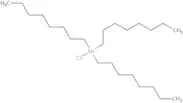
CAS:Trioctyltin chloride is a polymer that is synthesized by the reaction of two equivalents of tributyltin chloride with fatty acids. Trioctyltin chloride is reactive and can be extracted from a variety of sources using a variety of solvents. It has been used to extract chloride ions from mesenchymal stromal cells, which are cells that are involved in tissue repair. The trioctyltin chloride polymer can be used as an analytical method for 3β-hydroxysteroid dehydrogenase, which catalyzes the conversion of 3β-hydroxysteroids into 3-keto steroids. This reaction is reversible and it produces hydrogen ions as a product. The hydrogen ions cause the polymer to undergo ring-opening reactions, leading to the formation of polymeric matrixes on solid surfaces. These matrices have been used in membrane systems as well as in microextraction experiments for solid phase extraction with gas chromatography (SPE).Formula:C24H51ClSnPurity:Min. 95%Molecular weight:493.82 g/molArachidonoyl chloride
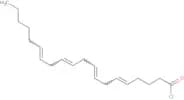
CAS:Arachidonoyl chloride is a chemical compound that belongs to the group of amides. It is used in biological studies for receptor binding and enzyme activities. Arachidonoyl chloride has been shown to inhibit insulin sensitivity by inhibiting the phosphorylation of tyrosine residues on insulin receptors, which are necessary for glucose transport into cells. The acyl chain of arachidonoyl chloride has a polyunsaturated fatty acid structure with two double bonds, which is important for its activity on the 2-arachidonoylglycerol (2-AG) pathway. The activation energy of arachidonoyl chloride is not yet known.
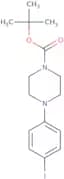
Formula:C20H31ClOPurity:Min. 95%Molecular weight:322.91 g/moltert-Butyl 4-(4-iodophenyl)tetrahydro-1(2H)-pyrazinecarboxylate
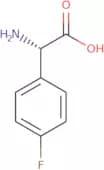
CAS:Controlled ProductPlease enquire for more information about tert-Butyl 4-(4-iodophenyl)tetrahydro-1(2H)-pyrazinecarboxylate including the price, delivery time and more detailed product information at the technical inquiry form on this pageFormula:C15H21IN2O2Purity:Min. 95%Molecular weight:388.24 g/mol(S)-4-Fluorophenylglycine
CAS:(S)-4-Fluorophenylglycine (FPG) is a drug that has been shown to have antipsychotic properties. FPG binds to the NS5B polymerase, which is an enzyme involved in the replication of viral dna. It also inhibits peptide binding in the active site of the enzyme, thereby preventing DNA synthesis. FPG has been shown to be effective against chronic schizophrenia and can be used as a treatment for this disorder. The drug is activated by uridine, which is converted into UMP by adenosine deaminase, which then reacts with FPG to form UMP-FPG. This compound has been shown to inhibit HIV replication in cell culture assays and animal models.Formula:C8H8FNO2Purity:Min. 95%Molecular weight:169.15 g/molEtoxeridine hydrochloride
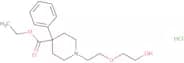
CAS:Controlled ProductPlease enquire for more information about Etoxeridine hydrochloride including the price, delivery time and more detailed product information at the technical inquiry form on this pageFormula:C18H28ClNO4Purity:Min. 95%Molecular weight:357.87 g/molIndicine hydrochloride
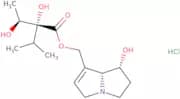
CAS:Indicine hydrochloride is a lasiocarpine derivative that has been shown to cause hepatotoxicity in animals and humans. The mechanism of action of indicine hydrochloride is unclear, but it may be due to the reactive nature of the molecule. Indicine hydrochloride also induces micronucleus formation and metabolic damage in human liver cells. The metabolite formation of indicine hydrochloride is not well understood, but it may be due to its reactive nature or impurities. Indicine hydrochloride can induce micronuclei formation and cellular damage in human liver cells.
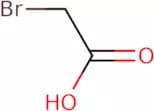
Formula:C15H25NO5•HClPurity:Min. 95%Color and Shape:PowderMolecular weight:335.82 g/molBromoacetic acid
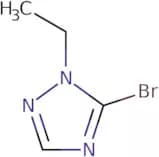
CAS:Bromoacetic acid is a brominated carboxylic acid that has been shown to bind to response elements and inhibit the synthesis of proteins. It has been shown to inhibit the growth of bacteria in human serum at concentrations of 1-5 mM. Bromoacetic acid also binds to metals, such as copper and zinc, and inhibits their activity. This compound has also been shown to have anti-inflammatory properties in experimental models. Bromoacetic acid is not toxic in rats, but it may cause myocardial infarction in humans.Formula:C2H3BrO2Purity:Min. 95%Color and Shape:Clear LiquidMolecular weight:138.95 g/mol5-Bromo-1-ethyl-1H-1,2,4-triazole
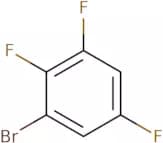
CAS:Please enquire for more information about 5-Bromo-1-ethyl-1H-1,2,4-triazole including the price, delivery time and more detailed product information at the technical inquiry form on this pageFormula:C4H6BrN3Purity:Min. 95%Molecular weight:176.01 g/mol1-bromo-2,3,5-trifluorobenzene
CAS:1-bromo-2,3,5-trifluorobenzene (1,2,3-BTFB) is a chemical substance that is used for bromination. It has been shown to be a selective agent for the removal of nitrogen compounds in wastewater. 1,2,3-BTFB can be used to remove pollutants from the environment without causing an increase in pollution levels. It can also be used as a diazotizing agent and a high selectivity reagent.
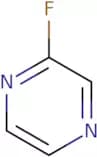
Formula:C6H2BrF3Purity:Min. 95%Molecular weight:210.98 g/mol2-Fluoropyrazine
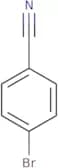
CAS:2-Fluoropyrazine is a heterocyclic compound that has been shown to be an efficient catalyst for the palladium-catalyzed cross-coupling reaction. It reacts with nucleophiles such as hydroxy group, chlorine atom, and hydroxyl group. The 2-fluoropyrazine catalyzes the formation of a carbon-nitrogen bond in a nucleophilic attack on an oxadiazole ring. 2-Fluoropyrazine has been found to inhibit the growth of cancer cells and infectious diseases by inhibiting the synthesis of RNA and protein. It also inhibits the replication of viruses by binding to their RNA polymerase.Formula:C4H3FN2Purity:Min. 95%Molecular weight:98.08 g/mol4-Bromobenzonitrile
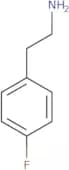
CAS:4-Bromobenzonitrile is an aryl halide that is used in organic synthesis. It has been shown to form a palladium complex with hydrochloric acid, and can be used as a model system for the reaction of halides with palladium complexes. 4-Bromobenzonitrile forms a variety of products when it reacts with sodium hydroxide solution, including 4-cyanobiphenyl, which can then be chlorinated to produce chloroform. This reactant also reacts with palladium metal to form the corresponding pdCl2P(4-bromophenyl)-CH2Cl product. In addition, 4-bromobenzonitrile has been shown to react with an aryl halide in the presence of uv light and sodium hydroxide solution to form an aryl chloride. The reaction proceeds through the intermediate formation of benzylic chloride by reaction with hydrogen chloride and sodium hydFormula:C7H4BrNPurity:Min. 95%Color and Shape:White PowderMolecular weight:182.02 g/mol4-Fluorophenethylamine
CAS:Controlled Product4-Fluorophenethylamine is a fluorinated amine with the chemical formula C8H11FO. It is a 5-HT agonist and has been shown to have affinity constants for the CB2 receptor. 4-Fluorophenethylamine has been shown to be an uptake inhibitor of amines, as well as being a hydrogen bond donor.Formula:C8H10FNPurity:Min. 95%Color and Shape:Clear LiquidMolecular weight:139.17 g/mol2-(Trifluoromethyl)phenothiazine
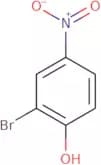
CAS:2-(Trifluoromethyl)phenothiazine is a reactive molecule that can form free radicals and covalent bonds with other molecules. The electron-attracting chlorine atom makes it a good model system for studying the effects of chlorine on other substances. 2-(Trifluoromethyl)phenothiazine has been shown to have anticancer activity, inhibiting tumor growth in mice. It also prevents the development of colorectal adenocarcinoma in rats and the formation of colonic polyps in mice by inducing apoptosis. This compound also inhibits DNA synthesis and protein synthesis, which may be due to its ability to react with hydroxyl groups on proteins or nucleic acids as well as its ability to form hydrogen bonds.Formula:C13H8F3NSPurity:Min. 95%Molecular weight:267.27 g/mol2-Bromo-4-nitrophenol
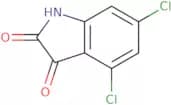
CAS:2-Bromo-4-nitrophenol is a byproduct of the reaction between hydrogen peroxide and sodium bromate. It can be detected in the presence of hydrochloric acid, which reacts with 2-bromo-4-nitrophenol to form an orange color that can be detected spectrophotometrically. 2-Bromo-4-nitrophenol has been shown to inhibit the growth of various strains of bacteria, including Escherichia coli, Bacillus subtilis, and Pseudomonas aeruginosa. This compound binds to flavin adenine dinucleotide (FAD) as well as other nucleophilic cofactors such as thioredoxin reductase. The binding affinity is increased when carbon sources are present. This property makes it a useful inhibitor for catalytic reduction reactions in biotechnology and synthetic chemistry applications.br>br> 2B4NP is a byFormula:C6H4BrNO3Purity:Min. 95%Color and Shape:PowderMolecular weight:218 g/mol4,6-Dichloroisatin
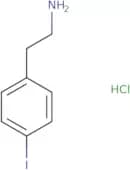
CAS:4,6-Dichloroisatin is a pro-apoptotic compound that is synthesized from amino acids. It has been shown to have anticancer activity in human liver cancer cells, which may be due to its ability to induce apoptosis. 4,6-Dichloroisatin has also been shown to inhibit the production of electron transport chain proteins in the mitochondria by binding to their regulatory sites and inhibiting their phosphorylation. This inhibition of electron transport chain proteins leads to an accumulation of electrons that can react with molecular oxygen and produce reactive oxygen species (ROS). ROS are known for their ability to cause DNA damage and cell death through oxidative stress.Formula:C8H3Cl2NO2Purity:Min. 95%Molecular weight:216.02 g/mol4-Iodo-benzeneethanamine HCl (1:1)
CAS:Controlled ProductPlease enquire for more information about 4-Iodo-benzeneethanamine HCl (1:1) including the price, delivery time and more detailed product information at the technical inquiry form on this pageFormula:C8H11ClINPurity:Min. 95%Molecular weight:283.54 g/molN-(1H-Indol-4-ylmethyl)-N-[2-(4-methoxyphenyl)ethyl]amine hydrochloride
CAS:Controlled ProductPlease enquire for more information about N-(1H-Indol-4-ylmethyl)-N-[2-(4-methoxyphenyl)ethyl]amine hydrochloride including the price, delivery time and more detailed product information at the technical inquiry form on this pageFormula:C18H20N2OPurity:Min. 95%Molecular weight:280.36 g/molMethscopolamine bromide
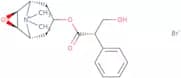
CAS:Methscopolamine bromide is a leukotriene receptor antagonist that is used to treat various conditions including bowel diseases and autoimmune diseases. Methscopolamine bromide binds to muscarinic receptors and blocks the action of acetylcholine, which mediates inflammation. Methscopolamine bromide can also be used to treat congestive heart failure. This drug has significant interactions with other medications, including thermal expansion, fatty acid metabolism, or symptoms of bowel disease. The drug should not be taken by patients who have had a stroke or who have asthma. It is contraindicated in patients who are pregnant or breastfeeding.Formula:C18H24BrNO4Purity:Min. 95%Color and Shape:White PowderMolecular weight:398.29 g/mol5-Bromo-3-chloro-1H-indazole
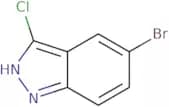
CAS:Please enquire for more information about 5-Bromo-3-chloro-1H-indazole including the price, delivery time and more detailed product information at the technical inquiry form on this pageFormula:C7H4BrClN2Purity:Min. 95%Molecular weight:231.48 g/mol2-Bromo-4-methyl-1,3-thiazole
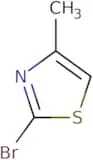
CAS:2-Bromo-4-methyl-1,3-thiazole is a diazotization agent that reacts with nitrogen and forms a terminal nitro group. This reaction system is used in the formation of diazo compounds and the synthesis of dyes. 2-Bromo-4-methyl-1,3-thiazole can be used to generate nitrogen oxide, which is a precursor for the manufacture of various types of nitro compounds. It also reacts with metal oxides to produce metal nitrates.Purity:Min. 95%N-Allyl-1-phenylcyclohexanamine hydrochloride
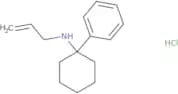
CAS:Controlled ProductPlease enquire for more information about N-Allyl-1-phenylcyclohexanamine hydrochloride including the price, delivery time and more detailed product information at the technical inquiry form on this pageFormula:C15H21NPurity:Min. 95%Molecular weight:215.33 g/molDecanoyl chloride
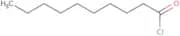
CAS:Decanoyl chloride is a fatty acid derivative that acts as a surfactant and detergent. It is used in the formulation of detergent compositions, such as pluronic f127, which are used for the production of antireflux agents, wetting agents, and solubilizers. Decanoyl chloride is also used in the manufacture of glycol esters and acylation reactions. The molecular weight of decanoyl chloride is between 138-144 g/mol. The chemical formula for decanoyl chloride is C10H20O2. Decanoyl chloride has an acid dissociation constant (pKa) of 10.5 at 25°C. The infrared spectrum shows bands at 1626 cm-1 and 1602 cm-1 due to stretching vibrations of the alkanoic acid moiety or C=O bond. Decanoyl chloride has a redox potential of +0.76 V vs Ag/AgCl atFormula:C10H19ClOPurity:Min. 95%Molecular weight:190.71 g/mol1-(4-Trifluoromethylbenzyl)piperazine
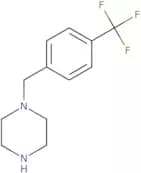
CAS:Controlled ProductPiperazine is a nitrogenous organic compound with a six-membered ring. It has been shown to be an inhibitor of some viruses, including influenza virus, herpes virus, and human immunodeficiency virus type 1 (HIV-1). Piperazine has been shown to inhibit the replication of both RNA and DNA viruses in vitro. This drug also inhibits the replication of hepatitis B virus in vitro and has been shown to have an inhibitory effect on the replication of HIV-1 in vitro. Piperazine is not active against RNA or DNA viruses that use only reverse transcriptase for viral replication. The chemical structure of piperazine is similar to that of amines, which are known to have antiviral properties. Piperazine can be synthesized from benzaldehyde and ammonia by reaction with hydrochloric acid and sodium nitrate.
Formula:C12H15F3N2Purity:Min. 95%Molecular weight:244.26 g/mol
![[1,1'-Bis(diphenylphosphino)ferrocene]-dichloropalladium (II) dichloromethane complex](/_next/image/?url=https%3A%2Fstatic.cymitquimica.com%2Fproducts%2F3D%2Fthumb-webp%2FFB31909.webp&w=3840&q=75)


![[2-(Difluoromethyl)phenyl]boronic acid](/_next/image/?url=https%3A%2Fstatic.cymitquimica.com%2Fproducts%2F3D%2Fthumb-webp%2FFD84620.webp&w=3840&q=75)




![N-(1H-Indol-4-ylmethyl)-N-[2-(4-methoxyphenyl)ethyl]amine hydrochloride](/_next/image/?url=https%3A%2Fstatic.cymitquimica.com%2Fproducts%2F3D%2Fthumb-webp%2FFI116235.webp&w=3840&q=75)