Organic Halides
Subcategories of "Organic Halides"
Found 20442 products of "Organic Halides"
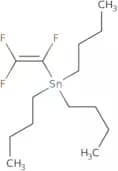
Tributyl(trifluoroethenyl)stannane
CAS:Controlled ProductTributyl(trifluoroethynyl)stannane is a drug that has immunosuppressive activity. It is used to treat certain cancers, including chronic lymphocytic leukemia and rheumatoid arthritis. Tributyl(trifluoroethynyl)stannane has been shown to inhibit the production of cytokines and other inflammatory mediators by macrophages, which may be due to its ability to inhibit DNA synthesis.
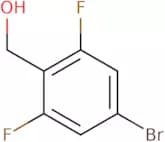
Formula:C14H27F3SnPurity:Min. 95%Molecular weight:371.07 g/mol4-Bromo-2,6-difluorobenzyl alcohol
CAS:4-Bromo-2,6-difluorobenzyl alcohol (4BDFA) is a molecule that has been shown to be able to produce magnetic resonance images. It can be used in tumor diagnosis as well as in the imaging of tumors. 4BDFA is synthesized by coupling 2,6-difluoroaniline with bromoacetaldehyde diethyl acetal. The syntheses are carried out under phase transfer catalysis conditions and the reaction is monitored by thin layer chromatography.
The synthesis of 4BDFA starts with the preparation of 2,6-difluoroaniline via a Grignard reaction between aniline and magnesium metal. The Grignard reagent is then added to bromoacetaldehyde diethyl acetal in dichloromethane followed by addition of triethylamine dropwise to maintain pH neutrality. The product is then extracted from the organic solution using ethyl etherFormula:C7H5BrF2OPurity:Min. 95%Color and Shape:PowderMolecular weight:223.01 g/mol1-Bromo-4-chloro-2-fluorobenzene
CAS:1-Bromo-4-chloro-2-fluorobenzene is an antifungal agent that has been shown to be active against staphylococci, gram-negative bacteria, and fungi. The combination of 1-bromo-4-chloro-2-fluorobenzene with formaldehyde yields a synergistic effect. The inhibitory concentration for the growth of cereus and carbonation is 0.5% and 0.1%, respectively. It also shows antibacterial properties towards Gram positive bacteria, including Staphylococcus aureus and Enterococcus faecalis. 1–Bromo-4–chloro–2–fluorobenzene inhibits bacterial growth by binding to DNA gyrase, which prevents transcription and replication. The high frequency of human activity has been shown using a patch clamp technique on human erythrocytes. This active form is metabolized through a number of metabolic transformations,
Formula:C6H3BrClFPurity:Min. 95%Color and Shape:Clear LiquidMolecular weight:209.44 g/molRef: 3D-FB19144
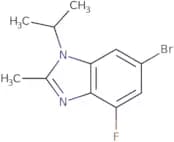
Discontinued product6-Bromo-4-fluoro-2-methyl-1-propan-2-ylbenzimidazole
CAS:6-Bromo-4-fluoro-2-methyl-1-propan-2-ylbenzimidazole is an environmental pollutant that can be found in deionized water, as a result of the reaction between hydrochloric acid and benzene. It has been synthesized using the industrial synthesis method by reacting n-hexane with sodium sulfate, followed by treatment with acetone and hydriodic acid. 6BFMBI is a white solid that reacts with hydrogen to produce acetone and formaldehyde. The reaction time for this compound is about three hours at room temperature.
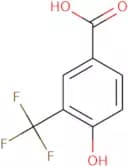
Formula:C11H12BrFN2Purity:Min. 95%Color and Shape:PowderMolecular weight:271.13 g/mol4-Hydroxy-3-(trifluoromethyl)benzoic acid
CAS:4-Hydroxy-3-(trifluoromethyl)benzoic acid (4OTFB) is a ligand that binds to the inflammatory response receptor complex. The 4OTFB-ligand complex has been shown to inhibit inflammation in animals and humans, which may be due to its ability to inhibit the production of proinflammatory cytokines and suppress the production of reactive oxygen species (ROS). 4OTFB was found to bind strongly to sew2871, a protein that regulates the inflammatory response. However, it did not bind with any other proteins in the brain tissue extract. This suggests that 4OTFB might not have any adverse effects on brain function.
Formula:C8H5F3O3Purity:Min. 95%Color and Shape:PowderMolecular weight:206.12 g/molRef: 3D-FH67495
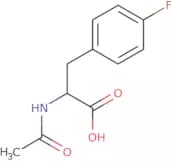
Discontinued productN-Acetyl-DL-p-fluorophenylalanine
CAS:N-Acetyl-DL-p-fluorophenylalanine is a chemical compound that can be used as a research chemical, or in the synthesis of other compounds. It is a reactive ingredient and can be used as a reagent. N-Acetyl-DL-p-fluorophenylalanine belongs to the class of speciality chemicals and can be used as an intermediate in the synthesis of other compounds. This compound has been found to be useful for the production of fine chemicals and complex compounds.
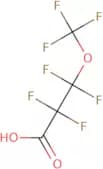
Formula:C11H12FNO3Purity:Min. 95%Color and Shape:PowderMolecular weight:225.22 g/mol2,2,3,3-Tetrafluoro-3-(trifluoromethoxy)propanoic acid
CAS:2,2,3,3-Tetrafluoro-3-(trifluoromethoxy)propanoic acid (TFMP) is a fluorine-containing monomer that can be synthesized in an efficient method. TFMP is a resistant strain and has been shown to react with amines, carbonyls, and carboxylic groups. It can be copolymerized with other monomers to form polymeric materials. TFMP is a fluoride monomer that exhibits properties similar to perfluoroalkyl methacrylate monomers.
Formula:C4HF7O3Purity:Min. 95%Color and Shape:Clear LiquidMolecular weight:230.04 g/molRef: 3D-FT93802
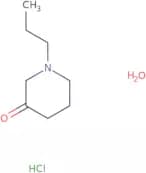
Discontinued product1-Propyl-3-piperidone hydrochloride hydrate
CAS:1-Propyl-3-piperidone hydrochloride hydrate is a high quality chemical that can be used as a reagent in organic synthesis. It is an intermediate for the production of pharmaceuticals, agrochemicals, and other chemicals. 1-Propyl-3-piperidone hydrochloride hydrate is also a versatile building block with many uses as a reaction component. This compound has been shown to have antiulcer properties and may also have potential as an analgesic.Formula:C8H15NO·HCl·H2OPurity:Min. 95%Color and Shape:PowderMolecular weight:195.69 g/molRef: 3D-FP67040
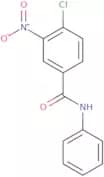
Discontinued product4-Chloro-3-nitrobenzanilide
CAS:4-Chloro-3-nitrobenzanilide is a versatile building block for the preparation of complex compounds. It is used as a reagent in research and as a speciality chemical for the production of high quality fine chemicals. This compound can be used as a reaction component or scaffold to synthesize other compounds. 4-Chloro-3-nitrobenzanilide is a useful intermediate in organic synthesis because it has many functional groups that are easy to modify, making it easy to synthesize new compounds.
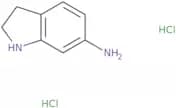
Formula:C13H9ClN2O3Purity:Min. 95%Color and Shape:PowderMolecular weight:276.67 g/mol6-Aminoindoline dihydrochloride
CAS:Please enquire for more information about 6-Aminoindoline dihydrochloride including the price, delivery time and more detailed product information at the technical inquiry form on this page
Formula:C8H10N2•(HCl)2Purity:Min. 95%Molecular weight:207.1 g/molRef: 3D-FA52349
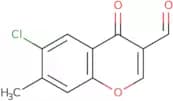
Discontinued product6-Chloro-7-methyl-3-formylchromone
CAS:6-Chloro-7-methyl-3-formylchromone is a magnetic nanoparticle that can be used in the detection of coordination compounds. The coordination compound is first reduced to form the corresponding phosphoryl complex, which is then detected by the change in color and intensity of the magnetic nanoparticles. This reaction is linear over a wide range of concentrations and pH values and does not require additional reagents or solvents. The colorimetric method for this reaction has been shown to be effective for detecting ursolic acid, zirconium, gold nanoparticles, and linear ranges.br>br>
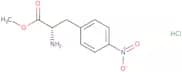
The phosphatase PTP1B enzyme is responsible for regulating glucose levels in cells. It has been shown that 6-chloro-7-methyl-3-formylchromone inhibits PTP1B activity by dephosphorylation at cysteine residues. This inhibition leads to increased glucose uptake and decreased insulin release from pancreatic beta cellsFormula:C11H7ClO3Purity:Min. 95%Color and Shape:PowderMolecular weight:222.62 g/mol4-Nitro-L-phenylalanine methyl ester hydrochloride
CAS:4-Nitro-L-phenylalanine methyl ester hydrochloride is a 4-nitrophenyl derivative of L-phenylalanine. It is a useful building block, reagent, or scaffold in organic synthesis. This compound finds use as a precursor to other derivatives and it has been used in the preparation of complex compounds. 4-Nitro-L-phenylalanine methyl ester hydrochloride is also used as a reaction component for the synthesis of different organic compounds and as a useful intermediate.
Formula:C10H13N2O4ClPurity:Min. 98 Area-%Color and Shape:White PowderMolecular weight:260.67 g/molRef: 3D-FN45027
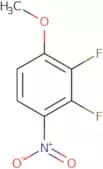
Discontinued product2,3-Difluoro-4-nitroanisole
CAS:2,3-Difluoro-4-nitroanisole is a chemical compound with CAS No. 66684-59-1. It is a useful intermediate that can be used to synthesize other chemicals and compounds. 2,3-Difluoro-4-nitroanisole can be used for the synthesis of research chemicals and speciality chemicals. This compound has been found to be a versatile building block that can be used in many reactions as a reagent. 2,3-Difluoro-4-nitroanisole has high quality and is a fine chemical with many uses.
Formula:C7H5F2NO3Purity:Min. 95%Molecular weight:189.12 g/molRef: 3D-FD70068
Discontinued product(Des-Gly10,D-Trp6,D-Leu7,Pro-NHEt 9)-LHRH trifluoroacetate salt
Please enquire for more information about (Des-Gly10,D-Trp6,D-Leu7,Pro-NHEt 9)-LHRH trifluoroacetate salt including the price, delivery time and more detailed product information at the technical inquiry form on this pageFormula:C64H83N17O12Purity:Min. 95%Color and Shape:PowderMolecular weight:1,282.45 g/molRef: 3D-FD109429
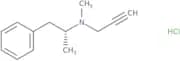
Discontinued productSelegiline hydrochloride
CAS:Controlled ProductMonoamine oxidase B inhibitor
Formula:C13H18ClNPurity:(Hplc) Min. 98 Area-%Color and Shape:White PowderMolecular weight:223.74 g/molRef: 3D-FD21064
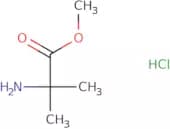
Discontinued productα-Aminoisobutyric acid methyl ester hydrochloride
CAS:Alpha-aminoisobutyric acid methyl ester hydrochloride (AABME) is an amino acid that is a metabolite of the neurotransmitter GABA. It has been shown to be transported across the blood-brain barrier by a carrier-mediated transport system and is taken up by neurons via a solute carrier family 38 member 2 transporter. AABME has been observed at physiological levels in maternal blood plasma, urine, cerebrospinal fluid, and brain tissue. It has also been studied in vitro using 3T3-L1 preadipocytes as a model for adipogenesis. In this context, it has been shown to increase cell proliferation and inhibit apoptosis.
Formula:C5H11NO2•HClColor and Shape:PowderMolecular weight:153.61 g/molRef: 3D-FA49954
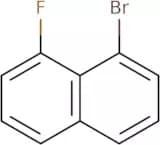
Discontinued product1-Bromo-8-fluoronaphthalene
CAS:1-Bromo-8-fluoronaphthalene is a versatile compound that has various applications in the field of research and medicine. It is commonly used as a building block for the synthesis of different compounds, including misoprostol, a medication used to prevent stomach ulcers. Additionally, 1-Bromo-8-fluoronaphthalene has been found to enhance the growth factor effect of allopregnanolone, a neurosteroid with potential therapeutic benefits.
Formula:C10H6BrFPurity:Min. 95%Color and Shape:Clear LiquidMolecular weight:225.06 g/molRef: 3D-FB78506
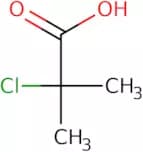
Discontinued product2-Chloro-2-methylpropionic acid
CAS:2-Chloro-2-methylpropionic acid (MCPA) is a chemical compound that belongs to the group of organic compounds called acyl chlorides. It is used in industry for the production of acrylic acid and polyacrylic acid, as well as in the production of herbicides. MCPA is produced by reacting an alkali metal with 2-chloroethanol and thioacetic acid. This reaction can be catalyzed by a variety of compounds, including palladium chloride, nickel chloride, and titanium tetrachloride. The high yield of this reaction makes it suitable for commercial use. MCPA also has been shown to stimulate cell growth through its inhibition of monomers from polymerization into polymers.
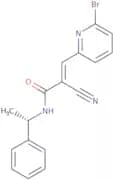
Formula:C4H7ClO2Purity:Min. 95%Color and Shape:PowderMolecular weight:122.55 g/mol(S,E)-3-(6-Bromopyridin-2-yl)-2-cyano-N-(1-phenylethyl)acrylamide
CAS:(S,E)-3-(6-Bromopyridin-2-yl)-2-cyano-N-(1-phenylethyl)acrylamide (MBI-23) is a potential antineoplastic agent that has been shown to induce regression of bladder cancer in mice. MBI-23 induces apoptosis by inhibiting the proliferation of cancer cells and inducing differentiation of cancer stem cells. It is also shown to inhibit tumor growth and progression in glioma and prostate cancer models. MBI-23 binds to the KDR receptor subtype, which is activated by organic acids and inhibited by inorganic compounds. This binding leads to constitutive activation of the KDR receptor, thereby inducing apoptosis. The tautomers and stereoisomers of MBI-23 have not been fully elucidated yet.Formula:C17H14ON3BrPurity:Min. 98 Area-%Color and Shape:White PowderMolecular weight:356.22 g/molRef: 3D-FB34118
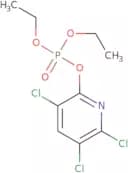
Discontinued productChlorpyrifos oxon
CAS:Chlorpyrifos oxon is a site-specific acetylcholinesterase inhibitor that is used as a sample preparation chemical for the analysis of fatty acids, hydroxyl groups, and pharmacological agents. Chlorpyrifos oxon can be used to study the effects of sublethal doses on probiotic bacteria. It has been found that chlorpyrifos oxon inhibits the activity of human serum acetylcholinesterase by binding to its active site with high affinity. The inhibition of acetylcholinesterase by chlorpyrifos oxon prevents the hydrolysis of acetylcholine at cholinergic synapses in the brain and peripheral nervous system. This leads to accumulation of acetylcholine and an increase in stimulation of postsynaptic receptors, resulting in increased transmission across neuronal synapses. Chlorpyrifos oxon also is known to have immunomodulatory properties and has been shown to stimulate
Formula:C9H11Cl3NO4PPurity:Min. 95%Molecular weight:334.52 g/molRef: 3D-FC20412
Discontinued product1-[(2,6-Difluorophenyl)Methyl]-4-Methyl-2-Propan-2-Ylbenzimidazole
CAS:Controlled Product1-[(2,6-Difluorophenyl)Methyl]-4-Methyl-2-Propan-2-Ylbenzimidazole is a broad spectrum HIV drug that inhibits the HIV transcriptase. It binds to the active site of the enzyme and blocks the binding of nucleotides, preventing RNA synthesis. 1-[(2,6-Difluorophenyl)Methyl]-4-Methyl-2-Propan-2-Ylbenzimidazole has been shown to be effective against HIV in vitro and in vivo. This inhibitor has been shown to inhibit both wild type and mutant forms of HIV transcriptase by binding to the same region of the enzyme. The molecule also shows good activity against other types of viruses, including influenza virus, vesicular stomatitis virus and poliovirus.
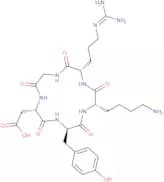
Formula:C18H18F2N2Purity:Min. 95%Molecular weight:300.35 g/molCyclo(-Arg-Gly-Asp-D-Tyr-Lys) trifluoroacetate salt
CAS:Cyclo(-Arg-Gly-Asp-D-Tyr-Lys) trifluoroacetate salt is a reagent that is used in organic synthesis as a building block to create complex compounds. It is also useful for research purposes, as it can be used to produce high quality products. Cyclo(-Arg-Gly-Asp-D-Tyr-Lys) trifluoroacetate salt is a chemical with CAS No. 217099-14-4 and has the chemical formula C17H21N3O2F3.Formula:C27H41N9O8Purity:Min. 95%Color and Shape:White SolidMolecular weight:619.67 g/molRef: 3D-FC110223
Discontinued productPentafluorophenyl isocyanate
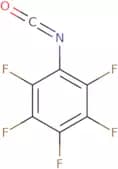
CAS:Pentafluorophenyl isocyanate (PFIC) is a reactive compound that has been used as a reagent in organic synthesis. It is a low-energy molecule and can bind to functional groups, including those found in cancer cells. PFIC can be used in the Friedel-Crafts reaction with an appropriate partner. This reaction produces high values of chromatographic and polymeric films that are stable at high temperatures.
Formula:C7F5NOPurity:Min. 97%Color and Shape:Colorless Clear LiquidMolecular weight:209.07 g/molRef: 3D-FP14268
Discontinued product3-Bromo-5-(trifluoromethyl)phenol
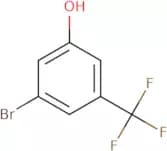
CAS:3-Bromo-5-(trifluoromethyl)phenol is a versatile building block that is used as a scaffold for synthesis of complex compounds. It can be used as a reaction component in the synthesis of valuable chemical products, such as fine chemicals and research chemicals. 3-Bromo-5-(trifluoromethyl)phenol is also useful for the production of speciality chemicals. This chemical has been shown to have high quality and can be used as a reagent in organic synthesis.
Formula:C7H4BrF3OPurity:Min. 95%Color and Shape:Colorless Clear LiquidMolecular weight:241.01 g/mol2-Amino-5-iodobenzoic acid ethyl ester
CAS:2-Amino-5-iodobenzoic acid ethyl ester is a chemical reagent that is used to prepare 2-chloro-5-iodobenzoic acid. It can be prepared by the hydrolysis of 2,4,6-trinitrobenzene with an aqueous solution of sodium hydroxide. The iodination reaction proceeds in two steps: (1) chlorination of methyl anthranilate with chlorine and (2) addition of the resultant product to 2,4,6-trinitrobenzene. In the first step, methyl anthranilate reacts with chlorine to form 2-chloro-5-iodobenzoic acid ethyl ester and hydrogen chloride gas. In the second step, this product reacts with 2,4,6-trinitrobenzene to form 2-amino 5 -iodobenzoic acid ethyl ester and nitrogen gas
Formula:C9H10INO2Purity:Min. 95%Color and Shape:PowderMolecular weight:291.09 g/mol1,1,2,3-Tetrachloro-1-fluoropropane
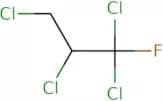
CAS:Controlled Product1,1,2,3-Tetrachloro-1-fluoropropane is a solvent that can be used to solvate organic compounds. It is volatile and has a boiling point of -78°C. This compound is used in the chlorination of methane and ethane, which produces 1,1,2-trichloroethane and 1,2-dichloroethane respectively. Hydrogen fluoride is also produced as an unwanted byproduct. The chlorine produced by this process is then catalyzed to form fluorine gas. This gas can be vaporized or depletes depending on the reaction conditions and the temperature of the reactor. Fluorine gas reacts with atmospheric water vapor to produce hydrofluoric acid (HF). When HF comes into contact with moist surfaces it will corrode them and produce hydrogen ions that react with metal oxides to produce metal salts and water. The emission of HF from chlorofluorocarbons
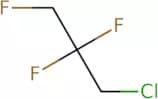
Formula:C3H3Cl4FPurity:Min. 95%Molecular weight:199.87 g/mol1-Chloro-2,2,3-Trifluoropropane
CAS:Controlled Product1-Chloro-2,2,3-trifluoropropane is a chemical compound that belongs to the group of chlorinating agents. It is a preparative agent for chlorine and hydrochloric acid. 1-Chloro-2,2,3-trifluoropropane has been used in thermoelectric applications as an intermediate in the production of hydrogen fluoride. It has also been used as a reagent for producing fluorine gas or hydrofluoric acid. This chemical is also used in preparative methods to produce diode lasers or monofluorides.
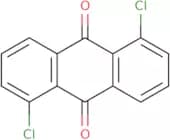
Formula:C3H4ClF3Purity:Min. 95%Molecular weight:132.51 g/mol1,5-Dichloroanthraquinone
CAS:1,5-Dichloroanthraquinone is a chlorine atom with a carbonyl group that is a reactive synthetic intermediate. It is used in the synthesis of palladium complexes. 1,5-Dichloroanthraquinone has been shown to react with hydrochloric acid to form an anhydrous sodium salt and calcium carbonate. The fluorescence properties of this compound have also been studied. 1,5-Dichloroanthraquinone has been found to be cytotoxic in vitro and the reaction mechanism has been determined by vibrational spectroscopy and x-ray crystal structures.
Formula:C14H6Cl2O2Purity:Min. 95%Color and Shape:PowderMolecular weight:277.1 g/molRef: 3D-FD34628
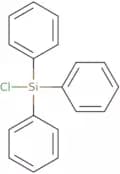
Discontinued productTriphenylchlorosilane
CAS:Triphenylchlorosilane is a reactive compound that has been used as a model system for studying the reaction of congestive heart failure. It has been shown to inhibit energy metabolism and cell factor, which are important factors in the progression of congestive heart failure. Triphenylchlorosilane also reacts with p-hydroxybenzoic acid to form an unstable intermediate, which undergoes intramolecular hydrogen transfer to give the final product. The reaction mechanism is proposed to be a coordination geometry involving three chlorine atoms. This compound is not reactive with sodium salts or structural analysis, but it does bind signal peptide in vivo models and can be used as a probe for protein-protein interactions.
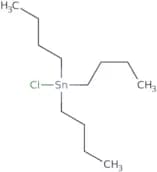
Formula:C18H15ClSiPurity:Min. 95%Color and Shape:PowderMolecular weight:294.85 g/molTributyltin chloride
CAS:Controlled ProductTributyltin chloride is an experimental chemical that is used as a model for apoptosis. It binds to the chloride ion and induces apoptosis in 3T3-L1 preadipocytes. The process of apoptosis involves the mitochondrial membrane potential, which is an important factor in the regulation of intracellular Ca2+ levels. Tributyltin chloride has also been shown to increase copper-induced toxicity in cells by inhibiting ryanodine receptors, which are involved in calcium homeostasis. Tributyltin chloride has a phase transition temperature of -25°C and is not soluble in water; it can be dissolved in methanol, ethanol, acetone, benzene, chloroform, hexane, or ether. Tributyltin chloride also has been shown to have physiological effects on cell nuclei and maternal blood cells.
Formula:C12H27ClSnPurity:Min. 95%Color and Shape:Colourless To Yellowish LiquidMolecular weight:325.51 g/mol2,2-Difluoro-2-[1,1,2,2-tetrafluoro-2-(trifluoromethoxy)ethoxy]acetic acid
CAS:2,2-Difluoro-2-[1,1,2,2-tetrafluoro-2-(trifluoromethoxy)ethoxy]-acetic acid is a fluorinated compound that can be used as an adsorbent for organic compounds. It is a highly selective material and has high adsorption capacity. The adsorption equilibrium data for 2,2-difluoro-2-[1,1,2,2-tetrafluoro-2-(trifluoromethoxy)ethoxy]-acetic acid are given in the table below. Table: Adsorption Equilibrium Data Temperature (°C) Pressure (kPa) Vapor Pressure (Pa) Equilibrium Vapor Pressure (Pa) Adsorption Capacity (%) 0 0.001 0.0008 0.0012 100
Formula:C5HF9O4Purity:Min. 95%Color and Shape:Clear LiquidMolecular weight:296.04 g/molRef: 3D-FD99821
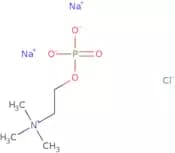
Discontinued productPhosphocholine chloride sodium salt hydrate
CAS:Phosphocholine chloride sodium salt hydrate is an organic compound that is used as a cross-linking agent in the production of polymers. It is also used as a reactant in ring-opening reactions and as an intermediate in the synthesis of pyridinium salts. This product has been shown to be metabolized by human serum to form fatty acids, which may play a role in metabolic disorders such as obesity and diabetes. The reagent can also be used for the chromatographic determination of cholesterol and other lipids.
Formula:C5H13ClNNa2O4P·xH2OPurity:Min. 95%Color and Shape:White PowderMolecular weight:263.58 g/molRef: 3D-FP75522
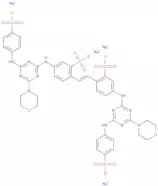
Discontinued productFluorescent Brightener 210, Technical grade
CAS:Fluorescent Brightener 210 is a water-soluble, non-toxic, non-irritating, and non-sensitizing penetrant that fluoresces under ultraviolet light. It is used in the textile industry as a dye for cotton and wool and to increase the brightness of colors on paper. Fluorescent Brightener 210 is also used as an effective drug for mycoses, such as tinea pedis and ringworm of the body. This drug can be applied topically or taken by mouth. Fluorescent Brightener 210 has been shown to be effective against tinea pedis when irradiated with ultraviolet light at a dosage of 2 milligrams per square centimeter of skin for 8 hours per day for 4 weeks. The drug must be applied twice daily to the affected area during this time period. When used orally, Fluorescent Brightener 210 has been shown to reduce symptoms of tinea corporis and tinea cruris within 3 days of treatment in most
Formula:C40H36N12O14S4Na4Color and Shape:Clear LiquidMolecular weight:1,129 g/molRef: 3D-FF41178
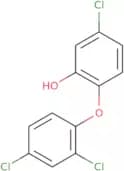
Discontinued productTrichlorosan
CAS:Trichlorosan is a biocide that is used as a disinfectant and preservative, and has also been shown to have antibacterial properties. It is often used in industrial settings to inhibit the growth of bacteria in process water, cooling towers, and wastewater treatment systems. Trichlorosan has been shown to be genotoxic in rats at high doses. This chemical can be found in personal care products such as soaps, toothpaste, mouthwash, deodorants, or body lotion. It can also be found in some household items such as kitchenware, clothes and bedding. Triclosan is one of the active ingredients in trichlorosan that prevents bacterial growth by binding to the enzyme that catalyzes the conversion of glycerol to fatty acids and lysing cells through cell membrane disruption. The enzyme activity index for triclosan was determined by measuring the amount of time it takes for a solution containing benzalkonium chloride (B
Formula:C12H7Cl3O2Purity:Min. 95%Color and Shape:White PowderMolecular weight:289.54 g/molRef: 3D-FT02357
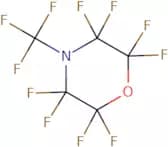
Discontinued productPerfluoro-N-Methylmorpholine
CAS:Perfluoro-N-Methylmorpholine (PMM) is a perfluorinated solvent with high boiling point, which makes it suitable for high temperature and pressure applications. PMM is an acyl halide that can be used as a solvent or in the synthesis of other perfluorinated compounds. The cyclic structure of PMM provides stability and high yields. The oxidation resistance of PMM allows it to be used in harsh environments. Cleavage products from PMM are not toxic, making this compound environmentally friendly. PMM can be used in organic chemistry as a solvent for reactions involving dialkylamino groups, such as the production of cyclic compounds. It can also be used in the synthesis of perfluorinated polymers as well as in the manufacture of coatings, foams, lubricants, and surfactants.
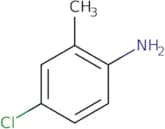
Formula:C5F11NOPurity:Min. 95%Color and Shape:Clear LiquidMolecular weight:299.04 g/mol4-Chloro-2-methylaniline
CAS:4-Chloro-2-methylaniline (CMA) is a chemical that belongs to the group of amines and is used as an intermediate in the manufacture of dyes, pesticides and pharmaceuticals. CMA has been shown to be toxic to humans through skin contact, inhalation or ingestion. This substance also disrupts the activity of enzymes such as acetylcholinesterase, which is responsible for breaking down acetylcholine and regulating muscle contractions. Long-term exposure to this chemical may lead to bladder cancer. CMA can also be used as a model for carcinogenic potential studies due to its ability to induce cancer in animals.
Formula:C7H8ClNPurity:Min. 95%Molecular weight:141.6 g/molRef: 3D-FC64323
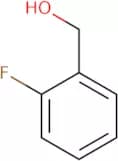
Discontinued producto-Fluorobenzyl alcohol
CAS:O-Fluorobenzyl alcohol is a compound with the chemical formula of C6H5FO. It is a colorless liquid with a sweet odor and tastes like ether. This compound is soluble in water, ethanol, and acetone. O-Fluorobenzyl alcohol has been used as an analytical reagent for the determination of protonated molecules such as phenols or carbohydrates. It also has cytotoxic properties, which have been shown to be effective against cancer cells. O-Fluorobenzyl alcohol acts as a γ-secretase inhibitor by binding to the catalytic site of the enzyme, preventing proteolytic cleavage of amyloid precursor protein (APP) and subsequent production of amyloid β peptide (Aβ).
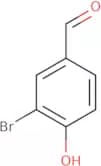
Formula:C7H7FOPurity:Min. 95%Color and Shape:Clear LiquidMolecular weight:126.13 g/mol3-Bromo-4-hydroxybenzaldehyde
CAS:3-Bromo-4-hydroxybenzaldehyde is a fluorescence probe that can be used to identify the presence of hydroxyl groups in organic solutions. It reacts with hydrochloric acid to form a green solution and a gas. 3-Bromo-4-hydroxybenzaldehyde has been used to study hydroxyl groups in human serum, plant physiology, and surfactant sodium dodecyl (SDS). This compound has shown potent inhibition against an enzyme called benzoyl peroxide reductase. 3-Bromo-4-hydroxybenzaldehyde is soluble in water, but not in ether. The molecular weight of this compound is 176.3 g/mol.
Formula:C7H5BrO2Purity:Min. 95%Color and Shape:PowderMolecular weight:201.02 g/molRef: 3D-FB30014
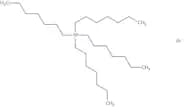
Discontinued productTetraheptylammonium bromide
CAS:Tetraheptylammonium bromide is a solid catalyst that can be used for the preparation of pyrimidine compounds. Tetraheptylammonium bromide is a phase transition material with a melting point of about -60°C. It is used as an analytical reagent in the determination of metal ions by solution equilibria, and has been shown to have hemolytic activity. Tetraheptylammonium bromide has been shown to be a selective hydroxyl group-containing compound, which can be used in analytical chemistry methods such as linear calibration curves and carbon disulfide titrations.
Formula:C28H60BrNPurity:Min. 98%Color and Shape:PowderMolecular weight:490.69 g/molRef: 3D-FT13269
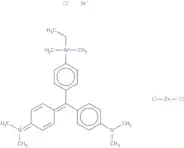
Discontinued productMethyl green, zinc chloride
CAS:Methyl green zinc chloride is a reagent that is used as a building block for research chemicals, speciality chemicals, and fine chemicals. It is also an intermediate in the synthesis of many biologically active compounds. Methyl green zinc chloride can be used as a versatile building block in the preparation of complex compounds. It is soluble in water and has CAS number 7114-03-6.
Formula:C27H35BrClN3•ZnCl2Purity:Min. 95%Color and Shape:PowderMolecular weight:653.23 g/molRef: 3D-FM40148
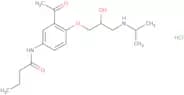
Discontinued productAcebutolol hydrochloride
CAS:Controlled ProductAcebutolol is a non-selective beta-blocker that is used for the treatment of hypertension and other conditions. It inhibits the ryanodine receptor and prevents calcium release, which has been shown to be responsible for the contraction of cardiac muscle. Acebutolol also inhibits phosphodiesterase, which leads to increased levels of cyclic adenosine monophosphate (cAMP) in cells. In addition, acebutolol has been shown to inhibit the production of inflammatory mediators by inhibiting prostaglandin synthesis. The most common adverse effects include drowsiness, dizziness, fatigue, and headache. Acebutolol hydrochloride can be found in wastewater as a result of its use in humans and animals. This drug can be detected in wastewater using solid phase microextraction followed by gas chromatography/mass spectrometry (GC/MS).
Formula:C18H28N2O4•HClPurity:Min. 95%Color and Shape:PowderMolecular weight:372.89 g/molRef: 3D-FA16907
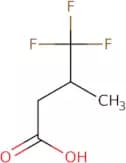
Discontinued product3-Trifluoromethylbutyric acid
CAS:3-Trifluoromethylbutyric acid is a synthetic compound that has been studied as a potential drug for the treatment of dyslipidemia. 3-Trifluoromethylbutyric acid binds to the enzyme phosphatase, which is a key regulator of lipid metabolism and controls the production of lipids in cells. This binding prevents the phosphatase from breaking down phosphoinositides, leading to an increase in the levels of phosphoinositides. The resulting increase in the levels of these molecules causes an increase in the number of insulin receptors on cell surfaces and leads to an improvement in insulin sensitivity. 3-Trifluoromethylbutyric acid also has binding sites on human cells that are specific for subtype 7, which is associated with lower risk for cardiovascular disease, obesity, and diabetes.
Formula:C5H7F3O2Purity:Min. 95%Color and Shape:Colorless PowderMolecular weight:156.1 g/molRef: 3D-FT96532
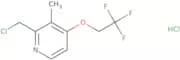
Discontinued product2-Chloromethyl-3-methyl-4-(2,2,2-trifluoroethoxy)pyridine, hydrochloride
CAS:Please enquire for more information about 2-Chloromethyl-3-methyl-4-(2,2,2-trifluoroethoxy)pyridine, hydrochloride including the price, delivery time and more detailed product information at the technical inquiry form on this page
Formula:C9H10Cl2F3NOPurity:Min. 95%Molecular weight:276.08 g/molRef: 3D-FC20275
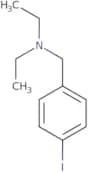
Discontinued productN,N-Diethyl-N-(4-iodobenzyl)amine
CAS:N,N-Diethyl-N-(4-iodobenzyl)amine is a high quality and versatile building block that is used as a reagent, speciality chemical, or intermediate. The compound has been found to be useful in the synthesis of complex compounds. It can also be used as a reaction component for various organic synthesis reactions. N,N-Diethyl-N-(4-iodobenzyl)amine is commercially available from Sigma Aldrich with CAS No. 914636-94-5.
Formula:C11H16INPurity:Min. 95%Color and Shape:PowderMolecular weight:289.16 g/molN-[6-Chloro-5-(2-methoxyphenoxy)-(2,2-bipyrimidine)4-4-yl]-(1,1-dimethylethyl)-benzenesulfonamide
CAS:N-[6-Chloro-5-(2-methoxyphenoxy)-(2,2-bipyrimidine)4-4-yl]-(1,1-dimethylethyl)-benzenesulfonamide is a reagent that can be used as a reaction component in the synthesis of complex compounds. It has high quality and is a versatile building block for the synthesis of speciality chemicals. N-[6-Chloro-5-(2-methoxyphenoxy)-(2,2-bipyrimidine)4-4-yl]-(1,1-dimethylethyl)-benzenesulfonamide is also a useful intermediate in the synthesis of fine chemicals.
Formula:C25H24ClN5O4SPurity:Min. 95%Color and Shape:White PowderMolecular weight:526.01 g/molRef: 3D-FC20113
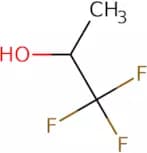
Discontinued product1,1,1-Trifluoro-2-propanol
CAS:1,1,1-Trifluoro-2-propanol (TFHP) is a molecule that contains three hydrogen atoms and two fluorine atoms. It has a frequency shift of 0.00116 cm−1 in the infrared spectrum due to the conformational properties of its hydroxyl group, which causes the OH stretching vibration to be shifted. TFHP is a weak acid that reacts with sodium trifluoroacetate to form trifluoroacetic acid and hydroxyl ions. TFHP has been shown to have biological properties in bacteria, such as inhibiting bacterial growth and suppressing protein synthesis. The molecular structure of TFHP is made up of a hydrogen atom on each nitrogen atom, which is then bonded to an intramolecular hydrogen bond and an intermolecular hydrogen bond with other TFHP molecules. The deuterium isotope can also be found in this compound, which will cause a shift in IR frequency from 0.00116 cm
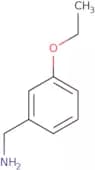
Formula:C3H5F3OPurity:Min. 95%Color and Shape:Clear LiquidMolecular weight:114.07 g/mol3-Ethoxybenzylamine hydrochloride
CAS:3-Ethoxybenzylamine hydrochloride is a chemical compound that belongs to the group of industrial chemicals. It is used as an intermediate for the production of vanillin and as a catalyst for hydrogenation reactions. 3-Ethoxybenzylamine hydrochloride can be used in large-scale, industrial reactions. The target product is a reaction solvent that can be used in reduction reactions and aminations. The catalytic activity of 3-ethoxybenzylamine hydrochloride has been shown to increase with increasing pH, temperature, and concentration. The use of this product as a catalyst in the hydrogenation process results in high yield products with low levels of byproducts.
Formula:C9H13NO·HClPurity:Min. 95%Color and Shape:White PowderMolecular weight:187.67 g/molRef: 3D-FE70078
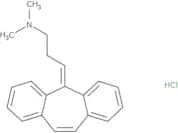
Discontinued productCyclobenzaprine hydrochloride
CAS:Antagonist of serotonin 5HT-2, histamine H1 and α-adrenergic receptors
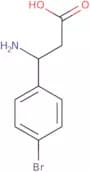
Formula:C20H21N·ClHPurity:Min. 95%Color and Shape:White PowderMolecular weight:311.85 g/mol3-Amino-3-(4-bromophenyl)propanoic acid
CAS:3-Amino-3-(4-bromophenyl)propanoic acid is a versatile building block that is used in the synthesis of many different compounds. It is a reagent, useful as a research chemical and as a speciality chemical. 3-Amino-3-(4-bromophenyl)propanoic acid has been used in the synthesis of a number of complex compounds, including pharmaceuticals and pesticides. This compound is a good choice for use in organic synthesis because it reacts readily with an array of functional groups, such as carboxylic acids and amines.Formula:C9H10BrNO2Purity:Min. 95%Color and Shape:PowderMolecular weight:244.09 g/molRef: 3D-FA140126
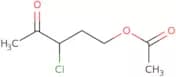
Discontinued product5-Acetoxy-3-chloro-2-pentanone
CAS:5-Acetoxy-3-chloro-2-pentanone is a thioformamide that is used as an intermediate in the synthesis of vitamin B1. It is also a precursor to formic acid and formaldehyde, which are used in the production of dyes and other chemical products. 5-Acetoxy-3-chloro-2-pentanone is synthesized by reacting hydroxylamine with acetyl chloride. The reaction proceeds via a nucleophilic substitution reaction. This product has a high yield and can be produced with various alkyl groups, such as 1-4C, 2C, 3C, 4C, 5C, 6C, 7C, 8C or 9C. 5-Acetoxy-3-chloro-2-pentanone can be used to produce formic acid or formaldehyde by reacting it with sodium hydroxide or potassium hydroxide respectively.
Formula:C7H11ClO3Purity:Min. 95%Molecular weight:178.61 g/molRef: 3D-FA16981
Discontinued product


![1-[(2,6-Difluorophenyl)Methyl]-4-Methyl-2-Propan-2-Ylbenzimidazole](/_next/image/?url=https%3A%2Fstatic.cymitquimica.com%2Fproducts%2F3D%2Fthumb-webp%2FFD98108.webp&w=3840&q=75)

![2,2-Difluoro-2-[1,1,2,2-tetrafluoro-2-(trifluoromethoxy)ethoxy]acetic acid](/_next/image/?url=https%3A%2Fstatic.cymitquimica.com%2Fproducts%2F3D%2Fthumb-webp%2FFD99821.webp&w=3840&q=75)
![N-[6-Chloro-5-(2-methoxyphenoxy)-(2,2-bipyrimidine)4-4-yl]-(1,1-dimethylethyl)-benzenesulfonamide](/_next/image/?url=https%3A%2Fstatic.cymitquimica.com%2Fproducts%2F3D%2Fthumb-webp%2FFC20113.webp&w=3840&q=75)