Organic Halides
Subcategories of "Organic Halides"
Found 20442 products of "Organic Halides"
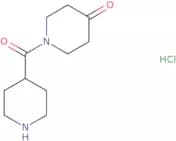
1-(Piperidine-4-carbonyl)piperidin-4-one hydrochloride
CAS:Controlled ProductPlease enquire for more information about 1-(Piperidine-4-carbonyl)piperidin-4-one hydrochloride including the price, delivery time and more detailed product information at the technical inquiry form on this page
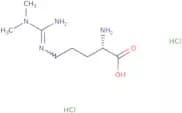
Formula:C11H19ClN2O2Purity:Min. 95%Molecular weight:246.73 g/molNG,NG'-Dimethyl-L-arginine dihydrochloride
CAS:NG,NG'-Dimethyl-L-arginine dihydrochloride is a substrate for nitrite reductase and is used to diagnose kidney disease. It has been shown in vitro to inhibit the activity of steroidogenic enzymes in the zona fasciculata of the adrenal gland. NG,NG'-Dimethyl-L-arginine dihydrochloride is also used as a diagnostic agent in pediatric patients with hypogonadotropic hypogonadism and during inhalation therapy in adults with asthma. NG,NG'-Dimethyl-L-arginine dihydrochloride has been shown to reduce inflammatory diseases such as rheumatoid arthritis and Crohn's disease by inhibiting arginine methylation. The drug also reduces age-related changes in steroidogenesis and blood pressure.Formula:C8H18N4O2·2HClPurity:Min. 95%Color and Shape:PowderMolecular weight:275.18 g/mol12-Amino-1-dodecanoic acid methyl ester hydrochloride salt
CAS:12-Amino-1-dodecanoic acid methyl ester hydrochloride salt (12ADM) has been shown to have immunomodulatory properties. It has a nanomolar range of activity, which is the optimal for an immunosuppressant. 12ADM inhibits the transcriptional activity of human immunodeficiency virus type 1 (HIV-1) and HIV-2, as well as other retroviruses, through interactions with specific RNA sequences in the viral genome. The amide group in this compound is essential for its antiviral activity, and it also interacts with betulinic acid to enhance its cytotoxicity.Formula:C13H28ClNO2Purity:Min. 95%Color and Shape:PowderMolecular weight:265.82 g/molPeptide YY (canine, mouse, porcine, rat)
CAS:Peptide YY (PYY) is a peptide hormone that inhibits gastric emptying and increases intestinal transit time. This peptide can be given as an intubation, perfusion, or intravenous infusion to increase the absorption of nutrients. It also has the potential to reduce body weight in obese people. PYY is a potent activator of protein synthesis and it has been shown to stimulate lipolysis in adipocytes. PYY is found in the ileum and colon, where it may have its effects on appetite suppression and regulation of gastrointestinal motility.
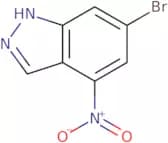
Formula:C190H288N54O57Purity:Min. 95%Color and Shape:PowderMolecular weight:4,240.65 g/mol6-Bromo-4-nitro-1H-indazole
CAS:Please enquire for more information about 6-Bromo-4-nitro-1H-indazole including the price, delivery time and more detailed product information at the technical inquiry form on this page
Formula:C7H4BrN3O2Purity:Min. 95%Molecular weight:242.03 g/mol3-Nitrobenzyl bromide
CAS:3-Nitrobenzyl bromide (3NB) is a lectin that binds to the carbohydrate moieties of glycoproteins. It has been shown to inhibit protease activity and be an inhibitor of nitro group formation by reacting with sodium carbonate. 3NB has also been used in sample preparation for monoclonal antibody production. 3-Nitrobenzyl bromide can be used as a probe for hydrogen bonds, which may be due to its ability to form an intermolecular hydrogen bond with other molecules. 3NB inhibits fatty acid synthesis and cardiac contractile function, which is likely due to its inhibitory properties on hydrogen bonding.
Formula:C7H6BrNO2Purity:Min. 95%Color and Shape:Off-White PowderMolecular weight:216.03 g/molMyristoyl chloride
CAS:Myristoyl chloride is an antimicrobial agent that belongs to the group of cationic surfactants. It has been shown to be active against bacteria and fungi, but not against viruses. Myristyl chloride has been used in a number of industries, including food production and processing, for its ability to inhibit microbial growth in acidic environments. This chemical also has anti-inflammatory properties and can be used as a topical treatment for inflammatory diseases such as psoriasis or atopic dermatitis.
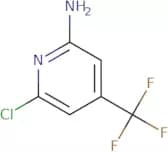
Formula:C14H27ClOPurity:Min. 95%Color and Shape:Colourless To Pale Yellow LiquidMolecular weight:246.82 g/mol6-Chloro-4-(trifluoromethyl)-2-pyridinamine
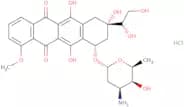
CAS:Please enquire for more information about 6-Chloro-4-(trifluoromethyl)-2-pyridinamine including the price, delivery time and more detailed product information at the technical inquiry form on this pageFormula:C6H4ClF3N2Purity:Min. 95%Molecular weight:196.56 g/molDoxorubicinol hydrochloride - Mixture of Diasteromers
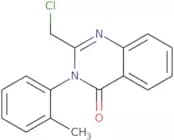
CAS:Please enquire for more information about Doxorubicinol hydrochloride - Mixture of Diasteromers including the price, delivery time and more detailed product information at the technical inquiry form on this pageFormula:C27H32ClNO11Purity:Min. 95%Molecular weight:582 g/mol2-(Chloromethyl)-3-(2-methylphenyl)quinazolin-4(3H)-one
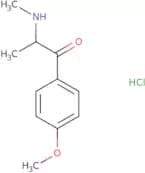
CAS:Controlled ProductPlease enquire for more information about 2-(Chloromethyl)-3-(2-methylphenyl)quinazolin-4(3H)-one including the price, delivery time and more detailed product information at the technical inquiry form on this pageFormula:C16H13ClN2OPurity:Min. 95%Molecular weight:284.74 g/molMethedrone hydrochloride
CAS:Controlled ProductMethedrone is a synthetic stimulant drug that is chemically similar to cathinone, a natural amphetamine-like substance found in the khat plant. It has been shown to cause hyperlocomotion and increased risk-taking behaviors in rats, as well as the release of serotonin. Methedrone hydrochloride is rapidly absorbed into the body following oral administration, with peak plasma concentrations occurring within 1 hour. The drug has a short elimination half-life of approximately 3 hours and is excreted in urine samples. Methedrone hydrochloride can be used to study the effects of drugs on neurotransmitters such as dopamine and serotonin at a variety of levels, including transporters and receptors. This drug can also be used for other purposes such as enhancement or complementarity with pharmacological techniques like magnetic resonance imaging (MRI) or positron emission tomography (PET).Formula:C11H15NO2HClPurity:Min. 95%Molecular weight:229.7 g/molRuthenium(III) chloride trihydrate
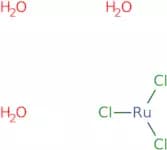
CAS:Ruthenium(III) chloride trihydrate is a ruthenium carbonyl that is used as an oxidation catalyst. It has been used to prepare diagnostic agents for the detection of hydrochloric acid, sodium carbonate, or pharmaceutical preparations. The mechanism of the reaction was studied using potassium dichromate as an oxidant and the transfer reactions were determined by high-resolution electron microscopy. Ruthenium(III) chloride trihydrate is also a matrix effect reagent that has been used in conjunction with water vapor.Formula:RuCl3·3H2OPurity:Min. 95%Color and Shape:PowderMolecular weight:261.47 g/mol1-(4-Fluorophenyl)piperazine free base
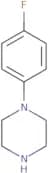
CAS:Controlled ProductPlease enquire for more information about 1-(4-Fluorophenyl)piperazine free base including the price, delivery time and more detailed product information at the technical inquiry form on this pagePurity:Min. 95%[(1-Ethyl-1H-benzimidazol-2-yl)methyl]amine dihydrochloride
CAS:Controlled ProductPlease enquire for more information about [(1-Ethyl-1H-benzimidazol-2-yl)methyl]amine dihydrochloride including the price, delivery time and more detailed product information at the technical inquiry form on this pageFormula:C10H13N3Purity:Min. 95%Molecular weight:175.23 g/mol2-Chloro-6-cyanopyrazine
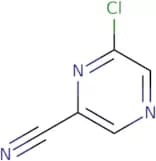
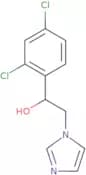
CAS:2-Chloro-6-cyanopyrazine is a compound that has been shown to have antimycobacterial activity against Mycobacterium avium. It may also have tuberculostatic activity and be useful for the treatment of tuberculosis. 2-Chloro-6-cyanopyrazine inhibits bacterial growth by binding to DNA, RNA, and protein synthesis in mycobacteria. The antibacterial effect is due to its ability to inhibit amidation and alkylation reactions, as well as its nucleophilic properties. 2-Chloro-6-cyanopyrazine is an acidic compound with a pKa of 3.2, which makes it more soluble in water than hydrophobic compounds such as alkanoic acids.Formula:C5H2ClN3Purity:Min. 95%Molecular weight:139.54 g/molα-(2,4-Dichlorophenyl)-1H-imidazole-1-ethanol
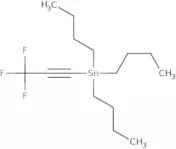
CAS:a-(2,4-Dichlorophenyl)-1H-imidazole-1-ethanol is an analytical reagent that is used to identify the presence of methylbenzene in a sample. It has been used as a drug target in schistosomiasis and interacting with imprinting genes. The synthetic method for this reagent includes sodium carbonate and methylbenzene, which are heated together at low energy to produce a-(2,4-Dichlorophenyl)-1H-imidazole-1-ethanol. The analytical method for this compound involves efficient methods such as high performance liquid chromatography and gas chromatography. Methylbenzene is dissolved in trifluoroacetic acid before being mixed with anhydrous potassium carbonate. This mixture is then heated to produce a-(2,4-Dichlorophenyl)-1H-imidazole-1-ethanol.Formula:C11H10Cl2N2OPurity:Min. 95%Color and Shape:White To Beige SolidMolecular weight:257.12 g/mol1-Tributylstannyl-3,3,3-trifluoro-1-propyne
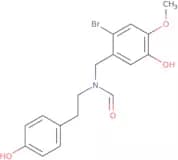
CAS:Controlled Product1-Tributylstannyl-3,3,3-trifluoro-1-propyne is an organic solvent that can be used as a reagent in the trifluoromethylation of hexane and diazomethane. It has been shown to be regioselective in the 1,3-dipolar cycloaddition of acetonitrile and oxide. It also reacts efficiently with aryl groups to produce yields.Formula:C15H27F3SnPurity:Min. 95%Molecular weight:383.08 g/molN-(p-Hydroxyphenethyl)-N-(2-bromo-5-hydroxy-4-methoxybenzyl)formamide
CAS:Controlled ProductN-(p-Hydroxyphenethyl)-N-(2-bromo-5-hydroxy-4-methoxybenzyl)formamide is an anticancer drug that belongs to the class of phenethyl derivatives. It is a radiosensitizer that inhibits DNA and RNA synthesis, leading to cancer cell death. The drug has been shown to have a chiral center and two enantiomers, with the (S)-enantiomer being more active than the (R)-enantiomer. N-(p-Hydroxyphenethyl)-N-(2-bromo-5-hydroxy-4-methoxybenzyl)formamide has been shown to be effective in animal models for brain tumors and breast cancer cells. It has also been shown to be effective against leukemia cells, which are resistant to other treatments. N-(p-Hydroxyphenethyl)-N-(2-bromo-5-hydroxy-4Formula:C17H18BrNO4Purity:Min. 95%Molecular weight:380.23 g/mol3,6-Dichlorobenzo[b]thiophene-2-carboxylic acid
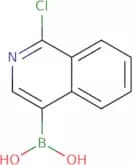
CAS:3,6-Dichlorobenzo[b]thiophene-2-carboxylic acid is an extracellular metabolite that is involved in the metabolism of muscle. It is produced as a byproduct of the reaction catalyzed by dehydrogenase, which converts 3,6-dichlorobenzo[b]thiophene to 2-carboxybenzothiophene. This compound has been shown to inhibit the enzyme histidine carboxylate synthetase, which is involved in branched-chain amino acid synthesis. The enzyme can be inhibited by either a wild type or an analog of 3,6-dichlorobenzo[b]thiophene-2-carboxylic acid.Formula:C9H4Cl2O2SPurity:Min. 95%Molecular weight:247.1 g/mol(1-Chloroisoquinolin-4-yl)boronic acid
CAS:Please enquire for more information about (1-Chloroisoquinolin-4-yl)boronic acid including the price, delivery time and more detailed product information at the technical inquiry form on this pageFormula:C9H7BClNO2Purity:Min. 95%Molecular weight:207.42 g/mol




![[(1-Ethyl-1H-benzimidazol-2-yl)methyl]amine dihydrochloride](/_next/image/?url=https%3A%2Fstatic.cymitquimica.com%2Fproducts%2F3D%2Fthumb-webp%2FFE126425.webp&w=3840&q=75)
![3,6-Dichlorobenzo[b]thiophene-2-carboxylic acid](/_next/image/?url=https%3A%2Fstatic.cymitquimica.com%2Fproducts%2F3D%2Fthumb-webp%2FFD57151.webp&w=3840&q=75)