


Plant Biology
Plant Biology encompasses a wide range of growth regulators, phytohormones, and reagents essential for research and applications in plant science and the food industry. These products play a critical role in regulating plant growth, development, and responses to environmental stimuli. Growth regulators and phytohormones, such as auxins, gibberellins, cytokinins, and abscisic acid, are vital for studying plant physiology, improving crop yields, and developing sustainable agricultural practices. Additionally, various reagents support experimental procedures and analytical techniques in plant biology research. At CymitQuimica, we offer a diverse selection of high-quality products tailored to meet the needs of researchers and professionals in plant science, agriculture, and the food industry, facilitating advancements in plant biology and crop management.
Subcategories of "Plant Biology"
- Antibiotics for plant biology(1 products)
- Mycosol(3 products)
- Mycotoxins for plant biology(1 products)
- Natural Products and Phytochemicals by Botanical Origin(5,994 products)
- Plant growth regulator(125 products)
- Reagents for plant biology(15 products)
Found 714 products of "Plant Biology"
Sort by
Purity (%)
0
100
|
0
|
50
|
90
|
95
|
100
Disodium 1-Naphthyl Phosphate Hydrate [Substrate for Phosphatase]
CAS:Formula:C10H7Na2O4P·xH2OPurity:97.0 to 103.0 %(calcd.on anh.substance)Color and Shape:White to Light yellow to Light red powder to crystalMolecular weight:268.12 (as Anhydrous)Cellulose synthase 7
<p>Cellulose synthase is a crucial enzyme involved in the synthesis of cellulose. Cellulose is an aggregation of unbranched polymer chains made of β-(1-4)-linked glucose residues, and is a component of primary and secondary cell walls - functioning to primarily maintain strength and shape in cells.Cellulose is synthesised by large cellulose synthase complexes (CSCs), which consist of synthase protein isoforms (CesA) that are arranged into a unique hexagonal structure.Specifically the isoform cellulose synthase 7 takes part in secondary cell wall cellulose synthesis.</p>Molecular weight:1,084.6 g/molT-2 Toxin
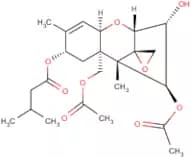
CAS:<p>T-2 Toxin</p>Formula:C24H34O9Purity:By hplc: 98.24% (Typical Value in Batch COA)Color and Shape: white powderMolecular weight:466.52g/molMethoxychlor
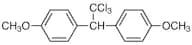
CAS:Formula:C16H15Cl3O2Purity:>95.0%(GC)Color and Shape:White to Light yellow to Dark green powder to crystalMolecular weight:345.64Murashige and Skoog modified basal medium (with Kinetin)
<p>Murashige and Skoog modified basal medium (with Kinetin)</p>Color and Shape:White To Off White PowderMurashige and Skoog modified basal salts (macro-nutrient salt base-1x)
<p>Murashige and Skoog modified basal salts (macro-nutrient salt base-1x)</p>Molecular weight:0.00g/molMurashige and Skoog modified basal medium, 1 pack = 10x1L
<p>Murashige and Skoog modified basal medium, 1 pack = 10x1L</p>Color and Shape:SolidMurashige and Skoog modified basal medium (with?2iP)
<p>Murashige and Skoog modified basal medium (with?2iP)</p>Molecular weight:0.00g/molMurashige and Skoog modified basal salts (? micros and ? macros)
<p>Murashige and Skoog modified basal salts (? micros and ? macros)</p>Color and Shape:SolidMurashige and Skoog modified basal salts (? Nitrogen)
<p>Murashige and Skoog modified basal salts (? Nitrogen)</p>Color and Shape:Powdero-Dianisidine Dihydrochloride [for Biochemical Research]
CAS:Formula:C14H16N2O2·2HClPurity:>98.0%(HPLC)Color and Shape:White to Gray to Red powder to crystalMolecular weight:317.21
![Disodium 1-Naphthyl Phosphate Hydrate [Substrate for Phosphatase]](/_next/image/?url=https%3A%2Fstatic.cymitquimica.com%2Fproducts%2F3B%2Fthumb-webp%2FP0263.webp&w=3840&q=75)






![o-Dianisidine Dihydrochloride [for Biochemical Research]](/_next/image/?url=https%3A%2Fstatic.cymitquimica.com%2Fproducts%2F3B%2Fthumb-webp%2FD3893.webp&w=3840&q=75)