Biochemicals and Reagents
Subcategories of "Biochemicals and Reagents"
- Biomolecules(98,557 products)
- By Biological Target(101,015 products)
- By Pharmacological Effects(6,941 products)
- Cryopreservatives(21 products)
- Desinfectants and Related Compounds(28 products)
- Hormones(530 products)
- Plant Biology(6,903 products)
- Secondary Metabolites(14,371 products)
Found 130589 products of "Biochemicals and Reagents"
Z-Leu-Arg-Gly-Gly-AMC
CAS:Z-Leu-Arg-Gly-Gly-AMC is a peptide inhibitor of the human Kv2.1 potassium channel. It has been shown to inhibit current in Xenopus oocytes expressing Kv2.1 channels at concentrations of 10 μM and lower. Z-Leu-Arg-Gly-Gly-AMC can be used as a research tool or an antibody to study cell biology, protein interactions, and receptor functions.Formula:C34H44N8O8Purity:Min. 95%Molecular weight:692.76 g/molPregnenolone ELISA kit
ELISA kit for the detection of Pregnenolone in the research laboratory
Purity:Min. 95%KCNK4 Blocking Peptide
A synthetic peptide for use as a blocking control in assays to test for specificity of KCNK4 antibody, catalog no. 70R-5192
Purity:Min. 95%HIP2 Blocking Peptide
A synthetic peptide for use as a blocking control in assays to test for specificity of HIP2 antibody, catalog no. 70R-1148
Purity:Min. 95%Zfp113 Blocking Peptide
A synthetic peptide for use as a blocking control in assays to test for specificity of Zfp113 antibody, catalog no. 70R-8906
Purity:Min. 95%RNF19A antibody
RNF19A antibody was raised using the N terminal of RNF19A corresponding to a region with amino acids IFSTNTSSDNGLTSISKQIGDFIECPLCLLRHSKDRFPDIMTCHHRSCVD
Purity:Min. 95%RHPN1 antibody
RHPN1 antibody was raised using the middle region of RHPN1 corresponding to a region with amino acids SAKNRWRLVGPVHLTRGEGGFGLTLRGDSPVLIAAVIPGSQAAAAGLKEG
CD51 antibody
The CD51 antibody is a monoclonal antibody that is used in the field of Life Sciences for various applications. It specifically targets the CD51 antigen, which is expressed on the surface of pluripotent cells and mesenchymal stem cells. The CD51 antibody can be used as a diagnostic reagent to detect the presence of this antigen in samples. Additionally, it has been shown to have neutralizing properties against certain virus surface antigens, making it a valuable tool in virology research. This antibody has also been found to have an impact on cell growth and differentiation, as well as the production of interleukin-6, an important cytokine involved in immune responses. With its high specificity and versatility, the CD51 antibody is an essential tool for researchers in various fields of study.TTC11 protein (His tag)
1-122 amino acids: MGSSHHHHHH SSGLVPRGSH MEAVLNELVS VEDLLKFEKK FQSEKAAGSV SKSTQFEYAW CLVRSKYNDD IRKGIVLLEE LLPKGSKEEQ RDYVFYLAVG NYRLKEYEKA LKYVRGLLQT EPQNNQAKEL ERLIDKAMKK DGPurity:Min. 95%PCDHGC3 Blocking Peptide
A synthetic peptide for use as a blocking control in assays to test for specificity of PCDHGC3 antibody, catalog no. 70R-6146
Purity:Min. 95%SARS-CoV-2 Nucleoprotein (356-370)
The coronavirus (CoV) nucleoprotein is the major component of CoV structural proteins. The nucleoprotein has a critical role in virus assembly and RNA transcription. The nucleoprotein is essential in the formation of helical ribonucleoproteins and in regulating viral RNA synthesis. The nucleoprotein can also regulate infected host cellular mechanisms. It is highly expressed during infection and may induce protective immune responses against SARS-CoV and SARS-CoV-2.The nucleoprotein residues HIDAYKTFPPTEPKK (356-370) from SARS-CoV-2 have been identified as a T-cell epitope with a predicted HLA restriction. Immune targeting of confirmed epitopes may potentially offer protection against SARS-CoV-2 and help the development of vaccines for long-lasting immunity.
Molecular weight:1,770.9 g/molLGALS3 antibody
LGALS3 antibody was raised using the N terminal of LGALS3 corresponding to a region with amino acids GASYPGAYPGQAPPGAYPGQAPPGAYPGAPGAYPGAPAPGVYPGPPSGPG
Influenza A protein
The Influenza A protein is a key component in the field of Life Sciences. It plays a crucial role in various biological processes, including the regulation of TGF-beta and caspase-9. This protein is also involved in the formation of amyloid plaques, which are associated with certain neurodegenerative diseases.P2RX2 Blocking Peptide
A synthetic peptide for use as a blocking control in assays to test for specificity of P2RX2 antibody, catalog no. 70R-5166
Purity:Min. 95%NLK Blocking Peptide
A synthetic peptide for use as a blocking control in assays to test for specificity of NLK antibody, catalog no. 70R-9450
Purity:Min. 95%HIV1 antibody (HTLV3)
HIV1 antibody (HTLV3) was raised in goat using human isolate as the immunogen.Purity:Min. 95%RNH1 antibody
RNH1 antibody was raised in mouse using recombinant Ribonuclease inhibitor 1(RNH1) (7-461aa) purified from E. coli as the immunogen.NT3 antibody
The NT3 antibody is a specific antibody that targets adeno-associated inhibitors. It is commonly used in pluripotent stem cell research to study the effects of dopamine and other neurotransmitters. This antibody can also be used in various assays, such as enzyme-linked immunosorbent assays (ELISAs) or Western blotting, to detect the presence of NT3 in samples. Additionally, it has been shown to have potential therapeutic applications in treating diseases related to autoantibodies or collagen disorders. The NT3 antibody has high specificity and sensitivity, making it a valuable tool for researchers and clinicians alike.
PPP1R3B Blocking Peptide
A synthetic peptide for use as a blocking control in assays to test for specificity of PPP1R3B antibody, catalog no. 70R-10399
Purity:Min. 95%SOX17 antibody
The 6-Fluoro-3-indoxyl-beta-D-galactopyranoside is a powerful antituberculosis drug that falls under the class of rifamycins. It is highly effective in treating tuberculosis infections due to its bactericidal activity. This active compound works by binding to DNA-dependent RNA polymerase, preventing transcription and replication, thus inhibiting bacterial growth. Its efficacy has been demonstrated through extensive research using advanced techniques such as patch-clamp technique on human erythrocytes. The drug undergoes various metabolic transformations, including hydrolysis by esterases or glucuronidases, oxidation by cytochrome P450 enzymes, reduction by glutathione reductase, or conjugation with glucuronic acid. Additionally, it specifically targets markers expressed in Mycobacterium tuberculosis strains, inhibiting their growth in culture.
OR2C3 Blocking Peptide
A synthetic peptide for use as a blocking control in assays to test for specificity of OR2C3 antibody, catalog no. 70R-9859
Purity:Min. 95%CD203c antibody
CD203c antibody is a highly specialized antibody used in the field of Life Sciences. It is designed to target and bind to DNA binding proteins that play a crucial role in various cellular processes. This antibody has been extensively studied and proven to be effective in glycosylation studies, where it helps researchers understand the role of glycosylation in protein function and regulation.
CBS antibody
The CBS antibody is an endogenous hematopoietic monoclonal antibody that plays a crucial role in various Life Sciences applications. It is commonly used as a nuclear marker and can be utilized in experiments involving electrodes. The CBS antibody is highly specific and exhibits strong binding affinity to its target, making it an ideal tool for research purposes. Additionally, this antibody has been shown to have inhibitory effects on fatty acid metabolism and can serve as a valuable tool for studying the role of fatty acids in cellular processes. Antibodies against CBS are also used in diagnostic assays to detect autoantibodies in human serum samples. Furthermore, the CBS antibody has demonstrated anti-angiogenesis properties, making it a potential therapeutic candidate for conditions characterized by abnormal blood vessel growth. In summary, the CBS antibody is a versatile and valuable tool in the field of Life Sciences with diverse applications ranging from research to diagnostics and therapeutics.
Hip/ST13 protein
1-369 amino acids: MDPRKVNELR AFVKMCKQDP SVLHTEEMRF LREWVESMGG KVPPATQKAK SEENTKEEKP DSKKVEEDLK ADEPSSEESD LEIDKEGVIE PDTDAPQEMG DENAEITEEM MDQANDKKVA AIEALNDGEL QKAIDLFTDA IKLNPRLAIL YAKRASVFVK LQKPNAAIRD CDRAIEINPD SAQPYKWRGK AHRLLGHWEE AAHDLALACK LDYDEDASAM LKEVQPRAQK IAEHRRKYER KREEREIKER IERVKKAREE HERAQREEEA RRQSGAQYGS FPGGFPGGMP GNFPGGMPGM GGGMPGMAGM PGLNEILSDP EVLAAMQDPE VMVAFQDVAQ NPANMSKYQS NPKVMNLISK LSAKFGGQA
Purity:Min. 95%ACTR3B Blocking Peptide
A synthetic peptide for use as a blocking control in assays to test for specificity of ACTR3B antibody, catalog no. 70R-3557
Purity:Min. 95%GAPDH antibody
The GAPDH antibody is a highly effective monoclonal antibody that has been activated to target specific proteins in the body. It is commonly used in Life Sciences research to study various cellular processes and pathways. This antibody has been found to neutralize the activity of TGF-beta, a protein involved in cell growth and differentiation. Additionally, it has shown to have glycosylation properties, which can impact protein function and stability. One of the key targets of the GAPDH antibody is E-cadherin, a protein responsible for cell adhesion and tissue integrity. By binding to E-cadherin, this antibody can modulate cell-cell interactions and potentially influence cellular behavior. Furthermore, studies have demonstrated that the GAPDH antibody can inhibit collagen production, which is crucial for maintaining tissue structure and elasticity. This property may have implications in wound healing and tissue regeneration. Another important aspect of the GAPDH antibody is its ability to regulate microvessel density. By targeting specific proteins involved in angiogenesis, thisLOC728227 antibody
LOC728227 antibody was raised using the C terminal of LOC728227 corresponding to a region with amino acids GAGGAKSRGGQKAASARVKKPRRRGGKKPGQAKSHGGREQKAAAAGCKKP
Transferrin protein
Transferrin protein is a biomolecule that plays a crucial role in iron transport and homeostasis. It is involved in binding and transporting iron throughout the body, ensuring that it reaches the cells where it is needed. Transferrin protein has been extensively studied for its potential therapeutic applications. One such application is its ability to neutralize the effects of oral haloperidol, a commonly used antipsychotic medication. Studies have shown that transferrin protein can bind to haloperidol and reduce its side effects, such as extrapyramidal symptoms and hyperprolactinemia. This interaction between transferrin protein and haloperidol highlights the potential for targeted drug delivery and improved treatment outcomes. Furthermore, transferrin protein has been investigated for its glycosylation patterns, which can impact its stability, function, and immunogenicity. Understanding these glycosylation patterns can aid in the development of recombinant proteins and antigens with enhanced properties. In
Purity:Min. 95%Rabbit anti Dog IgG (H + L) (Alk Phos)
Rabbit anti-dog IgG (H+L) (Alk Phos) was raised in rabbit using canine IgG whole molecule as the immunogen.Purity:Min. 95%STUB1 antibody
STUB1 antibody was raised using the C terminal of STUB1 corresponding to a region with amino acids VDEKRKKRDIPDYLCGKISFELMREPCITPSGITYDRKDIEEHLQRVGHF
Goat anti Human IgG (Fab'2) (HRP)
Goat anti-human IgG (Fab'2) (HRP) was raised in goat using human IgG F(ab’)2 fragment as the immunogen.Purity:Min. 95%HNRPL Blocking Peptide
A synthetic peptide for use as a blocking control in assays to test for specificity of HNRPL antibody, catalog no. 70R-1334
Purity:Min. 95%Salivary Sample Collection Kit
Salivary sample collection kit for the detection of free Salivary proteins and enzymes in the research laboratory
Purity:Min. 95%MAOA antibody
MAOA antibody is a monoclonal antibody that specifically targets the enzyme monoamine oxidase A (MAOA). This antibody plays a crucial role in regulating the levels of neurotransmitters such as serotonin, norepinephrine, and dopamine. By binding to MAOA, this antibody inhibits its activity and leads to an increase in the levels of these neurotransmitters.
Transglutaminase 5 antibody
Transglutaminase 5 antibody was raised using the C terminal of TGM5 corresponding to a region with amino acids VLKPQHQASIILETVPFKSGQRQIQANMRSNKFKDIKGYRNVYVDFAL
GPR87 Blocking Peptide
A synthetic peptide for use as a blocking control in assays to test for specificity of GPR87 antibody, catalog no. 70R-3913
Purity:Min. 95%Cystathionase antibody
Cystathionase antibody was raised using a synthetic peptide corresponding to a region with amino acids VPPISLSTTFKQGAPGQHSGFEYSRSGNPTRNCLEKAVAALDGAKYCLAF
RHOD Blocking Peptide
A synthetic peptide for use as a blocking control in assays to test for specificity of RHOD antibody, catalog no. 70R-5765
Purity:Min. 95%ALDH6A1 Blocking Peptide
A synthetic peptide for use as a blocking control in assays to test for specificity of ALDH6A1 antibody, catalog no. 70R-6489
Purity:Min. 95%ZSCAN1 Blocking Peptide
A synthetic peptide for use as a blocking control in assays to test for specificity of ZSCAN1 antibody, catalog no. 70R-8462
Purity:Min. 95%IpaD antibody
The IpaD antibody is a glycoprotein that has denaturing properties. It is known for its neuroprotective and neutralizing effects. This high polymer glycan has been found to interact with hormone peptides and collagens. The IpaD antibody is produced through the use of monoclonal antibodies, which are created through recombinant techniques. Its glycosylation plays a crucial role in its functionality. It should be noted that this antibody may have teratogenic effects and caution should be exercised when using it. The IpaD antibody is commonly used in research and diagnostic applications due to its specificity and affinity for its target antigen.ELAVL4 antibody
ELAVL4 antibody was raised using the N terminal of ELAVL4 corresponding to a region with amino acids MQTGATTDDSKTNLIVNYLPQNMTQEEFRSLFGSIGEIESCKLVRDKITG
AHCY antibody
AHCY antibody was raised using the N terminal of AHCY corresponding to a region with amino acids SDKLPYKVADIGLAAWGRKALDIAENEMPGLMRMRERYSASKPLKGARIA
PCNP antibody
The PCNP antibody is a highly specialized and versatile product used in the field of Life Sciences. This antibody is derived from adeno-associated virus and has been pegylated for enhanced stability and efficacy. It specifically targets actin filaments, which play a crucial role in various cellular processes.
PFHRP2 protein
The PFHRP2 protein is a pluripotent cell protein that plays a crucial role in various biological processes. It is widely used in the field of Life Sciences for its diverse applications. This protein has been found to be associated with microvessel density, indicating its involvement in angiogenesis and blood vessel formation. Additionally, PFHRP2 has been shown to interact with glutamate, a major neurotransmitter, suggesting its potential role in neuronal development and function.TBL2 Blocking Peptide
A synthetic peptide for use as a blocking control in assays to test for specificity of TBL2 antibody, catalog no. 70R-7218
Purity:Min. 95%Ribonuclease A antibody
Ribonuclease A antibody was raised in rabbit using bovine pancreatic ribonuclease A as the immunogen.Purity:Min. 95%FBXO7 Blocking Peptide
A synthetic peptide for use as a blocking control in assays to test for specificity of FBXO7 antibody, catalog no. 70R-2794
Purity:Min. 95%PIAS4 antibody
The PIAS4 antibody is a highly specialized polyclonal antibody used in Life Sciences research. This antibody specifically targets the protein known as PIAS4, which stands for Protein Inhibitor of Activated STAT 4. PIAS4 is involved in various cellular processes, including epidermal growth factor signaling and interferon response.
Donkey anti Mouse IgG (H + L) (FITC)
This antibody reacts with heavy (gamma) chains on mouse IgG and light chains on all mouse immunoglobulins.
Purity:Min. 95%Actin antibody
Actin antibody was raised in mouse using Profilin actin complex from calf thymus as the immunogen.HOXA5 Blocking Peptide
A synthetic peptide for use as a blocking control in assays to test for specificity of HOXA5 antibody, catalog no. 70R-8341
Purity:Min. 95%Urocortin antibody
The Urocortin antibody is a polyclonal antibody that specifically targets the cleavage products of the human protein, Urocortin. This antibody is widely used in life sciences research and has applications in various fields such as gel chromatography and staining. It can also be used as an inhibitor of urokinase-type plasminogen activator and corticotropin-releasing hormone receptor. Additionally, this antibody has shown potential for clinical use, particularly in the development of therapeutic antibodies or synthetic peptides targeting Urocortin and related proteins. With its high specificity and versatility, the Urocortin antibody is an essential tool for researchers in need of reliable detection and analysis of Urocortin-related biomarkers.
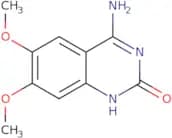
4-Amino-6,7-dimethoxy-1,2-dihydroquinazolin-2-one
CAS:Please enquire for more information about 4-Amino-6,7-dimethoxy-1,2-dihydroquinazolin-2-one including the price, delivery time and more detailed product information at the technical inquiry form on this page
Formula:C10H11N3O3Purity:Min. 95%Molecular weight:221.21 g/molRef: 3D-PBB34752
Discontinued productKEAP1 Blocking Peptide
A synthetic peptide for use as a blocking control in assays to test for specificity of KEAP1 antibody, catalog no. 70R-8050
Purity:Min. 95%BMPER Blocking Peptide
A synthetic peptide for use as a blocking control in assays to test for specificity of BMPER antibody, catalog no. 70R-5473
Purity:Min. 95%Rat Thymocyte antibody
Rat thymocyte antibody was raised in rabbit using RBC-free rat thymus and spleen cells as the immunogen.
Purity:Min. 95%Human HGF ELISA kit
ELISA kit for the detection of Human HGF in the research laboratory
Purity:Min. 95%ZNF364 antibody
ZNF364 antibody was raised using the C terminal Of Znf364 corresponding to a region with amino acids PWLELHDTCPVCRKSLNGEDSTRQSQSTEASASNRFSNDSQLHDRWTF