Biochemicals and Reagents
Subcategories of "Biochemicals and Reagents"
- Biomolecules(98,575 products)
- By Biological Target(100,710 products)
- By Pharmacological Effects(6,937 products)
- Cryopreservatives(21 products)
- Desinfectants and Related Compounds(28 products)
- Hormones(421 products)
- Plant Biology(6,907 products)
- Secondary Metabolites(14,367 products)
Found 130493 products of "Biochemicals and Reagents"
Biotin-VIP (human, bovine, porcine, rat)
Catalogue peptide; min. 95% purity
Formula:C157H252N46O44S2Molecular weight:3,552.17 g/mol[Leu144, Arg147]-PLP (139-151), [L144, R147-PLP(139-151)]
Catalogue peptide; min. 95% purity
Formula:C67H110N20O17Molecular weight:1,467.75 g/molDok-6 (263-275)
Catalogue peptide; min. 95% purity
Formula:C76H113N25O18Molecular weight:1,664.90 g/molAmyloid beta-Protein (40-1) trifluoroacetate salt
CAS:Trifluoroacetate salt
Formula:C194H295N53O58SPurity:Min. 95%Molecular weight:4,329.81 g/molRef: 3D-FA108830
Discontinued productγ-TAC4 (30-61)-NH2
Catalogue peptide; min. 95% purity
Formula:C155H242N40O49SMolecular weight:3,481.96 g/molα-Bag Cell Peptide (1-8)
Catalogue peptide; min. 95% purity
Formula:C47H72N14O11Molecular weight:1,009.19 g/molAmyloid beta-Protein (1-11) trifluoroacetate salt
CAS:Please enquire for more information about Amyloid beta-Protein (1-11) trifluoroacetate salt including the price, delivery time and more detailed product information at the technical inquiry form on this page
Formula:C56H76N16O22Purity:Min. 95%Molecular weight:1,325.3 g/molRef: 3D-FA108822
Discontinued product[Asn76] PTH (64-84), human
Catalogue peptide; min. 95% purity
Formula:C94H163N27O35Molecular weight:2,231.51 g/molHuman CMV Assemblin Protease Substrate (M-site)
Catalogue peptide; min. 95% purity
Formula:C52H96N20O16Molecular weight:1,257.47 g/mol[Tyr1]-pTH (1-34) (rat)
Catalogue peptide; min. 95% purity
Formula:C186H295N55O49S2Molecular weight:4,149.86 g/molBrain injury Derived Neurotrophic Peptide(3) BINP
Catalogue peptide; min. 95% purity
Formula:C62H101N17O19Molecular weight:1,388.58 g/mol05:0 PC
CAS:05:0 PC is a peptide binding sequence that has been shown to inhibit the replication of viral sequences. 05:0 PC binds to the amino acid sequence in protein, which is a model system for peptide binding. The endoplasmic reticulum, or ER, is the site of synthesis for proteins and its low efficiency may be due to the spontaneous nature of the protein synthesis process. The ER can also be seen as an inhibitor molecule that prevents the virus from replicating. 05:0 PC has been shown to inhibit papillomavirus and HIV-1 replication in vitro. This peptide has also been shown to block interactions between viruses and cells that allow viral replication.
Formula:C18H36NO8PPurity:Min. 95%Molecular weight:425.45 g/molRef: 3D-RCA41434
Discontinued productPerfluorophenyl 19-(2,5-dioxo-2H-pyrrol-1(5H)-yl)-17-oxo-4,7,10,13-tetraoxa-16-azanonadecan-1-oate
CAS:Perfluorophenyl 19-(2,5-dioxo-2H-pyrrol-1(5H)-yl)-17-oxo-4,7,10,13-tetraoxa-16-azanonadecan-1-oate is a synthetic compound, which is derived through a series of complex organic syntheses involving perfluorinated reagents. This compound is meticulously designed to incorporate both perfluorinated aromatic groups and a flexible, polyether-based linker. The mode of action for this compound primarily revolves around its unique chemical structure, which facilitates interactions at the molecular level that can be favorable for a variety of biochemical applications.
Formula:C24H27F5N2O9Purity:Min. 95%Molecular weight:582.5 g/molCrustacean Erythrophore Concentrating Hormone
Catalogue peptide; min. 95% purity
Formula:C45H59N11O11Molecular weight:930.04 g/molCyclopyrimorate
CAS:Cyclopyrimorate is a small molecule that has been shown to inhibit the activity of protein kinase C (PKC). Cyclopyrimorate is a potent activator of PKC, and it has been shown to interact with both the ligand binding domain and the activation domain. This inhibitor binds to the ATP binding site on PKC, blocking access by ATP and inhibiting phosphorylation. Cyclopyrimorate has also been shown to have effects on ion channels, including voltage-gated potassium channels, calcium activated potassium channels, and nicotinic acetylcholine receptors. Cyclopyrimorate is a research tool for studying protein interactions in cells. It can be used as an antibody against PKC for immunocytochemistry or Western blotting experiments.
Formula:C19H20ClN3O4Purity:Min. 95%Molecular weight:389.8 g/mol[Arg3] Substance P
Catalogue peptide; min. 95% purity
Formula:C63H98N20O13SMolecular weight:1,375.67 g/molInfluenza HA (529-537)
Catalogue peptide; min. 95% purity
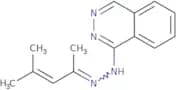
Formula:C41H67N9O13Molecular weight:894.04 g/molBudralazine
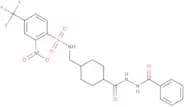
CAS:Budralazine is a synthetic vasodilator, which is derived from a series of hydrazine analogs, known for their ability to modulate vascular tone. Its mode of action involves the direct relaxation of vascular smooth muscle. This relaxation leads to a decrease in peripheral vascular resistance and, consequently, a reduction in blood pressure. Intriguingly, Budralazine is thought to selectively target arterioles over veins, making it of particular interest in the study of vascular dynamics and hypertension.
Formula:C14H16N4Purity:Min. 95%Molecular weight:240.3 g/molRef: 3D-LBA79879
Discontinued productα-Neo-Endorphin (1-7)
Catalogue peptide; min. 95% purity
Formula:C40H61N11O9Molecular weight:840.00 g/molInsulin Receptor (1142-1153)
Catalogue peptide; min. 95% purity
Formula:C72H107N19O24Molecular weight:1,622.77 g/molInfluenza A NP (366-374)
Catalogue peptide; min. 95% purity
Formula:C36H59N11O17S2Molecular weight:982.06 g/molBiotin-Neurokinin B
Catalogue peptide; min. 95% purity
Formula:C67H87N15O14Molecular weight:1,326.53 g/molα-Conotoxin IMI
Catalogue peptide; min. 95% purity
Formula:C52H74N20O15S4Molecular weight:1,347.58 g/molent-Amyloid b-Protein (1-42)
CAS:Please enquire for more information about ent-Amyloid b-Protein (1-42) including the price, delivery time and more detailed product information at the technical inquiry form on this page
Formula:C203H311N55O60SPurity:Min. 95%Molecular weight:4,514.04 g/molRef: 3D-FE109544
Discontinued productBiotinyl-MCH (salmon)
Catalogue peptide; min. 95% purity
Formula:C99H153N29O26S5Molecular weight:2,325.82 g/molAdrenomedullin (1-52), human
Catalogue peptide; min. 95% purity
Formula:C264H406N80O77S3Molecular weight:6,028.72 g/mol[Arg14,20,21, Leu16]-PACAP (1-27)-Gly-Lys-Arg, amide, human, ovine, rat
Catalogue peptide; min. 95% purity
Formula:C157H253N53O42Molecular weight:3,555.01 g/mol[Ser25]-PKC (19-36) Substrate
Catalogue peptide; min. 95% purity
Formula:C93H159N35O25Molecular weight:2,167.52 g/molPre-S1 (12-32)
Catalogue peptide; min. 95% purity
Formula:C104H154N26O31SMolecular weight:2,296.61 g/molMSP-1 P2, Malaria Merozoite Surface Peptide-1
Catalogue peptide; min. 95% purity
Formula:C116H190N32O35SMolecular weight:2,625 g/molCJC-1295
CAS:CJC-1295 is a synthetic peptide, which is an analogue of growth hormone-releasing hormone (GHRH). It is synthesized through recombinant DNA technology, which allows for precise control over its sequence and length. This particular peptide is designed to bind to GHRH receptors in the pituitary gland. By activating these receptors, CJC-1295 stimulates the release of growth hormone (GH) into the bloodstream.The primary function of CJC-1295 is to influence the endocrine system, particularly enhancing the release of endogenous growth hormone. It achieves this by increasing the amplitude and frequency of GH pulses without affecting the natural negative feedback mechanisms that regulate GH production. This mode of action distinguishes CJC-1295 from other growth hormone therapies, as it promotes a more physiological pattern of hormone secretion.CJC-1295 is used in various scientific contexts, primarily in research focusing on growth hormone deficiencies, muscle wasting conditions, and certain metabolic disorders. Its ability to increase GH release also makes it a subject of interest in studies related to aging, tissue repair, and regeneration. The longer half-life of CJC-1295 compared to natural GHRH peptides further enhances its applications in research, allowing for more sustained and controlled experimentation.
Purity:Min. 95%Ref: 3D-FC138107
Discontinued product[Arg0] Met-Enkephalin
Catalogue peptide; min. 95% purity
Formula:C33H47N9O8SMolecular weight:729.86 g/mol[Tyr27]-pTH (27-48) (human)
Catalogue peptide; min. 95% purity
Formula:C104H159N29O31Molecular weight:2,311.60 g/molpp60(v-SRC) Autophosphorylation Site, Protein Tyrosine Kinase Substrate
Catalogue peptide; min. 95% purity
Formula:C66H109N23O23Molecular weight:1,592.74 g/molAmyloid beta-Protein (33-42) trifluoroacetate salt
CAS:Please enquire for more information about Amyloid beta-Protein (33-42) trifluoroacetate salt including the price, delivery time and more detailed product information at the technical inquiry form on this pageFormula:C41H74N10O11SPurity:Min. 95%Molecular weight:915.15 g/molRef: 3D-FA109546
Discontinued productBiotin-Gastrin (1-17)
Catalogue peptide; min. 95% purity
Formula:C107H140N22O34S2Molecular weight:2,342.56 g/mol[Trp11] Neurotensin (8-13)
Catalogue peptide; min. 95% purity
Formula:C40H65N13O7Molecular weight:840.05 g/molCys-Gly-Lys-Lys-Gly-Amyloid beta-Protein (36-42)
Catalogue peptide; min. 95% purity
Formula:C47H85N14O13SMolecular weight:1,087.35 g/molIntermedin (human)
Catalogue peptide; min. 95% purity
Formula:C219H351N69O66S3Molecular weight:5,102.84 g/molC-terminal Proghrelin Isoform Peptide, mouse
Catalogue peptide; min. 95% purity
Formula:C50H86N22O17Molecular weight:1,267.38 g/molPF 05175157
CAS:PF 05175157 is a potent small molecule, orally active inhibitor of fatty acid synthase (FAS) that causes hepatocyte steatosis in vitro and in vivo. PF 05175157 is also an inhibitor of the enzyme stearoyl-CoA desaturase 1 (SCD1), which converts saturated to monounsaturated fatty acids. The compound has been shown to reduce liver and body weight gain in mice fed a high-fat diet, as well as to improve dyslipidemia and hepatic steatosis. PF 05175157 has been evaluated clinically for the treatment of obesity, type 2 diabetes mellitus, and nonalcoholic fatty liver disease. PF 05175157 was granted orphan drug designation for the treatment of pediatric chronic kidney disease by the FDA on June 6, 2015.
Formula:C23H27N5O2Purity:Min. 95%Molecular weight:405.49 g/molRef: 3D-BCC21447
Discontinued productAngiotensin II Receptor, AT2, Amino Terminal Fragment
Catalogue peptide; min. 95% purity
Formula:C79H125N23O28SMolecular weight:1,877.08 g/molFluorescein-6-carbonyl-Ala-Glu(OMe)-Val-DL-Asp(OMe)-fluoromethylketone
CAS:Please enquire for more information about Fluorescein-6-carbonyl-Ala-Glu(OMe)-Val-DL-Asp(OMe)-fluoromethylketone including the price, delivery time and more detailed product information at the technical inquiry form on this page
Formula:C41H43FN4O14Purity:Min. 95%Molecular weight:834.8 g/molRef: 3D-FF111115
Discontinued productP60c-src Substrate II, Phosphorylated
Catalogue peptide; min. 95% purity
Formula:C33H45N6O12PMolecular weight:748.8 g/mol[D-Phe7] a-MSH, amide
Catalogue peptide; min. 95% purity
Formula:C77H109N21O19SMolecular weight:1,664.92 g/molbeta-Amyloid (1-34)
Catalogue peptide; min. 95% purity
Formula:C170H253N47O52Molecular weight:3,787.20 g/molH-9 hydrochloride
CAS:H-9 hydrochloride is a selective protein kinase inhibitor, which is synthetically derived. It primarily inhibits cyclic nucleotide-dependent protein kinases, including protein kinase A (PKA) and protein kinase G (PKG), along with myosin light chain kinase (MLCK). The mode of action involves competitive inhibition at the ATP binding site of these kinases, thereby impacting phosphorylation pathways crucial for multiple physiological functions. The selective inhibition by H-9 hydrochloride allows for detailed exploration of kinase-mediated signaling pathways in cellular biology. Moreover, it is extensively utilized in studies involving cell motility, smooth muscle contraction, and signal transduction. The relevance of H-9 hydrochloride in academic research lies in its ability to provide insights into kinase activity modulation and its ensuing effects on cellular dynamics. This compound serves as an invaluable tool for scientists aiming to elucidate the complex role of protein kinases in health and disease, enabling the development of innovative therapeutic strategies.
Formula:C11H14ClN3O2SPurity:Min. 95%Color and Shape:White To Off-White SolidMolecular weight:287.77 g/molDok-5 (263-275)
Catalogue peptide; min. 95% purity
Formula:C75H114N24O19Molecular weight:1,655.89 g/molBig Gastrin-1, human
Catalogue peptide; min. 95% purity
Formula:C176H251N43O53SMolecular weight:3,849.30 g/mol[Des-Asp10]Decorsin, Leech
Catalogue peptide; min. 95% purity
Formula:C175H272N54O59S6Molecular weight:4,268.78 g/mol[D-Pro4,D-Trp7,9,Nle11]-Substance P (4-11)
Catalogue peptide; min. 95% purity
Formula:C58H77N13O10Molecular weight:1,116.34 g/molNTB (Naltriben)
Catalogue peptide; min. 95% purity
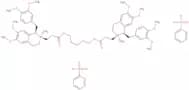
Formula:C50H65N11O11S2Molecular weight:1,060.29 g/molCisatracurium besylate
CAS:nAChRs nicotinic receptor antagonist; neuromuscular-blocking agent
Formula:C65H82N2O18S2Purity:Min. 95%Color and Shape:White PowderMolecular weight:1,243.48 g/molRef: 3D-FC20458
Discontinued productRnase (90-105)
H-SKYPNCAYKTTQANKH-OH peptide, corresponding to RNase A 90-105 (Chain A of bovine pancreatic ribonuclease); min. 95% purity
Formula:C80H124N24O25SMolecular weight:1,854.08 g/molhCG protein
The hCG protein is a growth factor that plays a crucial role in various biological processes. It is involved in the regulation of cell growth, differentiation, and development. This protein has been extensively studied in the field of Life Sciences and has shown promising results in various applications. One of the key characteristics of the hCG protein is its ability to interact with arginase, an enzyme involved in the metabolism of arginine. Through molecular docking studies, it has been shown that hCG can bind to arginase and modulate its activity, leading to potential therapeutic applications. Monoclonal antibodies targeting the hCG protein have been developed for research purposes. These antibodies are highly specific and can be used in immunoassays to detect and quantify hCG levels in human serum samples. They have also been used for the immobilization of hCG on electrodes, enabling the development of biosensors for diagnostic purposes. Furthermore, studies have demonstrated that the hCG protein plays a role in the regulation of mes
Purity:Min. 95%H-GILGFVFTL-OH
CAS:FluM1 (58-66) is a short part of the matrix protein of Influenza A virus which is the most abundant component of this enveloped virus localized under the viral lipid envelope. The GILGFVFTL epitope is highly conserved in Influenza A virus strains at a rate of 93% for 69 strains tested. Human Influenza epitopes may bind MHC molecules and then may be recognized by CD8+ cytotoxic T cells. Applications of FluM1 (58-66): FluM1 (58-66) is used to stimulate CTL responses in peripheral blood mononuclear cells (PBMCs). Then, ELISPOT assay is used to quantify peptide epitope specificity and IFN-γ releasing effector cells. FluM1 (58-66) has shown CTL responses qualified of immunodominant with restriction by HLA-A*02:01. It has also been detected CTL responses when FluM1 (58-66) is restricted by all HLA-C. Therefore, FluM1 (58-66) may help to understand the reaction of immune system against Influenza virus of each populations having different HLA type. FluM1 (58-66) has indeed prompted research to develop T-cell vaccine strategies capable of inducing specific CTL responses in patients upon immunization with Influenza M1 antigenic epitope. MVA-NP+M1 vaccine use GILGFVFTL epitope and is tested in clinical trial. Potential cross-reactivity with HIV-1 p17 Gag (77-85): Moreover, FluM1 (58-66) share similarities with HIV-1 p17 Gag (77-85) which can potentially show a cross-reactivity between these epitopes. It has been demonstrated a cross-reactivity and results suggest that immunity following infection by Influenza virus causes specific immune response to HIV-1 p17 Gag (77-85).
Formula:C49H75N9O11Molecular weight:966.18 g/molOligopeptide-51
Please enquire for more information about Oligopeptide-51 including the price, delivery time and more detailed product information at the technical inquiry form on this page
Purity:Min. 95%CA 125 antibody (biotin)
CA 125 antibody (biotin) was raised in mouse using affinity pure human CA 125 antigen as the immunogen.
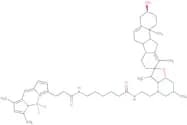
Bodipy cyclopamine
CAS:Fluorescent derivative of cyclopamine
Formula:C49H70BF2N5O4Purity:Min. 95%Color and Shape:Red SolidMolecular weight:841.92 g/molSiratiazem
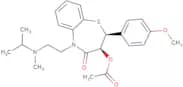
CAS:Siratiazem is a calcium-channel blocker that is used for the treatment of cardiac arrhythmia and hypertension, as well as for the prevention of congestive heart failure. Siratiazem is a prodrug that is converted to its active form by hydrolysis in the liver. It binds to the L-type calcium channels in cardiac muscle cells, thereby blocking calcium influx and decreasing the excitability of these cells. This drug has been shown to be effective in phase 1 clinical trials, with no major adverse effects. Siratiazem can cause symptoms such as nausea, vomiting, diarrhea, or constipation and may also have effects on insulin resistance and ventricular dysfunction.
Formula:C24H30N2O4SPurity:Min. 95%Molecular weight:442.57 g/molAngiotensin A (1-7) trifluoroacetate
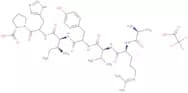
CAS:Endogenous heptapetide which causes vasodilation and has anti-hypertensive properties.
Formula:C40H62N12O9•(C2HF3O2)xPurity:Min. 95%Color and Shape:PowderMolecular weight:855 g/mol8-(3-Chlorostyryl)caffeine
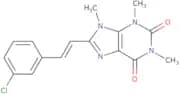
CAS:Controlled Product8-(3-Chlorostyryl)caffeine is a caffeine derivative that binds to the adenosine A3 receptor. It has been shown to inhibit locomotor activity and increase diastolic pressure in knockout mice lacking the adenosine A3 receptor. 8-(3-Chlorostyryl)caffeine has also been shown to have inhibitory properties on cyclase, which is necessary for the production of cAMP, the second messenger in cells. This drug also inhibits dopamine release from neurons and hydrogen bond formation with DNA, protein, and other biomolecules. Lastly, 8-(3-Chlorostyryl)caffeine can bind to both A1 and A2A receptors as well as to dna binding sites.
Formula:C16H15ClN4O2Purity:Min. 95%Color and Shape:PowderMolecular weight:330.77 g/molH-ASCLYGQLPK-OH
Peptide H-ASCLYGQLPK-OH is a Research Peptide with significant interest within the field academic and medical research. This peptide is available for purchase at Cymit Quimica in multiple sizes and with a specification of your choice.
Formula:C48H76N12O13SMolecular weight:1,079.27 g/mol1-(Carboxymethyl)-1H-benzo[G]indole-2-carboxylic acid
CAS:Please enquire for more information about 1-(Carboxymethyl)-1H-benzo[G]indole-2-carboxylic acid including the price, delivery time and more detailed product information at the technical inquiry form on this page
Formula:C15H11NO4Purity:Min. 95%Molecular weight:269.25 g/molSteroid Free Serum
Steroid Free Serum is a high-quality serum that is free from steroids. It is commonly used in various Life Sciences applications, including research and diagnostic assays. This serum contains important components such as alpha-fetoprotein, angiotensin-converting enzyme, collagen, erythropoietin, pegylated growth factor, chemokines, and antibodies with neutralizing properties.
Purity:Min. 95%ALX-1393
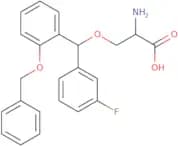
CAS:ALX-1393 is a synthetic compound that acts as an inhibitor, specifically targeting the glycine transporter 1 (GlyT1). As a small molecule inhibitor derived from chemical synthesis, it modulates neurotransmitter systems by blocking the reuptake of glycine, an important co-agonist of the NMDA receptor, in the central nervous system. The mode of action of ALX-1393 involves binding to the GlyT1 transporter, thereby increasing the synaptic concentration of glycine. This elevation in glycine levels enhances NMDA receptor function, which is crucial for synaptic plasticity, learning, and memory.
Formula:C23H22FNO4Purity:Min. 95%Molecular weight:395.4 g/molRef: 3D-ZMB16409
Discontinued productThymopentin acetate salt
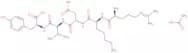
CAS:Controlled ProductThymopentin acetate salt H-Arg-Lys-Asp-Val-Tyr-OH acetate salt is an experimental model system that has been shown to replicate the physiological effects of thymopoietin in vitro. It has also been shown to inhibit the growth of Candida glabrata, a fungus that causes infection in patients with HIV or AIDS. Thymopentin acetate salt H-Arg-Lys-Asp-Val-Tyr-OH acetate salt has been shown to activate both toll like receptor and IL2 receptor, which may be due to its ability to stimulate polyamine synthesis.Formula:C30H49N9O9Purity:Min. 95%Molecular weight:679.77 g/molCerebellin trifluoroacetate
CAS:Please enquire for more information about Cerebellin trifluoroacetate including the price, delivery time and more detailed product information at the technical inquiry form on this page
Formula:C69H113N23O23•(C2HF3O2)4Purity:Min. 95%Molecular weight:2,088.86 g/molRef: 3D-BC184180
Discontinued productS 25585
CAS:S 25585 is a psychostimulant that has been shown to modulate the function of animals. It can be used in the treatment of cancer and autoimmune diseases, as well as to induce overfeeding in animals. S 25585 is an endogenous molecule with a cyclic structure. The affinity for binding of S 25585 to its receptor may depend on whether it is bound or unbound at the time of binding. This drug also has anti-cancer effects, which are due to its ability to inhibit uptake and stabilize cells that are not undergoing cell division. 6-Fluoro-3-indoxyl-beta-D-galactopyranoside (Rifapentine) is an antituberculosis drug that belongs to the class of rifamycins. It is the most active of the rifamycins for the treatment of tuberculosis. Rifapentine inhibits bacterial growth by binding to DNA-dependent RNA polymerase, thereby preventing
Formula:C22H23F3N4O6SPurity:Min. 95%Molecular weight:528.5 g/molRef: 3D-NKA84950
Discontinued productCoibamide A
CAS:Please enquire for more information about Coibamide A including the price, delivery time and more detailed product information at the technical inquiry form on this page
Formula:C65H110N10O16Purity:Min. 95%Molecular weight:1,287.65 g/molRef: 3D-BC183236
Discontinued productMS67N
CAS:Please enquire for more information about MS67N including the price, delivery time and more detailed product information at the technical inquiry form on this page
Formula:C52H59F4N9O7SPurity:Min. 95%Molecular weight:1,030.14 g/molDNL343
CAS:a brain-penetrating activator of eukaryotic initiation factor 2B (eIF2B) that inhibits the abnormal integrated stress response
Formula:C20H19ClF3N3O4Molecular weight:457.83 g/molRef: 3D-BD184381
Discontinued productL-MobileTrex
CAS:L-MobileTrex is an advanced analytical technology platform, which is a product of cutting-edge research in data science and computational modeling. This platform operates by integrating multi-dimensional datasets through sophisticated algorithms, providing enhanced data visualization and interpretability.
Formula:C23H23N5O5Purity:Min. 95%Molecular weight:449.46 g/molCEA protein (Preservative-free)
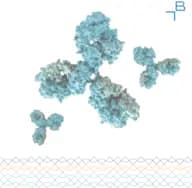
Purified native Human CEA protein (Preservative-free)Purity:>95% By Sds-Page And Electrophoresis1,2-Dipalmitoyl-3-dimethylammonium-propane
CAS:1,2-Dipalmitoyl-3-dimethylammonium-propane is a cationic lipid, which is a type of synthetic lipid commonly used in biochemical and biophysical research. It is sourced from chemical synthesis, involving the formulation of lipid molecules with specific chemical modifications to confer particular properties. The mode of action of this compound involves its ability to integrate into lipid bilayers and form liposomes. These liposomes can encapsulate nucleic acids, facilitating their delivery into cells by merging with cell membranes, which is crucial for gene delivery applications.
Formula:C37H73NO4Purity:Min. 95%Molecular weight:595.98 g/molL 162389
CAS:L 162389 is a synthetic, non-steroidal, anti-inflammatory drug (NSAID) that inhibits the enzyme cyclooxygenase. It inhibits the production of prostaglandins, which are known to cause pain and inflammation in the body. L 162389 is used for the treatment of inflammatory conditions such as rheumatoid arthritis and osteoarthritis.
Formula:C31H38N4O4SPurity:Min. 95%Molecular weight:562.7 g/molPigment red 48 (C.I. 15865)
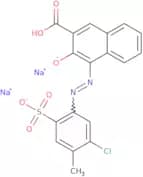
CAS:Pigment Red 48 (C.I. 15865) is a red organic pigment that is soluble in water and most organic solvents. It has a melting point of 200°C and is used in paints, plastics, textiles, paper, and other products. Pigment Red 48 (C.I. 15865) can be synthesized by the diazonium salt coupling reaction between an aromatic amine and an acid chloride. The pigment also has a hydroxyl group that enables it to form covalent bonds with other molecules such as polymers or proteins. Pigment Red 48 (C.I. 15865) is used in many products because of its high stability, excellent heat resistance, low toxicity, non-irritating properties, high transparency, and good color fastness to light and washing.BR> Pigment Red 48 (C.I. 15865) is not considered hazardous according to the Globally Harmonized System of Classification and Lab
Formula:C18H11ClN2Na2O6SPurity:Min. 95%Molecular weight:464.79 g/molCB-1158
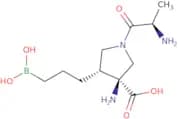
CAS:CB-1158 is an arginase inhibitor, which is a small molecule derived from a synthetic source designed to modulate immune functions. Its mode of action involves the inhibition of the arginase enzyme, a key player in the urea cycle responsible for the hydrolysis of arginine into ornithine and urea. By blocking arginase, CB-1158 effectively prevents the depletion of extracellular arginine, a vital amino acid required for the activation and proliferation of T cells within the immune system. This inhibition leads to enhanced immune responses against tumors.
Formula:C11H22BN3O5Purity:Min. 95%Molecular weight:287.12 g/mol1-Palmitoyl-2-Oleoyl-sn-Glycero-3-Phosphatidylethanolamine
CAS:1-Palmitoyl-2-Oleoyl-sn-Glycero-3-Phosphatidylethanolamine is a broad spectrum antimicrobial that has been shown to have binding properties to peptides. This compound can be used as a potential antimicrobial for the treatment of bacterial infections and gramicidin, an antibiotic that is active against bacteria. It has also been shown to permeabilize cell membranes, which may lead to its function as an antimicrobial agent. 1-Palmitoyl-2-Oleoyl-sn-Glycero-3-Phosphatidylethanolamine is water soluble and has been shown to have conformational properties. These conformational properties are responsible for its binding activity with peptides. 1POGPE is stable in both calorimetric assays and bilayers, which allows it to maintain its structure when interacting with other compounds. 1POGPE also has a high affinity forFormula:C39H76NO8PPurity:Min. 95%Molecular weight:718 g/molParainfluenza Virus Type 2 Antigen
Parainfluenza viruses (PIVs) belong to the Paramyxoviridae family and are a common cause of respiratory infections, particularly in children.
There are four main types: Human Parainfluenza virus-1 (HPIV-1), HPIV-2, HPIV-3, and HPIV-4, each associated with different patterns of illness. HPIV-1 and HPIV-2 are the primary causes of colds and croup. HPIV-3 often leads to bronchitis and pneumonia, while it is thought HPIV-4 causes similar symptoms HPIV-3.
Parainfluenza viruses spread through respiratory droplets and while most infections are mild, infants, young children, and immunocompromised individuals may experience severe respiratory illness.
Parainfluenza Virus Type 2 Antigen has potential application in the development of diagnostic assays to detect antibodies in patient samples, confirming HPIV-2 infection. It can also be used as a research tool in vaccine development.Purity:Min. 95%


![[Leu144, Arg147]-PLP (139-151), [L144, R147-PLP(139-151)]](/_next/image/?url=https%3A%2Fstatic.cymitquimica.com%2Fproducts%2F3D%2Fthumb-webp%2FVAC-00495.webp&w=3840&q=75)




![[Asn76] PTH (64-84), human](/_next/image/?url=https%3A%2Fstatic.cymitquimica.com%2Fproducts%2F3D%2Fthumb-webp%2FVAC-00372.webp&w=3840&q=75)

![[Tyr1]-pTH (1-34) (rat)](/_next/image/?url=https%3A%2Fstatic.cymitquimica.com%2Fproducts%2F3D%2Fthumb-webp%2FVAC-00930.webp&w=3840&q=75)



![[Arg3] Substance P](/_next/image/?url=https%3A%2Fstatic.cymitquimica.com%2Fproducts%2F3D%2Fthumb-webp%2FVAC-00678.webp&w=3840&q=75)






![[Arg14,20,21, Leu16]-PACAP (1-27)-Gly-Lys-Arg, amide, human, ovine, rat](/_next/image/?url=https%3A%2Fstatic.cymitquimica.com%2Fproducts%2F3D%2Fthumb-webp%2FVAC-00488.webp&w=3840&q=75)
![[Ser25]-PKC (19-36) Substrate](/_next/image/?url=https%3A%2Fstatic.cymitquimica.com%2Fproducts%2F3D%2Fthumb-webp%2FVAC-00658.webp&w=3840&q=75)


![[Arg0] Met-Enkephalin](/_next/image/?url=https%3A%2Fstatic.cymitquimica.com%2Fproducts%2F3D%2Fthumb-webp%2FVAC-00699.webp&w=3840&q=75)
![[Tyr27]-pTH (27-48) (human)](/_next/image/?url=https%3A%2Fstatic.cymitquimica.com%2Fproducts%2F3D%2Fthumb-webp%2FVAC-00893.webp&w=3840&q=75)

![[Trp11] Neurotensin (8-13)](/_next/image/?url=https%3A%2Fstatic.cymitquimica.com%2Fproducts%2F3D%2Fthumb-webp%2FVAC-00688.webp&w=3840&q=75)




![[D-Phe7] a-MSH, amide](/_next/image/?url=https%3A%2Fstatic.cymitquimica.com%2Fproducts%2F3D%2Fthumb-webp%2FVAC-00051.webp&w=3840&q=75)


![[Des-Asp10]Decorsin, Leech](/_next/image/?url=https%3A%2Fstatic.cymitquimica.com%2Fproducts%2F3D%2Fthumb-webp%2FVAC-00243.webp&w=3840&q=75)

![[D-Pro4,D-Trp7,9,Nle11]-Substance P (4-11)](/_next/image/?url=https%3A%2Fstatic.cymitquimica.com%2Fproducts%2F3D%2Fthumb-webp%2FVAC-00148.webp&w=3840&q=75)




![1-(Carboxymethyl)-1H-benzo[G]indole-2-carboxylic acid](/_next/image/?url=https%3A%2Fstatic.cymitquimica.com%2Fproducts%2F3D%2Fthumb-webp%2FAAC27331.webp&w=3840&q=75)