Biochemicals and Reagents
Subcategories of "Biochemicals and Reagents"
- Biomolecules(98,559 products)
- By Biological Target(101,029 products)
- By Pharmacological Effects(6,952 products)
- Cryopreservatives(21 products)
- Desinfectants and Related Compounds(28 products)
- Hormones(531 products)
- Plant Biology(6,903 products)
- Secondary Metabolites(14,369 products)
Found 130609 products of "Biochemicals and Reagents"
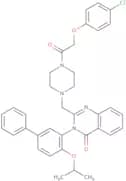
Upcdc30245
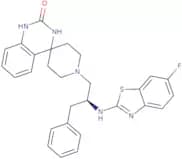
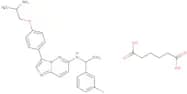
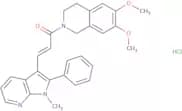
CAS:Upcdc30245 is a human monoclonal antibody that binds to the nuclear factor kappa-light-chain-enhancer of activated B cells (NF-κB) and inhibits its activity. Upcdc30245 has been shown to inhibit the production of proinflammatory cytokines, such as the epidermal growth factor, by binding to NF-κB. NF-κB is a transcription factor that regulates the expression of genes involved in inflammation and cell proliferation. Upcdc30245 has been shown to be effective against resistant mutants in tissue culture and has high values for protease activity and transport rate. The disulfide bond in Upcdc30245 may contribute to its stability.Formula:C28H38FN5Purity:Min. 95%Molecular weight:463.6 g/molNVS ZP7 4
CAS:Inhibitor of ZIP7, a member of the zinc transport familyFormula:C28H28FN5OSPurity:Min. 95%Molecular weight:501.62 g/mol18:1 (N12) Coenzyme A
CAS:18:1 (N12) Coenzyme A is a lipid molecule, which is a derivative of oleic acid conjugated to coenzyme A. It is synthesized from natural sources through enzymatic processes involving oleic acid, a monounsaturated fatty acid, and coenzyme A, a crucial cofactor in various biochemical pathways. The mechanism of action for 18:1 (N12) Coenzyme A involves its participation as an acyl carrier in the enzymatic synthesis and oxidation of fatty acids. As a result, it plays an essential role in fatty acid metabolism, influencing lipid biosynthesis and energy production.
Formula:C39H77N10O17P3SPurity:Min. 95%Molecular weight:1,083.07 g/molHADA
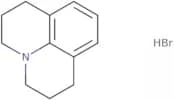
CAS:HADA is a small peptide that has been shown to have potent anti-bacterial activity against Brucella, meningococcal meningitis, and Neisseria meningitidis. HADA inhibits bacterial growth by disrupting the synthesis of fatty acids and malic acid. It is believed that HADA binds to the hydroxy group of the fatty acid chain, preventing its extension and thus blocking the production of long-chained fatty acids. The binding site for HADA on the bacterial cell surface is not yet known. This agent may also inhibit protein synthesis in bacteria by interfering with amino acid metabolism.Formula:C13H13ClN2O6Purity:Min. 95%Molecular weight:328.7 g/molJulolidine hydrobromide
CAS:Julolidine hydrobromide is a photophysical analog that has been shown to bind to the acceptor site of the azobenzene, producing fluorescence. The fluorescence intensity is proportional to the concentration of julolidine hydrobromide in solution. The photophysics are due to a shift in the absorption spectrum and dipole moment of julolidine hydrobromide from its ground state to an excited state. This change in energy level and conformation causes a bathochromic shift in the emission spectrum. A conformation-dependent optical transition between two different conformations of julolidine hydrobromide also occurs, which can be described as a transfer process. Julolidine hydrobromide has been found to have an effective dose at 1mg/kg when used as a treatment for cancerous cells.Formula:C12H15N·HBrPurity:Min. 95%Molecular weight:254.17 g/molTC-E 5005
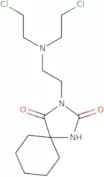
CAS:TC-E 5005 is a potent, selective inhibitor of the multidrug resistance-associated protein (MRP). It is used to study MRP-mediated drug transport in tissues and to develop new anti-cancer drugs. TC-E 5005 has been shown to inhibit phenylephrine-induced contraction of rat bladder strips. This agent also inhibits hydroxylation of noradrenaline, which may play a role in the development of glioblastoma cells. TC-E 5005 is an analog of phenoxybenzamine and structurally related to other drugs that inhibit the action of prostaglandins, such as papaverine.
Formula:C15H18N4OPurity:Min. 95%Molecular weight:270.33 g/moltert-Butyl 4-[(3-phenyl-1,2,4-oxadiazol-5-yl)methyl]piperidine-1-carboxylate
CAS:Controlled ProductTert-Butyl 4-[(3-phenyl-1,2,4-oxadiazol-5-yl)methyl]piperidine-1-carboxylate is a synthetic organic compound typically used in the field of chemical research. It belongs to the class of oxadiazole derivatives, which are known for their diverse chemical and pharmacological properties. The source of this compound is through systematic organic synthesis methods, involving multi-step reactions that strategically build the complex molecular structure.Formula:C19H25N3O3Purity:Min. 95%Molecular weight:343.4 g/mol7-Chloro-3-[2-(6-cyclopropyl-1H-indol-3-yl)-2-oxoethoxy]naphthalene-2-carboxamide
CAS:7-Chloro-3-[2-(6-cyclopropyl-1H-indol-3-yl)-2-oxoethoxy]naphthalene-2-carboxamide is a research tool that acts as an activator of the Ligand, Receptor, Cell Biology, Antibody, Ion channels, CAS No. 1965261-97-5. It is a high purity product with a purity of 99% and has a CAS number of 1965261-97 to 5. This product is used in pharmacology to study protein interactions and life science to study inhibitor activities.Formula:C24H19ClN2O3Purity:Min. 95%Molecular weight:418.9 g/molDofenapyn
CAS:Dofenapyn is an inhibitor of kinases that has shown promising results in the treatment of various types of cancer. It has been tested on human tumor cells and Chinese hamster ovary cells, inhibiting their growth and inducing apoptosis. Dofenapyn is an analog of a protein kinase inhibitor and has been shown to be effective against several types of cancer, including breast cancer, lung cancer, and colon cancer. It also shows anticancer activity against chitosan-induced tumors in mice. This drug can be administered orally or injected into the bloodstream, and it is excreted primarily through urine. Its potential as a novel anticancer agent makes it a promising candidate for further research and development.Formula:C17H16O2Purity:Min. 95%Molecular weight:252.31 g/mol(2S)-α-Tocopherol
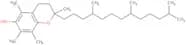
CAS:(2S)-α-Tocopherol is an analog of vitamin E that has been studied for its potential anticancer properties. It has been shown to inhibit the activity of certain protein kinases, which are enzymes involved in cell signaling pathways that can promote tumor growth. In particular, (2S)-α-Tocopherol has been found to inhibit the activity of kinases involved in promoting cancer cell survival and proliferation. Studies have also shown that this compound can induce apoptosis, or programmed cell death, in cancer cells. (2S)-α-Tocopherol has also been investigated as a potential urine biomarker for Chinese patients with tumors, and its levels were found to be significantly elevated in urine samples from these patients compared to healthy controls. This compound may have potential as an anticancer agent or as a biomarker for cancer detection and monitoring.Formula:C29H50O2Purity:Min. 95%Molecular weight:430.7 g/molFR 171113
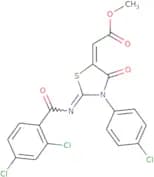
CAS:FR 171113 is a synthetic chemical compound classified as a novel antimicrobial agent, which is derived from intricate laboratory synthesis processes. The compound acts primarily by disrupting bacterial cell wall synthesis, interfering with essential processes that sustain the bacterial cell structure, leading to eventual cell lysis.Formula:C19H11Cl3N2O4SPurity:Min. 95%Molecular weight:469.73 g/molPyflubumide
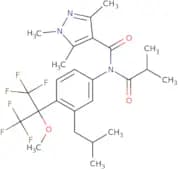
CAS:Pyflubumide is an analog of a medicinal compound that has been shown to have potent anticancer properties. It works by inhibiting kinases, which are enzymes that play a key role in the growth and proliferation of cancer cells. Pyflubumide induces apoptosis, or programmed cell death, in human tumor cells and has been shown to be effective against a range of different types of cancer. This inhibitor has been extensively studied in Chinese hamster ovary cells and has demonstrated significant antitumor activity both in vitro and in vivo. Pyflubumide is excreted primarily via urine, making it an attractive candidate for further development as a potential anticancer drug.Formula:C25H31F6N3O3Purity:Min. 95%Molecular weight:535.5 g/molDacinostat
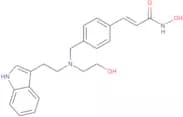
CAS:Inhibitor of histone deacetylases HDAC1 and HDAC2
Formula:C22H25N3O3Purity:Min. 95%Molecular weight:379.45 g/molJNJ-632
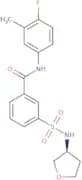
CAS:JNJ-632 is an investigational therapeutic agent, specifically a small molecule degrader, which is derived from synthetic chemical processes. The product is designed to selectively induce the degradation of specific proteins associated with cancer proliferation. This is achieved through a targeted protein degradation mechanism, wherein JNJ-632 binds to the target protein and recruits an E3 ubiquitin ligase, leading to ubiquitination and subsequent proteasomal degradation of the target protein.Formula:C18H19FN2O4SPurity:Min. 95%Molecular weight:378.42 g/molS 3I-1757
CAS:S 3I-1757 is a peptide that interacts with the receptor for thrombin. It is a small molecule inhibitor of the thrombin receptor and has been shown to have no effect on other receptors. This peptide can be used as a research tool or as an inhibitor in pharmacology. S 3I-1757 has been shown to activate ion channels, such as TRPV1 and TRPA1, which are responsible for pain sensation. S 3I-1757 binds to the ligand binding site of these ion channels, which leads to increased permeability of the channel pore and an influx of cations into the cell.Formula:C33H31NO5Purity:Min. 95%Molecular weight:521.6 g/molGSK 9027
CAS:GSK 9027 is a conjugate of the chemotherapeutic agent gemcitabine with an antisense oligodeoxynucleotide. The conjugate selectively targets prostate cancer cells and inhibits their growth without affecting normal cells. GSK 9027 has been shown to inhibit the expression of genes that are necessary for growth and proliferation, such as cyclin D1 and c-myc, in pancreatic cancer cells. It also has antitumor activity against infectious diseases, including cytomegalovirus infection in mice. GSK 9027 is currently being studied for use in inflammatory diseases, like rheumatoid arthritis, Crohn's disease, ulcerative colitis, psoriasis, and Alzheimer's disease.Formula:C27H19F4N3O2SPurity:Min. 95%Molecular weight:525.5 g/molJNJ-40418677
CAS:JNJ-40418677 is a small-molecule pharmaceutical compound that functions as a highly selective phosphodiesterase 10A (PDE10A) inhibitor. It is developed from synthetic chemical sources and is designed to modulate intracellular signaling pathways by targeting the PDE10A enzyme. The mode of action involves inhibition of PDE10A, which is predominantly expressed in the striatum—a brain region linked to motor control and cognitive functions. By inhibiting PDE10A, JNJ-40418677 increases the levels of cyclic nucleotides (cAMP and cGMP) within neurons, which can enhance dopaminergic and glutamatergic signaling pathways.Formula:C26H22F6O2Purity:Min. 95%Molecular weight:480.44 g/molVTX-27
CAS:VTX-27 is an innovative bioengineered compound, which is synthesized through a combination of cutting-edge biotechnological and synthetic chemistry techniques. This product acts by modulating specific biological pathways, leveraging its unique molecular structure to interact with targeted receptors or enzymes, thereby altering cellular functions in a highly controlled manner. VTX-27 is primarily used for its potential in therapeutic applications, particularly in the fields of oncology and neurodegenerative disorders. The precise modulation of pathways allows for investigation into novel treatments, offering insights into disease mechanisms and potentially leading to the development of more effective therapeutic strategies with minimized side effects. Scientists are exploring VTX-27 to understand its efficacy and safety profiles, aiming to contribute to the next generation of targeted treatment options.Formula:C20H24ClFN6OPurity:Min. 95%Molecular weight:418.9 g/mol5-Oxoete methyl ester
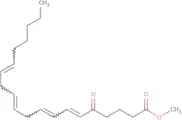
CAS:5-Oxoete methyl ester is a protein analog and inhibitor that has shown promising anticancer activity. It inhibits the activity of Chinese hamster ovary cell kinase, which plays a crucial role in the regulation of the cell cycle and apoptosis. This medicinal compound has been found to be effective against various types of cancer cells, including those found in tumors of the human urinary tract. In addition to its anticancer properties, 5-Oxoete methyl ester has also been shown to have a low toxicity profile, making it an attractive candidate for further development as an anticancer therapy. Its potential as an inhibitor of other kinases is currently being investigated by researchers as well. With its potent anti-tumor effects and minimal side effects, this compound holds great promise for the future of cancer treatment.Formula:C21H32O3Purity:Min. 95%Molecular weight:332.5 g/molCurcumin-d6
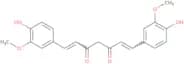
CAS:Curcumin-d6 is a stable isotopic labeled compound, which is derived from the natural polyphenolic compound curcumin sourced from the plant Curcuma longa. As a deuterated analogue, its structure contains six deuterium atoms, which aid in various analytical applications. The mode of action for Curcumin-d6 involves providing a reference standard for mass spectrometry and nuclear magnetic resonance (NMR) studies, where its isotopic composition allows for precise, quantitative analysis and differentiation from non-labeled compounds.Formula:C21H20O6Purity:Min. 95%Molecular weight:374.4 g/mol06:0-06:0 NBD pg
CAS:06:0-06:0 NBD pg is a synthetic fluorescence probe which is used in the field of biochemistry and cell biology. This product is derived from phosphatidylglycerol and carries a nitrobenzoxadiazole (NBD) fluorescent group attached through an acyl chain. The mode of action involves the incorporation of the NBD-labeled lipid into biological membranes or liposomes, enabling visualization and analysis of lipid behavior and protein-membrane interactions under a fluorescence microscope or via spectroscopic methods.Formula:C24H40N5O13PPurity:Min. 95%Molecular weight:637.57 g/molTivantinib
CAS:Inhibitor of MET receptor tyrosine kinaseFormula:C23H19N3O2Purity:Min. 95%Molecular weight:369.42 g/molPG-9 maleate
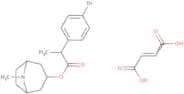
CAS:PG-9 is an antibody that binds to the receptor for interleukin-2. It is a research tool used in cell biology, pharmacology, and protein interactions. PG-9 is also an activator of ion channels, which are pores in the plasma membrane of cells that allow ions to pass through them. The peptide sequence of PG-9 is DYQLDTSNNNQALR (SEQ ID NO: 1). It has a molecular weight of 5.5 kDa and a CAS number of 155649-00-6.Formula:C21H26BrNO6Purity:Min. 95%Molecular weight:468.3 g/mol(R)-PFI-2
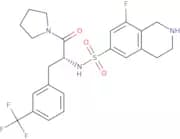
CAS:Inhibitor of SETD7 methyltransferase
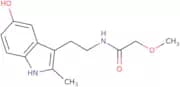
Formula:C23H25F4N3O3S·HClPurity:Min. 95%Molecular weight:535.98 g/molN,N-Dibenzyloxycarbonyl serotonin
CAS:N,N-Dibenzyloxycarbonyl serotonin is a peptide that belongs to the group of receptor agonists. It binds to the serotonin receptors and activates them, and is a potent inhibitor of ion channels. N,N-Dibenzyloxycarbonyl serotonin has been used in research as an activator for antibody production or as a tool for studying protein interactions. N,N-Dibenzyloxycarbonyl serotonin is also known to bind to the 5-HT2A receptor and is an agonist at this site. N,N-Dibenzyloxycarbonyl serotonin has been shown to inhibit the binding of ligands like LY354740 (a selective 5-HT2A antagonist).Formula:C26H24N2O5Purity:Min. 95%Molecular weight:444.50 g/mol5-(3-Methoxypropyl)-2-phenyl-N-[2-[6-(1-pyrrolidinylmethyl)thiazolo[5,4-b]pyridin-2-yl]phenyl]-4-thiazolecarboxamide
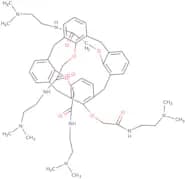
CAS:5-(3-Methoxypropyl)-2-phenyl-N-[2-[6-(1-pyrrolidinylmethyl)thiazolo[5,4-b]pyridin-2-yl]phenyl]-4-thiazolecarboxamide is a research tool used to study the interactions of cell signaling pathways. It has been shown to act as an activator in some cases and as a ligand in others. The compound binds to receptors and ion channels, which may lead to changes in cellular function. 5-(3-Methoxypropyl)-2-phenyl-N-[2-[6-(1-pyrrolidinylmethyl)thiazolo[5,4-b]pyridin-2-yl]phenyl]-4-thiazolecarboxamide has been shown to act as a high purity reagent for protein interactions by binding with antibodies or peptides.Formula:C31H31N5O2S2Purity:Min. 95%Molecular weight:569.7 g/molOTX008
CAS:OTX008 is a small molecule that is structurally related to rapamycin. It has immunomodulatory effects and inhibits the growth of squamous carcinoma cells by inhibiting galectin-1. OTX008 also has proliferative diabetic retinopathy and neuronal function in vitro assays. OTX008 may be an effective treatment for cervical cancer, as it inhibits tumor growth and induces apoptosis in animal models. OTX008 is an analog of rapamycin that binds to the same site on tubule cells as rapamycin and inhibits cell proliferation.
Formula:C52H72N8O8Purity:Min. 95%Molecular weight:937.18 g/molCefcanel daloxate
CAS:Cefcanel daloxate is a peptide that activates the ion channels of nerve cells and muscle cells. It has been used as a research tool for studying the activation of ion channels and receptor-ligand interactions. Cefcanel daloxate has been used to study the role of ion channels in signal transduction and in the regulation of cellular functions, such as cell division. It has also been used to investigate the effect of peptides on protein-protein interactions.
Formula:C27H27N5O9S3Purity:Min. 95%Molecular weight:661.70 g/molIsometheptene maleate
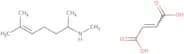
CAS:Controlled ProductIsometheptene maleate is a potent inhibitor of cyclin-dependent kinases (CDKs), which are enzymes that regulate cell cycle progression and play a critical role in tumorigenesis. It has been shown to induce apoptosis in cancer cells and inhibit tumor growth in Chinese hamster ovary cells. Isometheptene maleate is an analog of protein kinase inhibitors, which have been used as anticancer agents. This drug has also been found to be effective against various types of tumors in human urine samples. Its ability to inhibit CDKs makes it a promising candidate for the development of new cancer therapies.Formula:C13H23NO4Purity:Min. 95%Molecular weight:257.33 g/mol2-((2,3-Bis(oleoyloxy)propyl)dimethylammonio)ethyl ethyl phosphate
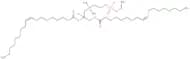
CAS:2-((2,3-Bis(oleoyloxy)propyl)dimethylammonio)ethyl ethyl phosphate (BODIPY® dyes) are fluorescent dyes with a neutral pH. They are synthesized by the reaction of dimethylamine and oleic acid. These dyes have been used for active targeting in tumor treatment and cancer research. BODIPY® dyes have been shown to bind to the extracellular and cellular environment of tumors, as well as human immunodeficiency virus (HIV) infected cells. The fluorescence intensity can be tuned by varying the extent of esterification. BODIPY® dyes also show an ionizable dipole that makes them susceptible to changes in pH or temperature. This property allows them to be used for measurements using titration calorimetry and vibrational spectroscopy.
Formula:C45H86NO8PPurity:Min. 95%Molecular weight:800.14 g/molIDT 307
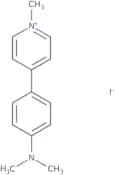
CAS:IDT 307 is a novel compound that belongs to the class of inhibitors of transport. It has been shown to have an inhibitory effect on polymorphic IDO and its pro-inflammatory cytokines in mice deficient in this enzyme. IDT 307 also inhibits uptake of tryptophan into hematopoietic cells and reduces the levels of inflammatory cytokines, such as IL-1β, IL-6, and TNF-α. This drug has also been shown to have anti-depressant properties in mice with chronic bronchitis. IDT 307 is a molecule that tautomerizes between two forms: a crystalline polymorph and an amorphous form. The crystalline form is more stable than the amorphous form, but both forms are active against IDO activity.Formula:C14H17IN2Purity:Min. 95%Molecular weight:340.2 g/molTylosin A
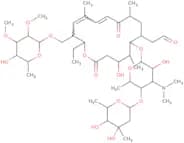
CAS:Tylosin A is a natural macrolide antibiotic that has been used in veterinary medicine for the treatment of respiratory and enteric infections. Recent studies have shown that tylosin A may also have potential as an anti-cancer agent. In vitro studies have demonstrated that tylosin A and its analogs induce apoptosis in human cancer cells, including those from lung, breast, and colon cancers. Tylosin A has also been shown to be a potent inhibitor of kinase activity, which plays a critical role in tumor growth and progression. Additionally, tylosin A has been found in Chinese traditional medicine as an active ingredient in menthol urine inhibitors.
Formula:C46H77NO17Purity:Min. 95%Molecular weight:916.1 g/molVandetanib trifluoroacetate
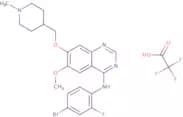
CAS:Vandetanib trifluoroacetate is a peptide that belongs to the group of activators. It is a high-purity, water soluble, and stable compound. Vandetanib trifluoroacetate can be used in research as an activator of ion channels and receptors. It can also be used as a tool to study protein interactions with ligands and receptors. The pharmacological effects of Vandetanib trifluoroacetate are highly specific for particular receptor subtypes, such as TrkA or TrkB. Vandetanib trifluoroacetate has been shown to inhibit the activation of the protooncogene c-Jun N-terminal kinase (JNK) by inhibiting phosphorylation at Thr183/Tyr185 sites in response to elevated intracellular calcium concentration, leading to apoptosis.Formula:C24H25BrF4N4O4Purity:Min. 95%Molecular weight:589.4 g/molScrambled10Panx
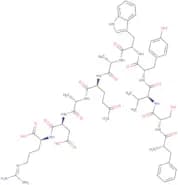
CAS:Scrambled10Panx is a polyanion that is composed of polymers with a hydrophobic and polymeric structure. The polymers are oriented, which gives the compound an anionic charge. Scrambled10Panx has been shown to have antioxidant properties in cells and tissues, as well as being able to inhibit the oxidation of LDL cholesterol. This polymer has also been shown to have transition metal catalytic activity for the synthesis of biologically active compounds. Scrambled10Panx is a functional group that can be used in the production of polymers or hydrophilic materials.
Formula:C58H79N15O16Purity:Min. 95%Molecular weight:1,242.37 g/molTaletrectinib
CAS:Taletrectinib is a small molecule that inhibits the activity of serine proteases, including caspase-3 and cathepsin B. Taletrectinib binds to the active site of these enzymes, preventing them from cleaving their substrate proteins. It has been shown to have antitumor activity in cell cultures as well as in mice with tumors. This drug has a terminal half-life of about 6 hours in human plasma. The safety profile of taletrectinib is similar to those of other drugs used for cancer treatment. This drug has been tested in phase 1 clinical trials and demonstrated an escalation dose response effect. In addition, it demonstrated a favorable safety profile with limited toxicity profiles. Taletrectinib targets lesions on zymogens that are not accessible by other drugs such as lorlatinib or ibrutinib.br> br> Taletrectinib is also being developed for the treatment of neuroendocrineFormula:C29H34FN5O5Purity:Min. 95%Molecular weight:551.6 g/molβ-Apo-13-carotenone
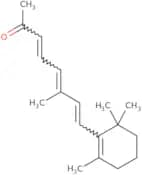
CAS:β-Apo-13-carotenone is a carotenoid that can be found in cantaloupe and other fruits. It has been isolated from the dry weight of Caco-2 cells with all-trans-retinoic acid as an internal standard and analyzed with magnetic resonance spectroscopy. β-Apo-13-carotenone has been shown to have biological functions, such as the inhibition of lipid peroxidation and the stimulation of cell proliferation. It also inhibits the uptake of cholesterol by macrophages, which may lead to a decrease in atherosclerosis. The analytical method for this compound is gas chromatography/mass spectrometry.Formula:C18H26OPurity:Min. 95%Color and Shape:Clear LiquidMolecular weight:258.4 g/molUCSF924NC
CAS:UCSF924NC is an antibody that binds to the extracellular domain of the alpha-7 nicotinic acetylcholine receptor. The antibody can be used as a research tool for studying the function of this receptor and its subunits in vivo. UCSF924NC has been shown to bind to the extracellular domain of alpha-7 nicotinic acetylcholine receptors in rat brain tissue, which may indicate that it is an inhibitor of these receptors. UCSF924NC also has been shown to inhibit calcium influx through ion channels in CHO cells transfected with alpha-7 nAChRs, indicating that it is a ligand for these receptors.
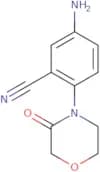
Formula:C19H21N3OPurity:Min. 95%Molecular weight:307.39 g/mol5-Amino-2-(3-oxo-4-morpholinyl)benzonitrile
CAS:5-Amino-2-(3-oxo-4-morpholinyl)benzonitrile (5ABA) is a potent, selective, and noncompetitive inhibitor of the ion channel TASK1. 5ABA inhibits the activation of TASK1 by interacting with the binding site for the activator protein, calcitonin gene-related peptide (CGRP). It has been shown that 5ABA inhibits CGRP-induced currents in rat sensory neurons in a dose dependent manner. This activity is specific to TASK1 channels, as it does not inhibit other members of the K+ channel superfamily.Formula:C11H11N3O2Purity:Min. 95%Molecular weight:217.22 g/molPBP 10
CAS:PBP 10 is an antimicrobial agent that inhibits the growth of bacteria and fungi by binding to actin filaments. It has been shown to inhibit the production of fatty acid and lipid peroxide in rat liver microsomes and to have a radiation-protective effect on cells. PBP 10 has also been shown to inhibit tumor growth in mice. The mechanism of action is not yet clear, but it is believed that PBP 10 may bind to cellular proteins or DNA.Formula:C84H126N24O15Purity:Min. 95%Molecular weight:1,712.1 g/molDiptoindonesin G
CAS:Diptoindonesin G is a peptide that is an activator of the dipeptidyl peptidase-4 receptor. It binds to the receptor and inhibits the breakdown of the incretin hormones, which regulate blood glucose levels. This drug has been shown to be a potent inhibitor of ion channels, such as Na+ and Ca2+, in addition to being an antibody binding site for human IgG. Diptoindonesin G is also found to be a ligand for the angiotensin II type 1 receptor, which plays a role in regulating blood pressure and fluid balance.
Formula:C21H12O6Purity:Min. 95%Molecular weight:360.3 g/molErastin2
CAS:Erastin2 is a small molecule, which is a synthetic compound designed to induce ferroptosis, a form of regulated cell death. It is derived through chemical synthesis and belongs to the class of compounds known as ferroptosis inducers. The mode of action of Erastin2 involves the selective inhibition of the cystine/glutamate antiporter, also known as the system Xc-. This inhibition leads to depletion of intracellular cysteine and subsequent disruption of glutathione synthesis, ultimately resulting in the accumulation of reactive oxygen species (ROS) and lipid peroxidation.
Formula:C36H35ClN4O4Purity:Min. 95%Molecular weight:623.14 g/molDelgocitinib
CAS:Delgocitinib is a protein gene inhibitor that binds to the polymerase chain reaction (PCR) enzyme and blocks the transcription of mRNA. Delgocitinib has been shown to be effective in animal models for bowel disease, and it has also demonstrated potential as an anti-inflammatory agent. Delgocitinib binds to the catalytic subunit of DNA-dependent RNA polymerase and inhibits transcription. This drug also inhibits x-ray crystal structures of mammalian DNA gyrase and bacterial DNA topoisomerase IV, which are enzymes required for DNA replication. Delgocitinib is being investigated for its potential use in treating interferon alfa-2b resistant cancers, such as renal cell cancer, bladder cancer, and melanoma. Delgocitinib has been shown to have acute toxicities in animals. These include decreased locomotor activity, weight loss, increased serum creatinine levels, and decreased levels of potassium in bloodFormula:C6H8N6OPurity:Min. 95%Molecular weight:180.17 g/molLMP744
CAS:LMP744 is a phosphodiesterase inhibitor that has been shown to be cytotoxic in vitro. It is also a pro-apoptotic protein, which leads to the induction of apoptosis by binding to the mitochondrial membrane and inhibiting the release of cytochrome C. LMP744 acts as an intercalating agent and binds to dna, preventing transcription and replication. This drug also inhibits DNA synthesis and is homologous with other drugs that are being developed for cancer treatment. A significant cytotoxicity was observed in human tumor cells, but not in normal cells, at concentrations of 10 μM or less. The terminal half-life of LMP744 was 15 hours when administered intravenously in rats. The drug exhibits high affinity for methoxy groups, which may be due to its quinoline structure.
Formula:C24H24N2O7Purity:Min. 95%Molecular weight:452.5 g/molSPRi 3
CAS:SPRi 3 is a synthetic sepiapterin analogue. It has been shown to be a selective inhibitor of the enzyme aromatic L-amino acid decarboxylase (AADC) in cancer cells and has also shown some antitumour activity. SPRi 3 is able to inhibit the synthesis of monoamine neurotransmitters, which are involved in pain modulation and have been implicated in autoimmune disease pathogenesis. SPRi 3 is also able to activate cardiac tissue and relieve pain caused by inflammation or injury.
Formula:C14H18N2O3Purity:Min. 95%Molecular weight:262.3 g/molCamobucol
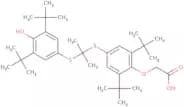
CAS:Camobucol is a synthetic analog of the natural compound pyridazine. It has been shown to inhibit the synthesis of pro-inflammatory cytokines and potentiate the activity of anti-inflammatory cytokines in vitro. Camobucol has also demonstrated potent inhibition of peroxides, reactive oxygen species, and neutrophil-mediated cytotoxicity in vivo. In addition, camobucol inhibits inflammatory mechanisms at the cellular level by preventing IL1β from binding to its receptor. Camobucol is orally bioavailable and has an excellent safety profile with low toxicity.
Formula:C33H50O4S2Purity:Min. 95%Molecular weight:574.9 g/molVU 0155041 sodium
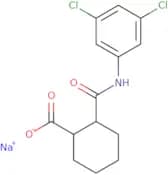
CAS:VU 0155041 is a sodium salt, which has been shown to be immunostaining in animals and humans. It has been used to study β-catenin expression in the subventricular zone of the brain during postnatal development. VU 0155041 is also used in cell culture studies that analyze extracellular glutamate cycling. VU 0155041 has been shown to activate expression of glutamate receptors in cells with high levels of cyclic AMP. This activation leads to the synthesis of proteins, such as β-catenin, that are involved in postnatal development and neuronal differentiation.Formula:C14H15Cl2NO3•NaPurity:Min. 95%Color and Shape:PowderMolecular weight:339.17 g/molAZD 8186
CAS:AZD 8186 is a selective small-molecule inhibitor, which is sourced from synthesized chemical compounds, specifically designed to target the phosphoinositide 3-kinase (PI3K) pathway. This inhibitor functions by selectively inhibiting the PI3K isoforms, primarily PI3Kβ and PI3Kδ, which play critical roles in multiple cell signaling pathways related to growth, survival, and proliferation.
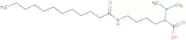
Formula:C24H25F2N3O4Purity:Min. 95%Molecular weight:457.5 g/molN2,N2-Dimethyl-N6-(1-oxododecyl)-L-lysine
CAS:N2,N2-Dimethyl-N6-(1-oxododecyl)-L-lysine is a peptide and an inhibitor of ion channels. It was originally isolated from the venom of the Brazilian spider Phoneutria nigriventer. N2,N2-Dimethyl-N6-(1-oxododecyl)-L-lysine binds to voltage gated sodium channels, inhibiting the opening of these channels. This inhibition prevents the propagation of action potentials, and leads to a cessation in neural activity. N2,N2-Dimethyl-N6-(1-oxododecyl)-L-lysine also inhibits potassium channels by binding to the S4 region of these channels. The inhibition of potassium channels leads to hyperpolarization and a decrease in neural activity.Formula:C20H40N2O3Purity:Min. 95%Molecular weight:356.5 g/mol4-(4-Bromo-phenyl)-1-(5-methoxy-1H-indol-3-ylmethyl)-piperidin-4-ol
CAS:4-(4-Bromo-phenyl)-1-(5-methoxy-1H-indol-3-ylmethyl)-piperidin-4-ol is a potent and selective activator of the human TRPA1 receptor. It has been shown to activate the channel and induce calcium influx in human embryonic kidney cells. This compound can also be used as a research tool to study protein interactions and pharmacology. The purity of this product is high, with no detectable impurities. 4-(4-Bromo-phenyl)-1-(5-methoxy-1H-indol-3-ylmethyl)-piperidin-4 -ol is available for purchase from Sigma Aldrich at CAS No. 8734456044.Formula:C21H23BrN2O2Purity:Min. 95%Molecular weight:415.3 g/molDSHN
CAS:DSHN is a natural product that has been shown to have a modulating effect on tyrosine phosphatases, which are enzymes that regulate cellular signaling. DSHN also has been shown to inhibit inflammatory responses in vitro and in vivo. It was found to be effective in inhibiting the activation of p65, one of the transcription factors involved in the inflammatory response. In addition, it has been demonstrated that DSHN inhibits the production of pro-inflammatory cytokines such as IL-1β and TNF-α. These effects were observed using transcriptomic analysis on mouse macrophages.
Formula:C15H17NO5SPurity:Min. 95%Molecular weight:323.4 g/molTC-F 2
CAS:TC-F 2 is a protein that belongs to the group of neurotoxins. It has been shown to be toxic to humans and other mammals, with a LD50 value of 0.01 mg/kg body weight. TC-F 2 has been shown to have a long-acting effect, which may be due to its ability to inhibit fatty acid hydrolase and inhibit the breakdown of amides in the central nervous system. This molecule inhibits neuropathic pain by interacting with proteins in the interactome and inhibiting human long-term potentiation (LTP).Formula:C26H25N5O2Purity:Min. 95%Molecular weight:439.5 g/mol5,6-Dihydro-5-aza-2-deoxycytidine
CAS:5,6-Dihydro-5-aza-2-deoxycytidine is a purine antimetabolite that inhibits DNA synthesis. The compound binds to the enzyme thymidylate synthase, which converts deoxyuridine monophosphate to thymidylate. It also binds to the receptor for 5,6-dihydro-5-aza-2'-deoxycytidine, which is expressed on cells of the immune system. This binding prevents activation of lymphocytes and inhibits cell proliferation.
Formula:C8H14N4O4Purity:Min. 95%Molecular weight:230.22 g/molCP-640186 hydrochloride
CAS:CP-640186 hydrochloride is a peptide that is used as a research tool. It has been shown to be an inhibitor of protein interactions and activator of ligand, which may be due to its ability to bind to receptors. CP-640186 hydrochloride has also been shown to inhibit ion channels and act as an antibody.
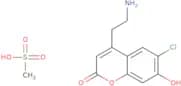
Formula:C30H36ClN3O3Purity:Min. 95%Molecular weight:522.08 g/molFfn 102 mesylate
CAS:Please enquire for more information about Ffn 102 mesylate including the price, delivery time and more detailed product information at the technical inquiry form on this pageFormula:C12H14ClNO6SPurity:Min. 95%Molecular weight:335.76 g/molOlprinone
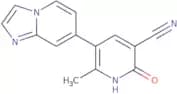
CAS:Olprinone is a drug that is used to treat congestive heart failure. It is an oral medication that works by decreasing the workload of the heart and improving blood flow, which reduces the strain on the heart. Olprinone also decreases the production of cytokines such as IL-10 and TNF-α, which are associated with inflammation. This drug has been shown to be effective for treatment of skin cancer in a low-dose group. The molecular docking analysis showed that olprinone binds to a cardiac response element (CRE) in signal pathways. Olprinone has also been shown to have anti-inflammatory properties in vitro and in animal models.Formula:C14H10N4OPurity:Min. 95%Molecular weight:250.26 g/molDesloratadine-d1 N-oxide
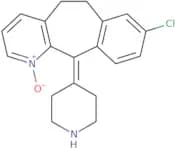
CAS:Please enquire for more information about Desloratadine-d1 N-oxide including the price, delivery time and more detailed product information at the technical inquiry form on this pageFormula:C19H19ClN2OPurity:Min. 95%Molecular weight:327.8 g/molNCI172112
CAS:NCI172112 is a human immunoglobulin that has been genetically engineered to be resistant to proteolytic degradation by serine proteases. It binds to the surface of cancer cells and blocks the growth of tumor cells in culture. NCI172112 has also been shown to reduce cardiac hypertrophy in animals, which may be due to its ability to decrease fatty acid levels in the heart. The covalent linkage between NCI172112 and human serum albumin prevents it from being easily degraded by enzymes in the body. NCI172112 has also been shown to have a diagnostic effect on cancerous tissue and can be used as a treatment for cancer.
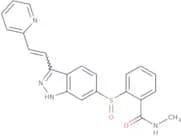
Formula:C14H23Cl2N3O2Purity:Min. 95%Molecular weight:336.3 g/molAxitinib sulfoxide
CAS:Axitinib sulfoxide is a small molecule metabolite, which is derived from the parent compound axitinib. Axitinib, a tyrosine kinase inhibitor, targets vascular endothelial growth factor receptors (VEGFRs), primarily utilized in oncological therapeutics. The source of axitinib sulfoxide is the metabolic transformation of axitinib in vivo, involving the oxidation of sulfur atoms by hepatic metabolic enzymes, particularly cytochrome P450.Formula:C22H18N4O2SPurity:Min. 95%Molecular weight:402.5 g/molDL5050
CAS:DL5050 is a biodegradable, non-steroidal anti-inflammatory drug that belongs to the class of androstane receptor agonists. It has been shown to have a long-acting effect in vivo. DL5050 is not selective for any particular androgen receptor, but rather it binds to the constitutive androstane receptor, which is found in cells throughout the body. This active compound binds to the multilayer sensor with functional groups of ethylene molecules that are attached to it. The sensor then triggers a change in the ion channels located on the cell membrane surface, which leads to an increase in intracellular calcium levels. The increased calcium level activates enzymes that break down arachidonic acid (a polyunsaturated fatty acid) into prostaglandins. These enzymatic reactions lead to inflammation relief and pain reduction.Formula:C23H15Cl2N3O2Purity:Min. 95%Molecular weight:436.3 g/molSIS3
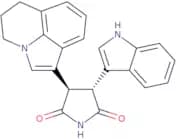
CAS:SIS3 is a selective Smad3 inhibitor, which is a small-molecule compound derived through synthetic chemical methods. It is designed to specifically inhibit the phosphorylation and activity of the Smad3 protein, a critical transcription factor involved in the transforming growth factor-beta (TGF-β) signaling pathway. Smad3 is implicated in various cellular processes, including proliferation, differentiation, and apoptosis.Formula:C28H27N3O3·HClPurity:Min. 95%Molecular weight:489.99 g/molN-(3-Hydroxy-2-methylbenzoyl)-L-valyl-N-[(1S,2E)-4-ethoxy-1-(2-methylpropyl)-4-oxo-2-butenyl]-L-serinamide
CAS:Controlled ProductN-(3-Hydroxy-2-methylbenzoyl)-L-valyl-N-[(1S,2E)-4-ethoxy-1-(2-methylpropyl)-4-oxo-2-butenyl]-L-serinamide is an inhibitor of the ubiquitin proteasome pathway. The enzyme that catalyzes the ATPase reaction of the proteasome is inhibited by N-(3-hydroxy-2 methylbenzoyl)-L valyl -N-[(1S,2E) 4 ethoxy 1 (2 methylpropyl) 4 oxo 2 butenyl] L serinamide. This inhibition prevents the degradation of intracellular proteins and results in cell death. N-(3 hydroxy 2 methylbenzoyl)-L valyl -N-[(1S,2E) 4 ethoxy 1 (2 methylpropyl) 4 oxo 2 butenyl] L serinFormula:C26H39N3O7Purity:Min. 95%Molecular weight:505.6 g/molst-Ht31
CAS:ST-Ht31 is a cyclic nucleotide phosphodiesterase inhibitor that is membrane permeable and light-sensitive. It is used to study the physiological function of ATP-binding cassette transporters, which are found on cell membranes. ST-Ht31 has been shown to increase membrane hyperpolarization in cells and to inhibit the growth of prostate cancer cells. This drug also has regulatory effects on mesenchymal markers, such as growth factor-β1, and can be used for the treatment of prostate cancer. ST-Ht31 binds to the ryanodine receptor, which regulates calcium release from intracellular stores, leading to an increase in intracellular calcium levels.
Formula:C129H217N29O39Purity:Min. 95%Molecular weight:2,798.3 g/molPsoralenoside
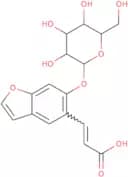
CAS:Psoralenoside is a natural compound that inhibits the transcriptional regulation of melanogenesis. It has been shown to inhibit the activity of matrix metalloproteinases and proteases, as well as their ability to activate pro-inflammatory cytokines, which may be important in the treatment of psoriasis. Psoralenoside is available in two chemical forms: psoralen and its glycoside, psoralenoside. Psoralens are compounds that can bind to DNA and form covalent bonds with it. This process prevents normal DNA replication, causing cell death. The pharmacokinetic properties of psoralens are limited by their rapid elimination from the body. Preparative high performance liquid chromatography (HPLC) methods are used for analysis and quantification of psoralen content in herbal products. An analytical method based on HPLC was developed for the detection of psoralenosides in Chinese herbs such as Fructus astragali radix, PsoraleaFormula:C17H18O9Purity:Min. 95%Molecular weight:366.3 g/molN-((1,3-Dihydroxypropan-2-yl)oxy)-7-fluoro-6-((2-fluoro-4-iodophenyl)amino)benzofuran-5-carboxamide
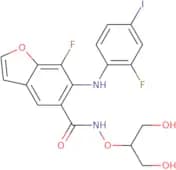
CAS:N-((1,3-Dihydroxypropan-2-yl)oxy)-7-fluoro-6-(2-fluoro-4-iodophenyl)amino)benzofuran-5 -carboxamide (BX795) is a potent and selective inhibitor of the immune checkpoint protein PD1, which is expressed on T cells. This drug binds to the extracellular domain of PD1 and blocks its interaction with the ligands PDL1 and PDL2. BX795 inhibits the activation of T cells by blocking the signal transduction pathway induced by PD1 binding to its ligands. This drug has been shown to have an excellent safety profile in preclinical studies and will be tested in clinical trials for cancer immunotherapy.Formula:C18H15F2IN2O5Purity:Min. 95%Molecular weight:504.2 g/molVU 0238429
CAS:VU 0238429 is a nicotinic acetylcholine inhibitor that is used to study the effects of cholinergic drugs on biological systems. It binds to nicotinic acetylcholine receptors and blocks the binding of acetylcholine, preventing the activation of muscle tissue. VU 0238429 has been shown to have a significant effect on dopamine levels in rats, which may be due to its inhibition of dopamine uptake by neurons. VU 0238429 has also been shown to improve performance in animals on a rotarod test. The drug was administered at different concentrations, and it was found that an increase in concentration leads to an increase in duration before the rat falls off the rod.Formula:C17H12F3NO4Purity:Min. 95%Molecular weight:351.28 g/molTegaserod
CAS:5-HT4 serotonin receptor antagonist; used to treat irritable bowel syndromeFormula:C16H23N5OPurity:Min. 95%Molecular weight:301.39 g/molIMB-808
CAS:IMB-808 is an advanced synthetic compound, which is derived from a meticulously engineered chemical synthesis process. This compound functions through a unique mode of action that involves the disruption of microbial cell walls, leading to cell lysis and death. The precise mechanism involves the interference with enzymatic functions critical to cell wall biosynthesis, making it highly effective against a broad spectrum of bacterial pathogens.
Formula:C18H15F3N2O4Purity:Min. 95%Molecular weight:380.3 g/molSW203668 trifluoroacetate
CAS:SW203668 trifluoroacetate is a synthetic neuropeptide, which is a laboratory-derived analog of natural signaling molecules involved in neuronal communication. It is sourced from chemical synthesis, designed to mimic or enhance the function of endogenous peptides by binding to specific receptors on cell surfaces. The mode of action of SW203668 trifluoroacetate involves the modulation of neurotransmitter release and the subsequent alteration of neuronal signaling pathways.Formula:C22H19N3O2S·CF3CO2HPurity:Min. 95%Molecular weight:503.49 g/molHSMG-1 inhibitor 11E
CAS:HSMG-1 inhibitor 11E is a small molecule that binds to the HSMG-1 ion channel and inhibits its activity. This compound has been shown to be an activator of the HSMG-1 ion channel, but is an inhibitor of the HSMG-2 ion channel. It is a high purity chemical with a CAS number of 1402452-10-1.
Formula:C26H27N7O3SPurity:Min. 95%Molecular weight:517.6 g/molL162441
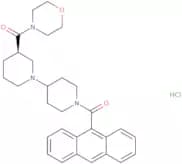
CAS:L162441 is an inhibitor of the protein interactions between peptides and proteins. It binds to the ligand-binding site of the receptor and prevents it from interacting with its natural substrate, thereby blocking signal transduction. L162441 binds to specific receptors in a competitive manner, which has been shown using a high-affinity antibody.
L162441 has been used as a research tool for studying the function of ion channels and antibodies. It is also used as a pharmacological agent for treating various types of cancer.Formula:C34H43N5O5SPurity:Min. 95%Molecular weight:633.8 g/molTematropium methylsulfate
CAS:Tematropium methylsulfate is a potent anticholinergic drug that inhibits the enzyme acetylcholinesterase. This drug is used for the treatment of inflammatory diseases, such as asthma and chronic obstructive pulmonary disease. It has been shown to inhibit the production of pergolide mesylate, which leads to an increase in acetylcholine in the brain. Tematropium methylsulfate has also been shown to have neuroprotective effects, which may be due to its ability to inhibit the destruction of acetylcholine by acetylcholinesterase and enhance the release of acetylcholine from nerve endings.Formula:C21H31NO8SPurity:Min. 95%Molecular weight:457.5 g/molTalazoparib tosylate
CAS:Inhibitor of PARP polymerase
Formula:C26H22F2N6O4SPurity:Min. 95%Molecular weight:552.55 g/molTolycaine
CAS:Tolycaine is a topical anesthetic that has been shown to have a skin conditioning effect. It can be used for the treatment of various skin conditions, such as eczema, psoriasis, and dermatitis. Tolycaine is also effective in reducing the viscosity of some ointments and creams. The mechanism of action is not fully understood but it may be due to its ability to inhibit the uptake of amines or its effects on skin blood flow. Tolycaine has been shown to have an inhibitory effect on copper complex-induced erythema in humans and exhibits anti-inflammatory properties. This drug is used as a local anesthetic in ophthalmic surgery and dentistry.Formula:C15H22N2O3Purity:Min. 95%Molecular weight:278.35 g/molRifaximin-d6 (major)
CAS:Rifaximin-d6 is a peptide. It is an activator of ion channels and a ligand for receptors and ligands. Rifaximin-d6 has been shown to inhibit the activity of protein interactions and can be used as a research tool for studies in cell biology, pharmacology, and immunology. Rifaximin-d6 is a high purity product with CAS No. 1262992-43-7.Formula:C43H51N3O11Purity:Min. 95%Molecular weight:791.9 g/molN-(Mesitylsulfonyl)-N-(4-((2-(pyrrolidin-1-yl)pyrimidin-4-yl)amino)phenyl)glycine
CAS:N-(Mesitylsulfonyl)-N-(4-((2-(pyrrolidin-1-yl)pyrimidin-4-yl)amino)phenyl)glycine is a peptide that belongs to the group of activators. It is a high purity, research tool that can be used in life science and cell biology experiments. N-(Mesitylsulfonyl)-N-(4-((2-(pyrrolidin-1-yl)pyrimidin-4-yl)amino)phenyl)glycine has been shown to inhibit ion channels, protein interactions, and receptor binding.Formula:C25H29N5O4SPurity:Min. 95%Molecular weight:495.6 g/mol(Z)-Dimethomorph
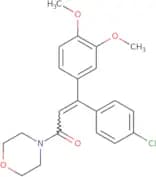
CAS:(Z)-Dimethomorph is an analog of the anticancer drug rifampicin that has been shown to inhibit kinase activity in cancer cells. This compound has demonstrated potent anticancer activity against a variety of tumor types, including human cancer cells. (Z)-Dimethomorph has been shown to induce apoptosis in Chinese hamster ovary cells and inhibit the growth of cancer cells by inhibiting the activity of kinases involved in cell proliferation and survival. Additionally, this compound has been found to be a potent inhibitor of astaxanthin uptake and metabolism in urine, suggesting its potential as a therapeutic agent for cancer treatment. Overall, (Z)-Dimethomorph shows promise as a potent inhibitor of kinases involved in cancer cell growth and survival.
Formula:C21H22ClNO4Purity:Min. 95%Molecular weight:387.9 g/molNSC12
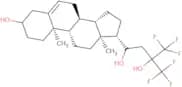
CAS:NSC12 is a potent inhibitor of cell proliferation and tumor growth. It has been shown to inhibit muscle cell proliferation and induce apoptotic cell death. NSC12 binds to the hydroxyl group of HIF-1α, which prevents it from forming a complex with the transcriptional coactivator p300. This binding inhibits the transcriptional activity of HIF-1α, leading to decreased protein synthesis in cells and ultimately apoptosis. NSC12 has been shown to be an effective therapeutic agent for proliferative diabetic retinopathy in an experimental model.
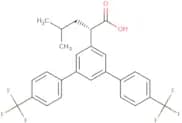
Formula:C24H34F6O3Purity:Min. 95%Molecular weight:484.52 g/molPSB-12062
CAS:PSB-12062 is a molecule that has been shown to have an inhibitory effect on cancer cells. It inhibits the activity of p2y receptors, which are found in human macrophages and other cells. PSB-12062 also blocks the entry of Ca2+ ions into cells by blocking ion channels, leading to a decrease in protein synthesis. PSB-12062 can activate colony stimulating factor, which may be useful for patients with cancer or other diseases that cause chronic inflammation.Formula:C19H15NO3SPurity:Min. 95%Molecular weight:337.39 g/molASB-14
CAS:Consists of a long alkyl tail and amidosulfobetaine headgroup. Used as rehydration buffer for proteomic sample preparation from Leishmania donovani. Also used for protein solubilisation.Formula:C22H46N2O4SPurity:Min. 95%Molecular weight:434.68 g/molC 021 dihydrochloride
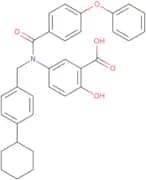
CAS:C 021 dihydrochloride is a chemotherapeutic drug that is used to treat cancer and inflammatory diseases. C 021 dihydrochloride has been shown to be effective in treating myeloid-derived suppressor cells (MDSCs) in a model system. It also seems to protect against the development of colon cancer and other cancers by inhibiting the growth of tumor cells through its ability to inhibit inflammatory cytokines such as c-c chemokine receptor 2 (CCR2). C 021 dihydrochloride also has regulatory effects on T-cells and leukemia cells, which may be caused by its ability to regulate the production of growth factors.Formula:C27H43Cl2N5O2Purity:Min. 95%Molecular weight:540.6 g/molWAY 267464 dihydrochloride
CAS:WAY 267464 is an analog of the endogenous hormone oxytocin. It has been shown to promote the release of dopamine and serotonin in various regions of the brain, as well as inhibit alcohol intake in animal models. In animal models, WAY 267464 also shows antidepressant-like activity and a profile that suggests it may be used for chronic viral infections. WAY 267464 binds to the oxytocin receptor with high affinity, but does not bind to other receptors. The molecule is structurally similar to a number of antidepressants that are currently on the market, including fluoxetine, amitriptyline, and venlafaxine.Formula:C32H35N7O4·2HClPurity:Min. 95%Molecular weight:654.59 g/molOSMI 1
CAS:Inhibitor of O-GlcNAc transferaseFormula:C28H25N3O6S2Purity:Min. 95%Molecular weight:563.65 g/molKT 5823
CAS:Inhibitor of protein kinase PKGFormula:C29H25N3O5Purity:Min. 95%Color and Shape:SolidMolecular weight:495.53 g/mol(S)-2-((2-Hydroxy-1-phenylethyl)amino)acetic acid
CAS:(S)-2-((2-Hydroxy-1-phenylethyl)amino)acetic acid is a versatile compound with various applications across different industries. It can be used in the field of Life Sciences for research purposes, such as studying growth factors and chemokines. This compound has also been utilized in the industrial sector for the production of cellulose and fatty acids.
Formula:C10H13NO3Purity:Min. 95%Molecular weight:195.21 g/mol4-[(1E)-2-[6-[2-[2-(2-Fluoroethoxy)ethoxy]ethoxy]-3-pyridinyl]ethenyl]-N-methyl-benzenamine
CAS:4-[(1E)-2-[6-[2-[2-(2-Fluoroethoxy)ethoxy]ethoxy]-3-pyridinyl]ethenyl]-N-methyl-benzenamine is a potent activator of GABAA receptors. It is an allosteric modulator and enhances the function of GABA, which is an inhibitory neurotransmitter. 4-[(1E)-2-[6-[2-[2-(2-Fluoroethoxy)ethoxy]ethoxy]-3-pyridinyl]ethenyl]-N-methyl-benzenamine has been shown to be a useful research tool in pharmacology and protein interactions. This chemical compound binds to GABAA receptor ligands such as benzodiazepines and barbiturates, as well as endogenous substances such as neurosteroids, amino acids, peptides, and nucleotides.
Formula:C20H25FN2O3Purity:Min. 95%Molecular weight:360.4 g/molVPC 01091
CAS:VPC 01091 is a peptide that binds to the C-terminus of calcium channels, inhibiting their activity. It has been shown to be a potent inhibitor of voltage-gated ion channels in mammalian cells. VPC 01091 may also act as an activator for some ligand-gated ion channels and receptor tyrosine kinases.
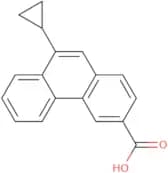
Formula:C20H34ClNOPurity:Min. 95%Molecular weight:339.94 g/mol9-Cyclopropyl-3-phenanthrenecarboxylic acid
CAS:9-Cyclopropyl-3-phenanthrenecarboxylic acid (CPPC) is a potentiating agent that enhances the effects of other drugs. It has been shown to have inhibitory effects on acetylcholinesterase, which is an enzyme that breaks down the neurotransmitter acetylcholine. CPPC also has potentiating effects on the binding of naphthalene, a potent regulatory agent. This drug has been shown to have a number of pharmacological activities such as potentiation, inhibition, and regulation, depending on the receptor subtype it binds with. It is also used in treatment for depression, although its mechanism of action is not fully understood.Formula:C18H14O2Purity:Min. 95%Molecular weight:262.3 g/molTRAM 34
CAS:Inhibitor of calcium-activated potassium channels
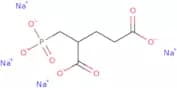
Formula:C22H17ClN2Purity:Min. 95%Molecular weight:344.84 g/mol2-(Phosphonomethyl)-pentanedioic acid tetrasodium
CAS:2-(Phosphonomethyl)-pentanedioic acid tetrasodium is a synthetic compound, which is an organophosphorus chemical designed for specific biochemical applications. Its source lies in the realm of chemical synthesis involving the phosphorylation of organic moieties, leading to its unique structural configuration.Formula:C6H7Na4O7PPurity:Min. 95%Molecular weight:314.05 g/molCMPDA
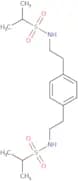
CAS:CMPDA is a monoclonal antibody that binds to activated dasatinib, which is an epidermal growth factor receptor tyrosine kinase inhibitor. CMPDA blocks the binding of dasatinib and other therapeutic agents to their receptor targets, thereby inhibiting cancer cell growth. In addition, it has been shown to reduce inflammation in mouse models of inflammatory bowel disease. CMPDA also inhibits angiogenesis by binding to the erythropoietin receptor and blocking the production of vascular endothelial growth factor (VEGF). This agent has been shown to have a strong inhibitory effect on fungal biomass.Formula:C16H28N2O4S2Purity:Min. 95%Molecular weight:376.53 g/mol1-[11-(Dodecylamino)-10-hydroxyundecyl]-3,7-dihydro-3,7-dimethyl-1H-purine-2,6-dione
CAS:1-[11-(Dodecylamino)-10-hydroxyundecyl]-3,7-dihydro-3,7-dimethyl-1H-purine-2,6-dione is a ligand that binds to the α1A receptor. It is a potent activator of this receptor and has been shown to be a useful tool for the study of this receptor. 1-[11-(Dodecylamino)-10-hydroxyundecyl]-3,7-dihydro-3,7-dimethyl-1H-purine-2,6-dione is also an inhibitor of ion channels. This drug inhibits voltage gated sodium channels in rat brain cells and blocks the release of acetylcholine at the neuromuscular junction in rats. 1-[11-(Dodecylamino)-10-hydroxyundecyl]-3,7-dihydro-3
Formula:C30H55N5O3Purity:Min. 95%Molecular weight:533.8 g/molSofpironium bromide
CAS:Sofpironium bromide is a ligand that binds to ion channels and is used as a research tool. It is used in cell biology and immunology to study protein interactions, receptor pharmacology, and ion channels. Sofpironium bromide is also used as an inhibitor of the potassium channel Kv1.4 and has been shown to inhibit the proliferation of human cancer cells.
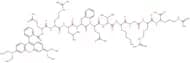
Formula:C22H32BrNO5Purity:Min. 95%Molecular weight:470.4 g/molPlasminogen Heavy Tryptic Peptide Standard (4nmol)
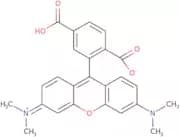
For Protein Identification and QuantitationPurity:Min. 95%6-Carboxytetramethyl rhodamine hydrochloride
CAS:6-Carboxytetramethyl rhodamine hydrochloride is a fluorescent probe that produces an intense red fluorescence when bound to nucleic acids and proteins. The fluorescence can be measured using a spectrofluorimeter, which is a device that measures the intensity of light emitted by cells in response to excitation by an ultraviolet or visible light source. 6-Carboxytetramethyl rhodamine hydrochloride has been used as a fluorescent probe for the detection of human protein in x-ray crystal structures. This probe has also been used to detect herpes simplex virus (HSV) and other DNA viruses. The basic properties of this compound are determined by its sequence and structure, which can be studied using molecular methods such as hybridization or proximal tubule analysis.
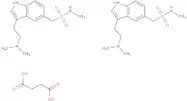
Formula:C25H22N2O5·HClPurity:Min. 95%Color and Shape:SolidMolecular weight:466.91 g/molSumatriptan-d6 (succinate)
CAS:Please enquire for more information about Sumatriptan-d6 (succinate) including the price, delivery time and more detailed product information at the technical inquiry form on this pageFormula:C32H48N6O8S2Purity:Min. 95%Molecular weight:721 g/molLY3295668
CAS:LY3295668 is a cytostatic agent that has minimal toxicity. It binds to the fatty acid acyl chains in the bacterial membrane, which prevents the bacteria from synthesizing fatty acids and other lipids. LY3295668 also inhibits transcription of bacterial genes involved in growth factor synthesis and blocks DNA-dependent RNA polymerase activity. This agent has been shown to be effective against a number of tumor xenografts, including skin carcinomas and colon adenocarcinomas, with an effective dose range of 10-100 µg/mL. LY3295668 has also been shown to be effective against probiotic bacteria, such as Lactobacillus acidophilus.Formula:C24H26ClF2N5O2Purity:Min. 95%Molecular weight:489.95 g/molLazertinib
CAS:Lazertinib is a potent tyrosine kinase inhibitor with inhibitory properties against cancer cells. Lazertinib has been shown to have inhibitory effects on epidermal growth factor receptor (EGFR) and HER2/neu receptors, which are important for the growth of solid tumours. This drug inhibits the phosphorylation of these receptors, thereby blocking their downstream signalling pathways that promote cancer cell proliferation. Lazertinib also inhibits the activity of other tyrosine kinases including c-MET, AXL and RET, which may be important for inhibiting cancer cell growth in patients with autoimmune diseases.Formula:C30H34N8O3Purity:Min. 95%Molecular weight:554.64 g/molNeopatulin
CAS:Neopatulin is a naturally occurring compound classified as a bioactive agent, which is derived from certain species of fungi, particularly from Penicillium. Its mode of action involves disrupting microbial cell function, making it effective as an antimicrobial agent. The compound interferes with cell wall synthesis and metabolic processes of the microorganisms, ultimately inhibiting their growth and proliferation.Formula:C7H6O4Purity:Min. 95%Molecular weight:154.12 g/molCE 224535
CAS:Antagonist of purinoreceptor P2X7
Formula:C22H29ClN4O6Purity:Min. 95%Molecular weight:480.94 g/mol



![tert-Butyl 4-[(3-phenyl-1,2,4-oxadiazol-5-yl)methyl]piperidine-1-carboxylate](/_next/image/?url=https%3A%2Fstatic.cymitquimica.com%2Fproducts%2F3D%2Fthumb-webp%2FXGC44493.webp&w=3840&q=75)
![7-Chloro-3-[2-(6-cyclopropyl-1H-indol-3-yl)-2-oxoethoxy]naphthalene-2-carboxamide](/_next/image/?url=https%3A%2Fstatic.cymitquimica.com%2Fproducts%2F3D%2Fthumb-webp%2FQDD26197.webp&w=3840&q=75)



![5-(3-Methoxypropyl)-2-phenyl-N-[2-[6-(1-pyrrolidinylmethyl)thiazolo[5,4-b]pyridin-2-yl]phenyl]-4-t…](/_next/image/?url=https%3A%2Fstatic.cymitquimica.com%2Fproducts%2F3D%2Fthumb-webp%2FGZB95255.webp&w=3840&q=75)



![N-(3-Hydroxy-2-methylbenzoyl)-L-valyl-N-[(1S,2E)-4-ethoxy-1-(2-methylpropyl)-4-oxo-2-butenyl]-L-se…](/_next/image/?url=https%3A%2Fstatic.cymitquimica.com%2Fproducts%2F3D%2Fthumb-webp%2FMJB89104.webp&w=3840&q=75)







![4-[(1E)-2-[6-[2-[2-(2-Fluoroethoxy)ethoxy]ethoxy]-3-pyridinyl]ethenyl]-N-methyl-benzenamine](/_next/image/?url=https%3A%2Fstatic.cymitquimica.com%2Fproducts%2F3D%2Fthumb-webp%2FNMB43569.webp&w=3840&q=75)

![1-[11-(Dodecylamino)-10-hydroxyundecyl]-3,7-dihydro-3,7-dimethyl-1H-purine-2,6-dione](/_next/image/?url=https%3A%2Fstatic.cymitquimica.com%2Fproducts%2F3D%2Fthumb-webp%2FRGA98113.webp&w=3840&q=75)