Biochemicals and Reagents
Subcategories of "Biochemicals and Reagents"
- Biomolecules(98,563 products)
- By Biological Target(101,024 products)
- By Pharmacological Effects(6,952 products)
- Cryopreservatives(21 products)
- Desinfectants and Related Compounds(28 products)
- Hormones(531 products)
- Plant Biology(6,903 products)
- Secondary Metabolites(14,369 products)
Found 130609 products of "Biochemicals and Reagents"
PCNA antibody
The PCNA antibody is an activated antibody that is widely used in Life Sciences research. It plays a crucial role in DNA replication and repair by interacting with various proteins involved in these processes. The PCNA antibody has been shown to have a chemopreventive effect by inhibiting the synthesis of sulfates, which are known to promote carcinogenesis. This monoclonal antibody is extensively utilized in polymerase chain reactions (PCR), immunochemical studies, and immunohistochemical detection of PCNA expression in tissues. Additionally, the PCNA antibody has been found to interact with intracellular reactive oxygen species and act as a pro-apoptotic protein. Its ability to modulate epidermal growth factor signaling pathways makes it a valuable tool for studying cellular processes and developing potential therapeutic interventions.XPOT Blocking Peptide
A synthetic peptide for use as a blocking control in assays to test for specificity of XPOT antibody, catalog no. 70R-4668Purity:Min. 95%Caspase 9 antibody
The Caspase 9 antibody is a highly specialized product in the field of Life Sciences. It is a steroid antibody that is designed to specifically target and bind to Caspase 9, an important enzyme involved in apoptosis (programmed cell death). This monoclonal antibody is produced by hybridoma cells and has been extensively tested for its bioassay applications.Rabbit anti Mouse IgG (H + L) (rhodamine)
This antibody reacts with heavy (gamma) chains on mouse IgG and light chains on all mouse immunoglobulins.Purity:Min. 95%CYP3A4 antibody
CYP3A4 antibody was raised using the middle region of CYP3A4 corresponding to a region with amino acids KSVKRMKESRLEDTQKHRVDFLQLMIDSQNSKETESHKALSDLELVAQSIPurity:Min. 95%ART5 antibody
ART5 antibody was raised using the middle region of ART5 corresponding to a region with amino acids VFPKEREVLIPPHEVFLVTRFSQDGAQSLVTLWSYNQTCSHFNCAYLGGEPurity:Min. 95%SLC35C1 Blocking Peptide
A synthetic peptide for use as a blocking control in assays to test for specificity of SLC35C1 antibody, catalog no. 70R-1723Purity:Min. 95%ARCN1 antibody
The ARCN1 antibody is a highly effective substance that targets collagen and interferon in the body. This monoclonal antibody has been specifically designed for use in Life Sciences research and has shown promising results in various studies. It has the ability to bind to specific proteins, including protein kinase, which plays a crucial role in cell signaling pathways.GABRA4 antibody
GABRA4 antibody was raised using a synthetic peptide corresponding to a region with amino acids MVSAKKVPAIALSAGVSFALLRFLCLAVCLNESPGQNQKEEKLCTENFTRPurity:Min. 95%TRPM3 Blocking Peptide
A synthetic peptide for use as a blocking control in assays to test for specificity of TRPM3 antibody, catalog no. 70R-1516
Purity:Min. 95%SLC4A5 antibody
SLC4A5 antibody was raised using the middle region of SLC4A5 corresponding to a region with amino acids SIAHIDSLKMETETSAPGEQPQFLGVREQRVTGIIVFILTGISVFLAPILPurity:Min. 95%Calsequestrin antibody
Calsequestrin antibody was raised in mouse using purified rabbit skeletal muscle sarcoplasmic reticulum as the immunogen.
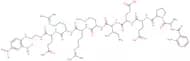
Abz-Ala-Pro-Glu-Glu-Ile-Met-Arg-Arg-Gln-EDDnp
CAS:Controlled ProductAbz-Ala-Pro-Glu-Glu-Ile-Met-Arg-Arg-Gln-EDDnp is a synthetic fluorogenic peptide substrate, which is designed for use in biochemical and cellular assays. Originating from laboratories focused on peptide chemistry, it serves as a sensitive tool to study enzyme kinetics, particularly proteases, due to its specific sequence tailored to certain proteolytic activities.Formula:C61H93N21O19SPurity:Min. 95%Molecular weight:1,456.6 g/molBD3 antibody
BD3 antibody was raised in rabbit using residues 23-33 [GIINTLQKYYC] of the 5-kDa human beta-defensin-3 protein as the immunogen.Purity:Min. 95%Ku70 antibody
The Ku70 antibody is a polyclonal antibody that specifically targets the Ku70 protein. This protein is involved in various cellular processes, including DNA repair and maintenance of genomic stability. The Ku70 antibody can be used in research and diagnostic applications to study the expression and localization of Ku70 in different cell types. It can also be used in techniques such as Western blotting, immunohistochemistry, and immunofluorescence to detect and quantify the levels of Ku70 protein. With its high specificity and sensitivity, this antibody provides valuable insights into the functions and mechanisms of Ku70 in various biological systems.
Purity:Min. 95%MOGAT2 antibody
MOGAT2 antibody was raised using the middle region of MOGAT2 corresponding to a region with amino acids LLGIIVGGAQEALDARPGSFTLLLRNRKGFVRLALTHGAPLVPIFSFGENPurity:Min. 95%AKR1C1 protein (His tag)
1-323 amino acids: MGSSHHHHHH SSGLVPRGSH MDSKYQCVKL NDGHFMPVLG FGTYAPAEVP KSKALEATKL AIEAGFRHID SAHLYNNEEQ VGLAIRSKIA DGSVKREDIF YTSKLWCNSH RPELVRPALE RSLKNLQLDY VDLYLIHFPV SVKPGEEVIP KDENGKILFD TVDLCATWEA VEKCKDAGLA KSIGVSNFNR RQLEMILNKP GLKYKPVCNQ VECHPYFNQR KLLDFCKSKD IVLVAYSALG SHREEPWVDP NSPVLLEDPV LCALAKKHKR TPALIALRYQ LQRGVVVLAK SYNEQRIRQN VQVFEFQLTS EEMKAIDGLN RNVRYLTLDI FAGPPNYPFS DEY
Purity:Min. 95%RAD51 antibody
The RAD51 antibody is a highly specific polyclonal antibody that targets the RAD51 protein, an oncogene homolog involved in DNA repair and recombination. This antibody can be used for various applications, including Western blotting, immunohistochemistry, and immunofluorescence. It is available as both a monoclonal antibody and a polyclonal antibody.NR0B1 antibody
NR0B1 antibody was raised in rabbit using a synthetic peptide conjugated to KLH as the immunogen.Purity:Min. 95%CD48 antibody
The CD48 antibody is a monoclonal antibody that is used in the field of Life Sciences. It specifically targets CD48, a protein found on the surface of human cells. This antibody has been extensively studied and shown to have high affinity and specificity for CD48. It can be used in various research applications, such as immunohistochemistry, flow cytometry, and western blotting.
NEURL2 antibody
NEURL2 antibody was raised using a synthetic peptide corresponding to a region with amino acids MAAASEPVDSGALWGLERPEPPPTRFHRVHGANIRVDPSGTRATRVESFA
Purity:Min. 95%CXCR7 antibody
The CXCR7 antibody is a highly specialized antibody that targets the CXCR7 receptor, which is expressed in various cells including cardiomyocytes and alpha-fetoprotein-producing cells. This antibody can be used for research purposes to study the function of CXCR7 and its role in different biological processes.cRAF antibody
The cRAF antibody is a monoclonal antibody that specifically targets the cRAF protein isoforms. It is commonly used in research and diagnostic applications to detect and quantify the expression of cRAF protein. The antibody can be used in various techniques such as transcription-polymerase chain reaction (PCR), cytometry analysis, and electrochemical impedance spectroscopy. It has also been shown to have cytotoxic effects on cancer cells, making it a potential candidate for targeted therapy. Additionally, the cRAF antibody has been used in combination with other antibodies or drugs, such as decitabine or colony-stimulating factor, to enhance its therapeutic efficacy. With its high specificity and sensitivity, this antibody is a valuable tool for studying cRAF-related pathways and developing novel treatments for diseases associated with abnormal cRAF expression.ASK1 antibody
The ASK1 antibody is a monoclonal antibody that is used in various assays to detect the presence of ASK1 protein. ASK1, also known as apoptosis signal-regulating kinase 1, is a key regulator of cell growth and survival. This antibody specifically targets ASK1 and can be used in research studies to investigate its role in different cellular processes.
CSK antibody
The CSK antibody is a powerful inhibitor that belongs to the family of antibiotics. It is available in both polyclonal and monoclonal forms. This antibody specifically targets fibrinogen, a protein involved in blood clotting, and inhibits its activity. Additionally, the CSK antibody has been shown to bind to alpha-synuclein, a protein associated with Parkinson's disease, and prevent its aggregation. This antibody also acts as a dopamine receptor antagonist and can be used in research studies to investigate the role of dopamine in various physiological processes. Furthermore, the CSK antibody has been found to inhibit the activity of tyrosine kinases, which are enzymes involved in cell signaling pathways. This inhibition can have therapeutic implications for conditions such as cancer where abnormal tyrosine kinase activity is observed. The CSK antibody also binds to annexin proteins and modulates their function. Overall, this versatile antibody offers a wide range of applications in both basic research and clinical settings.LBP antibody
LBP antibody was raised using the middle region of LBP corresponding to a region with amino acids LLGSESSGRPTVTASSCSSDIADVEVDMSGDLGWLLNLFHNQIESKFQKVPurity:Min. 95%SLC2A3 antibody
The SLC2A3 antibody is a highly specialized monoclonal antibody that has been developed for use in various applications within the field of Life Sciences. This antibody specifically targets the SLC2A3 protein, which plays a crucial role in glucose transport across cell membranes.AGPAT2 antibody
AGPAT2 antibody was raised using the C terminal of AGPAT2 corresponding to a region with amino acids LEAIPTSGLTAADVPALVDTCHRAMRTTFLHISKTPQENGATAGSGVQPAPML antibody
The PML antibody is a highly specific monoclonal antibody that is used in various applications in the field of life sciences. It can be used for the detection and quantification of PML (promyelocytic leukemia) protein, a key player in cellular processes such as apoptosis and DNA repair. The antibody is produced by hybridoma cells and has been extensively characterized for its specificity and affinity towards PML. It can be immobilized on various surfaces, such as an electrode or amide-coated plates, for use in immunoassays. Additionally, the PML antibody can be used in conjunction with other antibodies, such as anti-CD33 antibody, for multiplexing experiments or to study protein-protein interactions. Its high sensitivity and low background make it an ideal tool for researchers working with human serum samples or studying the role of PML in disease development.FZD8 antibody
FZD8 antibody was raised using a synthetic peptide corresponding to a region with amino acids PDTLCMDYNRTDLTTAAPSPPRRLPPPPPGEQPPSGSGHGRPPGARPPHR
Purity:Min. 95%NR4A1 antibody
The NR4A1 antibody is a growth factor monoclonal antibody that specifically targets the NR4A1 protein. This protein plays a crucial role in various cellular processes, including cell proliferation and differentiation. The NR4A1 antibody has been extensively studied in research laboratories and has proven to be highly effective in detecting and quantifying NR4A1 expression levels.Cytokeratin 4+5+6+8+10+13+18 antibody (FITC)
Mouse monoclonal Cytokeratin 4+5+6+8+10+13+18 antibody (FITC)
HLAG antibody
The HLAG antibody is a neuroprotective monoclonal antibody that targets the activated form of epidermal growth factor binding proteins. It is commonly used in Life Sciences research as an inhibitor of growth factors. The HLAG antibody has shown promising results in various studies and is often used in combination with other monoclonal antibodies, such as trastuzumab, to enhance its therapeutic effects. This antibody has also been tested on electrodes and liver microsomes, demonstrating its potential applications beyond neuroprotection. Additionally, the HLAG antibody has been found to have antagonist binding properties, specifically targeting glycine receptors. Its versatility and effectiveness make it a valuable tool for researchers in the field of Life Sciences.PTPRA antibody
PTPRA antibody was raised using the C terminal of PTPRA corresponding to a region with amino acids SRQIRQFHFHGWPEVGIPSDGKGMISIIAAVQKQQQQSGNHPITVHCSAGPurity:Min. 95%ADRA1D antibody
ADRA1D antibody was raised in rabbit using the C terminal of ADRA1D as the immunogenPurity:Min. 95%HSC70 antibody
The HSC70 antibody is a monoclonal antibody that is widely used in the field of Life Sciences. It specifically targets HSC70, a member of the heat shock protein family that plays a crucial role in cellular processes such as protein folding and transport. This antibody has been extensively studied and validated for its ability to detect HSC70 in various applications.KLHL21 antibody
KLHL21 antibody was raised in Mouse using a purified recombinant fragment of human KLHL21 expressed in E. coli as the immunogen.SLC30A1 antibody
SLC30A1 antibody was raised using a synthetic peptide corresponding to a region with amino acids FCVNPCFPDPCKAFVEIINSTHASVYEAGPCWVLYLDPTLCVVMVCILLY
Purity:Min. 95%DDX52 antibody
DDX52 antibody was raised using a synthetic peptide corresponding to a region with amino acids YDFDSSEVLQGLDFFGNKKSVPGVCGASQTHQKPQNGEKKEESLTERKRELSP1 antibody
The LSP1 antibody is a highly specialized monoclonal antibody used in Life Sciences research. It specifically targets and binds to the collagen-activated isoenzyme of glucose-6-phosphate creatine kinase (G6PC). This antibody has been extensively studied and validated for its effectiveness in various applications, including the detection and quantification of G6PC in mesenchymal stem cells.
SGMS2 antibody
SGMS2 antibody was raised using the N terminal of SGMS2 corresponding to a region with amino acids KFPLEWWKTGIAFIYAVFNLVLTTVMITVVHERVPPKELSPPLPDKFFDYPurity:Min. 95%CCND3 antibody
Cyclin D3 antibody was raised in mouse using human recombinant cyclin D3 protein as the immunogen.Flag Tag antibody
The Flag Tag antibody is a highly specialized monoclonal antibody that is commonly used in Life Sciences research. It is designed to specifically bind to the Flag epitope, a small peptide sequence that is commonly fused to recombinant proteins for detection and purification purposes. This antibody has been extensively validated and optimized for various applications, including immunoblotting, immunoprecipitation, immunocytochemistry, and flow cytometry. Its high specificity and sensitivity make it an essential tool for researchers studying protein expression and localization. The Flag Tag antibody has been successfully used in a wide range of experimental techniques. For example, it has been employed in electrospinning studies to investigate the growth factors released from nanofibrous scaffolds. Additionally, it has been utilized in electrochemical impedance spectroscopy experiments to detect imatinib, a tyrosine kinase receptor inhibitor. Furthermore, this antibody has proven valuable in the field of oncolytic adenovirus research. It has been used to analyze the reactiveSDSL antibody
SDSL antibody was raised using the middle region of SDSL corresponding to a region with amino acids ALAAIYSGLLRRLQAEGCLPPSLTSVVVIVCGGNNINSRELQALKTHLGQCD90.2 antibody
The CD90.2 antibody is a monoclonal antibody that specifically targets and binds to CD90.2, a cell surface protein also known as Thy1. It has been shown to be effective in blocking the activity of tumor necrosis factor-alpha (TNF-α) and interleukin-6 (IL-6), two pro-inflammatory cytokines involved in various diseases and immune responses.ISYNA1 antibody
ISYNA1 antibody was raised using the N terminal of ISYNA1 corresponding to a region with amino acids LQEQLWPHMEALRPRPSVYIPEFIAANQSARADNLIPGSRAQQLEQIRRDCD13 antibody
The CD13 antibody is a monoclonal antibody that targets CD13, a cell surface protein involved in various biological processes. This antibody is widely used in research and diagnostics in the field of Life Sciences. It can be used for applications such as immunohistochemistry, flow cytometry, and western blotting.PIGF antibody
PIGF antibody was raised in rabbit using highly pure recombinant human PlGF as the immunogen.Purity:Min. 95%EVP-6124 hydrochloride
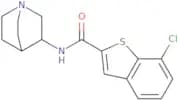
CAS:EVP-6124 hydrochloride is a pharmaceutical preparation that belongs to the class of amides. It has been shown to modulate the glutamate and acetylcholine neurotransmitter systems in mice. EVP-6124 hydrochloride is a weak agonist at nicotinic acetylcholine receptors with a high affinity for α7 nicotinic acetylcholine receptors in the brain, which may be responsible for its effect on locomotor activity. In addition, this drug has been found to be developable as an anti-convulsant agent. EVP-6124 hydrochloride also inhibits chloride channels and prevents excitotoxicity in mice by acting on chloride channels, but not sodium channels. This drug also causes dehydration in animals due to its ability to inhibit water reabsorption in the kidney.Formula:C15H16ClNS·ClHPurity:Min. 95%Molecular weight:314.28 g/molPPP1R14A protein (His tag)
1-147 amino acids: MGSSHHHHHH SSGLVPRGSH MAAQRLGKRV LSKLQSPSRA RGPGGSPGGL QKRHARVTVK YDRRELQRRL DVEKWIDGRL EELYRGMEAD MPDEINIDEL LELESEEERS RKIQGLLKSC GKPVEDFIQE LLAKLQGLHR QPGLRQPSPS HDGSLSPLQD RARTAHPPurity:Min. 95%NFS1 antibody
NFS1 antibody was raised in mouse using recombinant Human Nfs1 Nitrogen Fixation 1 Homolog (S. Cerevisiae)