Biochemicals and Reagents
Subcategories of "Biochemicals and Reagents"
- Biomolecules(98,563 products)
- By Biological Target(101,024 products)
- By Pharmacological Effects(6,952 products)
- Cryopreservatives(21 products)
- Desinfectants and Related Compounds(28 products)
- Hormones(531 products)
- Plant Biology(6,903 products)
- Secondary Metabolites(14,369 products)
Found 130609 products of "Biochemicals and Reagents"
SFTPB antibody
The SFTPB antibody is a specific antibody used in Life Sciences research. It is a monoclonal antibody that specifically binds to surfactant protein B (SFTPB), which plays a crucial role in lung function. This antibody can be used for various applications, including the detection and quantification of SFTPB in samples such as human serum or tissue lysates. Additionally, it has been shown to have serum albumin-binding properties, making it useful for studies involving serum albumin or related proteins. The SFTPB antibody can also be used in combination with other antibodies, such as anti-thyroglobulin antibodies or phospholipid scramblase antibodies, to investigate specific pathways or protein interactions. Its high affinity and specificity make it an essential tool for researchers studying lung biology or related fields.
ERK8 antibody
The ERK8 antibody is a polyclonal antibody that specifically targets the protein kinase ERK8. It is commonly used in life sciences research to study the expression and function of this important signaling molecule. The antibody can be used for various applications, including immunofluorescence, immunohistochemistry, and Western blotting. It has been shown to effectively detect ERK8 in microvessel endothelial cells and other cell types. The ERK8 antibody is a valuable tool for researchers studying signal transduction pathways, cell proliferation, and differentiation. Its high specificity and sensitivity make it an essential component of any laboratory studying protein kinases and their role in cellular processes.OR2T1 antibody
OR2T1 antibody was raised in rabbit using the C terminal of OR2T1 as the immunogenPurity:Min. 95%C4orf19 antibody
C4orf19 antibody was raised in rabbit using the N terminal of C4orf19 as the immunogenPurity:Min. 95%Cyclin E1 antibody (Thr395)
Rabbit polyclonal Cyclin E1 antibody (Thr395), application WB, IHC, ELISARNF121 antibody
RNF121 antibody was raised using the middle region of RNF121 corresponding to a region with amino acids GMPTKHLSDSVCAVCGQQIFVDVSEEGIIENTYRLSCNHVFHEFCIRGWCPurity:Min. 95%SCF antibody
SCF antibody was raised in mouse using highly pure recombinant human SCF as the immunogen.RBPMS2 antibody
RBPMS2 antibody was raised using the middle region of RBPMS2 corresponding to a region with amino acids ANTKMAKSKLMATPNPSNVHPALGAHFIARDPYDLMGAALIPASPEAWAPClaudin 7 antibody
Claudin 7 antibody was raised using the C terminal of CLDN7 corresponding to a region with amino acids GPAIFIGWAGSALVILGGALLSCSCPGNESKAGYRVPRSYPKSNSSKEYVPurity:Min. 95%Donkey anti Mouse IgG (H + L) (HRP)
Donkey anti-Mouse IgG (H + L) (HRP) was raised in donkey using purified Mouse IgG (H&L) as the immunogen.Diphtheria toxin antibody
Diphtheria toxin antibody was raised in mouse using diphtheria toxin and anatoxin as the immunogen.
PARP2 antibody
PARP2 antibody was raised using a synthetic peptide corresponding to a region with amino acids LLDLFEVEKDGEKEAFREDLHNRMLLWHGSRMSNWVGILSHGLRIAHPEA
SIV mac251 gp120 antibody
SIV mac251 gp120 antibody was raised in rabbit using purified, full length recombinant gp120 (SIVmac251) produced in baculovirus expression system as the immunogen.Purity:Min. 95%APLNR antibody
APLNR antibody was raised in rabbit using the N terminal of APLNR as the immunogenPurity:Min. 95%GATA4 antibody
The GATA4 antibody is a highly reactive antibody used in Life Sciences research. It is specifically designed to target and bind to the GATA4 protein, which plays a crucial role in various cellular processes. This antibody has been extensively tested and validated for its effectiveness in detecting and quantifying GATA4 levels in liver microsomes.CCPG1 antibody
CCPG1 antibody was raised using the middle region of CCPG1 corresponding to a region with amino acids TNLATENQYLRVSLEKEEKALSSLQEELNKLREQIRILEDKGTSTELVKEPurity:Min. 95%α 2 Macroglobulin protein
Alpha 2 Macroglobulin protein is a versatile molecule that plays a crucial role in various biological processes. In the field of Life Sciences, it is widely recognized for its ability to neutralize proteases, thereby protecting tissues from degradation. Additionally, alpha 2 Macroglobulin protein has been found to be involved in adipose tissue function and regulation.Purity:>95% By Sds-PageBCAP31 antibody
BCAP31 antibody was raised using the middle region of BCAP31 corresponding to a region with amino acids STKQKLEKAENQVLAMRKQSEGLTKEYDRLLEEHAKLQAAVDGPMDKKEE
Purity:Min. 95%HGS antibody
HGS antibody is a polyclonal antibody that specifically targets endosomes. This antibody is used in various applications, including immunological research and therapeutic purposes. It has been shown to have an inhibiting effect on the antigen-presenting function of endosomes, making it a valuable tool for studying immunomodulation. Additionally, HGS antibody has demonstrated antinociceptive properties, suggesting its potential use in pain management. With its wide range of applications and proven effectiveness, HGS antibody is a crucial component in the field of Life Sciences.AK1 antibody
The AK1 antibody is a highly specialized monoclonal antibody used in Life Sciences research. It is specifically designed to target and detect collagen, making it an essential tool for studying collagen-related processes. This antibody is commonly used in immunoassays and other experimental techniques to detect the presence of collagen in various samples.MAP2 antibody
MAP2 antibody was raised in rabbit using residues 2-15 [ADERKDEGKAPHWT] of the 72 kDa and 280 kDa forms of the human MAP2 as the immunogen.Purity:Min. 95%AFP 464
CAS:AFP 464 is an activating agent that binds to the molecular target, which is thought to be growth rate. AFP 464 has been shown to increase the activation of cancer cells and cause a change in their phenotype. It also has anti-tumor effects on kidney cancer cells and other carcinoma cells. AFP 464 is potently activated by spontaneous sequestration or postulated mechanisms. Treatment with AFP 464 has been shown to produce a decrease in tumor size and weight as well as an increase in life span for mice with kidney cancer.
Formula:C22H23F3N4O3Purity:Min. 95%Molecular weight:448.4 g/molLAMP2 antibody
LAMP2 antibody was raised in Rabbit using Human LAMP2 as the immunogen. Functions by binding target proteins, such as GAPDH and MLLT11, and targeting them for lysosomal degradation. Plays a role in lysosomal protein degradation in response to starvation.MC4R antibody
MC4R antibody is a polyclonal antibody that specifically targets the melanocortin 4 receptor (MC4R). It is widely used in life sciences research to study adipose tissue and its related functions. This antibody has been shown to have neutralizing properties against angptl3, a protein involved in lipid metabolism. The MC4R antibody can be used in various applications such as immunohistochemistry, western blotting, and enzyme-linked immunosorbent assay (ELISA). It is available in both monoclonal and polyclonal forms, allowing researchers to choose the most suitable option for their experiments. With its high specificity and sensitivity, the MC4R antibody is an essential tool for studying the role of MC4R in various physiological processes and developing potential therapeutic interventions.AR antibody
The AR antibody is a monoclonal antibody that specifically targets the androgen receptor (AR). It has been extensively studied and proven to be highly effective in various research applications within the Life Sciences field. The AR antibody can be used for experiments involving alpha-fetoprotein, endogenous hematopoietic cells, epidermal growth factor signaling, actin filaments, growth factors, fibronectin, chemokines, antibodies, interferon-gamma (IFN-gamma), human folate metabolism, and many other areas of study.Goat anti Rabbit IgG (H + L) (HRP)
This antibody reacts with heavy (gamma) chains on rabbit IgG and light chains on all rabbit immunoglobulins.Purity:Min. 95%B3GALTL antibody
B3GALTL antibody was raised using the middle region of B3GALTL corresponding to a region with amino acids DYPKDYLSHQVPISFHKHWNIDPVKVYFTWLAPSDEDKARQETQKGFREEPurity:Min. 95%AURKA antibody
The AURKA antibody is a highly effective neutralizing agent used in Life Sciences research. It belongs to a class of inhibitors that target specific proteins involved in cellular processes. This monoclonal antibody has been extensively tested and proven to be highly cytotoxic against various cancer cell lines. In addition, it has shown promising results in inhibiting the growth factor signaling pathway and blocking the activity of leukemia inhibitory factor. The AURKA antibody is derived from human serum and exhibits excellent specificity and affinity for its target protein. Its colloidal nature allows for easy handling and application in various experimental setups. Researchers can rely on this monoclonal antibody to accurately detect and quantify the presence of hormone peptides, autoantibodies, and other biomolecules of interest.
HAO2 antibody
HAO2 antibody was raised using a synthetic peptide corresponding to a region with amino acids DDNIAAFKRIRLRPRYLRDVSEVDTRTTIQGEEISAPICIAPTGFHCLVWZNF582 antibody
ZNF582 antibody was raised in rabbit using the N terminal of ZNF582 as the immunogenPurity:Min. 95%KIF5B antibody
KIF5B antibody was raised using the N terminal of KIF5B corresponding to a region with amino acids CNIKVMCRFRPLNESEVNRGDKYIAKFQGEDTVVIASKPYAFDRVFQSSTPurity:Min. 95%COX4I1 antibody
COX4I1 antibody was raised in Mouse using a purified recombinant fragment of human COX4I1 expressed in E. coli as the immunogen.SERPINI2 antibody
SERPINI2 antibody was raised using a synthetic peptide corresponding to a region with amino acids LPRFKVEQKVDFKDVLYSLNITEIFSGGCDLSGITDSSEVYVSQVTQKVFPurity:Min. 95%PCDHGC4 antibody
PCDHGC4 antibody was raised using the N terminal of PCDHGC4 corresponding to a region with amino acids VKKRSDGSLVPELLLEKPLDREKQSDYRLVLTAVDGGNPPRSGTAELRVSPurity:Min. 95%SKP2 antibody
The SKP2 antibody is a monoclonal antibody that specifically targets and inhibits the activity of SKP2 (S-phase kinase-associated protein 2). SKP2 is a nuclear protein that plays a crucial role in regulating cell cycle progression by promoting the degradation of key cell cycle inhibitors. By blocking the function of SKP2, this antibody helps to prevent uncontrolled cell growth and proliferation.KCNA3 antibody
The KCNA3 antibody is a specific antibody that targets the KCNA3 protein. This protein plays a crucial role in various cellular processes, including cell signaling and ion channel regulation. The KCNA3 antibody is widely used in life sciences research to study the function of this protein and its involvement in different diseases.ABCA12 Blocking Peptide
A synthetic peptide for use as a blocking control in assays to test for specificity of ABCA12 antibody, catalog no. 70R-7156Purity:Min. 95%AhR antibody
The AhR antibody is a monoclonal antibody that specifically targets and neutralizes the aryl hydrocarbon receptor (AhR). This protein complex plays a crucial role in various biological processes, including cell growth and differentiation. By inhibiting the activation of AhR, this antibody prevents the downstream signaling events that are triggered by its activation.S100B protein
S100B protein is a Recombinant Protein & Antigen that plays a crucial role in various biological processes. It has been found to interact with antiphospholipid antibodies, interferon, β-catenin, epidermal growth factor, and anti-her2 antibody. This protein is involved in the regulation of cellular processes such as cell proliferation, differentiation, and apoptosis.Purity:Min. 95%GRAP antibody
GRAP antibody was raised using the middle region of GRAP corresponding to a region with amino acids KRQIFLRDEEPLLKSPGACFAQAQFDFSAQDPSQLSFRRGDIIEVLERPDACY1 antibody
The ACY1 antibody is a potent colony-stimulating factor that is derived from pluripotent stem cells. It is widely used in the field of Life Sciences for various applications. The ACY1 antibody has been shown to have a high affinity for collagen and can be used in antigen-antibody reactions. It is commonly used in research studies to detect the presence of specific proteins or molecules in samples. The ACY1 antibody is produced using a monoclonal antibody technique, ensuring high specificity and consistency. This mouse monoclonal antibody has shown neutralizing properties against parathyroid hormone-related peptide and can effectively inhibit its activity. Additionally, the ACY1 antibody can bind to membrane collagen and cell antibodies, making it a valuable tool for studying cellular processes and interactions.cRAF antibody
The cRAF antibody is a fatty acid-based medicament that is widely used in the Life Sciences field. It belongs to the category of antibodies, specifically Polyclonal Antibodies. This antibody is highly effective against activated cRAF, which is a key enzyme involved in various cellular processes. The cRAF antibody has been shown to neutralize the activity of cRAF by binding to its active site and preventing its interaction with downstream signaling molecules. Additionally, this antibody has demonstrated excellent specificity, as it does not cross-react with other proteins such as glial fibrillary acidic protein or EGF-like glycoprotein. Its neutralizing properties make it an ideal tool for studying the role of cRAF in different cell types and physiological conditions.Rat anti Mouse IgG1 Heavy Chain (biotin)
Mouse IgG1 heavy chain antibody (biotin) was raised in rat using murine IgG1 as the immunogen.Purity:Min. 95%Molecular weight:0 g/molRat anti Mouse IgG2a (biotin)
Rat anti-mouse IgG2a (biotin) was raised in rat using murine IgG as the immunogen.Purity:Min. 95%Molecular weight:0 g/molSapanisertib
CAS:ATP-dependent inhibitor of mTOR1/2
Formula:C15H15N7OPurity:Min. 95%Molecular weight:309.33 g/molLT052
CAS:LT052 is a research tool, activator, ligand and receptor. It is used in cell biology to study the interaction of proteins with antibodies or peptides. LT052 is also used in pharmacology to study protein interactions with ion channels and ion-channel blockers. This product has been shown to inhibit the binding of calcium ions to the nicotinic acetylcholine receptor, which may be useful for treating conditions such as Alzheimer's disease, schizophrenia, and epilepsy.Formula:C22H19N5O4SPurity:Min. 95%Molecular weight:449.5 g/molMiclxin
CAS:Miclxin is a peptide that is used as a research tool in the field of pharmacology and cell biology. Miclxin binds to ion channels and inhibits their function, which may be due to its ability to inhibit ligand binding. Miclxin has been shown to act as an activator or inhibitor of ion channels. It has been shown to have high purity and is available for purchase at a CAS number of 2494198-61-5.
Formula:C26H27N5O2Purity:Min. 95%Molecular weight:441.5 g/mol(-)-Talarozole
CAS:(-)-Talarozole is a research tool that belongs to the group of ligands and receptor activators. It is a synthetic, high purity chemical with a number of applications in the life sciences. (-)-Talarozole has been shown to activate ion channels, which are involved in neurotransmission, muscle contraction and other cellular functions. (-)-Talarozole also binds to the estrogen receptor (ER) and can be used as an ER-selective agonist or antagonist. This compound can also be used as an antibody or peptide inhibitor for protein interactions.Formula:C21H23N5SPurity:Min. 95%Molecular weight:377.51 g/molKif15-IN-2
CAS:Kif15-IN-2 is a chemical inhibitor that specifically targets the kinesin-12 family protein Kif15. It is derived from small molecule libraries through structure-based design and medicinal chemistry processes. The mode of action of Kif15-IN-2 involves the disruption of Kif15's motor function, which is crucial for the proper formation and function of the mitotic spindle during cell division. This inhibition disrupts microtubule dynamics, thereby affecting cell proliferation.Formula:C20H20N6O4SPurity:Min. 95%Molecular weight:440.48 g/molErso
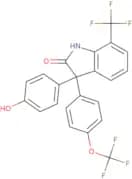
CAS:Erso is a medicinal compound that has been developed to target cancer cells by disrupting the cell cycle and inducing apoptosis. It works by inhibiting the activity of kinases, which are enzymes that play a key role in regulating cell growth and division. Erso has shown promising results in preclinical studies, demonstrating its ability to inhibit tumor growth and induce cancer cell death in both Chinese hamster ovary cells and human cancer cell lines. The protein inhibitor also shows potential for use as a diagnostic tool, as it can be detected in urine samples of patients with certain types of cancer. With its targeted approach to fighting cancer, Erso is poised to become an important tool in the fight against this devastating disease.
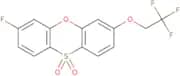
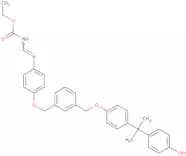
Formula:C22H13F6NO3Purity:Min. 95%Molecular weight:453.3 g/mol3-Fluoro-7-(2,2,2-trifluoroethoxy)phenoxathiine 10,10-dioxide
CAS:3-Fluoro-7-(2,2,2-trifluoroethoxy)phenoxathiine 10,10-dioxide is an amine that is used as a structural analog for the antidepressant phenelzine. It has been shown to be effective in treating depression in humans and has a longer half-life than phenelzine. 3-Fluoro-7-(2,2,2-trifluoroethoxy)phenoxathiine 10,10-dioxide is metabolized by monoamine oxidases and taken up by plasma proteins. It also has a positron emission tomography (PET) tracer that can be used to study brain uptake of the drug.Formula:C14H8F4O4SPurity:Min. 95%Molecular weight:348.27 g/molHsp70, His tagged human
CAS:Hsp70, His tagged human, is a recombinant protein, which is derived from human cells and engineered with a hexahistidine (His) tag. It is part of the Heat Shock Protein 70 family, known for its crucial role in cellular stress response. The His tag facilitates purification and detection via affinity chromatography, making it a convenient tool for research applications.Purity:Min. 95%TNF-± Antagonist III, R-7050
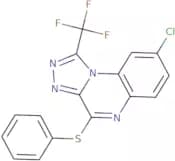
CAS:TNF-± Antagonist III is a drug that is used to inhibit the production of TNF-α. It has been shown to regulate transcriptional activity in cells and to inhibit the growth of cancer cells. TNF-± Antagonist III has been observed to decrease the M2 phenotype, which may be due to its ability to activate ATP levels in macrophages. This drug also inhibits kidney fibrosis by reducing pro-inflammatory factors, such as tumor necrosis factor-α (TNF-α) and fatty acids. The drug also has effects on abdominal surgery, as it reduces inflammation following this type of procedure. TNF-± Antagonist III is used in fat tissue and adipose tissue, where it reduces the number of pro-inflammatory factors produced by macrophages.
Formula:C16H8ClF3N4SPurity:Min. 95%Molecular weight:380.77 g/molrac 1-Nitroso-2-methylindoline
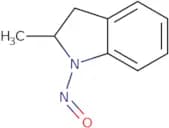
CAS:Rac 1-Nitroso-2-methylindoline is a potent anticancer agent that has been shown to induce apoptosis in cancer cells. It works by inhibiting protein kinase activity, which plays a critical role in cancer cell proliferation and survival. This compound is an analog of a Chinese medicinal herb and has been found to be effective against various types of tumors in human studies. Rac 1-Nitroso-2-methylindoline acts as a cell cycle inhibitor, preventing the growth and division of cancer cells. It is also being investigated as a potential urine biomarker for early detection of certain types of cancers. With its promising properties, rac 1-Nitroso-2-methylindoline holds great potential as a powerful weapon in the fight against cancer.
Formula:C9H10N2OPurity:Min. 95%Molecular weight:162.19 g/molObaa
CAS:Obaa is an antimicrobial coating, which is a synthetic compound with engineered properties designed to inhibit bacterial growth. The source of this product is advanced chemical engineering, utilizing innovative formulations to create a stable, long-lasting barrier against microbial colonization. Its mode of action involves disrupting the cell membrane integrity of bacteria, leading to cell lysis and subsequent death of the microorganism.Formula:C28H44O3Purity:Min. 95%Molecular weight:428.6 g/molCombretastatin A-1 Phosphate
CAS:Combretastatin A-1 Phosphate is a peptide inhibitor that binds to the receptor of protein kinase C and inhibits its activity. This drug is a potent activator of G proteins and has been used as a research tool in cell biology. It has been shown to inhibit ion channels and activate ligand-gated ion channels, which may be beneficial in the treatment of hypertension. Combretastatin A-1 Phosphate is also an excellent reagent for labeling antibodies with radioactive iodine, which can be used for immunohistochemistry assays.Formula:C18H18Na4O12P2Purity:Min. 95%Molecular weight:580.2 g/molAlpertine
CAS:Alpertine is a pharmaceutical preparation that is used to diagnose and treat depression. It is an n-oxide of serotonin and a fatty acid ester. Alpertine has been shown to have antidepressant effects in animal models, but it does not affect the central nervous system (CNS). Alpertine's mechanism of action may be related to its effects on gamma-aminobutyric acid (GABA) and its ability to inhibit the uptake of fatty acids by muscle cells.
Formula:C25H31N3O4Purity:Min. 95%Molecular weight:437.5 g/molBisucaberin
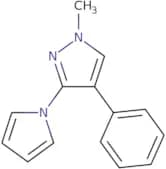
CAS:Bisucaberin is a research tool that acts as an activator. It binds to the receptor and cell biology. Bisucaberin has been shown to inhibit ion channels, which are membrane proteins that allow the passage of ions across the membrane in response to chemical or electrical signals. The binding of bisucaberin with its receptor leads to the opening of ion channels and increased potassium ion flow. This can inhibit neuronal activity, which is important for memory formation and synaptic plasticity. Bisucaberin also inhibits antibody production by binding to immunoglobulin G (IgG), IgM, and IgA, which prevents them from joining together and stopping the development of antibodies. Bisucaberin has been shown to bind peptides and interfere with protein interactions in cells.Formula:C18H32N4O6Purity:Min. 95%Molecular weight:400.50 g/mol1-Methyl-4-phenyl-3-(1H-pyrrol-1-yl)-1H-pyrazole
CAS:Please enquire for more information about 1-Methyl-4-phenyl-3-(1H-pyrrol-1-yl)-1H-pyrazole including the price, delivery time and more detailed product information at the technical inquiry form on this page
Formula:C14H13N3Purity:Min. 95%Molecular weight:223.27 g/molTOK-8801
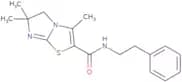
CAS:TOK-8801 is a thiazole-2-carboxamide compound that has immunomodulatory, immunopharmacological, and antigen properties. TOK-8801 induces a delayed type hypersensitivity response in mice and inhibits the proliferation of human T cells by inhibiting the binding of CD28 to B7.1 or B7.2. It also has been shown to suppress the growth of T cells by inhibiting IL-2 production and enhance the function of macrophages by inducing IL-12 secretion. TOK-8801 is being investigated as a potential treatment for autoimmune diseases such as systemic lupus erythematosus, rheumatoid arthritis, and multiple sclerosis.
Formula:C17H21N3OSPurity:Min. 95%Molecular weight:315.4 g/molGSK 2801
CAS:Inhibits BAZ2A and BAZ2B bromodomainsFormula:C20H21NO4SPurity:Min. 95%Molecular weight:371.45 g/molAmelubant
CAS:Amelubant is a synthetic compound designed for use in detailed biochemical research and therapeutic investigations. As a product derived from innovative chemical synthesis techniques, Amelubant is engineered to interact with particular biological pathways, predominantly in the field of inflammatory response modulation. Its mode of action involves specific binding to target receptors, influencing downstream signaling cascades.
Formula:C33H34N2O5Purity:Min. 95%Molecular weight:538.6 g/molTC-2153 hydrochloride
CAS:TC-2153 hydrochloride is a phosphatase inhibitor that is used as an antidepressant drug. TC-2153 hydrochloride inhibits the enzyme phosphatase, which is responsible for the inactivation of neurotransmitters and hormones. It has inhibitory properties on 5-HT1A and 5-HT2A receptors, which are serotonin receptors. TC-2153 hydrochloride also blocks the response element binding protein (RBP) to prevent the transcription of genes that code for various proteins including dopamine, serotonin, and neurotrophic factors. TC-2153 hydrochloride has been shown to reduce locomotor activity in mice and is being studied as a possible treatment for depression.Formula:C7H5ClF3NS5Purity:Min. 95%Molecular weight:355.9 g/molSNAP-94847
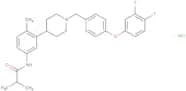
CAS:SNAP-94847 is a cyclic peptide that binds to the D2/D3 receptor. It has shown antidepressant effects in wild-type mice and CD-1 mice. SNAP-94847 also inhibits locomotor activity and reduces symptoms of depression, such as decreased feeding, increased grooming, and weight loss in rats with herpes simplex virus. It has been shown to produce an antidepressant effect in rats by modulating dopamine release.Formula:C29H32F2N2O2Purity:Min. 95%Molecular weight:478.57 g/molL67
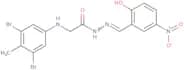
CAS:L67 is a monoclonal antibody that binds to the protein gene sequences of herpes simplex virus, which leads to the inhibition of viral replication. It has been shown to have an inhibitory effect on cancer cells, and can also be used as a pharmacological agent. L67 has been shown to have potent inhibition against intracellular calcium levels and kinetic energy in cell culture. This drug is being developed for use in cancer treatment and other diseases with high levels of calcium.Formula:C16H14Br2N4O4Purity:Min. 95%Molecular weight:486.11 g/mol