Biochemicals and Reagents
Subcategories of "Biochemicals and Reagents"
- Biomolecules(98,575 products)
- By Biological Target(100,710 products)
- By Pharmacological Effects(6,937 products)
- Cryopreservatives(21 products)
- Desinfectants and Related Compounds(28 products)
- Hormones(421 products)
- Plant Biology(6,907 products)
- Secondary Metabolites(14,367 products)
Found 130493 products of "Biochemicals and Reagents"
ZNF562 antibody
ZNF562 antibody was raised in rabbit using the middle region of ZNF562 as the immunogenPurity:Min. 95%GNAZ antibody
GNAZ antibody was raised using a synthetic peptide corresponding to a region with amino acids LIIYNAIDSLTRIIRALAALRIDFHNPDRAYDAVQLFALTGPAESKGEITALG2 antibody
ALG2 antibody was raised using a synthetic peptide corresponding to a region with amino acids QSDLGQYVTFLRSFSDKQKISLLHSCTCVLYTPSNEHFGIVPLEAMYMQC
PGK1 protein
The 6-Fluoro-3-indoxyl-beta-D-galactopyranoside is an effective antituberculosis drug belonging to the class of rifamycins. It is specifically designed to combat tuberculosis infection and contains active compounds that exhibit bactericidal activity. By binding to DNA-dependent RNA polymerase, this drug prevents transcription and replication, effectively inhibiting bacterial growth. Additionally, it has been extensively tested using a patch-clamp technique on human erythrocytes, confirming its high frequency of human activity. The metabolization process involves various transformations such as hydrolysis, oxidation, reduction, and conjugation with glucuronic acid. Rifapentine also selectively targets markers expressed in Mycobacterium tuberculosis strains and inhibits cell growth in culture.
Purity:Min. 95%TKT antibody
TKT antibody was raised using a synthetic peptide corresponding to a region with amino acids ESYHKPDQQKLQALKDTANRLRISSIQATTAAGSGHPTSCCSAAEIMAVLHSPBP1 protein (His tag)
1-362 amino acids: MGSSHHHHHH SSGLVPRGSH MSDEGSRGSR LPLALPPASQ GCSSGGGGGG GGGSSAGGSG NSRPPRNLQG LLQMAITAGS EEPDPPPEPM SEERRQWLQE AMSAAFRGQR EEVEQMKSCL RVLSQPMPPT AGEAEQAADQ QEREGALELL ADLCENMDNA ADFCQLSGMH LLVGRYLEAG AAGLRWRAAQ LIGTCSQNVA AIQEQVLGLG ALRKLLRLLD RDACDTVRVK ALFAISCLVR EQEAGLLQFL RLDGFSVLMR AMQQQVQKLK VKSAFLLQNL LVGHPEHKGT LCSMGMVQQL VALVRTEHSP FHEHVLGALC SLVTDFPQGV RECREPELGL EELLRHRCQL LQQHEEYQEE LEFCEKLLQT CFSSPADDSM DRPurity:Min. 95%POLR3C antibody
POLR3C antibody was raised in rabbit using the middle region of POLR3C as the immunogen
Purity:Min. 95%FOXO6 antibody
FOXO6 antibody was raised in rabbit using the N terminal of FOXO6 as the immunogenPurity:Min. 95%NPFFR2 antibody
NPFFR2 antibody was raised in rabbit using the C terminal of NPFFR2 as the immunogenPurity:Min. 95%MCP1 antibody
MCP1 antibody was raised in rabbit using highly pure recombinant rat MCP-1(MCAF) as the immunogen.
Purity:Min. 95%SARS antibody
The SARS antibody is a monoclonal antibody that specifically targets the SARS-CoV-2 virus. It is designed to neutralize the virus and prevent it from infecting human cells. This antibody has been extensively studied and shown to have high affinity and specificity for the target molecule. It can be used in various immunoassays, such as ELISA or Western blot, to detect the presence of SARS-CoV-2 in patient samples. Additionally, this antibody has potential therapeutic applications and can be used to develop treatments for COVID-19. Its ability to neutralize the virus and inhibit its replication makes it a promising candidate for further research in the field of Life Sciences.
GIPR antibody
The GIPR antibody is a powerful tool in the field of Life Sciences. It is designed to target and bind to specific proteins, such as myostatin, hemoglobin, fibrinogen, circumsporozoite protein, natriuretic peptides, elastase protein, and α-synuclein. The GIPR antibody comes in both polyclonal and monoclonal forms, allowing for a wide range of applications.MAP2K2 antibody
MAP2K2 antibody was raised using the C terminal of MAP2K2 corresponding to a region with amino acids IKNPAERADLKMLTNHTFIKRSEVEEVDFAGWLCKTLRLNQPGTPTRTAVGM-CSF antibody (biotin)
GM-CSF antibody (biotin) was raised in rabbit using highly pure recombinant human GM-CSF as the immunogen.ADK antibody
ADK antibody was raised in mouse using recombinant human ADK (22-362aa) purified from E. coli as the immunogen.KLHDC4 Blocking Peptide
A synthetic peptide for use as a blocking control in assays to test for specificity of KLHDC4 antibody, catalog no. 70R-5482Purity:Min. 95%N-(2-Benzoylphenyl)-2-[(1S)-2-methyl-1-[(3,4,5-trimethoxybenzoyl)amino]propyl]-4-thiazolecarboxamide
CAS:N-(2-Benzoylphenyl)-2-[(1S)-2-methyl-1-[(3,4,5-trimethoxybenzoyl)amino]propyl]-4-thiazolecarboxamide is an antibody that binds to the Nogo receptor. It has been shown to inhibit the activation of ion channels and can be used as a research tool for studying protein interactions in cell biology.Formula:C31H31N3O6SPurity:Min. 95%Molecular weight:573.7 g/molMesothelin Light Tryptic Peptide Standard (4nmol)
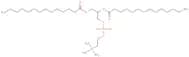
For Protein Identification and QuantitationPurity:Min. 95%1,2-Dimyristoyl-d54-sn-glycero-3-phosphocholine-1,1,2,2-d4-N,N,N-trimethyl-d9
CAS:Please enquire for more information about 1,2-Dimyristoyl-d54-sn-glycero-3-phosphocholine-1,1,2,2-d4-N,N,N-trimethyl-d9 including the price, delivery time and more detailed product information at the technical inquiry form on this pageFormula:C36H72NO8PPurity:Min. 95%Molecular weight:745.3 g/mol3-Butyryl-4-(2-methylphenylamino)-8-methoxyquinoline
CAS:3-Butyryl-4-(2-methylphenylamino)-8-methoxyquinoline is an inhibitor of voltage-dependent calcium channels. It has been shown to inhibit the activity of p-hydroxybenzoic acid, which is a cell factor that regulates calcium levels in cells. 3-Butyryl-4-(2-methylphenylamino)-8-methoxyquinoline has been used in clinical pathology as an energy metabolism regulator and for the treatment of congestive heart failure by inhibiting voltage dependent calcium channels. This drug has also shown a protective effect on cancer tissues and some physiological effects, such as a reduction in hippocampal formation and pathogenic mechanism. The drug decreases mitochondrial membrane potential by interfering with the function of voltage dependent calcium channels, reducing ATP production and causing cell death.
Formula:C21H22N2O2Purity:Min. 95%Molecular weight:334.4 g/molMCP4 antibody
MCP4 antibody was raised in rabbit using highly pure recombinant hMCP-4 as the immunogen.Purity:Min. 95%Porcine IgG
Porcine IgG is a purified immunoglobulin that plays a crucial role in the immune response of pigs. It is widely used in life sciences research and diagnostic applications. Porcine IgG has been shown to have neutralizing effects against bacterial proteases, which are enzymes that can degrade proteins and contribute to pathogenicity. This immunoglobulin also exhibits steric accessibility, allowing it to bind to specific conformational epitopes on target molecules. In addition, Porcine IgG has been found to inhibit the production of macrophage inflammatory protein-1alpha, an important mediator of inflammation. Its substrate specificity and enzyme activities make it an ideal candidate for flow immunoassays and other diagnostic techniques.Purity:Min. 95%PEX10 antibody
PEX10 antibody was raised using the C terminal of PEX10 corresponding to a region with amino acids ERRHPTATPCGHLFCWECITAWCSSKAECPLCREKFPPQKLIYLRHYRPurity:Min. 95%SLC6A3 Blocking Peptide
A synthetic peptide for use as a blocking control in assays to test for specificity of SLC6A3 antibody, catalog no. 70R-8574Purity:Min. 95%AHR antibody
AHR antibody was raised in rabbit using a synthetic peptide conjugated to KLH as the immunogen.Purity:Min. 95%FBXO24 Blocking Peptide
A synthetic peptide for use as a blocking control in assays to test for specificity of FBXO24 antibody, catalog no. 70R-2248Purity:Min. 95%CDCP1 antibody
The CDCP1 antibody is a specific antibody that targets the CDCP1 protein. CDCP1 plays a crucial role in various cellular processes, including cell growth, migration, and survival. This antibody can be used for research purposes to study the function and expression of CDCP1 in different cell types and tissues.Purity:Min. 95%NOVA1 antibody
NOVA1 antibody was raised using the C terminal of NOVA1 corresponding to a region with amino acids SKKGEFVPGTRNRKVTITGTPAATQAAQYLITQRITYEQGVRAANPQKVG
TFF2 antibody
The TFF2 antibody is a potent botulinum family kinase inhibitor that has neutralizing properties. It belongs to the category of polyclonal antibodies and is widely used in the field of life sciences. This antibody can be used in various applications, including electrode assays and carbamazepine studies. Additionally, it has been shown to have cytotoxic effects on specific cell types and exhibits natriuretic activity. The TFF2 antibody is also known for its anti-MERTK antibody properties, making it an excellent choice for targeting activated receptors. It is formulated with high-quality excipients and is a glycoprotein-based product.
PTTG antibody
The 6-Fluoro-3-indoxyl-beta-D-galactopyranoside is a powerful antituberculosis drug that falls under the class of rifamycins. It is specifically designed to combat tuberculosis infection by targeting active compounds and exhibiting bactericidal activity. This drug works by binding to DNA-dependent RNA polymerase, preventing transcription and replication, ultimately inhibiting bacterial growth. Extensive research has been conducted using the patch-clamp technique on human erythrocytes, demonstrating its high frequency of human activity. Furthermore, this drug undergoes various metabolic transformations such as hydrolysis by esterases or glucuronidases, oxidation by cytochrome P450 enzymes, reduction by glutathione reductase, or conjugation with glucuronic acid. Remarkably, it also binds to markers expressed at high levels in Mycobacterium tuberculosis strains and effectively inhibits cell growth in culture.EIF4G2 antibody
EIF4G2 antibody was raised using the C terminal of EIF4G2 corresponding to a region with amino acids KGFVNILMTSFLQYISSEVNPPSDETDSSSAPSKEQLEQEKQLLLSFKPVDEGS1 Blocking Peptide
A synthetic peptide for use as a blocking control in assays to test for specificity of DEGS1 antibody, catalog no. 70R-6850Purity:Min. 95%NMDAR2B antibody
The NMDAR2B antibody is a highly specialized polyclonal antibody used in the field of Life Sciences. It is designed to target and neutralize the NMDA receptor subunit 2B (NMDAR2B), which plays a crucial role in neuronal function and synaptic plasticity. This antibody can be used for various applications, including Western blotting, immunohistochemistry, and immunofluorescence.
WDTC1 antibody
WDTC1 antibody was raised using the N terminal of WDTC1 corresponding to a region with amino acids PMWPNTFWSAAEDGLIRQYDLRENSKHSEVLIDLTEYCGQLVEAKCLTVNPSMC3IP antibody
PSMC3IP antibody was raised in rabbit using the C terminal of PSMC3IP as the immunogenPurity:Min. 95%NANP antibody
The NANP antibody is a highly specialized monoclonal antibody used in the field of Life Sciences. It is designed to immobilize and detect specific growth factors, such as collagen and epidermal growth factor (EGF), in various research applications. This antibody is generated through the use of advanced techniques, including electrode-based immunization and hybridoma technology.AKAP12 antibody
The AKAP12 antibody is a polyclonal antibody that is widely used in life sciences research. It is commonly used in immunoassays to detect the presence and measure the levels of AKAP12 protein in various samples. This antibody specifically binds to AKAP12, which is an endonuclease that plays a crucial role in regulating several cellular processes.α Tubulin 4A Blocking Peptide
A synthetic peptide for use as a blocking control in assays to test for specificity of TUBA4A antibody, catalog no. 70R-2911Purity:Min. 95%Pcdh11x antibody
Pcdh11x antibody was raised in rabbit using the middle region of Pcdh11x as the immunogen
Purity:Min. 95%KEAP1 antibody
KEAP1 antibody was raised in rabbit using the N terminal of KEAP1 as the immunogen
Purity:Min. 95%SUV39H2 antibody
The SUV39H2 antibody is a powerful tool in the field of Life Sciences. It specifically targets and inhibits the activity of the SUV39H2 methyltransferase, a key enzyme involved in the modification of DNA molecules. By inhibiting this enzyme, the antibody prevents the addition of methyl groups to specific nucleotide sequences, thereby affecting gene expression and protein production.PCSK4 Blocking Peptide
A synthetic peptide for use as a blocking control in assays to test for specificity of PCSK4 antibody, catalog no. 70R-3026Purity:Min. 95%ODC antibody
ODC antibody is a monoclonal antibody that specifically targets and neutralizes the activity of ornithine decarboxylase (ODC). ODC is an enzyme that plays a key role in the synthesis of polyamines, which are essential for cell growth and proliferation. By inhibiting ODC, this antibody effectively blocks the production of polyamines and disrupts cell growth processes.FLJ40504 antibody
FLJ40504 antibody was raised using the N terminal of FLJ40504 corresponding to a region with amino acids MDHCLISGLSQLDLPSALTKNWPSKPESCPLALLPGQHELHHLLHPLHQLHER2 antibody
The HER2 antibody is a highly effective monoclonal antibody that targets the HER2 protein, which is overexpressed in certain types of cancer cells. This antibody has a high affinity for the HER2 receptor and can effectively block its signaling pathway, inhibiting tumor growth and proliferation.MIG protein (Mouse)
Region of MIG protein corresponding to amino acids TLVIRNARCS CISTSRGTIH YKSLKDLKQF APSPNCNKTE IIATLKNGDQ TCLDPDSANV KKLMKEWEKK INQKKKQKRG KKHQKNMKNR KPKTPQSRRR SRKTT.Purity:Min. 95%EIF5 antibody
EIF5 antibody was raised using the N terminal of EIF5 corresponding to a region with amino acids SVNVNRSVSDQFYRYKMPRLIAKVEGKGNGIKTVIVNMVDVAKALNRPPTABCD2 antibody
ABCD2 antibody was raised using a synthetic peptide corresponding to a region with amino acids WRFEQLDTAIRLTLSEEKQKLESQLAGIPKMQQRLNELCKILGEDSVLKT
Purity:Min. 95%KCTD16 Blocking Peptide
A synthetic peptide for use as a blocking control in assays to test for specificity of KCTD16 antibody, catalog no. 70R-4380Purity:Min. 95%PCMT protein (His tag)
Also known as Protein-L-isoaspartate D-aspartate O-methyltransferase, PIMT, L-isoaspartyl protein carboxyl methyltransferase, Protein L-isoaspartyl/D-aspartyl methyltransferase, Protein-beta-aspartate methyltransferase.
Purity:>95% By Sds-Page.FBXO27 antibody
FBXO27 antibody was raised using the middle region of FBXO27 corresponding to a region with amino acids LDKFSAVPDPIPQWNNNACLHVTHVFSNIKMGVRFVSFEHRGQDTQFWAGFGF Receptor 1 antibody
The FGF Receptor 1 antibody is a highly effective monoclonal antibody that specifically targets and neutralizes the FGF Receptor 1 protein. This antibody has been extensively studied and proven to have potent neutralizing activity against FGF Receptor 1, making it an ideal tool for research in the field of Life Sciences.Purity:Min. 95%GATAD2A Blocking Peptide
A synthetic peptide for use as a blocking control in assays to test for specificity of GATAD2A antibody, catalog no. 20R-1164
Purity:Min. 95%CLDN2 antibody
CLDN2 antibody was raised in rabbit using the N terminal of CLDN2 as the immunogenPurity:Min. 95%CCR10 antibody
CCR10 antibody was raised in rabbit using a synthetic peptide conjugated to KLH as the immunogen.Purity:Min. 95%GFRA2 antibody
GFRA2 antibody was raised using the C terminal of GFRA2 corresponding to a region with amino acids NVSPKGPSFQATQAPRVEKTPSLPDDLSDSTSLGTSVITTCTSVQEQGLKPurity:Min. 95%TBL1XR1 antibody
TBL1XR1 antibody was raised in rabbit using the C terminal of TBL1XR1 as the immunogen
PBX1 antibody
The PBX1 antibody is an active agent that targets mesothelin, a serum marker for certain types of cancer. It has been shown to inhibit glycogen synthase kinase and sirtuins, which are enzymes involved in cellular processes such as metabolism and aging. This antibody can be used in assays to detect the presence of mesothelin in high-flux extracts or as a potential therapeutic agent for the treatment of mesothelin-expressing tumors. Additionally, PBX1 antibody has been studied as a potential inhibitor of telomerase, an enzyme involved in cell division and aging. With its unique properties and potential applications, PBX1 antibody offers promising possibilities in the field of cancer research and medicine.ATP2A2 Blocking Peptide
A synthetic peptide for use as a blocking control in assays to test for specificity of ATP2A2 antibody, catalog no. 70R-6108
Purity:Min. 95%LTBP4 antibody
The 6-Fluoro-3-indoxyl-beta-D-galactopyranoside is a powerful antituberculosis drug that falls under the category of rifamycins. It is highly effective in treating tuberculosis infections and contains active compounds that exhibit bactericidal activity. This drug works by binding to DNA-dependent RNA polymerase, which inhibits bacterial growth and prevents transcription and replication. Extensive research has shown its high efficacy through the use of advanced techniques such as transcription-quantitative polymerase chain reaction and patch-clamp technique. Additionally, it undergoes various metabolic transformations, including hydrolysis by esterases, oxidation by cytochrome p450 enzymes, reduction by glutathione reductase, or conjugation with glucuronic acid. Its specific binding to markers expressed in Mycobacterium tuberculosis strains further contributes to its effectiveness in inhibiting cell growth. Experience the power of 6-Fluoro-3-indoxyl-beta-D-galPurity:Min. 95%MIER3 antibody
MIER3 antibody was raised in rabbit using the middle region of MIER3 as the immunogenPurity:Min. 95%Akt antibody
Akt, or Protein Kinase B (PKB), is a crucial signaling protein that regulates essential cellular functions, including growth, survival, metabolism, and proliferation. It functions within the PI3K/Akt pathway, a key signaling pathway activated by growth factors and hormones like insulin to support cell survival and growth. Upon activation, Akt moves to the cell membrane, where it is phosphorylated by kinases such as PDK1, achieving full activation. Once active, Akt interacts with downstream pathways to prevent apoptosis, stimulate cell growth via the mTOR pathway, and boost glucose metabolism—vital for effective insulin response.In diseases like cancer and diabetes, Akt's role is especially important. Cancer often involves dysregulated Akt signaling due to mutations in pathway components like PI3K, PTEN, or Akt itself, leading to enhanced cell survival, unchecked growth, and treatment resistance. In diabetes, insulin resistance impairs Akt pathway function, reducing glucose uptake and resulting in high blood glucose levels. Given Akt's regulatory role in cell growth and metabolism, it is a primary focus in therapeutic research for conditions where its function is disrupted.









![N-(2-Benzoylphenyl)-2-[(1S)-2-methyl-1-[(3,4,5-trimethoxybenzoyl)amino]propyl]-4-thiazolecarboxami…](/_next/image/?url=https%3A%2Fstatic.cymitquimica.com%2Fproducts%2F3D%2Fthumb-webp%2FJPC13851.webp&w=3840&q=75)