Biochemicals and Reagents
Subcategories of "Biochemicals and Reagents"
- Biomolecules(98,678 products)
- By Biological Target(100,149 products)
- By Pharmacological Effects(6,845 products)
- Cryopreservatives(21 products)
- Desinfectants and Related Compounds(28 products)
- Hormones(356 products)
- Plant Biology(6,910 products)
- Secondary Metabolites(14,344 products)
Found 130210 products of "Biochemicals and Reagents"
Thymopoietin antibody
Thymopoietin antibody was raised using the N terminal of TMPO corresponding to a region with amino acids PEFLEDPSVLTKDKLKSELVANNVTLPAGEQRKDVYVQLYLQHLTARNRPPurity:Min. 95%Troponin I antibody (Cardiac)
Troponin I antibody (cardiac) was raised in mouse using amino acid residues 186-192 of cTnI as the immunogen.MYBPC3 antibody
The MYBPC3 antibody is a cytotoxic monoclonal antibody that specifically targets the MYBPC3 protein. This protein plays a crucial role in regulating cardiac muscle contraction and is associated with various cardiac disorders. The MYBPC3 antibody has been extensively studied in Life Sciences research and has shown promising results in inhibiting the activity of this target molecule.
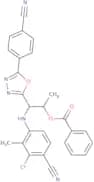
(1R,2S)-1-((3-Chloro-4-cyano-2-methylphenyl)amino)-1-(5-(4-cyanophenyl)-1,3,4-oxadiazol-2-yl)propan-2-yl benzoate
CAS:Please enquire for more information about (1R,2S)-1-((3-Chloro-4-cyano-2-methylphenyl)amino)-1-(5-(4-cyanophenyl)-1,3,4-oxadiazol-2-yl)propan-2-yl benzoate including the price, delivery time and more detailed product information at the technical inquiry form on this pageFormula:C27H20ClN5O3Purity:Min. 95%Molecular weight:497.9 g/molEXT2 antibody
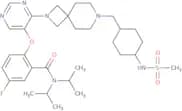
EXT2 antibody was raised using a synthetic peptide corresponding to a region with amino acids NELLMAISDSDYYTDDINRACLFVPSIDVLNQNTLRIKETAQAMAQLSRWPurity:Min. 95%VTP50469
CAS:VTP50469 is a synthetic analogue of the fatty acid cay10666, which has been shown to inhibit the proliferation of leukemia cells in vitro. VTP50469 is also effective against cancer cell lines derived from various organs, including carcinoma cell lines and epidermal growth factor-secreting cells. The mechanism of action of VTP50469 may be related to its ability to interact with DNA polymerase during DNA synthesis or replication, resulting in inhibition of the enzyme's activity. The effect of VTP50469 can be synergistic with other chemotherapeutic agents such as cisplatin, doxorubicin, and vincristine. This drug has also been shown to have anti-angiogenic properties and inhibit tumor growth in vivo.Formula:C32H47FN6O4SPurity:Min. 95%Molecular weight:630.8 g/molBig Endothelin-1 (Human, 22-38) Antiserum
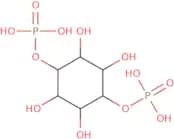
Big endothelin-1 (ET-1) is a peptide with a molecular weight of 37.7 kDa that belongs to the class of endothelin peptides. ET-1 is an activator of ion channels and has been implicated in many physiological and pathological processes, including vasoconstriction, angiogenesis, cellular proliferation, and inflammation. The antibody reacts with human ET-1 with a high degree of specificity. It has been used as an immunological reagent for Western blotting and immunoprecipitation experiments.Purity:Min. 95%D-Myo-inositol 1,4-bisphosphate
CAS:D-Myo-inositol 1,4-bisphosphate is a medicinal compound that acts as an inhibitor of kinases. It has been shown to have potential therapeutic applications in cancer treatment due to its ability to inhibit tumor growth and induce apoptosis in cancer cells. D-Myo-inositol 1,4-bisphosphate is an analog of inositol phosphates found in human urine and Chinese medicinal herbs. It specifically targets protein kinases involved in the regulation of cell proliferation and survival, making it a promising candidate for anticancer therapy. Its inhibitory effects on kinase activity make it a valuable tool for studying the function of these enzymes in cellular processes.
Formula:C6H14O12P2Purity:Min. 95%Molecular weight:340.12 g/molTCS 2312
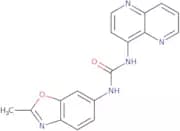
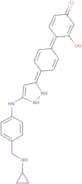
CAS:TCS 2312 is a tyrosine kinase inhibitor that belongs to the class of small molecule inhibitors. It inhibits the activity of the receptor protein tyrosine kinase, which is important in cancer cell proliferation and survival. TCS 2312 has been shown to inhibit tumor growth in mice with leukemia and primary tumors by blocking the response pathway of cancer cells. The drug also has anti-cancer effects by inhibiting mitochondrial function and inducing apoptosis. TCS 2312 is currently undergoing clinical trials for patients with solid tumors who have progressed after standard therapy.Formula:C25H24N4O2Purity:Min. 95%Molecular weight:412.48 g/molVimentin, His tagged human
CAS:Vimentin is a cytoskeletal protein that is involved in many cellular processes, such as cell motility, adhesion, and differentiation. It is found in the cytoplasm and is associated with the intermediate filaments of the cell. Vimentin has been shown to activate G-protein coupled receptors (GPCRs) and ion channels. Research on vimentin has also shown it to be an inhibitor of ligand binding to receptor sites.
Purity:Min. 95%AR-08
CAS:AR-08 is a peptide that is an activator of ion channels. It has been shown to inhibit the interactions between receptor and ligand, as well as protein interactions. The molecular weight of AR-08 is 1233.6 Da and its molecular formula is C3H11N2O2. AR-08 binds to the channel’s open state and stabilizes it, thereby inhibiting the channel from closing in response to stimuli. The CAS number for AR-08 is 226081-74-9.
Formula:C12H12N6Purity:Min. 95%Molecular weight:240.26 g/molRFamide-Related Peptide-1, human
RFamide-Related Peptide-1, human is a protein that belongs to the family of G-protein coupled receptors. It is activated by RFamide-related peptides and has been shown to be involved in the regulation of ion channels, such as potassium channels. The activation of these channels leads to the inhibition of neuronal excitation and can affect many other biological functions, such as cell proliferation or differentiation. RFamide-Related Peptide-1, human has been used as a pharmacological research tool for studying its ligand binding properties and protein interactions.Formula:C195H304N52O51S2Purity:Min. 95%Molecular weight:4,256.9 g/mol4-Hydroxyestriol
CAS:Controlled Product4-Hydroxyestriol is a medicinal compound that has been shown to have anticancer properties. It is an analog of the hormone estrogen and acts as an inhibitor of cancer cell growth by blocking the activity of protein kinases. This compound has been found in human urine and may be useful in the treatment of various forms of cancer, including breast and prostate cancer. 4-Hydroxyestriol has been shown to induce apoptosis, or programmed cell death, in cancer cells. This compound may also be used in combination with other inhibitors, such as nalbuphine or Chinese medicinal inhibitors, to enhance its anticancer effects.Formula:C18H24O4Purity:Min. 95%Molecular weight:304.4 g/molEthyl 2-(4-chlorophenyl)-5-ethoxy-4-oxazoleacetate
CAS:Ethyl 2-(4-chlorophenyl)-5-ethoxy-4-oxazoleacetate is a synthetic estrogen that has been shown to be useful in the treatment of depression and haemorrhagic disorders. It has also been used in the treatment of hyperlipoproteinaemia (elevated cholesterol). Ethyl 2-(4-chlorophenyl)-5-ethoxy-4-oxazoleacetate is not active against bacterial infections. However, it may have a beneficial effect on lipoprotein metabolism, which could be due to its ability to modulate lipid transport proteins. This drug has been shown to increase HDL cholesterol levels and decrease LDL cholesterol levels.Formula:C15H16ClNO4Purity:Min. 95%Molecular weight:309.74 g/molLuteinizing Hormone (Intact) (> 98% pure)
Purified native Human Luteinizing Hormone (Intact) (> 98% pure)Purity:≥98% (By Sds - Page)MMP10 antibody
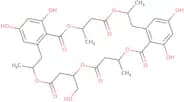
The MMP10 antibody is a highly effective and versatile monoclonal antibody that has a wide range of applications in the field of life sciences. This high-flux cation antibody specifically targets matrix metalloproteinase 10 (MMP10), an enzyme involved in tissue remodeling and inflammation processes.Purity:Min. 95%Manassantin A
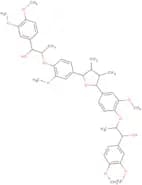
CAS:Manassantin A is a type of natural product that has potent antitumor activity. It causes apoptosis in HL-60 cells, which may be due to its ability to cause the release of cytochrome c from the mitochondria into the cytosol and subsequent activation of caspase-3. Manassantin A also increases mitochondrial membrane potential by inhibiting ATP synthesis and reducing levels of ATP. The extract can also reduce levels of epidermal growth factor and protein target, thereby blocking tumor growth. Manassantin A is derived from an acetate extract of the plant Chinensis, which contains manassantin, a type of natural product that has been shown to inhibit tumor growth in mice.Formula:C42H52O11Purity:Min. 95%Molecular weight:732.9 g/molMouse anti Human IgE
Human IgE antibody was raised in mouse using human myeloma IgE as the immunogen.ApoC-III antibody
ApoC-III antibody was raised in goat using produced from apolipoprotein type C-III derived from human plasma as the immunogen.Purity:Min. 95%CD31 antibody (FITC)
CD31 antibody (FITC) was raised in rat using murine leukocyte cell line 32D as the immunogen.Purity:Min. 95%5-[4-(4-Bromoanilino)anilino]-N'-(1-hydroxypropan-2-yl)-3-oxo-1,2-thiazole-4-carboximidamide
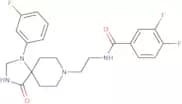
CAS:5-[4-(4-Bromoanilino)anilino]-N'-(1-hydroxypropan-2-yl)-3-oxo-1,2-thiazole-4-carboximidamide is a potent inhibitor of the human Fc receptor (FcR). The Fc receptor plays a key role in immunoregulation. It is also a pharmacological target for drugs that modulate immune responses. 5-[4-(4-Bromoanilino)anilino]-N'-(1-hydroxypropan-2-yl)-3-oxo-1,2-thiazole-4-carboximidamide has been shown to inhibit the binding of an antibody with its antigen and to inhibit the binding of an antibody with its antigen. This inhibition was dose dependent and reversible. The IC50 value for 5-[4-(4-Bromoanilino)anilino]-N'-
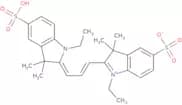
Formula:C19H20BrN5O2SPurity:Min. 95%Molecular weight:462.4 g/molCy3 (DiSO3,DI Et)
CAS:Please enquire for more information about Cy3 (DiSO3,DI Et) including the price, delivery time and more detailed product information at the technical inquiry form on this pageFormula:C27H32N2O6S2Purity:Min. 95%Molecular weight:544.68 g/molPCSK1 antibody
PCSK1 antibody was raised using the middle region of PCSK1 corresponding to a region with amino acids QSPKKSPSAKLNIPYENFYEALEKLNKPSQLKDSEDSLYNDYVDVFYNTKPurity:Min. 95%5-(5-Chloro-2-methoxybenzenesulfonamido)pyridine-3-carboxamide
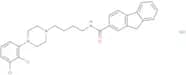
CAS:5-(5-Chloro-2-methoxybenzenesulfonamido)pyridine-3-carboxamide is a phosphatase inhibitor that binds to the phosphate group of pyrophosphate. It inhibits the enzyme pyrophosphatase, which is involved in the mineralization process. This drug has been shown to be safe and effective for the treatment of pathological mineralization, such as dental plaque, urinary stones, and kidney stones. 5-(5-Chloro-2-methoxybenzenesulfonamido)pyridine-3-carboxamide also inhibits phosphatases present in extracellular fluids and thereby reduces bone resorption. The drug can be administered orally or intravenously and has been shown to increase bone mineral density in a mouse model of osteoporosis.Formula:C13H12ClN3O4SPurity:Min. 95%Molecular weight:341.77 g/molNGB 2904 hydrochloride
CAS:NGB 2904 hydrochloride is a dopamine D2 receptor antagonist that is used to treat psychosis. It binds to the dopamine D2 receptor, blocking the binding of dopamine and preventing the activation of downstream pathways. NGB 2904 hydrochloride has been shown to have a low potential for interaction with other drugs and does not affect locomotor activity in rats. This drug has also been shown to be effective in treating psychosis in wild-type mice. In vitro assays have confirmed that NGB 2904 hydrochloride does not possess any affinity for other receptors, such as serotonin receptors, α-adrenergic receptors, or histamine H1 receptors. NGB 2904 hydrochloride has been studied in a pharmacological treatment study where it was found that this drug increased locomotor activity and decreased symptoms of psychosis.Formula:H29Cl2N3O·HClPurity:Min. 95%Molecular weight:530.92 g/molRR-SRC
CAS:Please enquire for more information about RR-SRC including the price, delivery time and more detailed product information at the technical inquiry form on this pageFormula:C64H106N22O21Purity:Min. 95%Molecular weight:1,519.66 g/molTRC 051384
CAS:TRC 051384 is a chemical compound that belongs to the class of neurokinin-1 receptor antagonists. It inhibits the binding of substance P, thereby inhibiting the activation of phospholipase C and protein kinase C. TRC 051384 has been shown to inhibit tumor cell growth in certain cell lines and increase mitochondrial membrane potential. The agent also increases the proliferation of fetal bovine cells and human stem cells in tissue culture. TRC 051384 may be used as an anti-cancer drug and a growth factor for skin cells. TRC 051384 is a chemical compound belonging to the class of neurokinin-1 receptor antagonists that inhibits the binding of substance P, thereby inhibiting activation of phospholipase C and protein kinase C. TRC 051384 has been shown to inhibit tumor cell growth in certain cell lines and increase mitochondrial membrane potential. The agent also increases the proliferation of fetal bovine cells and human stem cells inFormula:C25H31N5O4Purity:Min. 95%Molecular weight:465.55 g/molGlycozolinol
CAS:Glycozolinol is a research tool that belongs to the group of activators. It can be used as an activator to induce receptor-mediated signal transduction pathways. Glycozolinol has shown to activate a number of ion channels, such as Ca2+ and K+ channels, and also inhibits protein interactions with peptides and proteins. This compound also appears to have pharmacological properties, suggesting it may be useful in the treatment of diseases such as cancer, epilepsy, or diabetes.
Formula:C13H11NOPurity:Min. 95%Molecular weight:197.23 g/molGSK690
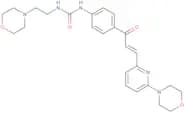
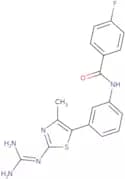
CAS:GSK690 is a chemical compound that inhibits the transcriptional regulator, Dnmt3a. GSK690 has been shown to be effective in treating cancer by inhibiting DNA repair mechanisms. GSK690 has also been shown to synergistically interact with other chemical inhibitors and modifiers that target gene expression. This drug has been shown to demethylate lysine residues and stimulate mitochondrial biogenesis. In addition, this drug interacts synergistically with other drugs that affect mitochondrial function, such as rapamycin or metformin.Formula:C24H23N3OPurity:Min. 95%Molecular weight:369.5 g/molH-7 dihydrochloride
CAS:H-7 is a cytostatic agent that inhibits the activation of transcription by inhibiting the synthesis of DNA and RNA. H-7 has shown to be an effective inhibitor of epidermal growth factor and α subunit, which are involved in the proliferation of cancer cells. In addition, H-7 can inhibit calcium ion influx into the cell, which may cause cell death. This drug also has potent inducers effects on primary cells, such as HL-60 cells, and induces apoptosis in carcinoma cell lines. H-7 is not an inhibitor of cyclase activity but enhances it when added with guanine nucleotide binding proteins (G proteins) activators such as forskolin. This leads to increased levels of cyclic AMP. As a result, H-7 inhibits protein synthesis and activates cytosolic calcium channels.Formula:C14H17N3O2S·2HClPurity:Min. 95%Molecular weight:364.29 g/molCarabersat
CAS:Carabersat is a research tool that is a ligand for the receptor of Activator. It has been shown to activate ion channels in cells, as well as to inhibit protein interactions, and is used in pharmacology and peptide synthesis. Carabersat has been shown to have high purity, with a CAS number of 184653-84-7. Research has shown that it inhibits the binding of an antibody to a receptor by competing with the antibody for binding.Formula:C20H20FNO4Purity:Min. 95%Molecular weight:357.4 g/molMRN-ATM Pathway Inhibitor, Mirin
CAS:MRN-ATM Pathway Inhibitor, Mirin, is a small molecule inhibitor, which is chemically synthesized to specifically target the MRN complex and ATM kinase pathway. It functions by disrupting the activation of ATM (Ataxia-Telangiectasia Mutated) kinase, a crucial player in the DNA damage response and repair mechanism, which is activated by the MRN complex in response to DNA double-strand breaks. Mirin's mode of action involves inhibiting the interaction between the MRN complex and ATM, thus preventing the phosphorylation of ATM substrates involved in DNA repair.
Formula:C10H8N2O2SPurity:Min. 95%Molecular weight:220.25 g/molD-(+)-Sn-1-o-linoleoyl-glyceryl-3-phosphate (linoleoyl lpa)
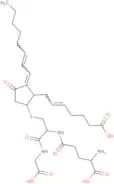
CAS:D-(+)-Sn-1-o-linoleoyl-glyceryl-3-phosphate (Linoleoyl LPA) is a medicinal compound that has been found to have inhibitory effects on cancer cells. It is an inhibitor of the protein kinase cycle, which plays a role in the growth and proliferation of cancer cells. Linoleoyl LPA has been shown to induce apoptosis in human leukemia cell lines and inhibit the growth of various tumor cell lines. It also has potential as a urinary cancer biomarker due to its high levels in urine samples from patients with bladder cancer. Its anti-cancer properties make it a promising candidate for further research into novel cancer therapies.Formula:C21H39O7PPurity:Min. 95%Molecular weight:434.5 g/mol15-Deoxy-Δ12,14-prostaglandin J2 glutathione
CAS:Please enquire for more information about 15-Deoxy-Δ12,14-prostaglandin J2 glutathione including the price, delivery time and more detailed product information at the technical inquiry form on this page
Formula:C30H45N3O9SPurity:Min. 95%Molecular weight:623.8 g/molNG 012
CAS:NG 012 is a monocyclic, nitrogen-containing heterocycle that inhibits acetylcholinesterase. It has been shown to be effective in the treatment of Alzheimer's disease and dementia. NG 012 is an orally administered drug that can cross the blood-brain barrier and inhibit cholinesterase activity in neurons. This inhibition leads to increased levels of acetylcholine, which may improve cognitive function in patients with Alzheimer's disease and dementia.
Formula:C32H38O15Purity:Min. 95%Molecular weight:662.6 g/molMEF2A antibody
The 6-Fluoro-3-indoxyl-beta-D-galactopyranoside is a powerful antituberculosis drug belonging to the class of rifamycins. It is specifically designed to combat tuberculosis infections by targeting active compounds and exhibiting bactericidal activity. Through its unique mechanism of action, this drug inhibits bacterial growth by binding to DNA-dependent RNA polymerase, preventing transcription and replication. Extensive research has shown its high efficacy through patch-clamp technique analysis on human erythrocytes.OLIG3 antibody
OLIG3 antibody was raised in rabbit using the N terminal of OLIG3 as the immunogenPurity:Min. 95%ACSS2-IN-2
CAS:Please enquire for more information about ACSS2-IN-2 including the price, delivery time and more detailed product information at the technical inquiry form on this pageFormula:C21H19F2N3O4Molecular weight:415.4 g/molCD86 antibody
The CD86 antibody is a monoclonal antibody that is widely used in life sciences research. This antibody specifically targets the CD86 antigen, which is expressed on the surface of various immune cells. The CD86 antibody can be used for a variety of applications, including immunohistochemistry, flow cytometry, and Western blotting. It has been shown to have neutralizing activity against the CD86 antigen and can inhibit its interaction with other molecules involved in immune response regulation. Additionally, this antibody has been found to have potential therapeutic applications, particularly in the treatment of inflammatory diseases and cancer. With its high specificity and versatility, the CD86 antibody is an essential tool for researchers in the field of immunology and beyond.Recombinant Human CD30 Ligand
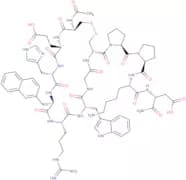
Human sequence expressed in NS0 Cells; purity >95% by SDS-PAGE and analyzed by silver stain; Fc Fusion Protein.Ac-Cys-Glu-His-D-2-Nal-Arg-Trp-Gly-Cys-Pro-Pro-Lys-Asp-NH2
CAS:Please enquire for more information about Ac-Cys-Glu-His-D-2-Nal-Arg-Trp-Gly-Cys-Pro-Pro-Lys-Asp-NH2 including the price, delivery time and more detailed product information at the technical inquiry form on this page
Formula:C71H94N20O17S2Purity:Min. 95%Molecular weight:1,563.76 g/molWDR5 antibody
WDR5 antibody was raised in Mouse using a purified recombinant fragment of human WDR5 expressed in E. coli as the immunogen.AZ 1729
CAS:AZ 1729 is a peptide that has been shown to act as an activator for ion channels and receptors. It is used as a research tool in cell biology, pharmacology, and protein interactions. The CAS number for AZ 1729 is 2016864-46-1.Formula:C18H16FN5OSPurity:Min. 95%Molecular weight:369.4 g/molSB 334867
CAS:A non-peptide antagonist of orexin receptors, selective for subtype OX1 over OX2 (50-fold more). Systemic administration in vivo inhibits orexin-A induced grooming and feeding. Elicits sedative and anorectic effects in vivo. Reduces intake of food in rats, induced by orexin-A or overnight fasting.Formula:C17H13N5O2Purity:Min. 95%Molecular weight:319.32 g/molAUH antibody
AUH antibody was raised using the C terminal of AUH corresponding to a region with amino acids IGMSLAKELIFSARVLDGKEAKAVGLISHVLEQNQEGDAAYRKALDLAREGlobomycin from streptomyces hagronensis
CAS:Globomycin is a cyclic lipopeptide antibiotic that belongs to the group of antimicrobial agents. It has potent inducers and inhibits bacterial growth by binding to the ATP-binding cassette transporter. Globomycin is active against gram-positive bacteria, including staphylococci and streptococci, as well as many gram-negative bacteria, such as pseudomonas aeruginosa. Globomycin binds to receptor molecules on the surface of bacterial cells and induces lysis by cell lysis or transfer reactions. The optimum concentration for this drug is 50 μM. In vitro assays have shown that Globomycin is effective against methicillin-resistant Staphylococcus aureus (MRSA) isolates and Mycobacterium tuberculosis.Formula:C32H57N5O9Purity:Min. 95%Molecular weight:655.8 g/molPrednisolone farnesylate
CAS:Prednisolone farnesylate is a synthetic, non-steroidal anti-inflammatory drug. It inhibits the inflammatory response by blocking the production of prostaglandins and leukotrienes. Prednisolone farnesylate also has been shown to activate protein ligands and inhibit protein interactions, making it a useful research tool for studying protein functions.
Formula:C36H50O6Purity:Min. 95%Molecular weight:578.8 g/molSNAP25 antibody
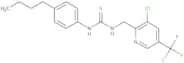
The SNAP25 antibody is a highly specialized virus surface antigen that is used in Life Sciences research. It is a colloidal solution containing monoclonal antibodies that specifically bind to the SNAP25 protein. This antibody has been extensively studied and shown to have high affinity and specificity for its target. The SNAP25 antibody can be used in various applications, including Western blotting, immunohistochemistry, and flow cytometry.SB 706375
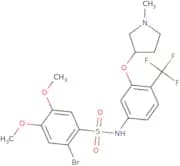
CAS:SB 706375 is a peptide that is used as a research tool for studying protein interactions. SB 706375 binds to the extracellular domain of the human Fc receptor, inhibiting its activity. This compound has been shown to be an inhibitor of ion channels such as potassium, sodium and calcium channels. SB 706375 also inhibits the function of various receptors such as acetylcholine, serotonin, dopamine, histamine and glutamate receptors. SB 706375 can be used in pharmacology and life science experiments to study how these receptors work. The purity of this product is high with no detectable impurities.Formula:C20H22BrF3N2O5SPurity:Min. 95%Molecular weight:539.4 g/molGm13178 Blocking Peptide
A synthetic peptide for use as a blocking control in assays to test for specificity of Gm13178 antibody, catalog no. 70R-8604Purity:Min. 95%PROTAC RIPK degrader-2
CAS:PROTAC RIPK degrader-2 is a peptide, which is a research tool. It can be used as an activator to increase cell death in cancer cells and activate ion channels. PROTAC RIPK degrader-2 also has the ability to inhibit protein interactions, such as receptors and ligands, that are involved in a variety of diseases, such as cancer and diabetes.Formula:C52H65N7O11S3Purity:Min. 95%Molecular weight:1,060.3 g/molo-Ethyl chlorthalidone hydrate
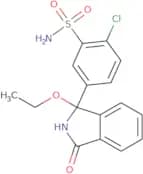
CAS:Please enquire for more information about o-Ethyl chlorthalidone hydrate including the price, delivery time and more detailed product information at the technical inquiry form on this page
Formula:C16H15ClN2O4SPurity:Min. 95%Molecular weight:366.8 g/molALG1 antibody
ALG1 antibody was raised using the N terminal of ALG1 corresponding to a region with amino acids VVLGDVGRSPRMQYHALSLAMHGFSVTLLGFCNSKPHDELLQNNRIQIVGPurity:Min. 95%c10 Bisphosphonate
CAS:C10 Bisphosphonate is a high purity, non-toxic, and water soluble compound. It is used as a research tool for cell biology and receptor pharmacology. C10 Bisphosphonate binds to the extracellular domain of integrin receptors such as alpha v beta 3 and alpha v beta 5. It also inhibits ligand binding to the receptor, leading to inhibition of cellular functions such as cell proliferation and migration.
Formula:C10H25NO6P2Purity:Min. 95%Molecular weight:317.26 g/molBY27
CAS:BY27 is an innovative synthetic derivative, designed as a specialized compound for advanced biochemical applications. This product is derived from a unique sequence of engineered organic compounds, developed through a process of targeted molecular synthesis. Its primary mode of action is the selective modulation of specific biochemical pathways, achieved through high-affinity interaction with targeted molecular structures. This allows for precise manipulations within cellular systems, facilitating the study of complex biological processes.
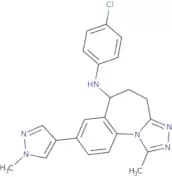
Formula:C22H21ClN6Purity:Min. 95%Molecular weight:404.9 g/molCASD1 antibody
CASD1 antibody was raised using the N terminal of CASD1 corresponding to a region with amino acids MAALAYNLGKREINHYFSVRSAKVLALVAVLLLAACHLASRRYRGNDSCEPurity:Min. 95%Chikungunya E2 Recombinant
Chikungunya E2 Recombinant is a peptide that activates the ion channels. It is derived from the Chikungunya virus, and has been shown to inhibit the binding of ligands to their receptors. The recombinant protein can be used as a research tool in cell biology and pharmacology. Chikungunya E2 Recombinant also binds to antibodies and can be used in immunohistochemistry, Western blotting, and ELISA.Purity:Min. 95%BRAF antibody
The BRAF antibody is a highly specific monoclonal antibody used for immunohistochemical detection in Life Sciences. It is commonly used in research and industrial applications for its ability to detect the activated form of the oncogene homolog B-Raf, which is involved in various cellular processes. This antibody has a high affinity and specificity towards the target protein, making it an ideal tool for studying the expression and localization of BRAF in different tissues and cell types. Its use in immunoassays allows for accurate quantification of BRAF levels, providing valuable insights into its role in cancer development and progression. The BRAF antibody can be utilized by researchers and scientists working in various fields, including oncology, molecular biology, and drug discovery. With its reliable performance and consistent results, this antibody is a valuable asset for any laboratory or research facility aiming to investigate the function of BRAF or develop targeted therapies against BRAF-driven cancers.KCNMB3 antibody
KCNMB3 antibody was raised using the middle region of KCNMB3 corresponding to a region with amino acids SLTLLGGALIVGMVRLTQHLSLLCEKYSTVVRDEVGGKVPYIEQHQFKLC
Purity:Min. 95%Trichomonas vaginalis antibody
Trichomonas vaginalis antibody was raised in mouse using Trichomonas Vaginalis as the immunogen.Affinity Purified anti-Cholera Toxin A+B Antibody
Goat anti-Cholera Toxin A+B Antibody. Inquire for bulk discounts.Purity:Min. 95%Neu antibody
Neu antibody was raised in mouse using Intact SKBR-3 breast cancer cells as the immunogen.SLC9A7 antibody
SLC9A7 antibody was raised using a synthetic peptide corresponding to a region with amino acids LGWGLRVAAAASASSSGAAAEDSSAMEELATEKEAEESHRQDSVSLLTFIPurity:Min. 95%LIMK1 antibody
The LIMK1 antibody is a highly effective test substance that acts as an inhibitor, exerting a cytotoxic effect on various cell types. It has been shown to have an inhibitory effect on glucagon-induced phosphorylation of cardiac muscle troponin. This antibody is widely used in the field of Life Sciences for research purposes, including studies involving polymers and electrophoresis. Additionally, it can be utilized as an antibiotic or reactive agent in specific applications. The LIMK1 antibody has demonstrated its effectiveness in cardiomyocyte and MDA-MB-231 cell lines. As a Monoclonal Antibody, it offers high specificity and reliability for scientific experiments and assays.alpha 2 Macroglobulin antibody
Alpha 2 macroglobulin antibody was raised in mouse using human serum alpha-2 macroglobulin as the immunogen.RBM5 antibody
RBM5 antibody was raised in rabbit using the N terminal of RBM5 as the immunogenPurity:Min. 95%ML298
CAS:ML298 is a cell culture-based drug that has been shown to inhibit tumor growth in cancer cells by inducing autophagy. It also enhances the transcriptional regulation of genes involved in cell proliferation, such as epidermal growth factor and E2F1, which are important for cellular proliferation. ML298 also inhibits inflammatory diseases by inhibiting the production of cytokines and chemokines. ML298 is currently being tested in clinical trials for its potential use in treating breast cancer, cervical cancer, colorectal carcinoma, and other cancers.
ML298 is a monoclonal antibody with potent anti-tumor effects against various types of cancers. It binds to the epidermal growth factor receptor (EGFR) on cancer cells and blocks ligand binding to this receptor, which prevents activation of downstream signaling pathways. This leads to induction of autophagy (a process where cells degrade their own components) and inhibition of tumor growth by preventing proliferation and inducing apoptosis (Formula:C22H23F3N4O2Purity:Min. 95%Molecular weight:432.44 g/molRTC13
CAS:RTC13 is a creatine kinase (CK) analog that is not found in any other CK family. It has been shown to be active against cell-specific CK deficiency, with no effect on other CKs. RTC13 is a purine derivative and as such, it cannot be phosphorylated by CK enzymes. This means that the drug can only inhibit protein synthesis by binding to nuclear hormone receptors, which are involved in transcriptional regulation of gene expression. Clinical studies have shown that RTC13 can improve heart function and eye disorders, as well as reduce skin cancer rates.Formula:C14H9N3O4SPurity:Min. 95%Molecular weight:315.31 g/molSTEAP1 antibody
STEAP1 antibody was raised in mouse using recombinant human STEAP1 (1-70aa) purified from E. coli as the immunogen.3-Bromorifamycin S
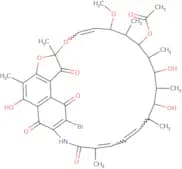
CAS:3-Bromorifamycin S is a potent analog of rifamycin that has shown to be effective in inhibiting cancer cells. It induces apoptosis by targeting proteins involved in the cell cycle and DNA replication, leading to cell death. This compound has been studied extensively in Chinese hamster ovary cells and tumor cells, showing promising results as an anticancer agent. 3-Bromorifamycin S has also been found to be a kinase inhibitor, blocking the activity of kinases involved in cancer progression. Medicinal research on this compound has revealed its potential as a therapeutic option for various types of human cancers. Additionally, it can be detected in urine samples, making it a useful biomarker for monitoring treatment efficacy.
Formula:C37H44BrNO12Purity:Min. 95%Molecular weight:774.65 g/molCBL antibody
The CBL antibody is a highly specialized antibody used in the field of life sciences. It is a polyclonal antibody that targets dopamine and progesterone, among other molecules. This antibody has the unique ability to neutralize these substances, making it an essential tool for research and experimentation. The CBL antibody can be used in various applications, including immunohistochemistry, flow cytometry, and western blotting. Its high specificity and sensitivity ensure accurate and reliable results. Whether you are studying activated adipose cells or investigating the role of chemokines in disease progression, the CBL antibody is an indispensable tool in your research arsenal. Order yours today and unlock new insights in your scientific endeavors.RANKL antibody
RANKL antibody was raised in goat using highly pure recombinant human sRANKL as the immunogen.Purity:Min. 95%Halosulfuron
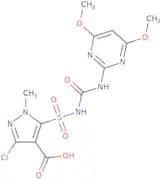
CAS:Halosulfuron is a medicinal analog that has been shown to inhibit the growth of tumor and cancer cells by inducing apoptosis. It works by inhibiting kinases, which are enzymes that regulate various cellular processes including cell division and proliferation. Halosulfuron has been found in urine samples of patients with anticancer activity, indicating its potential as an inhibitor of human cancer. This compound also shows potent activity against Chinese hamster ovary cells and other cell lines, making it a promising candidate for the development of new cancer therapies. Additionally, Halosulfuron is known to be a potent protein kinase inhibitor that can be used in the treatment of various types of cancers.
Formula:C12H13ClN6O7SPurity:Min. 95%Molecular weight:420.79 g/molKaempferol-7-o-rhamnoside
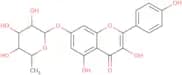
CAS:Kaempferol-7-o-rhamnoside is a flavonoid glycoside, which is a type of phytochemical compound found in various plants. It is often isolated from natural sources such as fruits, vegetables, and medicinal herbs, particularly those belonging to the family Rosaceae. The compound is characterized by the presence of rhamnose sugar moiety attached to the kaempferol molecule at the 7-position.Formula:C21H20O10Purity:Min. 95%Molecular weight:432.38 g/mol













![5-[4-(4-Bromoanilino)anilino]-N'-(1-hydroxypropan-2-yl)-3-oxo-1,2-thiazole-4-carboximidamide](/_next/image/?url=https%3A%2Fstatic.cymitquimica.com%2Fproducts%2F3D%2Fthumb-webp%2FBMB90664.webp&w=3840&q=75)