Biochemicals and Reagents
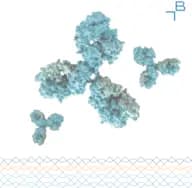
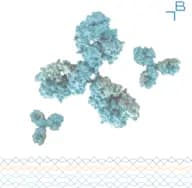
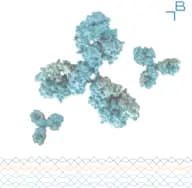
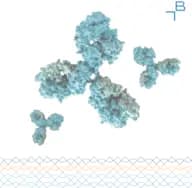
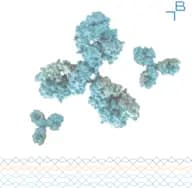
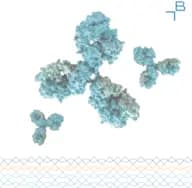
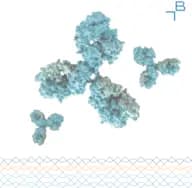
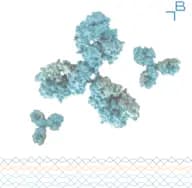
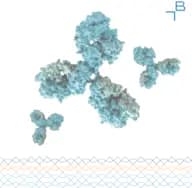
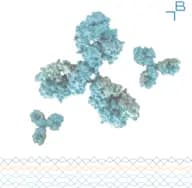
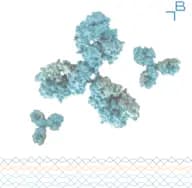
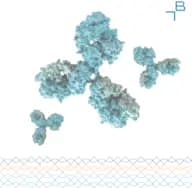
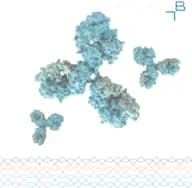
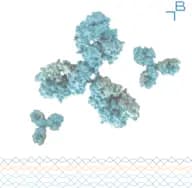
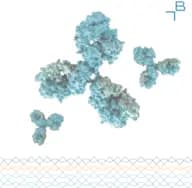
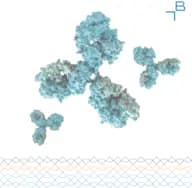
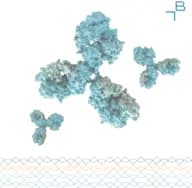
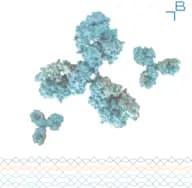
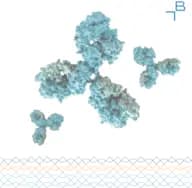
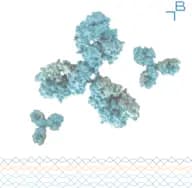
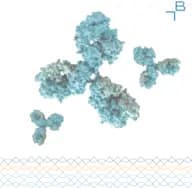
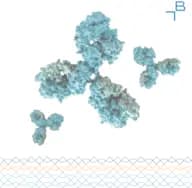
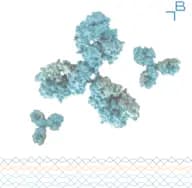
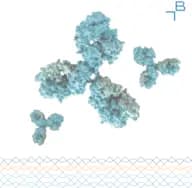
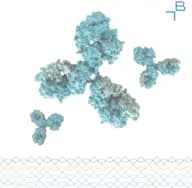
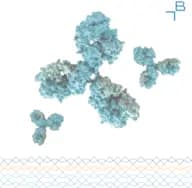
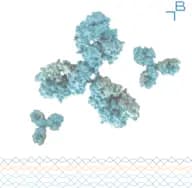
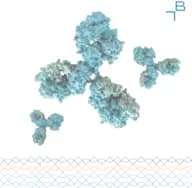
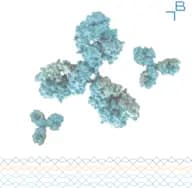
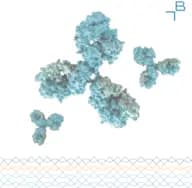
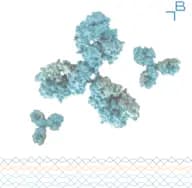
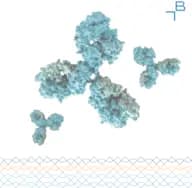
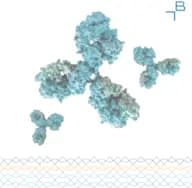
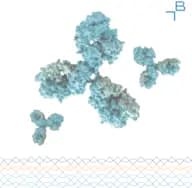
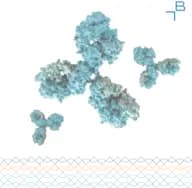
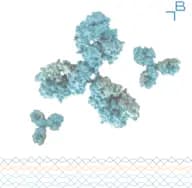
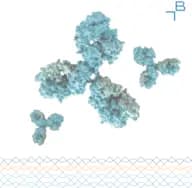
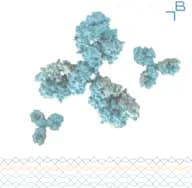
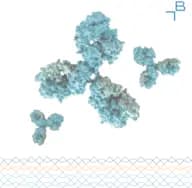
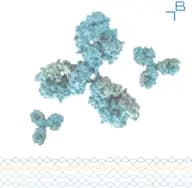
Biochemicals and reagents are fundamental substances for research and development in fields such as biotechnology, molecular biology, pharmacology, and medicine. These products are essential for a variety of applications, including compound synthesis, biological sample analysis, metabolic process research, and drug production. At CymitQuimica, we offer a wide selection of high-quality, high-purity biochemicals and reagents suitable for various scientific and industrial needs. Our catalog includes enzymes, antibodies, nucleic acids, amino acids, and many other products, all designed to support researchers and professionals in their research and development projects, ensuring reliable and reproducible results.
Subcategories of "Biochemicals and Reagents"
- Biomolecules(99,185 products)
- By Biological Target(99,150 products)
- By Pharmacological Effects(6,789 products)
- Cryopreservatives(21 products)
- Desinfectants and Related Compounds(28 products)
- Hormones(346 products)
- Plant Biology(6,764 products)
- Secondary Metabolites(14,307 products)
Found 130581 products of "Biochemicals and Reagents"
Sort by
Purity (%)
0
100
|
0
|
50
|
90
|
95
|
100
FGFR3 antibody
<p>The FGFR3 antibody is a histidine-rich interferon family kinase inhibitor that is widely used in the Life Sciences field. It possesses strong inhibitory properties, particularly against diacylglycerol, making it an effective tool for studying various cellular processes. This monoclonal antibody specifically targets and binds to the glycoprotein FGFR3, blocking its activity and preventing the activation of downstream signaling pathways. By inhibiting FGFR3, this antibody can interfere with epidermal growth factor-mediated cell proliferation and survival. Additionally, it has cytotoxic effects on cancer cells that overexpress FGFR3, making it a potential therapeutic option for certain types of cancers. The FGFR3 antibody is available as both monoclonal and polyclonal antibodies, providing researchers with versatile tools for their experiments.</p>PF 3274167
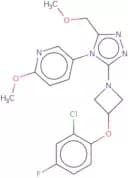
CAS:<p>Antagonist of oxytocin receptor</p>Formula:C19H19ClFN5O3Purity:Min. 95%Molecular weight:419.84 g/molGranulysin antibody
<p>Granulysin antibody was raised using the N terminal of GNLY corresponding to a region with amino acids MASGPLGPGARPTRLHPPFPPPAHIKPGAPPGENPELSGLERILARHQLP</p>CMV antibody
<p>CMV antibody was raised in mouse using a 66 kDa antigen appearing in the cytoplasm and nucleus. as the immunogen.</p>BEND7 antibody
<p>BEND7 antibody was raised using the middle region of BEND7 corresponding to a region with amino acids LGFGIVLESPSSDPEVQLAEGFDVFMPKSQLDSILSNYTRSGSLLFRKLV</p>ATF2 antibody
<p>The ATF2 antibody is a highly specialized product in the field of Life Sciences. It is an antibody that specifically binds to ATF2, a transcription factor that plays a crucial role in various cellular processes. This monoclonal antibody is widely used in research and diagnostic applications to study the function and regulation of ATF2.</p>Purity:Min. 95%RBPMS antibody
<p>RBPMS antibody was raised using the N terminal of RBPMS corresponding to a region with amino acids RELYLLFRPFKGYEGSLIKLTSKQPVGFVSFDSRSEAEAAKNALNGIRFD</p>TMF1 Blocking Peptide
<p>A synthetic peptide for use as a blocking control in assays to test for specificity of TMF1 antibody, catalog no. 70R-9583</p>Purity:Min. 95%INA antibody
<p>The INA antibody is a monoclonal antibody that has been developed for use in Life Sciences research. It specifically targets androgen receptor (AR) signaling, which plays a crucial role in various biological processes. The INA antibody can be used in assays to detect and quantify AR levels, as well as to study the effects of AR modulation on downstream signaling pathways.</p>CPA6 antibody
<p>CPA6 antibody was raised in rabbit using the middle region of CPA6 as the immunogen</p>Purity:Min. 95%TOE1 antibody
<p>TOE1 antibody was raised using a synthetic peptide corresponding to a region with amino acids VVDVQSNNFKEMWPSLLLAIKTANFVAVDTELSGLGDRKSLLNQCIEERY</p>Hexokinase 3 antibody
<p>The Hexokinase 3 antibody is a highly specialized antibody that plays a crucial role in various biological processes. This antibody specifically targets and binds to the glycine microsphere, which is involved in the regulation of phosphatase activity and growth factor signaling.</p>SUV39H2 Blocking Peptide
<p>A synthetic peptide for use as a blocking control in assays to test for specificity of SUV39H2 antibody, catalog no. 70R-4560</p>Purity:Min. 95%WARS Blocking Peptide
<p>A synthetic peptide for use as a blocking control in assays to test for specificity of WARS antibody, catalog no. 70R-2448</p>Purity:Min. 95%C11ORF67 antibody
<p>C11ORF67 antibody was raised using the middle region of C11Orf67 corresponding to a region with amino acids SEALKVPSSTVEYLKKHGIDVRVLQTEQAVKEYNALVAQGVRVGGVFHST</p>Rabbit anti Mouse IgM
<p>Rabbit anti-mouse IgM was raised in rabbit using murine IgM mu heavy chain as the immunogen.</p>Purity:Min. 95%TRAF4 antibody
<p>TRAF4 antibody was raised in rabbit using the middle region of TRAF4 as the immunogen</p>Goat anti Human IgA (α chain) (biotin)
<p>This antibody reacts with heavy chains on human IgA (alpha chain) and.</p>Purity:Min. 95%Tgfb1 antibody
<p>Tgfb1 antibody was raised in rabbit using the middle region of TGFB1 as the immunogen</p>Purity:Min. 95%ZDHHC14 Blocking Peptide
<p>A synthetic peptide for use as a blocking control in assays to test for specificity of ZDHHC14 antibody, catalog no. 70R-7047</p>Purity:Min. 95%INSIG1 Blocking Peptide
<p>A synthetic peptide for use as a blocking control in assays to test for specificity of INSIG1 antibody, catalog no. 70R-6612</p>Purity:Min. 95%ADAMTS4 antibody
<p>ADAMTS4 antibody was raised using the N terminal of ADAMTS4 corresponding to a region with amino acids GVQVEGLTVQYLGQAPELLGGAEPGTYLTGTINGDPESVASLHWDGGALL</p>ARNTL antibody
<p>ARNTL antibody was raised in Mouse using a purified recombinant fragment of human ARNTL expressed in E. coli as the immunogen.</p>UROD antibody
<p>The UROD antibody is a highly specialized monoclonal antibody that has neutralizing properties against annexin A2. This antibody is colloidal in nature and is used in Life Sciences research to study the role of annexin A2 in various cellular processes. It has been shown to inhibit the activity of glucagon, a hormone involved in glucose metabolism. The UROD antibody specifically targets the amino-terminal region of annexin A2, which is activated under certain conditions. This monoclonal antibody can be used in experiments to investigate the function of annexin A2 and its potential as a therapeutic target for various diseases, including cardiomyocyte dysfunction and natriuretic factor regulation. Additionally, polyclonal antibodies targeting annexin A2 are also available for research purposes.</p>PTBP2 antibody
<p>PTBP2 antibody was raised using the N terminal of PTBP2 corresponding to a region with amino acids AITMVNYYSAVTPHLRNQPIYIQYSNHKELKTDNTLNQRAQAVLQAVTAV</p>MANEA antibody
<p>MANEA antibody was raised using the middle region of MANEA corresponding to a region with amino acids KVTFHIEPYSNRDDQNMYKNVKYIIDKYGNHPAFYRYKTKTGNALPMFYV</p>Purity:Min. 95%DLD antibody
<p>DLD antibody was raised using the middle region of DLD corresponding to a region with amino acids AGEMVNEAALALEYGASCEDIARVCHAHPTLSEAFREANLAASFGKSINF</p>Tau antibody
<p>The Tau antibody is a powerful tool in the field of Life Sciences. This monoclonal antibody specifically targets and neutralizes Tau protein, which plays a crucial role in neurodegenerative diseases such as Alzheimer's. The antibody has been extensively tested using techniques like electrophoresis and has shown high specificity and affinity for its target. It recognizes specific epitopes on the Tau protein, inhibiting its aggregation and preventing the formation of neurofibrillary tangles. Additionally, this antibody has been used in research to study the effects of various compounds like erythropoietin and sorafenib on Tau pathology. Its unique properties make it an essential tool for understanding the mechanisms underlying neurodegeneration and developing potential therapeutic interventions.</p>Purity:Min. 95%FBXO24 antibody
<p>FBXO24 antibody was raised using the middle region of FBXO24 corresponding to a region with amino acids LCATRECLYILSSHDIEQHAPYRHLPASRVVGTPEPSLGARAPQDPGGMA</p>KIFAP3 Blocking Peptide
<p>A synthetic peptide for use as a blocking control in assays to test for specificity of KIFAP3 antibody, catalog no. 70R-3247</p>Purity:Min. 95%Goat anti Human IgG (rhodamine)
<p>This antibody reacts with heavy chains on human IgG (gamma chain).</p>Purity:Min. 95%KIF2A antibody
<p>KIF2A antibody was raised using the C terminal of KIF2A corresponding to a region with amino acids ETQWGVGSSPQRDDLKLLCEQNEEEVSPQLFTFHEAVSQMVEMEEQVVED</p>Purity:Min. 95%EBV protein
<p>EBV protein is a multifunctional protein that plays a crucial role in various biological processes. It acts as an epidermal growth factor, promoting cell proliferation and differentiation. Additionally, it functions as a chemokine and endothelial growth factor, facilitating the migration and angiogenesis of endothelial cells.</p>Purity:Min. 95%CD14 antibody
<p>The 6-Fluoro-3-indoxyl-beta-D-galactopyranoside is a powerful antituberculosis drug that falls under the class of rifamycins. It is highly effective in treating tuberculosis infections and contains active compounds with bactericidal activity. By binding to DNA-dependent RNA polymerase, it inhibits bacterial growth, preventing transcription and replication. This drug has been extensively studied using the patch-clamp technique on human erythrocytes, demonstrating its high frequency of human activity. Its active form undergoes various metabolic transformations, including hydrolysis by esterases or glucuronidases, oxidation by cytochrome P450 enzymes, reduction by glutathione reductase, or conjugation with glucuronic acid. Additionally, it specifically targets markers expressed at high levels in Mycobacterium tuberculosis strains and inhibits their cell growth in culture.</p>B4galt6 antibody
<p>B4galt6 antibody was raised in rabbit using the C terminal of B4galt6 as the immunogen</p>Purity:Min. 95%LTA4H antibody
<p>The LTA4H antibody is a monoclonal antibody that specifically targets the antigen LTA4H. It is colloidal in nature and belongs to the class of monoclonal antibodies. This antibody has been widely used in various applications in the field of Life Sciences, including immunoassays and research studies. The LTA4H antibody has shown high specificity and sensitivity in detecting LTA4H, making it a valuable tool for researchers studying this antigen. It can be used in experiments involving carbon quantum dots, steroids, collagen, ketamine, and other related compounds. Additionally, this antibody can also be utilized for the detection of autoantibodies or as a therapeutic agent targeting specific diseases. The LTA4H antibody is supplied in a buffered solution to ensure stability and optimal performance.</p>PARP16 antibody
<p>PARP16 antibody was raised using a synthetic peptide corresponding to a region with amino acids PKYFVVTNNQLLRVKYLLVYSQKPPKSRASSQLSWFSSHWFTVMISLYLL</p>Purity:Min. 95%CEACAM19 antibody
<p>CEACAM19 antibody was raised using the middle region of CEACAM19 corresponding to a region with amino acids MLLRRAQPTDSGTYQVAITINSEWTMKAKTEVQVAEKNKELPSTHLPTNA</p>Purity:Min. 95%Goat anti Rabbit IgG (H + L) (HRP)
<p>This antibody reacts with heavy (gamma) chains on rabbit IgG and light chains on all rabbit immunoglobulins.</p>Purity:Min. 95%ZNF566 antibody
<p>ZNF566 antibody was raised in rabbit using the middle region of ZNF566 as the immunogen</p>Purity:Min. 95%H-KVPRNQDWL-OH
<p>Gp100 (25-33), human is a fragment of the human melanoma antigen. It is a 9-amino acid (AA) epitope restricted by H-2Db and recognized by the T cells. Gp100 (25-33) induces CD8+ T cells capable of recognizing B16 melanoma specifically.</p>WISP1 protein
<p>Region of WISP1 protein corresponding to amino acids TALSPAPTTM DFTPAPLEDT SSRPQFCKWP CECPPSPPRC PLGVSLITDG CECCKMCAQQ LGDNCTEAAI CDPHRGLYCD YSGDRPRYAI GVCAQVVGVG CVLDGVRYNN GQSFQPNCKY NCTCIDGAVG CTPLCLRVRP PRLWCPHPRR VSIPGHCCEQ WVCEDDAKRP RKTAPRDTGA FDAVGEVEAW HRNCIAYTSP WSPCSTSCGL GVSTRISNVN AQCWPEQESR LCNLRPCDVD IHTLIKAGKK CLAVYQPEAS MNFTLAGCIS TRSYQPKYCG VCMDNRCCIP YKSKTIDVSF QCPDGLGFSR QVLWINACFC NLSCRNPNDI FADLESYPDF SEIAN.</p>Purity:Min. 95%Tnk1 antibody
<p>Tnk1 antibody was raised in Mouse using a purified recombinant fragment of Tnk1(aa451-560) expressed in E. coli as the immunogen.</p>AMDHD1 Blocking Peptide
<p>A synthetic peptide for use as a blocking control in assays to test for specificity of AMDHD1 antibody, catalog no. 70R-4162</p>Purity:Min. 95%Srpx antibody
<p>Srpx antibody was raised in rabbit using the C terminal of Srpx as the immunogen</p>Purity:Min. 95%ZNF608 antibody
<p>ZNF608 antibody was raised in rabbit using the middle region of ZNF608 as the immunogen</p>Purity:Min. 95%ATG12 Blocking Peptide
<p>A synthetic peptide for use as a blocking control in assays to test for specificity of ATG12 antibody, catalog no. 70R-9259</p>Purity:Min. 95%EFHC1 Blocking Peptide
<p>A synthetic peptide for use as a blocking control in assays to test for specificity of EFHC1 antibody, catalog no. 70R-9246</p>Purity:Min. 95%CD45RC antibody
<p>CD45RC antibody was raised in rat using an exon C-depentent epitope of the CD45 glycoprotein as the immunogen.</p>SH2D3C antibody
<p>SH2D3C antibody was raised using the N terminal of SH2D3C corresponding to a region with amino acids AGSDYVKFSKEKYILDSSPEKLHKELEEELKLSSTDLRSHAWYHGRIPRE</p>Purity:Min. 95%TCP11 antibody
<p>The TCP11 antibody is a highly specialized monoclonal antibody used in Life Sciences research. It is commonly utilized in immunohistochemistry studies to detect the presence of the TRPV4 protein, which plays a crucial role in various biological processes. This antibody specifically targets and binds to activated TRPV4, allowing researchers to visualize and study its distribution within tissues.</p>TREML2 antibody
<p>TREML2 antibody was raised in rabbit using the N terminal of TREML2 as the immunogen</p>Purity:Min. 95%ABL1 antibody
<p>The ABL1 antibody is a highly specific monoclonal antibody that is widely used in life sciences research. It is designed to target and bind to the ABL1 protein, which plays a crucial role in cell signaling and regulation. This antibody has been extensively tested and characterized for its high affinity and specificity, ensuring accurate and reliable results in various immunoassays.</p>LRRC49 antibody
<p>LRRC49 antibody was raised using the N terminal of LRRC49 corresponding to a region with amino acids KVEFKLNKDTSSFPGRLLQHDLERNYSSRQGDHINLVSSSLSSFPILQRS</p>Tetraspanin 8 Blocking Peptide
<p>A synthetic peptide for use as a blocking control in assays to test for specificity of TSPAN8 antibody, catalog no. 70R-7247</p>Purity:Min. 95%DHRS9 Blocking Peptide
<p>A synthetic peptide for use as a blocking control in assays to test for specificity of DHRS9 antibody, catalog no. 70R-5476</p>Purity:Min. 95%ILDR1 antibody
<p>ILDR1 antibody was raised using the middle region of ILDR1 corresponding to a region with amino acids RRGSHSPHWPEEKPPSYRSLDITPGKNSRKKGSVERRSEKDSSHSGRSVV</p>Purity:Min. 95%