Biochemicals and Reagents
Subcategories of "Biochemicals and Reagents"
- Biomolecules(98,559 products)
- By Biological Target(101,029 products)
- By Pharmacological Effects(6,952 products)
- Cryopreservatives(21 products)
- Desinfectants and Related Compounds(28 products)
- Hormones(531 products)
- Plant Biology(6,903 products)
- Secondary Metabolites(14,369 products)
Found 130609 products of "Biochemicals and Reagents"
MAX antibody
MAX antibody was raised in rabbit using the middle region of MAX as the immunogenPurity:Min. 95%CYP27A1 antibody
CYP27A1 antibody was raised using the middle region of CYP27A1 corresponding to a region with amino acids SRDPTAFSEPESFQPHRWLRNSQPATPRIQHPFGSVPFGYGVRACLGRRISLC25A35 Blocking Peptide
A synthetic peptide for use as a blocking control in assays to test for specificity of SLC25A35 antibody, catalog no. 70R-6514Purity:Min. 95%NEDD4 antibody
NEDD4 antibody was raised using the middle region of NEDD4 corresponding to a region with amino acids SRRGSLQAYTFEEQPTLPVLLPTSSGLPPGWEEKQDERGRSYYVDHNSRTSERPINI2 antibody
SERPINI2 antibody was raised in rabbit using the middle region of SERPINI2 as the immunogenPurity:Min. 95%ZBTB26 Blocking Peptide
A synthetic peptide for use as a blocking control in assays to test for specificity of ZBTB26 antibody, catalog no. 70R-8355Purity:Min. 95%T 1776Na
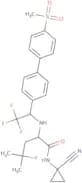
CAS:T 1776Na is a monoclonal antibody that targets the toll-like receptor (TLR) and inhibits the TLR signaling pathway. This leads to a reduction in inflammation and to synergistic effects on cancer cells. T 1776Na has been shown to be effective against breast cancer cells in vitro, as well as in vivo. It has also been shown to reduce the levels of collagen and protease activity in mice with an inflammatory disease. T 1776Na is currently being investigated for its potential use as an anti-inflammatory agent for people with arthritis or other inflammatory diseases.Formula:C25H27F4N3O3SPurity:Min. 95%Molecular weight:525.6 g/molGLB1 antibody
The GLB1 antibody is a trifunctional antibody that is used in bioassays and research in the field of Life Sciences. It has been shown to be effective in neutralizing the activity of human serum, particularly against chemokines. The GLB1 antibody also targets tyrosine kinase receptors and has been used in studies involving alpha-fetoprotein and anti-beta amyloid antibodies. Additionally, this antibody has been found to have genotoxic effects and can inhibit the activity of 3-kinase enzymes. Its versatility and specificity make it a valuable tool for researchers in various fields.Endothelin A Receptor antibody
The 6-Fluoro-3-indoxyl-beta-D-galactopyranoside is an antituberculosis drug that falls under the class of rifamycins. It is highly effective in treating tuberculosis infections and contains active compounds that exhibit bactericidal activity. This drug works by binding to DNA-dependent RNA polymerase, preventing transcription and replication, thus inhibiting bacterial growth. Studies have shown its high frequency of human activity using a patch-clamp technique on human erythrocytes. The active form of this drug undergoes various metabolic transformations, including hydrolysis by esterases or glucuronidases, oxidation by cytochrome P450 enzymes, reduction by glutathione reductase, or conjugation with glucuronic acid. Moreover, it specifically targets markers expressed at high levels in Mycobacterium tuberculosis strains and inhibits their cell growth in culture.
SYT9 Blocking Peptide
A synthetic peptide for use as a blocking control in assays to test for specificity of SYT9 antibody, catalog no. 70R-7051Purity:Min. 95%SRP19 Blocking Peptide
A synthetic peptide for use as a blocking control in assays to test for specificity of SRP19 antibody, catalog no. 70R-1410Purity:Min. 95%Protein S antibody (HRP)
Protein S antibody (HRP) was raised in sheep using human Protein S purified from plasma as the immunogen.CHP antibody
The CHP antibody is a highly specialized antibody that belongs to the group of polyclonal and monoclonal antibodies. It is designed to target glycopeptides and has neutralizing properties. This antibody can be used in various applications within the field of Life Sciences, including research and diagnostics. The CHP antibody specifically binds to levothyroxine, a hormone involved in regulating metabolism, as well as other glycan molecules. It also has the ability to interact with interleukin-6, a protein associated with inflammation and immune response. Additionally, this antibody can be used for the detection and quantification of plasmids and TNF-α, a pro-inflammatory cytokine. The CHP antibody offers high specificity and sensitivity, making it an essential tool for researchers in various fields.PDLIM2 antibody
The PDLIM2 antibody is a monoclonal antibody that specifically targets and binds to the PDLIM2 protein. This antibody is widely used in life sciences research for various applications, including immunohistochemistry, Western blotting, and flow cytometry. It can be used as a valuable tool to study the function and localization of PDLIM2 in different cell types and tissues. The PDLIM2 antibody is highly specific and sensitive, ensuring accurate and reliable results. It is an essential component in studies related to gene expression, protein-protein interactions, and signal transduction pathways involving PDLIM2. With its high affinity for the target protein, this antibody provides researchers with a powerful tool to advance their understanding of cellular processes and disease mechanisms.TAF7L antibody
TAF7L antibody was raised in rabbit using the middle region of TAF7L as the immunogenPurity:Min. 95%Y-320
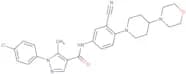
CAS:Y-320 is a recombinant protein that inhibits the production of inflammatory cytokines such as IL-17a and IL-6. Y-320 also has an inhibitory effect on pro-inflammatory cells, including T cells, monocytes, and macrophages. This drug has been shown to be effective in the treatment of autoimmune diseases. Y-320's target tissue is cellular, and it is a type of monoclonal antibody. Y-320 binds to the molecule S6K1 at its activation site, thereby inhibiting the synthesis of proteins which are important for inflammatory processes. The mechanism by which Y-320 inhibits DNA replication is still unknown.Formula:C27H29ClN6O2Purity:Min. 95%Molecular weight:505.01 g/molBRAF antibody
The BRAF antibody is a monoclonal antibody that specifically targets the BRAF protein. It has been extensively studied in various research areas, including cancer biology and neuroscience. This antibody has shown high specificity and affinity for the BRAF protein, making it an ideal tool for studying its functions and interactions.Carboxylesterase 1 antibody
Carboxylesterase 1 antibody was raised using a synthetic peptide corresponding to a region with amino acids ANFARNGNPNGEGLPHWPEYNQKEGYLQIGANTQAAQKLKDKEVAFWTNLSULT1C2 Blocking Peptide
A synthetic peptide for use as a blocking control in assays to test for specificity of SULT1C2 antibody, catalog no. 70R-2216Purity:Min. 95%ETS1 antibody
ETS1 antibody was raised in Mouse using a purified recombinant fragment of human ETS1 expressed in E. coli as the immunogen.Escin Iia
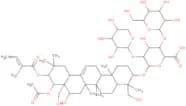
CAS:Escin Iia is a peptide made from the extract of horse chestnut seed. It is a potent inhibitor of phosphodiesterase-4, which is responsible for degradation of cAMP in cells. Escin Iia has been shown to activate ion channels and inhibit acetylcholine esterase, which are involved in regulating neurotransmitter release at synapses. It also inhibits the binding of an antibody to its receptor, which may have applications in research and development of pharmaceuticals. Escin Iia has been used as a research tool for studying protein interactions, cell biology, pharmacology, and life science.Formula:C54H84O23Purity:Min. 95%Molecular weight:1,101.2 g/molTCAP antibody
TCAP antibody was raised using a synthetic peptide corresponding to a region with amino acids CSLHEEDTQRHETYHQQGQCQVLVQRSPWLMMRMGILGRGLQEYQLPYQRNSC781406
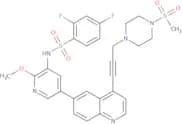
CAS:NSC781406 is a drug that has been shown to have anti-tumor effects in animal models of cancer. It is an inhibitor of phosphatases, which are enzymes that remove phosphate groups from phospholipids and proteins. NSC781406 has been shown to inhibit the growth of tumor cells in xenograft models. In addition, it inhibits the proliferation of pancreatic cancer cells in vitro and reduces tumor size in mice with pancreatic cancer. NSC781406 induces cytotoxic effects by modulating the activity of enzymes involved in cellular signaling pathways such as phosphoinositide kinase (PI3K) and protein kinase C (PKC).Formula:C29H27F2N5O5S2Purity:Min. 95%Molecular weight:627.68 g/molUBE2D2 antibody
UBE2D2 antibody was raised using a synthetic peptide corresponding to a region with amino acids TIMGPNDSPYQGGVFFLTIHFPTDYPFKPPKVAFTTRIYHPNINSNGSIC
Purity:Min. 95%L-803,087 trifluoroacetate
CAS:L-803,087 is a potent and selective activator of the TRPA1 ion channel. It acts as an agonist at TRPA1, which is a member of the transient receptor potential (TRP) family of ion channels. L-803,087 has been shown to activate TRPA1 in a dose-dependent manner. This compound also activates TRPA1 in the presence of elevated levels of extracellular calcium ions and was found to be a potent inhibitor of the phospholipase C enzyme phospholipase Cβ3. L-803,087 also inhibits cell proliferation in human breast cancer cells and has been shown to inhibit protein interactions with bovine serum albumin (BSA).Formula:C27H30F5N5O5Purity:Min. 95%Molecular weight:599.5 g/molSupinoxin
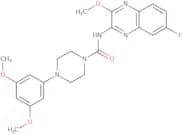
CAS:Supinoxin is a novel anti-cancer drug that inhibits the growth of cancer cells. Supinoxin is a small molecule that selectively inhibits the activity of RNA helicase and blocks the production of mRNAs, leading to cell death. Supinoxin has been shown to inhibit cancerous cell growth in vitro and in vivo. It has also been shown to have a high therapeutic index in mice with implanted human breast cancer xenografts, showing no toxicity at doses up to 10 times higher than the highest tolerated dose. The pharmacokinetics of supinoxin were studied in caco-2 cells and tissues from rats using LC-MS/MS analysis. The terminal half-life was found to be about 20 hours for both rats and humans, which suggests that supinoxin may be suitable for once-daily dosing.Formula:C22H24FN5O4Purity:Min. 95%Molecular weight:441.5 g/molEotaxin 2 antibody
Eotaxin 2 antibody was raised in goat using highly pure recombinant human eotaxin-2 as the immunogen.Purity:Min. 95%Lig3 Blocking Peptide
A synthetic peptide for use as a blocking control in assays to test for specificity of Lig3 antibody, catalog no. 70R-9296Purity:Min. 95%WDR21A antibody
WDR21A antibody was raised using the middle region of WDR21A corresponding to a region with amino acids ARLLRTIPSPYPASKADIPSVAFSSRLGGSRGAPGLLMAVGQDLYCYSYSKu70 antibody
The Ku70 antibody is a highly specialized monoclonal antibody that has been developed for the detection and neutralization of botulinum toxin. This cytotoxic activated antibody specifically targets the Ku70 protein, which is involved in DNA repair and maintenance. By binding to the Ku70 protein, this antibody prevents its normal function and effectively inhibits the harmful effects of botulinum toxin.MCM7 antibody
MCM7 antibody was raised using the middle region of MCM7 corresponding to a region with amino acids GGRSVRFSEAEQRCVSRGFTPAQFQAALDEYEELNVWQVNASRTRITFV
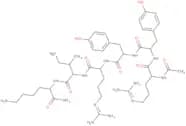
Ac-RYYRIK-NH2
CAS:Ac-RYYRIK-NH2 is a chemical compound that has been shown to bind with high affinity to both κ and δ opioid receptors in rat cardiomyocytes. Ac-RYYRIK-NH2 has also been shown to inhibit adenyl cyclase activity and increase the release of dopamine in rat brain cells. Ac-RYYRIK-NH2 is an analogue of the endogenous enkephalin peptide, Met-enkephalin, which binds to kappa opioid receptors. This compound has not been tested for biological activity in animal experiments or human clinical trials, but it has been shown to be effective in vitro assays and cell membrane preparations.
Formula:C44H70N14O9Purity:Min. 95%Molecular weight:939.1 g/molCERKL antibody
CERKL antibody was raised in rabbit using the N terminal of CERKL as the immunogen
Purity:Min. 95%DCC antibody
The DCC antibody is a monoclonal antibody used in Life Sciences research. It specifically targets interferon and brain natriuretic peptide, making it a valuable tool for studying these molecules. The DCC antibody has been extensively tested and validated using spectrometric techniques to ensure its accuracy and reliability. It can be used in various applications such as Western blotting, immunohistochemistry, and ELISA assays. This monoclonal antibody is produced using state-of-the-art technology and is free from any contaminants or impurities. It comes with detailed instructions for use and storage recommendations. Streptavidin conjugated versions of the DCC antibody are also available for biotinylation or hybridization experiments. Whether you need a monoclonal or polyclonal antibody, the DCC antibody is an excellent choice that provides specific and reliable results.Purity:Min. 95%Bad, gst tagged human
CAS:The G-protein coupled receptors (GPCRs) are a large protein family that have been extensively studied in pharmacology, cell biology and biochemistry. These proteins interact with other proteins, including peptides, to form the signaling pathways for various cellular processes. The GPCRs are also involved in the regulation of ion channels and ligand binding. This GPCR is a human receptor that has been tagged with an antibody and is being sold as a research tool for Cell Biology and Cell Signaling research. It has not yet been proven to be an activator or inhibitor of this receptor. The CAS number for this product is 2242842-51-7.Purity:Min. 95%RPS9 antibody
The RPS9 antibody is a highly specialized antibody that targets specific proteins involved in various biological processes. This antibody has been extensively studied and proven to be effective in detecting and quantifying the presence of these proteins. It can be used in research settings to investigate the role of these proteins in different diseases and conditions.YJC-10592
CAS:YJC-10592 is an iridoid glucoside that has been identified in human plasma. It is a metabolite of lacosamide, which is used to treat epilepsy. YJC-10592 is excreted in the urine and can be detected in the plasma at concentrations of up to 2.5 ng/mL. The pharmacokinetic study of YJC-10592 showed that it has a terminal half-life of about 30 minutes and can be detected for up to 8 hours after administration.Formula:C36H44Cl2N4O3Purity:Min. 95%Molecular weight:651.7 g/molDR4 antibody
The DR4 antibody is a monoclonal antibody that targets VEGF (vascular endothelial growth factor) and TGF-beta (transforming growth factor-beta). It is widely used in the field of Life Sciences for various applications. This antibody has shown cytotoxic effects on human serum, inhibiting the growth and proliferation of cells. Additionally, it has been found to interact with insulin and other growth factors, making it a versatile tool in research and development. The DR4 antibody also exhibits binding affinity towards pancreatic elastase, lectins, collagen, and elastase. With its potent medicament properties, this antibody offers promising therapeutic potential in the treatment of various diseases and disorders.NSC232003
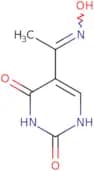
CAS:NSC232003 is a chemical compound that is structurally similar to the demethylation inhibitor 5-aza-2'-deoxycytidine. It has been shown to have chemopreventive properties and could be a potential biomarker for colorectal carcinoma. This chemical is able to induce apoptosis in lymphocytic leukemia cells by inhibiting DNA methyltransferase enzymes, which are involved in the process of gene expression. NSC232003 also induces fragmentation of DNA, which may be due to its ability to inhibit DNA methyltransferases.Formula:C6H7N3O3Purity:Min. 95%Molecular weight:169.14 g/molArginase 2 antibody
The Arginase 2 antibody is a cytotoxic monoclonal antibody that specifically targets and binds to the Arginase 2 protein isoforms. This antibody has been extensively tested using techniques such as electrophoresis and polymerase chain reaction to ensure its specificity and effectiveness. It has shown high affinity towards the Arginase 2 protein complex, inhibiting its activity and preventing the conversion of arginine into ornithine and urea.PERLD1 antibody
PERLD1 antibody was raised using the N terminal of PERLD1 corresponding to a region with amino acids ECMWVTVGLYLQEGHKVPQFHGKWPFSRFLFFQEPASAVASFLNGLASLVPurity:Min. 95%LOC645015 Blocking Peptide
A synthetic peptide for use as a blocking control in assays to test for specificity of LOC645015 antibody, catalog no. 70R-2372Purity:Min. 95%CSTF3 antibody
CSTF3 antibody was raised using the N terminal of CSTF3 corresponding to a region with amino acids YIEAEIKAKNYDKVEKLFQRCLMKVLHIDLWKCYLSYVRETKGKLPSYKERG9MTD1 Blocking Peptide
A synthetic peptide for use as a blocking control in assays to test for specificity of RG9MTD1 antibody, catalog no. 70R-4806Purity:Min. 95%DDX17 antibody
DDX17 antibody was raised in mouse using recombinant Human Dead (Asp-Glu-Ala-Asp) Box Polypeptide 17 (Ddx17)NECAP2 Blocking Peptide
A synthetic peptide for use as a blocking control in assays to test for specificity of NECAP2 antibody, catalog no. 70R-3814Purity:Min. 95%Wdr45l antibody
Wdr45l antibody was raised in rabbit using the N terminal of Wdr45l as the immunogenPurity:Min. 95%MLLT4 antibody
MLLT4 antibody was raised in rabbit using the N terminal of MLLT4 as the immunogenPurity:Min. 95%Rabbit anti Mouse IgG (H + L) (rhodamine)
This antibody reacts with heavy (gamma) chains on rabbit IgG and light chains on all rabbit immunoglobulins.Purity:Min. 95%LX-4
CAS:LX-4 is a synthetic, metastable molecule that can be used as a diagnostic tool for the detection of tuberculosis. LX-4 is highly sensitive and selective for the diagnosis of tuberculosis. It is also an immunoassay that can be used to determine the presence of antigen in cells. The acetylation or methylation status of dna can also be determined using LX-4, which has been shown to have regulatory and diagnostic value.Formula:C29H19N5O4S2Purity:Min. 95%Molecular weight:565.6 g/molANKRD47 antibody
ANKRD47 antibody was raised using the N terminal Of Ankrd47 corresponding to a region with amino acids MAKFALNQNLPDLGGPRLCPVPAAGGARSPSSPYSVETPYGFHLDLDFLKCullin 5 antibody
Cullin 5 antibody was raised using the C terminal of CUL5 corresponding to a region with amino acids VNIKILNAGAWSRSSEKVFVSLPTELEDLIPEVEEFYKKNHSGRKLHWHH
Defactinib
CAS:Inhibitor of FAK kinase; cancer stem cell inhibitorFormula:C20H21F3N8O3SPurity:Min. 95%Molecular weight:510.49 g/molCD49e antibody
CD49e antibody is a monoclonal antibody that targets the CD49e protein, also known as integrin alpha 5. This protein is involved in cell adhesion and plays a crucial role in various biological processes, including growth factor signaling and tissue development. CD49e antibody inhibits the function of CD49e, thereby preventing its interaction with other molecules and interfering with cellular processes.ZNF652 antibody
ZNF652 antibody was raised in rabbit using the N terminal of ZNF652 as the immunogenPurity:Min. 95%1,3-Didecyl-5-[3-(1,3-didecylhexahydro-4,6-dioxo-2-thioxo-5-pyrimidinyl)-2-propenylidene]dihydro-2-thioxo-4,6-(1H,5H)-pyrimidinedion e
CAS:This compound is a research tool that is used to activate the Ligand and Receptor in Cell Biology. It is also used for the study of Ion channels, High purity, Protein interactions, and Pharmacology. This compound has a CAS number of 169211-45-4 and was originally discovered by Research Biochemicals International.Formula:C51H88N4O4S2Purity:Min. 95%Molecular weight:885.4 g/molADORA2A antibody
ADORA2A antibody was raised in rabbit using the N terminal of ADORA2A as the immunogenPurity:Min. 95%Matrilin 2 antibody
Matrilin 2 antibody was raised using the middle region of MATN2 corresponding to a region with amino acids AVGVGKAIEEELQEIASEPTNKHLFYAEDFSTMDEISEKLKKGICEALEDNa+ Ca2+ Exchanger antibody (cardiac)
Na+ Ca2+ exchanger antibody (cardiac) was raised in rabbit using canine cardiac sarcolemma Na+/Ca2+ exchanger as the immunogen.CLECL1 Blocking Peptide
A synthetic peptide for use as a blocking control in assays to test for specificity of CLECL1 antibody, catalog no. 70R-2329Purity:Min. 95%RASSF1 Blocking Peptide
A synthetic peptide for use as a blocking control in assays to test for specificity of RASSF1 antibody, catalog no. 70R-9845Purity:Min. 95%Anti Urocortin (Rat) Serum
Anti Urocortin (Rat) Serum is a protein that can be used as a research tool in pharmacology, cell biology, and other life science fields. Anti Urocortin (Rat) Serum is an inhibitor of the urocortin receptor.Purity:Min. 95%NCX 466
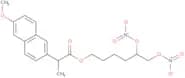
CAS:NCX 466 is a drug that inhibits the production of pro-inflammatory cytokines and has been shown to be effective in the treatment of inflammatory diseases. NCX 466 is a peptide that inhibits cyclooxygenase (COX) enzymes, which are responsible for the production of prostaglandins, such as PGE2. The drug has been shown to be effective in clinical trials using mice with experimental arthritis. NCX 466 has also shown efficacy in human studies, where it was found to inhibit erythroid cell growth by blocking extracellular signal-related kinase 1/2 (ERK1/2) activation.Formula:C20H24N2O9Purity:Min. 95%Molecular weight:436.4 g/molCamstatin
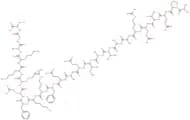
CAS:Camstatin is an adjuvant therapy that has been shown to inhibit the activation of protein kinase A (PKA) in cells. It also inhibits phosphorylation of the cAMP-dependent protein kinase, which leads to a potentiation of effects. Camstatin also has a potent inhibitory effect on cellular protein synthesis and phosphate uptake. Camstatin can be used as an inhibitor of the phosphodiesterase enzyme, which is involved in the hydrolysis of intracellular cyclic nucleotides. This prevents the breakdown of cAMP and therefore increases its concentration in the cell and activates PKA.Formula:C122H203N39O34Purity:Min. 95%Molecular weight:2,760.2 g/molCD161
CAS:CD161 is a cell surface protein that interacts with the CD4 receptor and is expressed on certain cells in the immune system. CD161 has been shown to play a role in the lysis of infected cells, and it may be a potential biomarker for disease activity. CD161 also acts as a co-receptor for HIV infection, which allows CD4 to bind to CD161. It is thought that this protein may have an important role in regulating the differentiation of stem cells. A model system involving CD161 has been developed that demonstrates transcriptional regulation by cell factor and p53.
Formula:C26H21N5O2Purity:Min. 95%Molecular weight:435.5 g/mol





























![1,3-Didecyl-5-[3-(1,3-didecylhexahydro-4,6-dioxo-2-thioxo-5-pyrimidinyl)-2-propenylidene]dihydro-2…](/_next/image/?url=https%3A%2Fstatic.cymitquimica.com%2Fproducts%2F3D%2Fthumb-webp%2FUGA21145.webp&w=3840&q=75)