Biochemicals and Reagents
Subcategories of "Biochemicals and Reagents"
- Biomolecules(98,557 products)
- By Biological Target(101,014 products)
- By Pharmacological Effects(6,941 products)
- Cryopreservatives(21 products)
- Desinfectants and Related Compounds(28 products)
- Hormones(530 products)
- Plant Biology(6,903 products)
- Secondary Metabolites(14,369 products)
Found 130563 products of "Biochemicals and Reagents"
p53 antibody
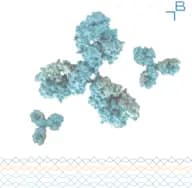
The p53 antibody is a powerful tool used in life sciences research. It is a monoclonal antibody that specifically targets and binds to the p53 protein, which plays a crucial role in regulating cell growth and preventing tumor formation. By binding to p53, this antibody can help researchers better understand the functions and mechanisms of this important protein.Purity:Min. 95%Rabbit anti Hamster IgG (H + L)
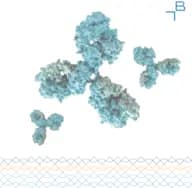
This antibody reacts with heavy chains on hamster IgG and light chains on all hamster immunoglobulins.Purity:Min. 95%AMFR antibody
AMFR antibody was raised using the C terminal of AMFR corresponding to a region with amino acids FGEVEVEPSEVEDFEARGSRFSKSADERQRMLVQRKDELLQQARKRFLNK
Goat anti Bovine IgG
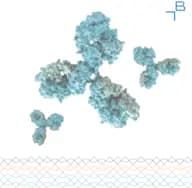
Goat anti-bovine IgG was raised in goat using bovine IgG F(ab')2 fragment as the immunogen.Purity:Min. 95%INTS4 antibody
INTS4 antibody was raised in rabbit using the middle region of INTS4 as the immunogenPurity:Min. 95%LAG3 Blocking Peptide
A synthetic peptide for use as a blocking control in assays to test for specificity of LAG3 antibody, catalog no. 70R-9684Purity:Min. 95%MKK4 antibody
The MKK4 antibody is a highly specialized product used in the field of Life Sciences. It is a monoclonal antibody that specifically targets and binds to MKK4, an important protein involved in cell signaling pathways. This antibody is commonly used in research and laboratory settings to study the role of MKK4 in various cellular processes.APOL5 antibody
APOL5 antibody was raised in rabbit using the C terminal of APOL5 as the immunogenPurity:Min. 95%CCIN antibody
Calicin antibody was raised in Guinea Pig using synthetic N-terminal domain of bovine calicin coupled to KLH as the immunogen.Purity:Min. 95%Motilin Blocking Peptide
A synthetic peptide for use as a blocking control in assays to test for specificity of MLN antibody, catalog no. 70R-6243Purity:Min. 95%UGCG Blocking Peptide
A synthetic peptide for use as a blocking control in assays to test for specificity of UGCG antibody, catalog no. 70R-7359Purity:Min. 95%Ubc9 protein
MSGIALSRLA QERKAWRKDH PFGFVAVPTK NPDGTMNLMN WECAIPGKKG TPWEGGLFKL RMLFKDDYPS SPPKCKFEPP LFHPNVYPSG TVCLSILEED KDWRPAITIK QILLGIQELL NEPNIQDPAQ AEAYTIYCQN RVEYEKRVRA QAKKFAPSPurity:>95% By Sds-PageGoat anti Rat IgG (H + L)
This antibody reacts with heavy (gamma) chains on rat IgG and light chains on all rat immunoglobulins.Purity:Min. 95%EGFR antibody
The EGFR antibody is a histidine-rich glycoprotein that belongs to the class of monoclonal antibodies used in Life Sciences. It specifically targets the epidermal growth factor receptor (EGFR), which is a cell surface protein involved in various cellular processes. The EGFR antibody binds to the activated form of EGFR and inhibits its function, thereby preventing downstream signaling events such as phosphorylation and activation of phosphatases. This antibody can be used in immunoassays to detect and quantify EGFR levels in biological samples. Additionally, it has been shown to have cytotoxic effects on cells expressing high levels of EGFR, making it a potential therapeutic agent for certain types of cancer. The EGFR antibody is available in both polyclonal and monoclonal forms, providing options for different research needs. It can be used in various applications, including Western blotting, immunohistochemistry, and flow cytometry. Furthermore, this antibody has been formulated for ophthalmic use,Purity:Min. 95%Apbb1ip antibody
Apbb1ip antibody was raised in rabbit using the N terminal of Apbb1ip as the immunogenPurity:Min. 95%LIMD1 Blocking Peptide
A synthetic peptide for use as a blocking control in assays to test for specificity of LIMD1 antibody, catalog no. 70R-8936Purity:Min. 95%Pcyt2 antibody
Pcyt2 antibody was raised in rabbit using the N terminal of Pcyt2 as the immunogenPurity:Min. 95%HSPB6 antibody
HSPB6 antibody was raised using the middle region of HSPB6 corresponding to a region with amino acids ARHEERPDEHGFVAREFHRRYRLPPGVDPAAVTSALSPEGVLSIQAAPASJunB antibody
JunB antibody is a highly specific antibody that targets the JunB protein, which plays a crucial role in gene regulation and cellular processes. This antibody can be used in various applications, including immunohistochemistry, Western blotting, and ELISA. It has been shown to effectively detect JunB expression in different tissues and cell types.Purity:Min. 95%CtBP2 antibody
The CtBP2 antibody is a highly specialized monoclonal antibody used in Life Sciences research. It specifically targets CtBP2, a protein involved in various cellular processes such as epidermal growth factor signaling and regulation of β-catenin. This antibody is designed to recognize and bind to CtBP2 with high affinity, making it an essential tool for studying the function and localization of this protein.POLR2H Blocking Peptide
A synthetic peptide for use as a blocking control in assays to test for specificity of POLR2H antibody, catalog no. 70R-1052
Purity:Min. 95%CCDC7 Blocking Peptide
A synthetic peptide for use as a blocking control in assays to test for specificity of CCDC7 antibody, catalog no. 70R-4211Purity:Min. 95%TFEB antibody
The TFEB antibody is a versatile and powerful tool in the field of Life Sciences. It is an antiviral and natriuretic antibody that specifically targets brain natriuretic peptide (BNP). This antibody can be used for various applications, including electrophoresis, where it can detect BNP in human serum samples. Additionally, the TFEB antibody has been shown to have chemokine activity, making it an excellent choice for studying immune responses.
HBP1 Blocking Peptide
A synthetic peptide for use as a blocking control in assays to test for specificity of HBP1 antibody, catalog no. 70R-7937
Purity:Min. 95%Mouse anti Human IgG (HRP)
IgG antibody was raised in Mouse using A fusion protein containing human IgG Fc as the immunogen.GRP75 antibody
The 6-Fluoro-3-indoxyl-beta-D-galactopyranoside is a powerful antituberculosis drug that falls under the class of rifamycins. It is highly effective in treating tuberculosis infections due to its bactericidal activity. By binding to DNA-dependent RNA polymerase, this drug inhibits bacterial growth by preventing transcription and replication. Its potency has been demonstrated through extensive research using the patch-clamp technique on human erythrocytes. Metabolized through various metabolic transformations, including hydrolysis, oxidation, reduction, and conjugation, it specifically targets markers expressed in Mycobacterium tuberculosis strains and inhibits their cell growth. Trust 6-Fluoro-3-indoxyl-beta-D-galactopyranoside for its remarkable effectiveness against tuberculosis.Goat anti Rat IgG (H + L) (rhodamine)
Goat anti-rat IgG (H+L) (Rhodamine) was raised in goat using rat IgG whole molecule as the immunogen.
Purity:Min. 95%SH3BP5 Blocking Peptide
A synthetic peptide for use as a blocking control in assays to test for specificity of SH3BP5 antibody, catalog no. 70R-10051
Purity:Min. 95%LRAT Blocking Peptide
A synthetic peptide for use as a blocking control in assays to test for specificity of LRAT antibody, catalog no. 70R-9887
Purity:Min. 95%PPP1R7 antibody
PPP1R7 antibody was raised using a synthetic peptide corresponding to a region with amino acids QNLIKCIENLEELQSLRELDLYDNQIKKIENLEALTELEILDISFNLLRNKeratin K17 antibody
Keratin K17 antibody was raised in Guinea Pig using Acidic human keratin K17 as the immunogen.Purity:Min. 95%PTOV1 Blocking Peptide
A synthetic peptide for use as a blocking control in assays to test for specificity of PTOV1 antibody, catalog no. 70R-8946Purity:Min. 95%TBC1D22A antibody
TBC1D22A antibody was raised using the N terminal of TBC1D22A corresponding to a region with amino acids RQGRPTLQEGPGLQQKPRPEAEPPSPPSGDLRLVKSVSESHTSCPAESASFMR1 antibody
FMR1 antibody was raised in Mouse using a purified recombinant fragment of human FMR1 expressed in E. coli as the immunogen.AADAC antibody
AADAC antibody was raised using a synthetic peptide corresponding to a region with amino acids NYGSSELAKKYPGFLDVRAAPLLADDNKLRGLPLTYVITCQYDLLRDDGLPDP2 Blocking Peptide
A synthetic peptide for use as a blocking control in assays to test for specificity of PDP2 antibody, catalog no. 70R-3855Purity:Min. 95%CD166 antibody
CD166 antibody was raised in Mouse using a purified recombinant fragment of CD166(aa405-524) expressed in E. coli as the immunogen.IPP antibody
IPP antibody was raised using the C terminal of IPP corresponding to a region with amino acids EMQGLIYVIGGISNEGIELRSFEVYDPLSKRWSPLPPMGTRRAYLGVAALSIN3B antibody
SIN3B antibody was raised in rabbit using the middle region of SIN3B as the immunogenPurity:Min. 95%Troponin T Type 3 antibody
Troponin T Type 3 antibody was raised using a synthetic peptide corresponding to a region with amino acids PRPKLTAPKIPEGEKVDFDDIQKKRQNKDLMELQALIDSHFEARKKEEEEWDR49 antibody
WDR49 antibody was raised using the N terminal of WDR49 corresponding to a region with amino acids SQDFRCLFHFDEAHGRLFISFNNQLALLAMKSEASKRVKSHEKAVTCVLYFAK antibody
FAK antibody was raised in Mouse using a purified recombinant fragment of human FAK expressed in E. coli as the immunogen.AP2M1 antibody
The AP2M1 antibody is a highly specialized antibody used in Life Sciences research. It is primarily used to detect androgen receptors in blood plasma, making it an invaluable tool for studying hormone-related processes. This cytotoxic antibody specifically targets actin filaments within cells, allowing researchers to visualize and study the dynamics of actin in various cellular processes. Additionally, the AP2M1 antibody can be used to investigate the role of nuclear antigens and extracellular proteins involved in cell signaling pathways. Its high specificity and sensitivity make it a valuable tool for researchers studying microvessel density and other related areas of research. Whether you need a monoclonal or polyclonal antibody, the AP2M1 antibody is an excellent choice for your research needs.EMX1 Blocking Peptide
A synthetic peptide for use as a blocking control in assays to test for specificity of EMX1 antibody, catalog no. 70R-8699Purity:Min. 95%SAMD8 Blocking Peptide
A synthetic peptide for use as a blocking control in assays to test for specificity of SAMD8 antibody, catalog no. 70R-7056Purity:Min. 95%BAD antibody
The BAD antibody is a highly specialized polyclonal antibody used in Life Sciences research. It is designed to target and detect the presence of the BAD protein, which plays a crucial role in various cellular processes such as apoptosis, cell survival, and metabolism regulation. This antibody has been extensively tested and validated for its specificity and sensitivity.Purity:Min. 95%IKB beta antibody
The IKB beta antibody is a powerful tool for researchers in the field of immunology. This antibody specifically targets and binds to the IKB beta protein, which plays a crucial role in regulating immune responses. By binding to IKB beta, this antibody can modulate various cellular processes, including exocytosis and nuclear translocation of proteins.Purity:Min. 95%SIGLEC6 Blocking Peptide
A synthetic peptide for use as a blocking control in assays to test for specificity of SIGLEC6 antibody, catalog no. 70R-6068Purity:Min. 95%Mouse anti Human IgG (DY549)
Mouse anti-human IgG (DY549) was raised in mouse using human IgG as the immunogen.Goat anti Human IgG
This antibody reacts with heavy chains on human IgG (gamma chain).Purity:Min. 95%MIF antibody
The MIF antibody is a polyclonal antibody that is used in Life Sciences research. It specifically targets and binds to macrophage migration inhibitory factor (MIF), a chemokine involved in various physiological processes. The MIF antibody can be used to detect and measure the levels of MIF in samples, making it a valuable tool for studying the role of MIF in different biological systems. Additionally, this antibody has been shown to inhibit the activity of MIF, making it useful for investigating the functional effects of MIF inhibition. With its high specificity and sensitivity, the MIF antibody is an essential tool for researchers working in the field of immunology and related disciplines.CACNB1 Blocking Peptide
A synthetic peptide for use as a blocking control in assays to test for specificity of CACNB1 antibody, catalog no. 70R-5068
Purity:Min. 95%PIGQ Blocking Peptide
A synthetic peptide for use as a blocking control in assays to test for specificity of PIGQ antibody, catalog no. 70R-6645Purity:Min. 95%DIAPH1 antibody
The DIAPH1 antibody is a highly specialized monoclonal antibody used in the field of Life Sciences. It is specifically designed to target and bind to DIAPH1, a protein involved in various cellular processes such as cell motility and cytokinesis. This antibody has been extensively studied and proven to be effective in detecting and quantifying DIAPH1 levels in biological samples.SAP130 antibody
The SAP130 antibody is a powerful tool used in various assays and research applications. This antibody specifically targets the tyrosine-rich region of the SAP130 protein, allowing for accurate detection and quantification. It has been extensively validated and proven to be highly specific, ensuring reliable results.AITRL protein
Region of AITRL protein corresponding to amino acids ETAKEPCMAK FGPLPSKWQM ASSEPPCVNK VSDWKLEILQ NGLYLIYGQV APNANYNDVA PFEVRLYKNK DMIQTLTNKS KIQNVGGTYE LHVGDTIDLI FNSEHQVLKN NTYWGIILLA NPQFI.Purity:Min. 95%Donkey anti Rabbit IgG (H + L) (biotin)
Donkey anti-rabbit IgG (H + L) (biotin) was raised in donkey using rabbit IgG (H&L) as the immunogen.PRPF19 antibody
PRPF19 antibody was raised using a synthetic peptide corresponding to a region with amino acids PSVVGAGEPMDLGELVGMTPEIIQKLQDKATVLTTERKKRGKTVPEELVK
CD72.1 antibody
CD72.1 antibody was raised in mouse using DBA/2 murine spleen cells as the immunogen.Ahi1 antibody
Ahi1 antibody was raised in rabbit using the C terminal of Ahi1 as the immunogenPurity:Min. 95%LRP1 Blocking Peptide
A synthetic peptide for use as a blocking control in assays to test for specificity of LRP1 antibody, catalog no. 70R-2307Purity:Min. 95%ALG11 Blocking Peptide
A synthetic peptide for use as a blocking control in assays to test for specificity of ALG11 antibody, catalog no. 70R-6417
Purity:Min. 95%P2RX7 Blocking Peptide
A synthetic peptide for use as a blocking control in assays to test for specificity of P2RX7 antibody, catalog no. 70R-1514
Purity:Min. 95%