Biochemicals and Reagents
Subcategories of "Biochemicals and Reagents"
- Biomolecules(98,574 products)
- By Biological Target(100,743 products)
- By Pharmacological Effects(6,938 products)
- Cryopreservatives(21 products)
- Desinfectants and Related Compounds(28 products)
- Hormones(454 products)
- Plant Biology(6,906 products)
- Secondary Metabolites(14,368 products)
Found 130507 products of "Biochemicals and Reagents"
Carbovir-13C,d2
CAS:Carbovir-13C,d2 is a stable isotope-labeled compound, specifically a version of the antiviral agent carbovir, which is a nucleoside analog. This labeled compound is derived through the incorporation of carbon-13 and deuterium atoms within the molecular structure of carbovir, a process typically achieved via synthetic organic chemistry techniques. Such isotopic labeling enables more precise investigation into the compound's pharmacokinetics and metabolic pathways.
Formula:C11H13N5O2Purity:Min. 95%Molecular weight:250.26 g/molAnti GLP-1 (7-36)-NH₂, Human Serum
Anti GLP-1 (7-36)-NH₂, human serum is a recombinant protein that inhibits the activity of the glucagon-like peptide-1 receptor. It is used as a research tool to study the role of GLP-1 and its receptor in regulating blood glucose levels. Anti GLP-1 (7-36)-NH₂, human serum can be used as a ligand for the isolation of the GLP-1 receptor from cells. The anti GLP-1 (7-36)-NH₂, human serum is also used to study ion channels and antibody binding.Purity:Min. 95%Ginsenoside
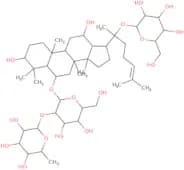
CAS:Ginsenoside is a natural compound found in Chinese ginseng that has been shown to have potent anticancer properties. It works by inhibiting the activity of kinases, which are enzymes that regulate cell growth and division. Ginsenoside has been shown to induce apoptosis, or programmed cell death, in cancer cells and inhibit tumor growth. It also acts as an inhibitor of glutathione S-transferase activity, which is involved in detoxification processes within cells. Ginsenoside analogs have been developed as potential inhibitors of human protein kinases involved in cancer development and progression. The use of ginsenoside as a natural alternative to traditional cancer treatments is currently being studied and shows promising results.
Formula:C48H82O18Purity:Min. 95%Molecular weight:947.2 g/molIGSF1 antibody
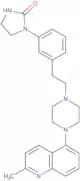
IGSF1 antibody was raised using the N terminal of IGSF1 corresponding to a region with amino acids WLLARPSAVVQMGQNVSLRCRGPVDGVGLALYKKGEDKPLQFLDATSIDDPurity:Min. 95%(3R)-1-[4-Methyl-5-[6-(trifluoromethyl)-1H-indazol-4-yl]pyrimidin-2-yl]pyrrolidin-3-ol
CAS:(3R)-1-[4-methyl-5-[6-(trifluoromethyl)-1H-indazol-4-yl]pyrimidin-2-yl]pyrrolidin-3-ol is a small molecule that binds to and inhibits the activity of the protein kinase Cepsilon. It has also been shown to activate protein kinase Ceta, which may be involved in the activation of G protein coupled receptors. This compound is an inhibitor of human protein tyrosine phosphatases 1A and 1B. It has been used as a research tool for studying receptor signaling pathways and ion channels. (3R)-1-[4-methyl-5-[6-(trifluoromethyl)-1H-indazol-4-yl]pyrimidin-2-yl]pyrrolidin-3-ol has shown no significant binding to any other proteins or nucleic acids such
Formula:C17H16F3N5OPurity:Min. 95%Molecular weight:363.34 g/molFUCA1 Blocking Peptide
A synthetic peptide for use as a blocking control in assays to test for specificity of FUCA1 antibody, catalog no. 70R-5428Purity:Min. 95%OLFML2A antibody
OLFML2A antibody was raised using the N terminal of OLFML2A corresponding to a region with amino acids EDFYTVETVSSGTDCRCSCTAPPSSLNPCENEWKMEKLKKQAPELLKLQS
EPX antibody
EPX antibody was raised using the middle region of EPX corresponding to a region with amino acids LAFRFGHTMLQPFMFRLDSQYRASAPNSHVPLSSAFFASWRIVYEGGIDPPurity:Min. 95%Stat5b antibody
Stat5b antibody was raised in rabbit using the c terminal of Stat5b as the immunogenPurity:Min. 95%GSK 163090
CAS:Antagonist of 5-HT1A/B/D receptorsFormula:C25H29N5OPurity:Min. 95%Molecular weight:415.53 g/molGPR18 antibody
The GPR18 antibody is an antiviral agent that is widely used in Life Sciences research. It is commonly used to detect and measure the expression of GPR18, a receptor protein involved in various cellular processes. This antibody specifically targets GPR18 and can be used in applications such as immunohistochemistry, Western blotting, and ELISA. The GPR18 antibody has been validated using mass spectrometric methods and has shown high specificity and sensitivity in detecting GPR18 in human serum samples. Additionally, this antibody has been shown to inhibit the activity of c-myc, interferon, and other nuclear proteins involved in viral replication. Its use in research has contributed to a better understanding of viral infections and the development of potential therapeutic strategies.DDX47 antibody
DDX47 antibody was raised using a synthetic peptide corresponding to a region with amino acids AQRFARMELREHGEKKKRSREDAGDNDDTEGAIGVRNKVAGGKMKKRKGRGATA1 antibody
The GATA1 antibody is a highly effective and reliable tool used in Life Sciences research. This antibody is specifically designed to target and bind to the GATA1 protein, an important regulator of gene expression. It is commonly used in various applications, including immunohistochemistry (IHC), Western blotting, and flow cytometry.
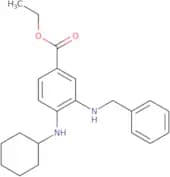
Purity:Min. 95%Ethyl 3-(benzylamino)-4-(cyclohexylamino)benzoate
CAS:Ethyl 3-(benzylamino)-4-(cyclohexylamino)benzoate is an inhibitor of the enzyme ferroptosis. Ferroptosis is a form of programmed cell death that is induced by the release of iron from ferritin. The compound inhibits this process by binding to the carboxy group on benzoic acid, which prevents it from being released and causing cell death. Ethyl 3-(benzylamino)-4-(cyclohexylamino)benzoate has been shown to be effective in inhibiting ferroptosis in human fibrosarcoma cells. It has also been shown to inhibit growth in human fibrosarcoma cells and was more potent than both erastin and benzoic acid at inhibiting ferroptosis.Formula:C22H28N2O2Purity:Min. 95%Molecular weight:352.5 g/mol(3S,6S)-3-Benzyl-6-isopropyl-piperazine-2,5-dione
CAS:(3S,6S)-3-Benzyl-6-isopropyl-piperazine-2,5-dione is a potent and selective inhibitor of the potassium channel Kv1.4. It blocks the flow of potassium ions through this channel, which is important for maintaining membrane potential in neurons. This compound is a research tool that can be used to study the role of Kv1.4 channels in neuronal excitability and other ion channels in neuronal function.Formula:C14H18N2O2Purity:Min. 95%Molecular weight:246.3 g/molSULT2B1 antibody
SULT2B1 antibody was raised using the C terminal of SULT2B1 corresponding to a region with amino acids NTMSNYTLLPPSLLDHRRGAFLRKGVCGDWKNHFTVAQSEAFDRAYRKQMGoat anti Bird IgG (H + L) (HRP)
Goat anti Bird IgG (H + L) (HRP) was raised in goat using Purified IgG from dove, duck, sparrow and chicken serum. as the immunogen.7-(2-Carboxyethyl)-5,5-difluoro-1,3-dimethyl-5h-dipyrrolo[1,2-c:2',1'-f][1,3,2]diazaborinin-4-ium-5-uide
CAS:Fluorescent probeFormula:C14H15BF2N2O2Purity:Min. 95%Molecular weight:292.09 g/mol(2E,4E)-N-[2-(3,4-Dimethoxyphenyl)ethyl]dodeca-2,4-dienamide
CAS:2,4-Dienamide is a potent and selective inhibitor of the Kv1.3 voltage-gated potassium channel. It binds to the Cys-loop receptor and prevents ion flow through the channel. This inhibition has been shown to suppress inflammatory responses in mouse models of colitis, arthritis, and asthma. 2,4-Dienamide has also been shown to be an activator for G protein coupled receptors (GPCRs), leading to increased intracellular calcium levels in cells. The effects of 2,4-dienamide on receptor function can be inhibited by peptides that bind to the same site as 2,4-dienamide as well as by antibodies against the ligand binding domain of Kv1.3 channels.Formula:C22H33NO3Purity:Min. 95%Molecular weight:359.5 g/molGNAI1 antibody
The GNAI1 antibody is a cytotoxic monoclonal antibody that targets the glycoprotein GNAI1. It belongs to a group of antibodies that specifically bind to p38 mitogen-activated protein (MAP) kinase, inhibiting its activity. This antibody has been shown to have therapeutic potential in various diseases, including cancer and autoimmune disorders. Additionally, it has been found to disrupt the interaction between fibronectin and integrin receptors, leading to decreased cell adhesion and migration. The GNAI1 antibody is also involved in the regulation of collagen synthesis and degradation, making it an important player in tissue remodeling processes. With its ability to selectively target GNAI1 and modulate multiple signaling pathways, this antibody holds promise for further research and potential clinical applications.ETR3 antibody
ETR3 antibody was raised in rabbit using C terminal sequence [VQLKRSKNDSKPYC] of human and mouse ETR-3 as the immunogen.
Purity:Min. 95%CD44 antibody
CD44 antibody is an inhibitor that targets CXCL13, a chemokine involved in cell migration and immune response. It binds to CD44, a cell surface glycoprotein, preventing its interaction with other binding proteins. CD44 antibody is widely used in Life Sciences research, particularly in studies related to cancer and inflammation. It has been shown to inhibit the activity of alpha-fetoprotein (AFP), a tumor marker associated with certain types of cancer. Additionally, CD44 antibody has demonstrated efficacy in reducing tyrosine-induced thrombocytopenia and cytotoxicity caused by α-synuclein, a protein implicated in neurodegenerative disorders such as Parkinson's disease. This monoclonal antibody can be conjugated with various compounds for targeted delivery or detection purposes.C6orf134 antibody
C6orf134 antibody was raised using the N terminal of C6orf134 corresponding to a region with amino acids MEFPFDVDALFPERITVLDQHLRPPARRPGTTTPARVDLQQQIMTIIDELGSK 2018682
CAS:GSK 2018682 is a small molecule inhibitor of histone H3 acetylation. GSK 2018682 decreases the levels of the inflammatory response in mice by inhibiting the production of pro-inflammatory cytokines and chemokines. It binds to p21, which inhibits cell cycle progression, thereby preventing tumor growth. GSK 2018682 also has inhibitory properties on solid tumours and dimethyl fumarate (DMT) metabolism, as well as side-effect profiles that are not limited to hepatic steatosis or intracellular targets. The specific effects of GSK 2018682 on bowel disease or autoimmune diseases are not yet known.Formula:C22H21ClN4O4Purity:Min. 95%Molecular weight:440.88 g/molUNCX antibody
UNCX antibody was raised in rabbit using the N terminal of UNCX as the immunogenPurity:Min. 95%NPM1 antibody
The NPM1 antibody is a polyclonal antibody that specifically targets the phosphorylation of annexin A2. It is widely used as a diagnostic reagent in various research and clinical applications. The NPM1 antibody can be utilized for the detection and quantification of annexin A2 phosphorylation levels in different samples, including recombinant cells and tissue lysates. This antibody is highly sensitive and specific, allowing for accurate measurement of phosphorylation events. Additionally, the NPM1 antibody can be used in conjunction with other antibodies or enzyme-labeled plates to develop multiplex assays for studying various signaling pathways involving annexin A2 and its binding proteins. Trust the NPM1 antibody to provide reliable and reproducible results in your research endeavors.KIAA0317 antibody
KIAA0317 antibody was raised using the middle region of KIAA0317 corresponding to a region with amino acids VRARFTRSFLAQIIGLRMHYKYFETDDPEFYKSKVCFILNNDMSEMELVFPurity:Min. 95%RBM4 antibody
RBM4 antibody was raised using the middle region of RBM4 corresponding to a region with amino acids TAPGMGDQSGCYRCGKEGHWSKECPIDRSGRVADLTEQYNEQYGAVRTPY
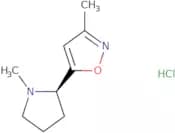
ABT-418 Hydrochloride
CAS:ABT-418 Hydrochloride is a cholinergic agonist, which is a synthetic compound derived from the selective targeting of nicotinic acetylcholine receptors. This agent acts by primarily binding to neuronal nicotinic receptors in the brain, enhancing cholinergic neurotransmission. The increased cholinergic activity is thought to modulate various cognitive processes.Formula:C9H14N2O·HClPurity:Min. 95%Molecular weight:166.22 g/molZNF641 antibody
ZNF641 antibody was raised in rabbit using the middle region of ZNF641 as the immunogenPurity:Min. 95%ACTA1 antibody
The ACTA1 antibody is a neutralizing antibody that belongs to the class of polyclonal antibodies. It is widely used in Life Sciences research for its ability to bind to and neutralize specific biomolecules. The ACTA1 antibody specifically targets the growth factor IL-17A, inhibiting its activity and preventing its interaction with its receptors. This specific antibody can be used in various applications, including immunohistochemistry, Western blotting, and ELISA assays. Additionally, the ACTA1 antibody has potential therapeutic applications as an anticoagulant due to its ability to inhibit fibrinogen and interleukin-6 production. It may also have a role in modulating TGF-β1 signaling pathways. With its high specificity and versatility, the ACTA1 antibody is an essential tool for researchers in various fields of study.H3F3B antibody
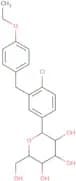
The H3F3B antibody is a highly reactive monoclonal antibody that is used in Life Sciences research. This antibody specifically targets the H3F3B protein, which is involved in various cellular processes such as glucose transport and actin filament formation. It can be used in experiments to study the expression and localization of H3F3B in different cell types and tissues.Dapagliflozin-d5
CAS:Dapagliflozin-d5 is a Dapagliflozin derivative that is an antibody fragment. It can be used as a research tool for studying protein interactions, ion channels, high purity, cell biology, and pharmacology. Dapagliflozin-d5 binds to the receptor and activates it by binding to the peptide ligand or inhibitor. This causes an alteration in the activity of the receptor. The CAS number for this compound is 1204219-80-6.Formula:C21H25ClO6Purity:Min. 95%Molecular weight:413.9 g/molKRTAP1-5 Blocking Peptide
A synthetic peptide for use as a blocking control in assays to test for specificity of KRTAP1-5 antibody, catalog no. 70R-10122Purity:Min. 95%NDST4 Blocking Peptide
A synthetic peptide for use as a blocking control in assays to test for specificity of NDST4 antibody, catalog no. 70R-7140Purity:Min. 95%CYM-5442
CAS:CYM-5442 is a colony-stimulating factor that has been shown to have a variety of effects on tissue culture. It has been shown to stimulate the growth of cells in vitro, and may be used for the treatment of autoimmune diseases, cardiac problems, and inflammatory bowel disease. CYM-5442 also acts as an acylation reaction with glucose regulation in the body and can stimulate serotonin reuptake inhibition. This drug is also thought to have activity against bowel diseases such as Crohn's disease, ulcerative colitis, or irritable bowel syndrome by inhibiting toll-like receptor 4 (TLR4).Formula:C23H27N3O4Purity:Min. 95%Molecular weight:409.48 g/molTACC3 antibody
The TACC3 antibody is a potent monoclonal antibody that specifically targets and neutralizes the activity of TACC3, a globulin glycoprotein involved in various cellular processes. This antibody has been extensively studied for its cytotoxic effects on cancer cells and its potential therapeutic applications. It has shown promising results in inhibiting tumor growth and inducing apoptosis in preclinical studies.S516
CAS:S516 is a potent anticancer agent that inhibits homologous recombination repair. It has been shown to have anti-tumor activity in vivo and in vitro. S516 has also been found to inhibit tumor vasculature, which may be due to its ability to induce the polymerization of DNA or its methylation by arginine. S516 is a polycyclic compound with a carbonyl group at position 516, which can form covalent bonds with the reactive groups on DNA during polymerization. The inhibition of homologous recombination repair leads to the accumulation of unrepaired double-stranded DNA breaks, leading to cell death.Formula:C21H19N5O4SPurity:Min. 95%Molecular weight:437.5 g/molGoat anti Rabbit IgG
Goat anti-rabbit IgG was raised in goat using rabbit IgG F(c) fragment as the immunogen.Purity:Min. 95%Plasmin-[AMC] substrate
vLK-[AMC], Plasmin fluorogenic substrate. Plasmin is an enzyme that plays a fundamental role in blood clot fibrinolysis. Plasmin acts as a proteolytic factor and is involved in cell migration, tissue remodelling, wound healing, inflammation, angiogenesis, embryogenesis and the degradation of extracellular matrix.Molecular weight:515.3 g/molMAT1A Blocking Peptide
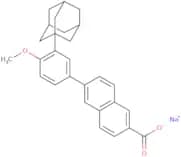
A synthetic peptide for use as a blocking control in assays to test for specificity of MAT1A antibody, catalog no. 70R-1172Purity:Min. 95%Adapalene sodium
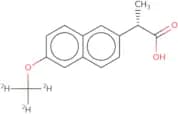
CAS:Controlled ProductAdapalene is a retinoid compound that can be used as a topical medication for the treatment of acne. Adapalene is colorless, but it can be readily identified by measuring its absorbance at 520 nm. This measurement can be used to assess the concentration of adapalene in a solution. Adapalene is also considered to be an excellent ligand and reagent, due to its colorimetric property.Formula:C28H27NaO3Purity:Min. 95%Molecular weight:434.5 g/mol(S)-Naproxen-d3
CAS:Controlled Product(S)-Naproxen-d3 is a potent and selective activator of the G protein-coupled receptors. It binds to the receptor with high affinity and specificity. (S)-Naproxen-d3 has been shown to inhibit cyclic AMP production in cells and can also inhibit intracellular Ca2+ release. This compound is a research tool that may be used to study the role of G protein-coupled receptors in cell signaling pathways.Formula:C14H11D3O3Purity:Min. 95%Molecular weight:233.28 g/mol5-Bromo-5-nitro-1,3-dioxane (powder)
Antimicrobial Bronidox powderFormula:C4H6BrNO4Purity:Min. 95%Molecular weight:212.0 g/molHPRT antibody
HPRT antibody was raised in Mouse using a purified recombinant fragment of HPRT expressed in E. coli as the immunogen.1,2-Dipalmitoyl-sn-glycero-3-o-4'-[N,N,N-trimethyl(d9)]-homoserine
CAS:Controlled Product1,2-Dipalmitoyl-sn-glycero-3-o-4'-[N,N,N-trimethyl(d9)]-homoserine is a peptide that is the product of the phospholipase D (PLD) reaction with palmitoyl CoA. It has been shown to be an activator of ion channels and ligand for receptors. 1,2-Dipalmitoyl-sn-glycero-3-o-4'-[N,N,N-[trimethyl(d9)]]-homoserine is also an antibody target and a research tool in cell biology. This compound is commercially available as a high purity reagent at CAS No. 2260669–85–8.Formula:C42H72D9NO7Purity:Min. 95%Molecular weight:721.15 g/molRASGRP2 antibody
The RASGRP2 antibody is a monoclonal antibody that targets the RAS guanine nucleotide-releasing protein 2 (RASGRP2). This protein is involved in signal transduction pathways and plays a crucial role in various cellular processes. The RASGRP2 antibody specifically recognizes and binds to RASGRP2, allowing for the detection and analysis of this protein in biological samples.
MTHFD1 antibody
MTHFD1 antibody was raised using a synthetic peptide corresponding to a region with amino acids CMAKTHLSLSHNPEQKGVPTGFILPIRDIRASVGAGFLYPLVGTMSTMPGElastase antibody
The 6-Fluoro-3-indoxyl-beta-D-galactopyranoside is a powerful antituberculosis drug from the rifamycin class. It is specifically designed to combat tuberculosis infections by targeting the active compounds responsible for bactericidal activity. Through its unique mechanism of action, this drug inhibits bacterial growth by binding to DNA-dependent RNA polymerase, preventing transcription and replication. Extensive research has shown its high efficacy against Mycobacterium tuberculosis strains, making it an essential weapon in the fight against tuberculosis. With its multiple metabolic transformations and specific binding properties, 6-Fluoro-3-indoxyl-beta-D-galactopyranoside offers a comprehensive solution for treating tuberculosis infections.cMyc antibody
The cMyc antibody is a highly specialized molecule drug used in Life Sciences research. It plays a crucial role in various biological processes, including cell proliferation, differentiation, and apoptosis. This antibody specifically targets the cMyc protein, which is involved in regulating gene expression.TGF beta 1 antibody
The TGF beta 1 antibody is a monoclonal antibody that specifically targets the growth factor TGF-beta 1. This antibody is reactive and can be used in various applications within the Life Sciences field. It has been shown to be effective in neutralizing the activity of TGF-beta 1, which plays a crucial role in cell proliferation, differentiation, and immune response regulation. The TGF beta 1 antibody is polymorphic, meaning it can recognize different forms of the target protein due to its specificity for specific epitopes. It has been successfully used in experiments involving imatinib-treated human serum samples, where it demonstrated its ability to detect activated TGF-beta 1. This antibody can be utilized in techniques such as immunoblotting and electrophoresis to study the expression and function of TGF-beta 1 in various biological systems.α Synuclein antibody
The alpha Synuclein antibody is a highly specialized antibody that targets the protein alpha synuclein. It has been shown to have vasoactive intestinal peptide (VIP) neutralizing properties, as well as the ability to inhibit interferon-gamma (IFN-gamma) and transferrin. This antibody can be used in various applications, including research in the life sciences field.Purity:Min. 95%SKF-83566
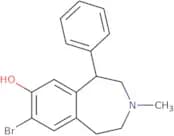
CAS:SKF-83566 is a synthetic compound that acts as a selective dopamine receptor D1 antagonist, derived from organic chemical synthesis. This compound effectively binds to dopamine D1 receptors, thereby inhibiting the physiological actions mediated by these receptors in the central nervous system (CNS). SKF-83566 is instrumental in research focusing on the dopaminergic system, allowing scientists to dissect the complex role of dopamine in neurobiological processes. Its ability to selectively block D1 receptors makes it an invaluable tool in the study of neurological disorders such as schizophrenia, Parkinson's disease, and addiction, where dopamine signaling plays a crucial role. Researchers employ SKF-83566 to investigate signal transduction pathways, receptor pharmacology, and the behavioral outcomes of altered dopaminergic activity. By modulating receptor activity, SKF-83566 contributes to our understanding of neurophysiological mechanisms and furthers the development of potential therapeutic approaches. Its precise interaction with D1 receptors provides clarity in experimental outcomes, shedding light on the nuanced dynamics of brain function and dysfunction.Formula:C17H18BrNOPurity:Min. 95%Molecular weight:332.2 g/molCD54 antibody
The CD54 antibody is a highly specific antigen-binding protein that belongs to the group of polyclonal and monoclonal antibodies. It is widely used in life sciences research for its ability to target and bind to CD54, also known as intercellular adhesion molecule-1 (ICAM-1). This glycoprotein plays a crucial role in cell-to-cell interactions and immune response modulation.C1D antibody
C1D antibody was raised in rabbit using the middle region of C1D as the immunogenPurity:Min. 95%Thrombomodulin protein
Thrombomodulin protein is a recombinant protein that has various characteristics and applications in the field of Life Sciences. It is commonly used for immobilization purposes, as well as in the study of proteins and antigens. Thrombomodulin protein has been shown to have neutralizing effects on interleukin-6 (IL-6), a cytokine involved in inflammation and immune response. Additionally, it can modulate fibrinogen levels and inhibit the activation of chemokines. Thrombomodulin protein has been extensively studied in human serum and has been found to contain specific amino acid residues that contribute to its anticoagulant properties. In the field of Life Sciences, it is often used as an IL-6 antagonist and TNF-α inhibitor.
Purity:Min. 95%



![(3R)-1-[4-Methyl-5-[6-(trifluoromethyl)-1H-indazol-4-yl]pyrimidin-2-yl]pyrrolidin-3-ol](/_next/image/?url=https%3A%2Fstatic.cymitquimica.com%2Fproducts%2F3D%2Fthumb-webp%2FEIC29921.webp&w=3840&q=75)
















![7-(2-Carboxyethyl)-5,5-difluoro-1,3-dimethyl-5h-dipyrrolo[1,2-c:2',1'-f][1,3,2]diazaborinin-4-ium-…](/_next/image/?url=https%3A%2Fstatic.cymitquimica.com%2Fproducts%2F3D%2Fthumb-webp%2FFC153290.webp&w=3840&q=75)
![(2E,4E)-N-[2-(3,4-Dimethoxyphenyl)ethyl]dodeca-2,4-dienamide](/_next/image/?url=https%3A%2Fstatic.cymitquimica.com%2Fproducts%2F3D%2Fthumb-webp%2FIJD10073.webp&w=3840&q=75)













![Plasmin-[AMC] substrate](/_next/image/?url=https%3A%2Fstatic.cymitquimica.com%2Fproducts%2F3D%2Fthumb-webp%2FCRB1100385.webp&w=3840&q=75)






![1,2-Dipalmitoyl-sn-glycero-3-o-4'-[N,N,N-trimethyl(d9)]-homoserine](/_next/image/?url=https%3A%2Fstatic.cymitquimica.com%2Fproducts%2F3D%2Fthumb-webp%2FKQD66985.webp&w=3840&q=75)