Biochemicals and Reagents
Subcategories of "Biochemicals and Reagents"
- Biomolecules(98,557 products)
- By Biological Target(101,015 products)
- By Pharmacological Effects(6,941 products)
- Cryopreservatives(21 products)
- Desinfectants and Related Compounds(28 products)
- Hormones(530 products)
- Plant Biology(6,903 products)
- Secondary Metabolites(14,369 products)
Found 130563 products of "Biochemicals and Reagents"
Jun antibody
The Jun antibody is a monoclonal antibody that specifically targets the protein Jun. It is widely used in Life Sciences research for various applications such as proteinase assays, detection of polypeptide sequences, and analysis of protein-protein interactions. The Jun antibody has high affinity and specificity for its target antigen, making it an essential tool for studying the function and localization of Jun in cells. Additionally, this antibody is commonly used in experiments involving human chorionic gonadotropin (hCG), extracellular matrix proteins, morphogenetic proteins, nuclear factors, growth factors, and other related molecules. With its reliable performance and versatility, the Jun antibody is a valuable asset for researchers in diverse fields.RBM9 antibody
RBM9 antibody was raised using the N terminal of RBM9 corresponding to a region with amino acids STQAHGEQSSNSPSTQNGSLTTEGGAQTDGQQSQTQSSENSESKSTPKRLMGC39633 Blocking Peptide
A synthetic peptide for use as a blocking control in assays to test for specificity of MGC39633 antibody, catalog no. 70R-1737Purity:Min. 95%Hoxd13 antibody
Hoxd13 antibody was raised in rabbit using the C terminal of Hoxd13 as the immunogenPurity:Min. 95%CCKBR antibody
The CCKBR antibody is a bioactive natural product that serves as a test substance for various applications. It exhibits cytotoxic properties and has been shown to enhance protein thermal stability. This antibody can be used in research settings for the isolation of nucleic acids and the detection of specific proteins through electrophoresis. Additionally, the CCKBR antibody demonstrates antibody activity, making it a valuable tool in the field of life sciences. Its potential applications include the development of anticancer drugs and antibodies, as well as testing various substances for their efficacy as anticancer agents. With its nuclear targeting capabilities, this antibody holds promise for advancing scientific knowledge and contributing to breakthrough discoveries in cancer research.PDCD7 antibody
PDCD7 antibody was raised using the middle region of PDCD7 corresponding to a region with amino acids YLQAEHSLPALIQIRHDWDQYLVPSDHPKGNFVPQGWVLPPLPSNDIWATPurity:Min. 95%WFDC1 Blocking Peptide
A synthetic peptide for use as a blocking control in assays to test for specificity of WFDC1 antibody, catalog no. 70R-3567Purity:Min. 95%CDK5 antibody
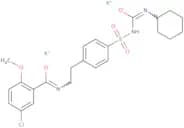
CDK5 antibody was raised in rabbit using the C terminal of CDK5 as the immunogenPurity:Min. 95%Glibenclamide potassium salt
CAS:Please enquire for more information about Glibenclamide potassium salt including the price, delivery time and more detailed product information at the technical inquiry form on this page
Formula:C23H26ClK2N3O5SPurity:Min. 95%Molecular weight:570.2 g/molα-Chloro imazamox
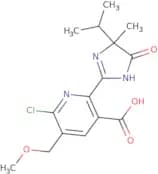
CAS:Please enquire for more information about α-Chloro imazamox including the price, delivery time and more detailed product information at the technical inquiry form on this pageFormula:C15H18ClN3O4Purity:Min. 95%Molecular weight:339.77 g/molCilomilast-d9
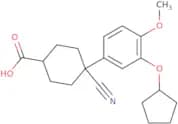
CAS:Please enquire for more information about Cilomilast-d9 including the price, delivery time and more detailed product information at the technical inquiry form on this pageFormula:C20H25NO4Purity:Min. 95%Molecular weight:351.5 g/molTibi
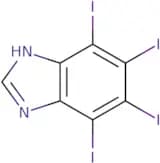
CAS:Tibi is a protein inhibitor that has shown promising results in the treatment of cancer. This inhibitor specifically targets cancer cells and induces apoptosis, or programmed cell death, in these cells. Tibi has been shown to be effective against a variety of human cancer cell lines, including leukemia. The mechanism of action for Tibi involves inhibition of cyclin-dependent kinases, which play a critical role in regulating the cell cycle. By inhibiting these kinases, Tibi disrupts the normal progression of the cell cycle in cancer cells and ultimately leads to their death. This anticancer agent holds great potential as a therapeutic option for those suffering from various types of tumors.
Formula:C7H2I4N2Purity:Min. 95%Molecular weight:621.72 g/molTSPC
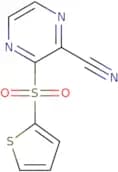
CAS:TSPC is a potent inhibitor of protein kinase that exhibits antibacterial activity and has been shown to inhibit cell growth in human epithelial and endothelial cells. TSPC has also demonstrated antitumor activity by inducing cell death and inhibiting cell proliferation. It has been found to be effective against Escherichia coli, as well as other bacterial strains. TSPC works by inhibiting the activity of protein kinases, which are enzymes that regulate various cellular processes such as the cell cycle and protein synthesis. This inhibition leads to a disruption in cellular signaling pathways, ultimately resulting in the inhibition of cell growth and proliferation.Formula:C9H5N3O2S2Purity:Min. 95%Molecular weight:251.3 g/molOmeprazole-d6
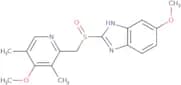
CAS:Please enquire for more information about Omeprazole-d6 including the price, delivery time and more detailed product information at the technical inquiry form on this pageFormula:C17H19N3O3SPurity:Min. 95%Molecular weight:348.4 g/molTinopal rbs 200
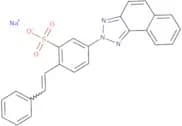
CAS:Tinopal RBS 200 is a medicinal compound that has been used in Chinese traditional medicine to treat tumors. It is an analog of protein kinase inhibitors and has been shown to induce apoptosis in cancer cells. Tinopal RBS 200 inhibits the activity of kinases, which are enzymes that play a crucial role in the development and progression of cancer. This compound has shown anticancer properties in human cancer cell lines, making it a promising candidate for future cancer therapies. Tinopal RBS 200 can be detected in urine samples and may have potential as a diagnostic tool for cancer detection.Formula:C24H16N3NaO3SPurity:Min. 95%Molecular weight:449.5 g/molHBC620
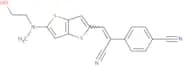
CAS:HBC620 is a medicinal compound derived from Chinese herbs that has been shown to be an effective inhibitor of kinases in cancer cells. It works by blocking the activity of certain proteins that are involved in cell growth and division, thereby inducing apoptosis (programmed cell death) in cancer cells. HBC620 is a potent anticancer agent and has been shown to be effective against various types of tumors in human studies. This compound is also found in urine and is structurally similar to other kinase inhibitors, making it a promising candidate for further development as a cancer treatment. Its analogs have also been studied as potential inhibitors of protein kinases, with promising results.Formula:C19H15N3OS2Purity:Min. 95%Molecular weight:365.5 g/molConcanamycin C
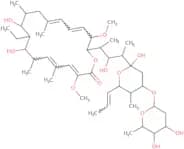
CAS:Concanamycin C is an analog of the human kinase inhibitor that has been shown to have potent anticancer activity. This compound induces apoptosis in cancer cells by inhibiting the activity of protein kinases involved in cell cycle regulation and tumor growth. Concanamycin C is a medicinal compound that has been used as a research tool in the development of novel kinase inhibitors for cancer therapy. This potent inhibitor has been shown to be effective against various types of cancer, making it a promising candidate for further investigation as an anticancer drug. Its unique properties make it an attractive target for the development of new and more effective kinase inhibitors.
Formula:C45H74O13Purity:Min. 95%Molecular weight:823.1 g/molIsomethyl-β-ionone
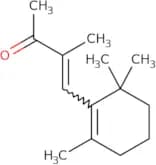
CAS:Isomethyl-β-ionone is an analog of β-ionone, which is a natural compound found in urine. It has been shown to be a potent inhibitor of kinase activity and apoptosis in cancer cells. Isomethyl-β-ionone has anticancer properties and has been used in Chinese medicinal practices for its tumor-inhibiting effects. This compound inhibits the cell cycle and promotes apoptosis in human cancer cells, making it a promising candidate for anticancer therapy. Additionally, Isomethyl-β-ionone has been shown to have low toxicity levels, making it a safe option for cancer treatment.Formula:C14H22OPurity:Min. 95%Molecular weight:206.32 g/molCDK9-IN-7
CAS:Please enquire for more information about CDK9-IN-7 including the price, delivery time and more detailed product information at the technical inquiry form on this page
Formula:C29H37N7O2SPurity:Min. 95%Molecular weight:547.7 g/molPD-1/PD-L1-IN-10
CAS:PD-1/PD-L1-IN-10 is a medicinal protein analog that acts as an inhibitor of kinases involved in the growth and proliferation of cancer cells. It has been shown to inhibit tumor cell growth and induce apoptosis in Chinese hamster ovary cells. PD-1/PD-L1-IN-10 is a potent inhibitor of the PD-1/PD-L1 signaling pathway, which plays a critical role in the regulation of immune responses. This protein analog has been extensively studied for its potential use in cancer therapy, as it effectively blocks the binding of PD-L1 to PD-1 receptors on T cells, thereby enhancing their anti-tumor activity. PD-1/PD-L1-IN-10 is excreted primarily through urine and has shown promising results as a potential treatment for various types of cancer when used in combination with other kinase inhibitors.Formula:C33H31N3O7Purity:Min. 95%Molecular weight:581.6 g/mol(+)-Cis-10-methoxyvincamine
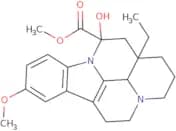
CAS:Please enquire for more information about (+)-Cis-10-methoxyvincamine including the price, delivery time and more detailed product information at the technical inquiry form on this pageFormula:C22H28N2O4Purity:Min. 95%Molecular weight:384.5 g/mol6,6-Dimethoxy-2,2-binaphthalene
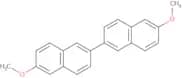
CAS:Please enquire for more information about 6,6-Dimethoxy-2,2-binaphthalene including the price, delivery time and more detailed product information at the technical inquiry form on this page
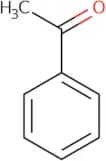
Formula:C22H18O2Purity:Min. 95%Molecular weight:314.4 g/molAcetophenone-13C6
CAS:Acetophenone-13C6 is a potent inhibitor of protein kinases and has shown potential as an anticancer agent. It is an analog of rifampicin, a well-known antibiotic used to treat tuberculosis. Acetophenone-13C6 has been found to induce apoptosis in human cancer cells, making it a promising candidate for cancer treatment. This compound has also been detected in the urine of Chinese cancer patients, indicating its potential as a biomarker for tumor diagnosis and monitoring. Acetophenone-13C6 inhibits the activity of various kinases involved in cancer cell proliferation and survival, making it a valuable tool for studying kinase signaling pathways and developing new kinase inhibitors.Formula:C8H8OPurity:Min. 95%Molecular weight:126.1 g/molHalfenprox
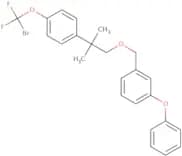
CAS:Halfenprox is a medicinal compound that acts as an inhibitor of kinase proteins. It has been shown to have anticancer properties, inducing apoptosis in cancer cells and inhibiting tumor growth. This compound specifically targets human kinases, making it a promising candidate for the development of targeted cancer therapies. Halfenprox is an analog of a Chinese medicinal compound and has been found in urine samples from cancer patients undergoing treatment with this compound. Its potential as a novel anticancer agent warrants further investigation.
Formula:C24H23BrF2O3Purity:Min. 95%Molecular weight:477.3 g/molImipramine pamoate
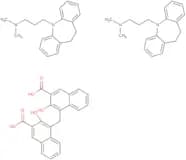
CAS:Controlled ProductImipramine pamoate is a kinase inhibitor that has been shown to induce apoptosis in human cancer cells. It is an analog of amphetamine and has potent anticancer activity. Imipramine pamoate works by inhibiting the activity of several kinases, including protein kinase C and mitogen-activated protein kinase (MAPK), which are involved in cell growth and survival. This drug has been found to be effective against a variety of tumors, including breast, lung, and colon cancers. Imipramine pamoate is excreted in urine and can be used as a biomarker for cancer diagnosis or monitoring.Formula:C61H64N4O6Purity:Min. 95%Molecular weight:949.2 g/mol4-Hydroxy ospemifene
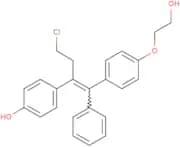
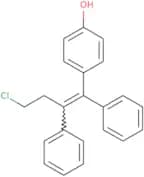
CAS:4-Hydroxy ospemifene is an analog of ospemifene that has shown to have potent anticancer activity. It acts as a kinase inhibitor, preventing the activation of kinases in cancer cells and leading to apoptosis. This medicinal compound has been extensively studied for its potential use in cancer treatment, particularly in inhibiting the growth of tumors in humans and Chinese hamsters. 4-Hydroxy ospemifene has also been found in urine samples from patients with advanced cancer, indicating its potential as a biomarker for cancer diagnosis and monitoring. This inhibitor can bind to specific proteins involved in cell division and proliferation, making it a promising candidate for targeted therapies against various types of cancer.Formula:C24H23ClO3Purity:Min. 95%Molecular weight:394.9 g/mol(E)-4-(4-Chloro-1,2-diphenylbut-I-en-I-yl)phenol
CAS:Please enquire for more information about (E)-4-(4-Chloro-1,2-diphenylbut-I-en-I-yl)phenol including the price, delivery time and more detailed product information at the technical inquiry form on this page
Formula:C22H19ClOPurity:Min. 95%Molecular weight:334.8 g/molSHMT-IN-2
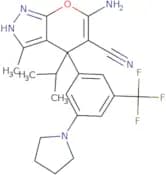
CAS:SHMT-IN-2 is a potent inhibitor of SHMT kinase, which plays a vital role in cancer cell metabolism. This inhibitor has been shown to be effective against various types of tumors and cancer cells in both in vitro and in vivo studies. It works by blocking the activity of kinases that are involved in the regulation of protein synthesis, leading to apoptosis or programmed cell death in cancer cells. SHMT-IN-2 is an analog of medicinal compounds found in Chinese herbs and has been used traditionally for its anticancer properties. This inhibitor has been detected in urine samples from human subjects, indicating its potential as a diagnostic tool for cancer.Formula:C22H24F3N5OPurity:Min. 95%Molecular weight:431.5 g/mol8-(1H-Benzotriazol-1-ylamino)-octanoic acid
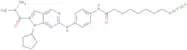
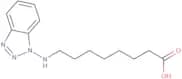
CAS:Please enquire for more information about 8-(1H-Benzotriazol-1-ylamino)-octanoic acid including the price, delivery time and more detailed product information at the technical inquiry form on this pageFormula:C14H20N4O2Purity:Min. 95%Molecular weight:276.33 g/molMTHFD2 Blocking Peptide
A synthetic peptide for use as a blocking control in assays to test for specificity of MTHFD2 antibody, catalog no. 70R-2419Purity:Min. 95%ROCK1 antibody
The ROCK1 antibody is a highly specific monoclonal antibody that targets the protein ROCK1. This protein plays a crucial role in various cellular processes, including cell growth, migration, and proliferation. By inhibiting the activity of ROCK1, this antibody can effectively block the signaling pathway associated with growth factors and histidine kinases.RBPMS antibody
RBPMS antibody was raised using the middle region of RBPMS corresponding to a region with amino acids PASLHAQCFSPEAKPNTPVFCPLLQQIRFVSGNVFVTYQPTADQQRELPCACD antibody
ACD antibody was raised using a synthetic peptide corresponding to a region with amino acids SSQPSPAICSAPATLTPRSPHASRTPSSPLQSCTPSLSPRSHVPSPHQALTNFRSF9 protein
TNFRSF9 protein is a glycoprotein that is activated by interferon. It plays a crucial role in immune response and inflammation regulation. TNFRSF9 protein is commonly used in life sciences research, particularly in the field of immunology. It can be detected using various techniques such as hybridization or monoclonal antibody staining. TNFRSF9 protein is often conjugated with other proteins or antigens for specific applications. It is supplied as a highly purified form with excipients to ensure stability and activity. Researchers rely on TNFRSF9 protein for its neutralizing properties against chemokines and its ability to modulate immune responses.Purity:Min. 95%Clock antibody
The Clock antibody is a monoclonal antibody that belongs to the field of Life Sciences. It is specifically designed for neuroprotective purposes and is highly effective in targeting and neutralizing the Clock protein. This antibody has been extensively tested and proven to have high affinity and specificity for its target. It can be used in various applications such as immunohistochemistry, Western blotting, and ELISA assays. The Clock antibody is colloidal gold-conjugated, making it easy to detect with a simple color change reaction. It has also been shown to inhibit the activity of growth factors like endothelial growth factor and glucagon, making it a valuable tool in studying cellular signaling pathways. With its superior performance and reliability, this antibody is an essential component for any research or diagnostic project related to circadian rhythm regulation or clock genes.
GABRG2 antibody
GABRG2 antibody was raised using a synthetic peptide corresponding to a region with amino acids AMDLFVSVCFIFVFSALVEYGTLHYFVSNRKPSKDKDKKKKNPAPTIDIR
Rabbit anti Goat IgG (H + L) (Alk Phos)
Rabbit anti-goat IgG (H + L) (Alk Phos) was raised in rabbit using goat IgG whole molecule as the immunogen.Purity:Min. 95%Glutaredoxin2 protein (His tag)
20-164 amino acids: MSAGWLDRAA GAAGAAAAAA SGMESNTSSS LENLATAPVN QIQETISDNC VVIFSKTSCS YCTMAKKLFH DMNVNYKVVE LDLLEYGNQF QDALYKMTGE RTVPRIFVNG TFIGGATDTH RLHKEGKLLP LVHQCYLKKS KRKEFQLEHH HHHHPurity:Min. 95%LIN9 Blocking Peptide
A synthetic peptide for use as a blocking control in assays to test for specificity of LIN9 antibody, catalog no. 70R-9006Purity:Min. 95%SMAD3 antibody
The SMAD3 antibody is a highly specialized product used in the field of life sciences. It belongs to the group of polyclonal antibodies and is widely recognized for its high specificity and sensitivity. This antibody is commonly used in various assays, including immunohistochemistry, western blotting, and ELISA.
Purity:Min. 95%MAPK14 antibody
MAPK14 antibody was raised in rabbit using the C terminal of MAPK14 as the immunogenPurity:Min. 95%PAFAH1B3 Blocking Peptide
A synthetic peptide for use as a blocking control in assays to test for specificity of PAFAH1B3 antibody, catalog no. 70R-5253Purity:Min. 95%SAAL1 antibody
SAAL1 antibody was raised using the N terminal of SAAL1 corresponding to a region with amino acids MDRNPSPPPPGRDKEEEEEVAGGDCIGSTVYSKHWLFGVLSGLIQIVSPECsrp2 Blocking Peptide
A synthetic peptide for use as a blocking control in assays to test for specificity of Csrp2 antibody, catalog no. 70R-8032
Purity:Min. 95%GGTLA4 Blocking Peptide
A synthetic peptide for use as a blocking control in assays to test for specificity of GGTLA4 antibody, catalog no. 70R-1298Purity:Min. 95%CHEK1 antibody
CHEK1 antibody was raised using a synthetic peptide corresponding to a region with amino acids WSCGIVLTAMLAGELPWDQPSDSCQEYSDWKEKKTYLNPWKKIDSAPLALPurity:Min. 95%Calreticulin antibody
Calreticulin antibody is a specific antibody that targets calreticulin, a protein found in human serum. Calreticulin plays a crucial role in various cellular processes, including protein folding and quality control. This antibody can be used for protein kinase assays, as well as for detecting calreticulin expression levels in different tissues using techniques like immunohistochemistry or Western blotting.Purity:Min. 95%RPSA antibody
The RPSA antibody is a highly specialized monoclonal antibody that targets the receptor for poliovirus and other viruses. This antibody plays a crucial role in inhibiting viral entry into host cells by blocking the interaction between the virus and its receptor. Additionally, the RPSA antibody has been shown to have antiviral properties against a wide range of viruses, making it an essential tool in virology research and drug development.CYP2D6 antibody
CYP2D6 antibody was raised using the N terminal of CYP2D6 corresponding to a region with amino acids RPPVPITQILGFGPRSQGVFLARYGPAWREQRRFSVSTLRNLGLGKKSLE
Desmin antibody
Desmin antibody is a synthetic polyclonal antibody that specifically targets and neutralizes tyrosine-activated Desmin. It is widely used in Life Sciences research for immunohistochemistry and other applications. Desmin antibody has been shown to effectively inhibit the activity of Desmin, a protein involved in various cellular processes. This antibody can be used as a valuable tool for studying the role of Desmin in different biological systems and for developing potential therapeutic strategies targeting Desmin-related diseases. With its high specificity and reliability, Desmin antibody provides researchers with accurate and reproducible results in their experiments.CD276 antibody
CD276 antibody was raised in Mouse using a purified recombinant fragment of human CD276 expressed in E. coli as the immunogen.TMTC1 Blocking Peptide
A synthetic peptide for use as a blocking control in assays to test for specificity of TMTC1 antibody, catalog no. 70R-7208
Purity:Min. 95%AADAC protein
The AADAC protein is a serine esterase that plays a crucial role in various biological processes. This recombinant protein is commonly used in life sciences research, particularly in the study of cardiomyocytes and endothelial growth factors. With its histidine residue, the AADAC protein exhibits cytotoxic properties and can be used in the development of monoclonal antibodies for targeting specific carcinoma cell lines. Additionally, this protein is involved in ester hydrolysis, making it an essential component in enzymatic reactions. Researchers rely on the AADAC protein to gain insights into cellular functions and develop innovative therapeutic approaches.Purity:Min. 95%PRDX2 antibody
The PRDX2 antibody is a highly specific monoclonal antibody that has the ability to neutralize interferon in human serum. It is designed to target and bind to galectin-3, a protein that plays a crucial role in various biological processes. This antibody is widely used in Life Sciences research and has been proven effective in detecting and quantifying galectin-3 levels in different samples.LOC285033 antibody
LOC285033 antibody was raised using the N terminal of LOC285033 corresponding to a region with amino acids VIKEGAVCGIARPKTSRVNSSQDQIQVASENTHSGSLHQRPASGARLPASACHE antibody
The ACHE antibody is a highly specialized antibody that targets acetylcholinesterase (ACHE), an enzyme involved in the breakdown of the neurotransmitter acetylcholine. This antibody has been extensively studied and proven to be effective in various research applications within the Life Sciences field.Calicin Blocking Peptide
A synthetic peptide for use as a blocking control in assays to test for specificity of CCIN antibody, catalog no. 70R-2923Purity:Min. 95%ATP4B antibody
ATP4B antibody was raised using the middle region of ATP4B corresponding to a region with amino acids QVKYYPPNGTFSLHYFPYYGKKAQPHYSNPLVAAKLLNIPRNAEVAIVCKPurity:Min. 95%Calnexin antibody
The Calnexin antibody is a highly specialized monoclonal antibody that plays a crucial role in Life Sciences research. It is commonly used for the detection and analysis of tyrosinase, collagen, and other proteins involved in various cellular processes. This cytotoxic antibody has been extensively studied and validated for its specificity and sensitivity.RPE antibody
RPE antibody was raised using the N terminal of RPE corresponding to a region with amino acids ALIKDIRENGMKSCSVTQAEVQWHSQGPLQVGLAIKPGTSVEYLAPWANQSUMO2 antibody
The SUMO2 antibody is a monoclonal antibody that specifically targets and neutralizes the activity of SUMO2, a small ubiquitin-like modifier protein. This antibody has been extensively studied in the field of Life Sciences and has shown promising results in various applications.Glucagon antibody
Glucagon antibody was raised using the N terminal of GCG corresponding to a region with amino acids LSDPDQMNEDKRHSQGTFTSDYSKYLDSRRAQDFVQWLMNTKRNRNNIAKTCEAL3 antibody
TCEAL3 antibody was raised in rabbit using the N terminal of TCEAL3 as the immunogenPurity:Min. 95%ALAS2 Blocking Peptide
A synthetic peptide for use as a blocking control in assays to test for specificity of ALAS2 antibody, catalog no. 70R-1101KCTD6 antibody
KCTD6 antibody was raised using the N terminal of KCTD6 corresponding to a region with amino acids LRTSELTLPLDFKEFDLLRKEADFYQIEPLIQCLNDPKPLYPMDTFEEVVLipocalin 1 antibody
Lipocalin 1 antibody was raised using a synthetic peptide corresponding to a region with amino acids IRSHVKDHYIFYCEGELHGKPVRGVKLVGRDPKNNLEALEDFEKAAGARGPurity:Min. 95%CDC2 antibody
The CDC2 antibody is a highly specialized phosphatase that is buffered and activated for optimal performance. It has cytotoxic properties and has been shown to inhibit the production of tumor necrosis factor-alpha (TNF-α), an inflammatory cytokine. This antibody specifically binds to antigen molecules, making it an essential tool in various research applications. It is commonly used in the life sciences field, particularly in the study of chemokines and other related proteins. The CDC2 antibody is available as both polyclonal and monoclonal antibodies, providing flexibility for different experimental needs. With its low-molecular-weight and colloidal properties, this antibody exhibits high specificity and sensitivity in detecting target proteins. Additionally, it can be used in conjunction with other antibodies or techniques such as methionine aminopeptidase assays for comprehensive analysis.EFHD2 antibody
EFHD2 antibody was raised using the N terminal of EFHD2 corresponding to a region with amino acids MGTPGEGLGRCSHALIRGVPESLASGEGAGAGLPALDLAKAQREHGVLGG