Biochemicals and Reagents
Subcategories of "Biochemicals and Reagents"
- Biomolecules(98,557 products)
- By Biological Target(101,015 products)
- By Pharmacological Effects(6,941 products)
- Cryopreservatives(21 products)
- Desinfectants and Related Compounds(28 products)
- Hormones(530 products)
- Plant Biology(6,903 products)
- Secondary Metabolites(14,371 products)
Found 130589 products of "Biochemicals and Reagents"
ZNF460 Blocking Peptide
A synthetic peptide for use as a blocking control in assays to test for specificity of ZNF460 antibody, catalog no. 70R-8930Purity:Min. 95%Thiabendazole antibody
Thiabendazole antibody is a monoclonal antibody that specifically binds to thiabendazole, a broad-spectrum antiparasitic drug. It targets the binding proteins of thiabendazole and inhibits its action on the kinase receptor. This antibody can be used in immunohistochemistry studies to detect the presence of thiabendazole in tissues. Additionally, it has been shown to inhibit the activity of phosphatase enzymes, which play a role in cellular signaling pathways. The cytotoxic effects of thiabendazole can be neutralized by this antibody, making it a valuable tool in research and diagnostics. Polyclonal antibodies against thiabendazole are also available for various applications in life sciences. These antibodies can specifically recognize thiabendazole and its metabolites, allowing for accurate detection and quantification. Whether you are studying the mechanism of action of thiabendazole or developing diagnostic assays, these antibodies are essential tools for your research.Purity:Min. 95%MAP Kinase antibody
The MAP Kinase antibody is a basic protein that plays a crucial role in various cellular processes. It is a monoclonal antibody specifically designed to target the mitogen-activated protein (MAP) kinase pathway. This pathway is involved in signal transduction and regulates important cellular functions such as cell proliferation, differentiation, and survival.KCNC4 antibody
KCNC4 antibody was raised using the middle region of KCNC4 corresponding to a region with amino acids NIDRNVTEILRVGNITSVHFRREVETEPILTYIEGVCVLWFTLEFLVRIVPurity:Min. 95%PRKAB2 antibody
PRKAB2 antibody was raised using the middle region of PRKAB2 corresponding to a region with amino acids RDLSSSPPGPYGQEMYAFRSEERFKSPPILPPHLLQVILNKDTNISCDPAS100A9 antibody
The S100A9 antibody is a highly specialized monoclonal antibody used in the field of Life Sciences. It is designed to target and neutralize the activity of S100A9 protein, which is known to be involved in various cellular processes. This antibody has been extensively studied and proven to be effective in inhibiting the growth factor activity of S100A9. It can be used as a valuable tool in research studies focusing on androgen inhibitors, as well as in the development of therapeutics targeting this specific protein. The S100A9 antibody is available in both monoclonal and polyclonal forms, providing researchers with options for their specific experimental needs. With its high specificity and reliability, this antibody is an essential component in any study involving S100A9 protein.BLVRB antibody
BLVRB antibody was raised using the middle region of BLVRB corresponding to a region with amino acids GLKYVAVMPPHIGDQPLTGAYTVTLDGRGPSRVISKHDLGHFMLRCLTTDFCRL4 Blocking Peptide
A synthetic peptide for use as a blocking control in assays to test for specificity of FCRL4 antibody, catalog no. 70R-7228Purity:Min. 95%ALAD antibody
ALAD antibody was raised using the N terminal of ALAD corresponding to a region with amino acids QPQSVLHSGYFHPLLRAWQTATTTLNASNLIYPIFVTDVPDDIQPITSLP
PTDSS2 Blocking Peptide
A synthetic peptide for use as a blocking control in assays to test for specificity of PTDSS2 antibody, catalog no. 70R-8841Purity:Min. 95%ATG3 antibody
ATG3 antibody was raised in rabbit using the middle region of ATG3 as the immunogenPurity:Min. 95%C9orf64 antibody
C9orf64 antibody was raised in rabbit using the C terminal of C9orf64 as the immunogen
LRRC14 Blocking Peptide
A synthetic peptide for use as a blocking control in assays to test for specificity of LRRC14 antibody, catalog no. 70R-8048Purity:Min. 95%IFNGR2 antibody
IFNGR2 antibody was raised in mouse using human interferon gamma receptor chain 2 as the immunogen.ACVRL1 antibody
ACVRL1 antibody was raised using the N terminal of ACVRL1 corresponding to a region with amino acids SPHCKGPTCRGAWCTVVLVREEGRHPQEHRGCGNLHRELCRGRPTEFVNHPurity:Min. 95%GALNT6 Blocking Peptide
A synthetic peptide for use as a blocking control in assays to test for specificity of GALNT6 antibody, catalog no. 70R-7465Purity:Min. 95%Catenin antibody
Catenin antibody was raised using a synthetic peptide corresponding to a region with amino acids QTIWGYKELRKPLEKEGWKKSDFQVNLNNASRSQSSHSYDDSTLPLIDRNALDOA antibody
The ALDOA antibody is a highly specialized antibody used in the field of Life Sciences. It is designed to target and neutralize the activity of serine protease ALDOA, which plays a crucial role in various biological processes. This antibody is capable of binding to ALDOA dimers and inhibiting their function.N-Cadherin antibody
The N-Cadherin antibody is a cationic derivative that plays a crucial role in various biological processes. It acts as a receptor for epidermal growth factor and is involved in cell adhesion and signaling pathways. This polyclonal antibody is specifically designed to target N-Cadherin, neutralizing its activity and allowing for further investigation into its function.Purity:Min. 95%SPAG16 antibody
The SPAG16 antibody is a highly valuable protein in the field of Life Sciences. It is a polypeptide reagent that is widely used as a detection reagent for various biomarkers. Polyclonal Antibodies generated against SPAG16 have proven to be effective in inhibiting the activity of this protein, making them an essential tool in research and diagnostics. These antibodies can be used to detect and quantify SPAG16 levels in biological samples, making them valuable biomarker detection reagents. Additionally, they have been utilized to identify autoantibodies targeting SPAG16, which can provide important insights into autoimmune diseases and serve as potential therapeutic targets. The SPAG16 antibody plays a crucial role in advancing our understanding of cellular processes and has the potential to contribute significantly to the development of new medicines and treatments.C2ORF33 antibody
C2ORF33 antibody was raised using the C terminal Of C2Orf33 corresponding to a region with amino acids VVDAASLRRQIIKLNRRLQLLEEENKERAKREMVMYSITVAFWLLNSWLWPurity:Min. 95%NK1R antibody
The NK1R antibody is a highly effective medicament that belongs to the group of polyclonal antibodies. It is widely used in the field of Life Sciences for its exceptional properties. This antibody specifically targets and binds to the Neurokinin 1 receptor (NK1R), which plays a crucial role in various physiological processes. The binding of the NK1R antibody to its target leads to a cascade of events, including the inhibition of lectins and calmodulin, as well as the activation of growth factors and collagen synthesis.EGFR antibody
The EGFR antibody is a protein-based product that plays a crucial role in the field of Life Sciences. It is a monoclonal antibody that specifically targets the epidermal growth factor receptor (EGFR), an important growth factor involved in various cellular processes. This antibody has been extensively used in research and diagnostic applications.RXRA antibody
RXRA antibody was raised using the C terminal of RXRA corresponding to a region with amino acids MDKTELGCLRAIVLFNPDSKGLSNPAEVEALREKVYASLEAYCKHKYPEQTBC1D13 antibody
TBC1D13 antibody was raised using the middle region of TBC1D13 corresponding to a region with amino acids FLLLVCCAMLMLIREQLLEGDFTVNMRLLQDYPITDVCQILQKAKELQDSB3GNT7 antibody
B3GNT7 antibody was raised using the N terminal of B3GNT7 corresponding to a region with amino acids QFLFYRHCRYFPMLLNHPEKCRGDVYLLVVVKSVITQHDRREAIRQTWGRPurity:Min. 95%Rabbit anti Rat IgG (H + L) (Fab'2) (HRP)
Rabbit anti-rat IgG (H+L) (Fab'2) (HRP) was raised in rabbit using rat IgG, whole molecule as the immunogen.Purity:Min. 95%BIN2 antibody
The BIN2 antibody is a powerful tool used in Life Sciences research. It is a polyclonal antibody that specifically targets the fatty acid-binding protein known as BIN2. This protein plays a crucial role in various biological processes, including epidermal growth and the regulation of alpha-fetoprotein.Pex2 antibody
Pex2 antibody was raised in rabbit using the C terminal of Pex2 as the immunogenPurity:Min. 95%RFP antibody
The RFP antibody is a highly specialized monoclonal antibody used in Life Sciences research. It is designed to specifically target and bind to the RFP protein, also known as red fluorescent protein. This antibody can be used for various applications, including immunofluorescence staining, Western blotting, and flow cytometry.nNOS antibody
nNOS antibody was raised in rabbit using residues 19-31 [PRKGPPLPNGDTEC] of NOS as the immunogen.Purity:Min. 95%GMF beta protein
Region of GMF beta protein corresponding to amino acids SESLVVCDVA EDLVEKLRKF RFRKETNNAA IIMKIDKDKR LVVLDEELEG ISPDELKDEL PERQPRFIVY SYKYQHDDGR VSYPLCFIFS SPVGCKPEQQ MMYAGSKNKL VQTAELTKVF EIRNTEDLTE EWLREKLGFF H.Purity:Min. 95%RUFY1 antibody
The 6-Fluoro-3-indoxyl-beta-D-galactopyranoside is a powerful antituberculosis drug belonging to the class of rifamycins. It is known for its bactericidal activity against tuberculosis infection and has been extensively studied using advanced techniques like transcription-quantitative polymerase chain and patch-clamp technique. This active compound exhibits oxidative metabolites and undergoes hydrolysis by esterases, reduction by glutathione reductase, and oxidation by cytochrome p450 enzymes. It specifically targets Mycobacterium tuberculosis strains and inhibits cell growth in culture.Goat RBC antibody (Texas Red)
Goat RBC antibody (Texas Red) was raised in rabbit using goat erythrocytes as the immunogen.MAPK1 protein (His tag)
1-360 amino acids: MGSSHHHHHH SSGLVPRGSH MAAAAAAGAG PEMVRGQVFD VGPRYTNLSY IGEGAYGMVC SAYDNVNKVR VAIKKISPFE HQTYCQRTLR EIKILLRFRH ENIIGINDII RAPTIEQMKD VYIVQDLMET DLYKLLKTQH LSNDHICYFL YQILRGLKYI HSANVLHRDL KPSNLLLNTT CDLKICDFGL ARVADPDHDH TGFLTEYVAT RWYRAPEIML NSKGYTKSID IWSVGCILAE MLSNRPIFPG KHYLDQLNHI LGILGSPSQE DLNCIINLKA RNYLLSLPHK NKVPWNRLFP NADSKALDLL DKMLTFNPHK RIEVEQALAH PYLEQYYDPS DEPIAEAPFK FDMELDDLPK EKLKELIFEE TARFQPGYRSPurity:Min. 95%TXNDC5 Blocking Peptide
A synthetic peptide for use as a blocking control in assays to test for specificity of TXNDC5 antibody, catalog no. 70R-2551Purity:Min. 95%PEDX 4
CAS:PEDX-4 is a peptide that binds to the nicotinic acetylcholine receptor (nAChR). It blocks the nAChR by competing with acetylcholine for binding. PEDX-4 is a cell-permeable, high purity compound with a CAS number of 644990-68-1. This peptide can be used as a research tool in pharmacology and protein interactions. PEDX-4 has been shown to inhibit the activity of nAChRs in cells.Purity:Min. 95%Cilofexor
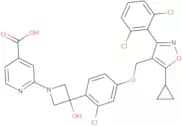
CAS:Cilofexor is a c-c chemokine receptor antagonist that blocks the inflammatory response by inhibiting the binding of chemokines to this receptor. Cilofexor has been shown to reduce bile acid levels in serum and to improve bowel disease, such as ulcerative colitis and primary sclerosing cholangitis. Cilofexor may be used for the treatment of cirrhosis, where it reduces fibrosis and improves liver function. Cilofexor acts as a growth factor and inhibits inflammatory bowel disease by down-regulating cytokines and preventing neutrophil infiltration. It also prevents hepatic steatosis by decreasing fatty acid biosynthesis and reducing lipid accumulation in the liver. Cilofexor is a drug that may have an effect on your heart rate, blood pressure, or how well your kidneys work.Formula:C28H22Cl3N3O5Purity:Min. 95%Molecular weight:586.85 g/molHsp90 α, His tagged human
CAS:Hsp90 α is a protein that belongs to the heat shock protein 90 family. It is involved in the regulation of energy metabolism, protein synthesis and cell physiology. Hsp90 α has been shown to be an important regulator of cellular function, such as cellular proliferation and differentiation. This protein binds to a number of natural compounds and drugs, including inhibitors that can regulate its activity. Hsp90 α has been shown to play a role in hyperproliferative diseases such as cancer because it regulates the expression of hsp90 target genes.Purity:Min. 95%PIM 447
CAS:PIM 447 is a tyrosine kinase inhibitor that inhibits the activity of JAK2. This drug has been shown to inhibit the growth of prostate cancer cells in tissue culture and may be useful for the treatment of t-cell lymphomas. PIM 447 binds to a region on the JAK2 protein that is required for its function and prevents it from phosphorylating tyrosine residues. It also inhibits the transcriptional activity of JAK2, which may lead to inhibition of cell proliferation and anti-tumour effects. Monoclonal antibodies against PIM 447 have been developed for use as a therapy for B-cell malignancies.Formula:C24H23F3N4OPurity:Min. 95%Molecular weight:440.46 g/molPBD-BODIPY
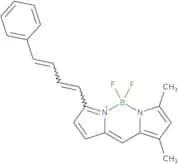
CAS:PBD-BODIPY is an inhibitor that has been developed for use in cancer treatment. It is a potent and selective inhibitor of tumor cell growth, inducing apoptosis in cancer cells. PBD-BODIPY targets specific kinases that are involved in the growth and proliferation of cancer cells, inhibiting their activity and preventing further growth. This drug has also shown promising results when used in combination with other anticancer agents such as artesunate or linezolid. Studies have shown that PBD-BODIPY is effective against various types of human cancer cells including Chinese hamster ovary cells, and has been detected in urine after administration, indicating its potential for clinical use.
Formula:C21H19BF2N2Purity:Min. 95%Molecular weight:348.2 g/molValeriandoid F
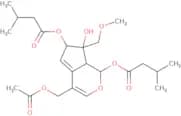
CAS:Valeriandoid F is an analog of a Chinese medicinal plant extract that has shown potential as an anti-cancer agent. It has been found to induce apoptosis in cancer cells, including those from human leukemia cell lines. Valeriandoid F is a potent inhibitor of kinase and protein activity, which are essential for the growth and proliferation of cancer cells. This compound has also been found to inhibit the growth of tumors in animal models. In addition, it has shown low toxicity levels and is excreted mainly through urine. Valeriandoid F is a promising candidate for the development of novel cancer therapies and inhibitors.Formula:C23H34O9Purity:Min. 95%Molecular weight:454.5 g/molDesvenlafaxine fumarate
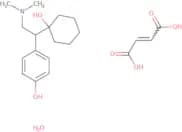
CAS:Controlled ProductDesvenlafaxine fumarate is an inhibitor of tumor growth in human and Chinese cancer cells. It belongs to a group of inhibitors known as kinase inhibitors, which inhibit the activity of kinases involved in cell proliferation and survival. Desvenlafaxine fumarate has been shown to induce apoptosis (programmed cell death) in cancer cells, making it an effective anticancer agent. This drug is an analog of protein kinase inhibitors found in urine and has medicinal properties that make it useful for treating various types of cancer.Formula:C20H31NO7Purity:Min. 95%Molecular weight:397.5 g/molHormaomycin
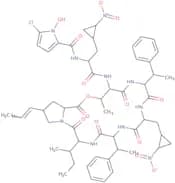
CAS:Hormaomycin is a potent inhibitor that has demonstrated the ability to induce apoptosis in cancer cells. It is an anticancer agent that has been isolated from urine samples of both Chinese and human medicinal sources. Hormaomycin works by inhibiting kinase activity, which can disrupt the cell cycle and prevent tumor growth. This inhibitor has shown promising results in both leukemia and other types of cancer cell lines, making it a potential candidate for future cancer treatments. Additionally, Hormaomycin is believed to be a protein inhibitor that may have broad applications in various fields of research.
Formula:C55H69ClN10O14Purity:Min. 95%Molecular weight:1,129.6 g/molPhthalic acid-13C2
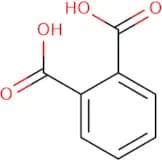
CAS:Please enquire for more information about Phthalic acid-13C2 including the price, delivery time and more detailed product information at the technical inquiry form on this pageFormula:C8H6O4Purity:Min. 95%Molecular weight:168.12 g/molJ22352
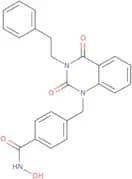
CAS:J22352 is an inhibitor of cyclin-dependent kinases, a group of enzymes that play a crucial role in regulating cell division. It has shown strong anticancer activity against human cancer cells in vitro and in vivo. J22352 induces apoptosis, or programmed cell death, in cancer cells by inhibiting the activity of specific proteins involved in cell survival pathways. This compound is an analog of a natural product isolated from Chinese medicinal plants and has been shown to have potent kinase inhibitory activity. J22352 may be a promising candidate for the development of new anticancer drugs with improved efficacy and fewer side effects. Additionally, this compound can be detected in urine samples, making it a potential biomarker for cancer diagnosis and treatment monitoring.Formula:C24H21N3O4Purity:Min. 95%Molecular weight:415.4 g/mol3-Acenaphthenamine
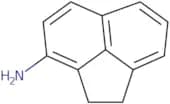
CAS:Please enquire for more information about 3-Acenaphthenamine including the price, delivery time and more detailed product information at the technical inquiry form on this page
Formula:C12H11NPurity:Min. 95%Molecular weight:169.22 g/mol2-[(1S,2S)-1-Ethyl-2-(phenylmethoxy)propyl]hydrazine
CAS:2-[(1S,2S)-1-Ethyl-2-(phenylmethoxy)propyl]hydrazine is a human analog that has been found to have anticancer properties. It acts as an inhibitor of kinases, which are enzymes involved in the regulation of cell growth and division. This compound induces apoptosis in Chinese hamster ovary cells and inhibits tumor growth in mice. 2-[(1S,2S)-1-Ethyl-2-(phenylmethoxy)propyl]hydrazine has medicinal potential as a cancer therapy due to its ability to inhibit protein kinases that are involved in the development of cancer cells. This compound may be used as a therapeutic agent for various types of cancer, especially those that are resistant to conventional chemotherapy. It has also been detected in human urine, indicating its potential for use as a diagnostic tool for cancer.Formula:C12H20N2OPurity:Min. 95%Molecular weight:208.3 g/molNelfinavir-d3
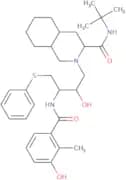
CAS:Please enquire for more information about Nelfinavir-d3 including the price, delivery time and more detailed product information at the technical inquiry form on this pageFormula:C32H45N3O4SPurity:Min. 95%Molecular weight:570.8 g/molDM1-MCC
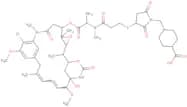
CAS:DM1-MCC is an inhibitor of kinases, which are enzymes that play a crucial role in the regulation of various cellular processes. It is derived from urine and has been shown to have potent anticancer activity against human cancer cells. DM1-MCC inhibits the activity of kinases involved in tumor growth and promotes apoptosis, leading to the death of cancer cells. This medicinal compound is a protein analog of maytansine, a natural product from Chinese medicinal plants. DM1-MCC has been extensively studied as an anticancer agent and has shown promising results in preclinical studies. Its potential as a targeted therapy for cancer treatment makes it an exciting area of research for future drug development.Formula:C47H63ClN4O14SPurity:Min. 95%Molecular weight:975.5 g/molDesloratadine-d7
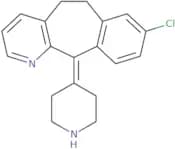
CAS:Desloratadine-d7 is a compound derived from sulfadiazine, an industrial chemical. It is commonly used in the production of chamomile extract and has been found to promote the growth of certain types of cells. Desloratadine-d7 acts as an acetyltransferase inhibitor, preventing the transfer of acetyl groups between molecules. This inhibition can have various effects on cell function and metabolism. Additionally, Desloratadine-d7 has been shown to increase biomass production in certain organisms and enhance the expression of basic proteins involved in cellular processes. It also plays a role in the synthesis of xylose, methanol, prasugrel, epidermal growth factor, chemokines, cellulose, glutamate, and fatty acids.
Formula:C19H19ClN2Purity:Min. 95%Molecular weight:319.9 g/molEntacapone amide
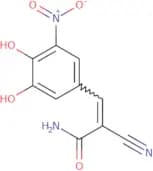
CAS:Entacapone amide is an analog of the medicinal compound Entacapone that has shown promising anticancer properties. It works by inhibiting kinases, which are enzymes that play a crucial role in cell growth and division. This inhibitor has been shown to induce apoptosis, or programmed cell death, in cancer cells, making it a potential treatment for various types of tumors. Entacapone amide has been studied extensively in Chinese hamster ovary cells and human urine samples, demonstrating potent activity against a range of cancer cell lines. Its ability to specifically target cancer cells while sparing healthy cells makes it a promising candidate for future cancer therapies.Formula:C10H7N3O5Purity:Min. 95%Molecular weight:249.18 g/molDehydro tiamulin
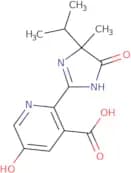
CAS:Dehydro tiamulin is a medicinal compound that has shown promising anticancer properties in human cells. It works by inhibiting specific protein kinases, which are enzymes that play a crucial role in cancer cell growth and survival. Dehydro tiamulin has been shown to induce apoptosis, or programmed cell death, in tumor cells. This compound is an analog of the Chinese herbal medicine Tiamulin, which has been used traditionally for its antibacterial properties. Dehydro tiamulin shows potential as a novel inhibitor for various types of cancer and may be a valuable addition to current cancer treatments.Formula:C28H45NO4SPurity:Min. 95%Molecular weight:491.7 g/mol5-Hydroxy imazapyr
CAS:Please enquire for more information about 5-Hydroxy imazapyr including the price, delivery time and more detailed product information at the technical inquiry form on this pageFormula:C13H15N3O4Purity:Min. 95%Molecular weight:277.28 g/mol2,2-Dipropylvaleronitrile
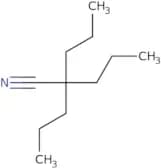
CAS:2,2-Dipropylvaleronitrile is an analog of the anti-diabetic drug saxagliptin that has shown promising anticancer activity. It works by inhibiting kinases involved in cancer cell growth and inducing apoptosis, or programmed cell death, in cancer cells. This compound has been tested on human cancer cell lines and has demonstrated potent anticancer effects. 2,2-Dipropylvaleronitrile may also have potential as a urine tumor marker due to its ability to inhibit protein kinases involved in tumor growth. Overall, this compound shows great promise as a potential cancer treatment option.
Formula:C11H21NPurity:Min. 95%Molecular weight:167.29 g/molEnniatin B3
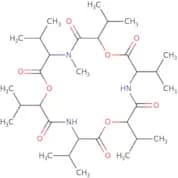
CAS:Enniatin B3 is a potent inhibitor of kinases and has been shown to induce apoptosis in human cancer cells. It is an analog of the naturally occurring enniatins, which are cyclic hexadepsipeptides that have been found to have anticancer properties. Enniatin B3 has been tested on Chinese hamster ovary cells and has been found to be a potent inhibitor of protein kinase C. This compound has also been shown to be a potent inhibitor of vitamin K epoxide reductase, which is involved in the activation of vitamin K-dependent clotting factors. Enniatin B3 has potential as an anticancer agent due to its ability to inhibit tumor growth and induce apoptosis in cancer cells.
Formula:C31H53N3O9Purity:Min. 95%Molecular weight:611.8 g/molCyanamide-15N2
CAS:Please enquire for more information about Cyanamide-15N2 including the price, delivery time and more detailed product information at the technical inquiry form on this pageFormula:CH2N2Purity:Min. 95%TRPC6-IN-1
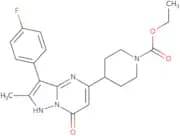
CAS:TRPC6-IN-1 is an inhibitor of human transient receptor potential cation channel subfamily C member 6 (TRPC6) kinases, which are involved in various cellular processes such as apoptosis and cell cycle regulation. This compound has been studied for its potential as an anticancer agent, with promising results in inhibiting tumor growth and inducing cancer cell death. TRPC6-IN-1 is an analog of a Chinese medicinal plant-derived protein kinase inhibitor, and has shown potent inhibitory activity against TRPC6 in vitro. This makes it a promising candidate for further development as a targeted therapy for cancer treatment.Formula:C21H23FN4O3Purity:Min. 95%Molecular weight:398.4 g/molDiphenylacetonitrile-d10
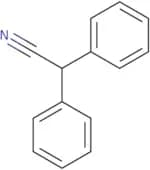
CAS:Diphenylacetonitrile-d10 is a medicinal compound used in the development of kinase inhibitors for cancer treatment. It is an analog of indirubin, which has been shown to induce apoptosis in human cancer cells. Diphenylacetonitrile-d10 is commonly used as a protein kinase inhibitor and has been found to be effective against various types of tumors. Its anticancer properties have been demonstrated in Chinese hamster ovary cells and urine samples from cancer patients. The compound has shown promising results as an inhibitor of tumor growth and could potentially be used in the development of new anticancer therapies.Formula:C14H11NPurity:Min. 95%Molecular weight:203.3 g/molButocarboxim-d3
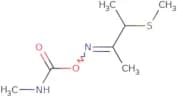
CAS:Please enquire for more information about Butocarboxim-d3 including the price, delivery time and more detailed product information at the technical inquiry form on this page
Formula:C7H14N2O2SPurity:Min. 95%Molecular weight:193.28 g/mol(R)-DNMDP
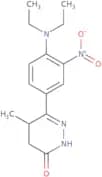
CAS:Please enquire for more information about (R)-DNMDP including the price, delivery time and more detailed product information at the technical inquiry form on this pageFormula:C15H20N4O3Purity:Min. 95%Molecular weight:304.34 g/molCefadroxil-d4
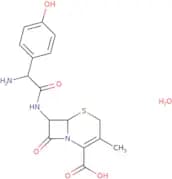
CAS:Cefadroxil-d4 is an analog of the medicinal compound cefadroxil, which is commonly used as a beta-lactam antibiotic. However, this particular compound has been found to have potential anticancer properties. Cefadroxil-d4 has been shown to inhibit the activity of kinases, which are enzymes that play a crucial role in cancer cell proliferation and survival. This inhibition leads to apoptosis, or programmed cell death, in cancer cells. In Chinese hamster ovary cells, cefadroxil-d4 has been found to be a potent inhibitor of protein kinase C, which is involved in regulating the cell cycle and promoting tumor growth. Additionally, cefadroxil-d4 has been detected in human urine following administration, indicating its potential for use as an anticancer agent.
Formula:C16H19N3O6SPurity:Min. 95%Molecular weight:385.4 g/molHmspp
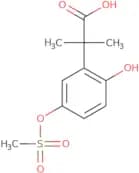
CAS:Hmspp is a potent inhibitor of human and Chinese tumor cell growth. It is an analog of the natural product tylosin and has been shown to induce apoptosis in cancer cells. Hmspp inhibits kinase activity, which is essential for cancer cell survival and proliferation. This drug has also been shown to have anti-tumor properties in vivo. In addition, Hmspp has been detected in urine after administration of menthol, suggesting that it may have potential as a therapeutic agent for cancer treatment. Its unique mechanism of action makes it a promising candidate for further research on cancer therapy.Formula:C11H14O6SPurity:Min. 95%Molecular weight:274.29 g/mol







![2-[(1S,2S)-1-Ethyl-2-(phenylmethoxy)propyl]hydrazine](/_next/image/?url=https%3A%2Fstatic.cymitquimica.com%2Fproducts%2F3D%2Fthumb-webp%2FIHA87134.webp&w=3840&q=75)