Biochemicals and Reagents
Subcategories of "Biochemicals and Reagents"
- Biomolecules(98,557 products)
- By Biological Target(101,015 products)
- By Pharmacological Effects(6,941 products)
- Cryopreservatives(21 products)
- Desinfectants and Related Compounds(28 products)
- Hormones(530 products)
- Plant Biology(6,903 products)
- Secondary Metabolites(14,371 products)
Found 130589 products of "Biochemicals and Reagents"
Recombinant Mouse ALK-1
Mouse sequence expressed in NS0 Cells; purity >95% by SDS-PAGE and analyzed by silver stain; Fc Fusion Protein.Recombinant Mouse Amphiregulin
Mouse sequence expressed in E. coli Cells; purity >97% by SDS Page and analyzed by silver stain.Affinity Purified anti-Campylobacter Jejuni Antibody (Omp18)
Affinity Purified Chicken anti-Campylobacter Jejuni (205) - Reacts with Outer Membrane ProteinPurity:Min. 95%Recombinant Human IL-17E
Human sequence expressed in E. coli Cells; purity >97% by SDS-PAGE and analyzed by silver stain.
Recombinant Mouse MIP-1beta
Mouse sequence expressed in E. coli Cells; purity >97% by SDS-PAGE and analyzed by silver stain.Recombinant Human IgG
Human sequence expressed in NS0 Cells; purity >95% by SDS-PAGE and analyzed by silver stain; Fc Fusion Protein.Marburg Virus Nucleoprotein
Recombinant Marburg Virus Nucleoprotein with a 6xHIS tag was expressed in CHO cells and purified by nickel affinity chromatography.; Estimated purity is 90%.
Recombinant Mouse IL-4
Mouse sequence expressed in E. coli Cells; purity >97% by SDS-PAGE and analyzed by silver stain.AffinityPurified anti-Goat IgG h+l Antibody
Affinity Purified Rabbit anti-Goat IgG h+l antibody is suitable for WB, ELISA, IHC and is commonly used by manufacturers of lateral flow immunochromatographic assays. Product Citations:Zhang GR et al.Development of an Epitope-Based Competitive ELISA for the Detection of Antibodies against Tibetan Peste des Petits Ruminants VirusIntervirology 2013;56:55â59Purity:Min. 95%Recombinant Human CD22beta/Siglec-2
Human sequence expressed in NS0 Cells; purity >95% by SDS-PAGE and analyzed by silver stain; Fc Fusion Protein.Recombinant Human Activin A receptor, type IIB (RIIB)
Human sequence expressed in sf Insect Cells; purity >95% by SDS-PAGE and analyzed by silver stain; Fc Fusion Protein.Recombinant Human Cyr61
Human sequence expressed in CHO Cells; purity >90% by SDS-PAGE and analyzed by silver stain; Fc Fusion Protein.
Recombinant Human Plasma Selectin (P-selectin)
Human sequence expressed in NS0 Cells; purity >95% by SDS-PAGE and analyzed by silver stain; Fc Fusion Protein.
Recombinant Human CX3CL1/Fractalkine Protein
Human sequence expressed in NS0 Cells; purity >97% by SDS-PAGE and analyzed by silver stain; Histidine Tag.Recombinant Mouse Lefty-1
Mouse sequence expressed in NS0 Cells; purity >90% by SDS Page and analyzed by silver stain.Recombinant Human CXCL5/ ENA-78 (5-78 a.a.)
Human sequence expressed in E. coli Cells; purity >95% by SDS-PAGE and analyzed by silver stain.
Recombinant Human PDGF-CC
Human sequence expressed in E. coli Cells; purity >97% by SDS-PAGE and analyzed by silver stain; Histidine Tag.Recombinant Mouse B7-H2
Mouse sequence expressed in NS0 Cells; purity >95% by SDS Page and analyzed by silver stain.Recombinant Mouse IL-13 Ralpha2
Mouse sequence expressed in NS0 Cells; purity >95% by SDS-PAGE and analyzed by silver stain; Fc Fusion Protein.Recombinant Human IL-28A
Human sequence expressed in NS0 Cells; purity >97% by SDS-PAGE and analyzed by silver stain; Histidine Tag.Recombinant Human LIF
Human sequence expressed in .; purity >90% by SDS-PAGE and analyzed by silver stain.Recombinant Mouse Lungkine
Mouse sequence expressed in E. coli Cells; purity >90% by SDS-PAGE and analyzed by silver stain.Recombinant Rat ALK-7
Rat sequence expressed in NS0 Cells; purity >90% by SDS-PAGE and analyzed by silver stain; Fc Fusion Protein.Recombinant Mouse CD120b (TNFR2)
Mouse sequence expressed in E. coli Cells; purity >97% by SDS-PAGE and analyzed by silver stain.Recombinant Mouse PDGF Ralpha
Mouse sequence expressed in NS0 Cells; purity >95% by SDS-PAGE and analyzed by silver stain; Fc Fusion Protein.
Recombinant Mouse IL-12 p80
Mouse sequence expressed in sf Insect Cells; purity >97% by SDS-PAGE and analyzed by silver stain.Recombinant Mouse FGF-Basic
Mouse sequence expressed in E. coli Cells; purity >97% by SDS-PAGE and analyzed by silver stain.anti-Dog IgM Antibody
This purified monoclonal Mouse anti-Dog IgM secondary antibody is suitable for use in ELISA, Blotting and other applilcations where a highly specific mu chain specific antibody is required.Purity:Min. 95%Recombinant Human IFN-alpha 2b
Human sequence expressed in E. coli Cells; purity >98% by SDS-PAGE and HPLC.
anti-Progesterone Antibody
This Monoclonal anti-Progesterone antibody is suitable for ELISA and LFD applications.Purity:Min. 95%Recombinant Human IL-12 Rbeta1
Human sequence expressed in NS0 Cells; purity >95% by SDS-PAGE and analyzed by silver stain; Fc Fusion Protein.Recombinant Human CCL27
Human sequence expressed in E. coli Cells; purity >97% by SDS-PAGE and analyzed by silver stain.Recombinant Human SDF-1beta
Human/Feline sequence expressed in E. coli Cells; purity >97% by SDS-PAGE and analyzed by silver stain.anti-Human Procalcitonin (PCT) Antibody
Purified Mouse anti-Human Procalcitonin antibody (Clone 1B12)Purity:Min. 95%Recombinant Mouse BCMA
Mouse sequence expressed in NS0 Cells; purity >95% by SDS-PAGE and analyzed by silver stain; Fc Fusion Protein.Recombinant Mouse IL-28A
Mouse sequence expressed in E. coli Cells; purity >95% by SDS Page and analyzed by silver stain.Recombinant Human TRAIL R2
Human sequence expressed in CHO Cells; purity >95% by SDS-PAGE and analyzed by silver stain; Fc Fusion Protein.Recombinant Mouse NGF R
Mouse sequence expressed in NS0 Cells; purity >90% by SDS-PAGE and analyzed by silver stain.Recombinant Mouse SCF
Mouse sequence expressed in E. coli Cells; purity >97% by SDS-PAGE and analyzed by silver stain.Recombinant Human FGF-9
Human sequence expressed in sf Insect Cells; purity >97% by SDS-PAGE and analyzed by silver stain.Affinity Purified anti-Goat IgG h+l Antibody
Affinity Purified Sheep anti-Goat IgG h+l AntibodyPurity:Min. 95%Recombinant Rat IL-9
Rat sequence expressed in NS0 Cells; purity >90% by SDS-PAGE and analyzed by silver stain.Recombinant Human PlGF-1
Human sequence expressed in E. coli Cells; purity >95% by SDS-PAGE and analyzed by silver stain.
anti-hCG beta Monoclonal
Monoclonal antibody specific to the beta chain of human chorionic gonadotropin.; There is no cross-reactivity with LH, TSH, or FSH, making them suitable for diagnosing early pregnancy, with a detection limit of below 10 mIU/ml.Purity:Min. 95%{4-[3,3-Bis-(4-bromo-phenyl)-allylsulfanyl]-2-chloro-phenoxy}-acetic acid
CAS:{4-[3,3-Bis-(4-bromo-phenyl)-allylsulfanyl]-2-chloro-phenoxy}-acetic acid is a research tool that binds to the receptor site of ion channels. It is an activator and can be used as a ligand for the study of ion channel receptors. This product has also been shown to be an inhibitor for protein interactions. {4-[3,3-Bis-(4-bromo-phenyl)-allylsulfanyl]-2-chloro-phenoxy}acetic acid has been shown to inhibit the interaction between many different types of peptides and proteins such as antibodies.Formula:C23H17Br2ClO3SPurity:Min. 95%Molecular weight:568.7 g/molH-6-Diazo-5-oxo-D-Nle-OH
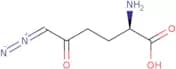
CAS:H-6-Diazo-5-oxo-D-Nle-OH is a maleate analog of D-Nle. Maleates are covalent inhibitors of transpeptidase, an enzyme that catalyses the formation of peptide bonds between amino acids. This inhibition affects the physiological function of tumour cells and can be used for the treatment of tumours. Maleates also have affinity for glutathione molecules, which may lead to a decrease in their concentration in the cell and cause a decrease in their protective effects.Formula:C6H9N3O3Molecular weight:171.15 g/molCNTF Mouse
Cntf is a cytokine that belongs to the family of neurotrophins. It is a ligand for the receptor c-ret, which is expressed in cells of the central and peripheral nervous system. The Cntf protein can be used as an activator or inhibitor in cell biology and pharmacology research. The Cntf mouse has been created by fusing a human c-ret gene with a mouse agouti gene. This mouse has high levels of Cntf protein and can be used to study the effects of this protein on ion channels, cell biology, and other areas of research.Purity:Min. 95%Complement Component C5a Mouse (recombinant)
Complement Component C5a Mouse (recombinant) is a recombinant protein that is an activator of the complement system. It can be used to investigate the role of the complement system in immune responses, inflammation, and cell death. Complement component C5a mouse (recombinant) is a potent inhibitor of ion channels and ligand-gated receptors, and has been shown to inhibit the function of voltage-gated potassium channels. Recombinant Complement component C5a mouse (recombinant) can also be used as an antibody probe for immunohistochemical detection of C5a receptor protein expression in cells. Complement component C5a mouse (recombinant) has high purity and is suitable for research purposes.Purity:>95% By Sds-Page And Rp-Hplc.4-Methyl-3-((6-(methylsulfonyl)-7-(2-(morpholinomethyl)thiazol-4-yl)quinolin-4-yl)amino)phenol
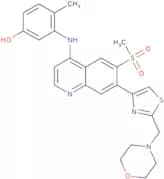
CAS:4-Methyl-3-(6-methylsulfonyl-7-(2-(morpholinomethyl)thiazol-4-yl)quinoline-4-ylamino)phenol (MTQ) is a signal molecule that has been found to induce cellular transformation. MTQ binds to the signal peptide of the protein and then enters the cell. It is then phosphorylated by a kinase, which causes it to bind to DNA. The binding of MTQ to DNA activates transcription factors, which leads to an increase in gene expression and cancer cell growth. MTQ has been shown to activate signal pathways and inhibit polymerase chain reactions in myeloma cells. This agent also inhibits the movement of chromosomes during mitosis, leading to cell death.Formula:C25H26N4O4S2Purity:Min. 95%Molecular weight:510.6 g/mol5,6,7,8-Tetrahydro-3-(5-methoxy-1,3,4-oxadiazol-2-yl)-6-(phenylmethyl)-1,6-naphthyridin-2(1H)-one
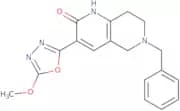
CAS:5,6,7,8-Tetrahydro-3-(5-methoxy-1,3,4-oxadiazol-2-yl)-6-(phenylmethyl)-1,6-naphthyridin-2(1H)-one is a new chemical entity that binds to the human receptor for advanced glycation end products (RAGE) and blocks the activation of this receptor. It has been shown to inhibit the activity of ion channels, like the nicotinic acetylcholine receptor and the voltage gated potassium channel. 5,6,7,8-Tetrahydro-3-(5-methoxy-1,3,4-oxadiazol-2-yl)-6-(phenylmethyl)-1,6 -naphthyridin-2(1H)-one has been shown to be a potent inhibitor of protein synthesis in cell culture. It is also a high purityFormula:C18H18N4O3Purity:Min. 95%Molecular weight:338.4 g/molCyclosporin-A
Cyclosporin-A is a cyclic peptide that inhibits mitochondrial functions and has been used to prevent organ rejection in transplant patients. It binds to the cyclase enzyme and prevents the formation of cyclic adenosine monophosphate (cAMP) from ATP, which is required for cell growth. Cyclosporin-A also inhibits the production of proteins by preventing transcription, replication, and translation. This drug can cause neurotoxicity when administered at high doses or over a long period of time. In vitro assays have shown that cyclosporin-A has cytotoxic effects on platinum-resistant ovarian cancer cells. It also has an effect on microdialysis probes, which may be due to its ability to inhibit neurotransmitter release from neurons. Cyclosporin-A has been shown to inhibit the production of protein in vivo, as evidenced by a decrease in weight gain in rats treated with this drug for one week.Purity:>99% As Determined By Rp-HplcVimentin, Mouse Anti Human Antibody, FITC
Vimentin is a protein that is expressed in the cytoplasm of cells. It is found in fibroblasts, osteoblasts, and endothelial cells. Vimentin is a member of the intermediate filament family. This antibody reacts with vimentin as well as other intermediate filaments such as desmin and keratin. The FITC tag allows for visualization of the antibody under fluorescent microscopy. Reconstitute with PBS before use.Purity:Min. 95%CLE25 Peptide
CLE25 peptide is a peptide that is derived from the human protein CLE-1. It has a high purity and can be used as a research tool, such as in cell biology and pharmacology. CLE25 peptide binds to receptors of the protease activated receptor (PAR) family and inhibits ion channels, which may be due to its ability to act as an activator for these receptors. This peptide also interacts with other proteins and may bind to ligands or antibodies. The chemical formula for CLE25 Peptide is C-L-E-N-T-Y-L-E.Purity:Min. 95%Human GH (1-43) ELISA (1ea)
Human GH (1-43) ELISA Kit (1ea) is a sandwich enzyme-linked immunosorbent assay for the quantitative measurement of human GH in serum. It has demonstrated cross-reactivity with monkey, rat, and mouse GH, but not bovine or porcine GH.
Purity:Min. 95%Ac-Asp-Gln-Thr-Asp-H aldehyde
Ac-Asp-Gln-Thr-Asp-H aldehyde is a peptide that can act as an activator, inhibitor, or ligand for ion channels and receptors. It has been shown to be a high purity reagent in the field of cell biology and pharmacology.
Formula:C19H29N5O11Purity:Min. 95%Molecular weight:503.46 g/molN-(3-(3-(Piperidinylmethyl)phenoxy)propyl)-2-(furfurylsulfinyl)acetamide
CAS:Famotidine is a histamine H2 receptor antagonist that inhibits gastric acid secretion. It is used in the treatment of gastroesophageal reflux disease, peptic ulcer disease, and other conditions. Famotidine has been shown to be effective against necrotizing ulcers in the duodenum and stomach, as well as mucosal lesions caused by nonsteroidal anti-inflammatory drugs. It also shows gastroprotective activity in rats with induced gastric ulcers by inhibiting the release of inflammatory mediators such as prostaglandin E2 and leukotriene B4.Formula:C22H30N2O4SPurity:Min. 95%Molecular weight:418.6 g/molAnti C-Peptide II (Rat) Serum
Anti C-Peptide II (Rat) Serum is a high-purity peptide that can be used as a research tool to study the pharmacology of peptides and their interactions with receptors. It can also be used as an inhibitor in cell biology experiments.Purity:Min. 95%1-o-Heptadecyl-2-hydroxy-sn-glycero-3-phosphocholine
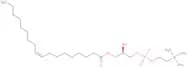
CAS:Liposomes are vesicles that are composed of one or more concentric lipid bilayers. These structures are used to deliver drugs and other molecules to a particular target cell, typically by binding to proteins on the outside of the cell membrane or through endocytosis. Liposomes can be made from a variety of lipids, including phospholipids and glycolipids. The most common type is made from egg phosphatidylcholine (PC).Formula:C25H54NO6PPurity:Min. 95%Molecular weight:495.7 g/mol(5Z)-5-[[4-Methoxy-3-[2-(trimethylsilyl)ethynyl]phenyl]methylene]-2-thioxo-4-thiazolidinone
CAS:(5Z)-5-[[4-Methoxy-3-[2-(trimethylsilyl)ethynyl]phenyl]methylene]-2-thioxo-4-thiazolidinone is a small molecule drug that inhibits the activity of beta amyloid peptide. It has been shown to reduce the formation of amyloid plaques in animal models, which are associated with Alzheimer's disease. This drug also protects neuronal death in rat models of Parkinson's disease and pancreatic cancer. (5Z)-5-[[4-Methoxy-3-[2-(trimethylsilyl)ethynyl]phenyl]methylene]-2-thioxo-4-thiazolidinone is an enzyme inhibitor that binds to the active site of a protein called deacetylase. The drug binds to a cavity on the surface of the enzyme and prevents it from binding to its natural substrate, which leads to inhibitionFormula:C16H17NO2S2SiPurity:Min. 95%Molecular weight:347.53 g/molHistone Acetyltransferase Inhibitor II
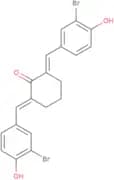
CAS:Histone acetyltransferase inhibitor II is a histone acetyltransferase (HAT) inhibitor that is used in the treatment of cancer. It inhibits cellular transformation and tumor growth by binding to the polymerase chain, which prevents DNA synthesis and transcription. Histone Acetyltransferase Inhibitor II has been shown to have anti-cancer activity in a number of animal models of cancer, including gliomas and breast cancers. The drug also has an anti-inflammatory effect on the body, which may be due to its ability to inhibit prostaglandin synthesis. This drug is not potent enough to be used as a chemotherapeutic agent alone but can be added to other treatments for more effectiveness.Formula:C20H16Br2O3Purity:Min. 95%Molecular weight:464.15 g/molD-Erythro-sphingosyl phosphoethanolamine
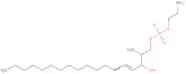
CAS:D-Erythro-sphingosyl phosphoethanolamine is a linker that can be used to form amphiphilic dendritic liposomes and bilayers. It has a molecular weight of 571.2 Da and is soluble in water. D-Erythro-sphingosyl phosphoethanolamine can be used to activate soluble enzymes, such as murine erythropoietin (mEPO), and induce the maturation of liposomes, which are used in the delivery of drugs. It can also be used as a fluorophore to study the movement of membrane proteins.Formula:C20H43N2O5PPurity:Min. 95%Molecular weight:422.5 g/mol4,6-Bis(benzyloxy)-3-phenylbenzofuran
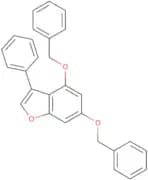
CAS:4,6-Bis(benzyloxy)-3-phenylbenzofuran is a lead compound that is a potent inhibitor of the human telomerase reverse transcriptase (hTERT) enzyme. It interacts with hTERT and prevents the production of new telomeric DNA, leading to cancer cell death. 4,6-Bis(benzyloxy)-3-phenylbenzofuran has been shown to have anti-cancer properties in human cancers, including hepatocellular carcinoma. This drug also inhibits the oncogenic activity of hTERT by highlighting its interactions with other molecules involved in cancer formation. The target of 4,6-Bis(benzyloxy)-3-phenylbenzofuran is the RNA component of hTERT, which is an enzyme that maintains telomere length and stability in cancer cells. The inhibition of this enzyme leads to tumor cell death and can be used as an antiFormula:C28H22O3Purity:Min. 95%Molecular weight:406.5 g/mol3-(3-Bromo-2-thienyl)-8-methyl-8-azabicyclo[3.2.1]oct-2-ene
CAS:3-(3-Bromo-2-thienyl)-8-methyl-8-azabicyclo[3.2.1]oct-2-ene is a competitive antagonist of the serotonin 5HT1A receptor and a selective competitive antagonist of the histamine H3 receptor. It has been shown to be an agonist at the alpha 2C adrenergic receptor and to have neuroprotective effects against glutamate toxicity in cultured hippocampal neurons. 3-(3-Bromo-2-thienyl)-8-methyl-8-azabicyclo[3.2.1]oct-2-ene is also a ligand for the LPA1 receptor, which may contribute to its antiinflammatory effects in vivo.Formula:C12H14BrNSPurity:Min. 95%Molecular weight:284.22 g/mol1-Oleoyl-sn-glycero-3-phosphocholine
CAS:1-Oleoyl-sn-glycero-3-phosphocholine (OGPC) is a reactive molecule that belongs to the group of phospholipids. It is hydrophilic and has a negative charge, which allows it to bind with calcium ions. This molecule can be found in the cell membrane or extracellular space and modulates voltage-dependent calcium channels, enzyme activities, and hydrophilic interaction chromatography. The physiological effects of OGPC are mainly due to its ability to influence inflammatory diseases. 1-Oleoyl-sn-glycero-3-phosphocholine has also been shown to inhibit the growth factor β1 and may be able to reduce inflammation by binding with pathogenic molecules such as dextran sulfate or fatty acid.br> OGPC is used as a pharmaceutical agent for the treatment of cardiovascular disease, diabetes mellitus type II, neurodegenerative disorders, Alzheimer's disease, Parkinson's diseaseFormula:C26H52NO7PPurity:Min. 95%Molecular weight:521.67 g/mol6-Carboxy-X-rhodamine, succinimidyl ester
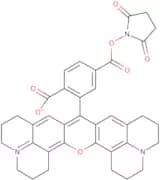
CAS:Single isomer of 5(6)-ROX. It is a fluorescent dye used in RT-PCR methods as an internal reference to determine fluorescence variation that is not associated with the amplification process (plastic of the wells, small differences in concentration or volume, instrument measurements). It produces a constant fluorescence emission signal during the PCR process that is used to normalise the emission produced by the reporter. The fluorescence signal is compatible with most reporters. It is used to label the 5â end of oligonucleotides as a reporter in the presence of a quencher at the 3â end (dual labelled probe). During amplification, the dye is cleaved, and the fluorescence increases proportionally with the amount of the specific sequence amplified during the PCR process. The development of the fluorescence signal is therefore specifically related to the amplification of the target sequence.
Formula:C37H33N3O7Purity:Min. 95%Molecular weight:631.67 g/mol3-Decyl-4-[2-(3,4-dimethoxyphenyl)ethyl]oxetan-2-one
CAS:3-Decyl-4-[2-(3,4-dimethoxyphenyl)ethyl]oxetan-2-one is a chemical that belongs to the group of fatty acids. It has been shown to have antimicrobial activity against bacteria and fungi. 3-Decyl-4-[2-(3,4-dimethoxyphenyl)ethyl]oxetan-2-one has been shown to be effective in inhibiting the growth of mutant melanoma cells by suppressing protein synthesis. This compound also inhibits cell proliferation through the activation of epidermal growth factor receptor (EGFR). 3DCAO has been observed to activate hematopoietic cells, which may be due to its ability to inhibit colony stimulating factor (CSF).Formula:C23H36O4Purity:Min. 95%Molecular weight:376.5 g/molN-Hydroxy tipranavir
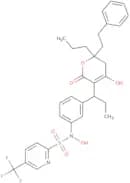
CAS:Please enquire for more information about N-Hydroxy tipranavir including the price, delivery time and more detailed product information at the technical inquiry form on this pageFormula:C31H33F3N2O6SPurity:Min. 95%Molecular weight:618.7 g/molLeukotriene A3 methyl ester
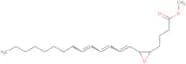
CAS:Leukotriene A3 methyl ester is a medicinal analog that has been identified in human urine and shown to have potent anticancer properties. It acts as a protein kinase inhibitor, inhibiting the activity of kinases involved in cancer cell growth and survival. Leukotriene A3 methyl ester has been found to induce apoptosis (cell death) in tumor cells and may be useful in developing new cancer therapies. Studies have also shown that this compound has inhibitory effects on Chinese hamster ovary cells, making it a promising candidate for further research into its potential as an anticancer agent.
Formula:C21H34O3Purity:Min. 95%Molecular weight:334.5 g/molTerranol
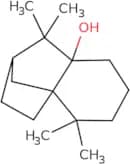
CAS:Terranol is a Chinese medicinal compound that has been shown to have potent anticancer properties. It is an analog of a protein kinase inhibitor and has been found to induce apoptosis in human cancer cells. Terranol has been studied extensively for its ability to inhibit tumor growth and metastasis, particularly in leukemia. It works by blocking the activity of specific kinases that are necessary for cancer cell survival and proliferation. Studies have also shown that Terranol can be detected in urine after ingestion, indicating its potential use as a diagnostic tool for cancer detection and treatment monitoring. Overall, Terranol is a promising new addition to the arsenal of anticancer inhibitors with potential for clinical application.
Formula:C15H26OPurity:Min. 95%Molecular weight:222.37 g/molRecombinant Mouse TECK
Mouse sequence expressed in E. coli Cells; purity >97% by SDS-PAGE and analyzed by silver stain.Affinity Purified anti-Dog IgM Antibody
Affinity Purified Goat anti-Dog IgM Antibody:Wang C et al. Accelerated Blood Clearance Phenomenon upon Cross-Administration of PEGylated Nanocarriers in Beagle Dogs. International Journal of Nanomedicine 10 (2015): 3533â3545. PMC. Web. 13 Apr. 2017.Zhao Y et al.Repeated injection of PEGylated solid lipid nanoparticles induces accelerated blood clearance in mice and beaglesInternational Journal of Nanomedicine 2012:7 2891â2900Purity:Min. 95%Recombinant Human IL-2Ralpha
Human sequence expressed in NS0 Cells; purity >95% by SDS-PAGE and analyzed by silver stain; Fc Fusion Protein.Recombinant Mouse IL-7 Ralpha
Mouse sequence expressed in NS0 Cells; purity >90% by SDS-PAGE and analyzed by silver stain; Fc Fusion Protein.
Affinity Purified anti-CHO Annexin A5 Antibody
Affinity Purified Chicken anti-CHO Annexin A5 Antibody  Annexin A5 is a host cell protein (HCP) generated by CHO cells during production of biotherapeutics. This process-related impurity accumulates in the extracellular space as it is released from dead CHO cells and secreted from viable cells during cell culture. Annexin A5 is highly immunogenic and may cause dangerous adverse reactions if present in a therapeutic drug formulation.Recombinant Rat IL-3
Rat sequence expressed in E. coli Cells; purity >97% by SDS-PAGE and analyzed by silver stain.Recombinant Mouse IL-18
Mouse sequence expressed in E. coli Cells; purity >90% by SDS Page and analyzed by silver stain.Affinity Purified anti-Cat IgG h+l Antibody
Goats were immunized with highly purified cat IgG h+l and the resulting antiserum was collected. Specific antibody was immunoaffinity purified off a cat IgG containing immunosorbent. Antibody concentration was determined using an absorbance at 280 nm: 1.4 equals 1.0 mg of IgG.
This antibody will react with cat IgG and with light chains common with other cat immunoglobulins as determined by ELISA and IEP techniques. It is suitable for blotting, ELISA, IHC and Lateral Flow applications. This antibody may crossreact with IgG from other species. Optimal working dilutions should be determined experimentally by the investigator.Purity:Min. 95%Affiniy Purified anti-Marburg Virus VP40
Marburg virus is a highly contagious and severe virus that belongs to the Filoviridae family, which also includes the Ebola virus. The virus causes a rare but often fatal illness called Marburg virus disease (MVD), previously known as Marburg hemorrhagic fever (MHF). The disease was first identified in 1967 when outbreaks occurred simultaneously in Marburg and Frankfurt, Germany, as well as in Belgrade, Yugoslavia (now Serbia). Marburg virus is transmitted to humans from animals, with bats believed to be the natural reservoir. The virus can be transmitted between humans through direct contact with the blood, secretions, organs, or other bodily fluids of infected individuals. Human-to-human transmission can also occur through contact with surfaces and materials contaminated with these fluids.Purity:Min. 95%Recombinant Human gAcrp30/Adipolean Variant
Human sequence expressed in E. coli Cells; purity >98% by SDS Page and HPLC.Recombinant SARS-CoV-2, S1-mFc Protein
SARS-CoV-2 sequence expressed in HEK-293 Cells; purity >95% by SDS Page.anti-Chicken IgY Fc Antibody
Purified Mouse anti-Chicken IgY Fc Antibody. MGFC-30A-7B9 is suitable for capture in sandwich ELISA assay when paired with MGFC-30A-4C2.Purity:Min. 95%anti-Human IgM Antibody
Purified Mouse anti-Human IgM (mu chain specific) Monoclonal AntibodyPurity:Min. 95%anti-FITC Antibody
This purified Mouse anti-Fluorescein Isothiocyanate can be used in ELISA and lateral flow assays to detect FITC conjugated proteins.Purity:Min. 95%Recombinant Human IFN-gamma R1
Human sequence expressed in NS0 Cells; purity >95% by SDS-PAGE and analyzed by silver stain.Recombinant Human Exodus-2 (CCL21)
Human sequence expressed in E. coli Cells; purity >97% by SDS-PAGE and analyzed by silver stain.
Recombinant Human Transforming Growth Factor-Beta 3 (TGF-beta 3)
Human sequence expressed in E. coli Cells; purity >90% by SDS-PAGE and HPLC.Recombinant Mouse SDF-1beta
Mouse sequence expressed in E. coli Cells; purity >97% by SDS Page and HPLC.Recombinant Mouse IGF-I
Mouse sequence expressed in E. coli Cells; purity >97% by SDS-PAGE and analyzed by silver stain.Affinity Purified anti-Streptococcus Pyogenes Antibody
anti-Streptococcus Pyogenes AntibodyPurity:Min. 95%Affinity Purified anti-Mouse IgA Antibody
Affinity Purified Goat anti-Mouse IgA AntibodyPurity:Min. 95%Affinity Purified anti-Bovine IgG h+l Antibody
Affinity Purified Rabbit anti-Bovine IgG h+l AntibodyPurity:Min. 95%Recombinant Mouse gAcrp30 (Adipocyte Complement-Related Protein)
Mouse sequence expressed in NS0 Cells; purity >95% by SDS-PAGE and analyzed by silver stain.Recombinant Human CCL25
Human sequence expressed in E. coli Cells; purity >95% by SDS-PAGE and analyzed by silver stain.Affinity Purified anti-Beta Galactosidase Antibody
Please enquire for more information about Affinity Purified anti-Beta Galactosidase Antibody including the price, delivery time and more detailed product information at the technical inquiry form on this pagePurity:Min. 95%Recombinant Human EphA1
Human sequence expressed in HEK-293 Cells; purity >95% by SDS Page and analyzed by silver stain.











![{4-[3,3-Bis-(4-bromo-phenyl)-allylsulfanyl]-2-chloro-phenoxy}-acetic acid](/_next/image/?url=https%3A%2Fstatic.cymitquimica.com%2Fproducts%2F3D%2Fthumb-webp%2FKCB13910.webp&w=3840&q=75)





![(5Z)-5-[[4-Methoxy-3-[2-(trimethylsilyl)ethynyl]phenyl]methylene]-2-thioxo-4-thiazolidinone](/_next/image/?url=https%3A%2Fstatic.cymitquimica.com%2Fproducts%2F3D%2Fthumb-webp%2FHKC36737.webp&w=3840&q=75)
![3-(3-Bromo-2-thienyl)-8-methyl-8-azabicyclo[3.2.1]oct-2-ene](/_next/image/?url=https%3A%2Fstatic.cymitquimica.com%2Fproducts%2F3D%2Fthumb-webp%2FRIA85359.webp&w=3840&q=75)
![3-Decyl-4-[2-(3,4-dimethoxyphenyl)ethyl]oxetan-2-one](/_next/image/?url=https%3A%2Fstatic.cymitquimica.com%2Fproducts%2F3D%2Fthumb-webp%2FIZB36512.webp&w=3840&q=75)