Biochemicals and Reagents
Subcategories of "Biochemicals and Reagents"
- Biomolecules(98,559 products)
- By Biological Target(101,029 products)
- By Pharmacological Effects(6,952 products)
- Cryopreservatives(21 products)
- Desinfectants and Related Compounds(28 products)
- Hormones(531 products)
- Plant Biology(6,903 products)
- Secondary Metabolites(14,369 products)
Found 130609 products of "Biochemicals and Reagents"
L-Histidinol Dihydrochloride
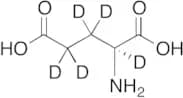
CAS:Controlled ProductFormula:C6H11N3O·2ClHColor and Shape:NeatMolecular weight:214.09L-Glutamic Acid-d5
CAS:Controlled ProductApplications L-Glutamic Acid-d5 is an non-essential amino acid. Its salt form (glutamate) is an important neurotransmitter that plays a key role in long-term potentiation and is important for learning and memory. It is also a key molecule in cellular metabolism.
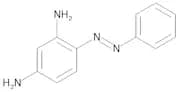
References McEntee, W., et al.: Psychopharmacology, 111, 391 (1993), Manev, H., et al.: Mol. Pharmacol., 36, 106 (1989)Formula:C52H5H4NO4Color and Shape:NeatMolecular weight:152.16C.I.Solvent Orange 3
CAS:Controlled ProductApplications C.I.Solvent Orange 3 (CAS# 495-54-5) is a useful research chemical compound.
Formula:C12H12N4Color and Shape:OrangeMolecular weight:212.25p-Chlorophenylguanidine Hydrochloride
CAS:Controlled ProductApplications p-Chlorophenylguanidine Hydrochloride is an reagent used in the synthesis of pyrimidine derivatives as hSMG-1 inhibitors, potential targets for cancer treatment.
References Gopalsamy, A., et al.: Bioorg. Med. Chem. Lett., 22, 6636 (2012);Formula:C7H8ClN3·ClHColor and Shape:NeatMolecular weight:206.07N-Cinnamylglycine
CAS:Applications N-Cinnamylglycine is a derivative of ferulic acid (F308900), a widely distributed compound in plants that is used as an antioxidant and food preservative.
References Jellum,E., et al.: J. Pharma. Biomed. Anal., 9, 663 (1991); Kayahara, H., et al.: Anticancer. Res., 19, 3763 (1999); Bollina, V., et al.: Plant. Molec. Biol., 77, 355 (2011);Formula:C11H11NO3Color and Shape:NeatMolecular weight:205.2117α-Estradiol
CAS:Controlled ProductImpurity Estradiol 17?-Hydroxy Impurity; Estradiol EP Impurity B; Ethinylestradiol EP Impurity L
Applications Estradiol (known as α-Estradiol or 17 α-Estradiol) is a biologically active estrogen in human breast cancer cells in tissue culture. 17-Εstradiol and its selective receptor, ER-X, are not part of a classical hormone/receptor endocrine system but of a system with important autocrine/paracrine functions in the developing and adult brain(1,2). 17-Estradiol may have enormous implications for hormone replacement strategies at the menopause and in the treatment of such neurodegenerative disorders as Alzheimer’s disease and ischemic stroke(3).This compound is a contaminant of emerging concern (CECs). Drinking water contaminant candidate list 3 (CCL 3) compound as per United States Environmental Protection Agency (EPA). Environmental contaminants; Food contaminants.
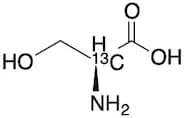
References 1. Lievertz, R. et al.: J. Obstet. Gynecol. 1987 May;156(5):1289-932. Kuhnz, W. et al.: Arzneimittelforschung. 1993 Sep;43(9):966-73.3. Toran-Allerand, C. et al.: Endocrinology. 2005 Sep;146(9):3843-50.Formula:C18H24O2Color and Shape:WhiteMolecular weight:272.38L-Serine-2-13C
CAS:Controlled ProductApplications Isotope labelled L-Serine is used in the synthesis of purines and pyrimidines as antibacterial/antifungal agents, as well as acting as a proteinogenic compound.
References Olivella, M. et al.: Bioorg. Med. Chem., 20, 6109 (2012);Formula:C213CH7NO3Color and Shape:NeatMolecular weight:106.09(S) FTY720 Phosphate
CAS:Applications FTY720 is a sphingosine 1-phosphate receptor modular, ameliorates experimental autoimmune encephalomyelitis by inhibition of T cell infiltration. FTY720 Phosphate is the active metabolite of FTY720-phosphate.
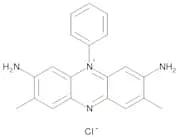
References Chiba, K., et al.: J. Immunol., 160, 5037 (1998), Brinkmann, V., et al.: J. Biol. Chem., 277, 21453 (2002), Kiuchi, M., et al.: Bioorganic & Medicinal Chemistry, 13, 425 (2005Formula:C19H34NO5PColor and Shape:WhiteMolecular weight:387.45Safranin T (>75% Purity)
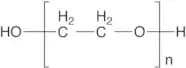
CAS:Controlled ProductFormula:C20H19N4·ClPurity:>75%Color and Shape:Dark RedMolecular weight:350.84Poly(ethylene Glycol) ~1000
CAS:Controlled ProductApplications Poly(ethylene Glycol) molecules of an average molecular mass of 1000. Poly(ethylene Glycol) is used in various applications from industrial chemistry to biological chemistry. Recent research has shown PEG maintains the ability to aid the spinal cord injury recovery process, helping the nerve impulse conduction process in animals. In rats, it has been shown to aid in the repair of severed sciatic axons, helping with nerve damage recovery. It is industrially produced as a lubricating substance for various surfaces to reduce friction. PEG is also used in the preparation of vesicle transport systems in with application towards diagnostic procedures or drug delivery methods.
References Borgens, R. et al.: J. Neurosci. Res., 66, 1179 (2001); Stavisky, R. et al.: Neurosci. Lett., 376, 98 (2005); Nalam, P. et al.: Tribiol. Lett., 37, 541 (2010); Steinmetz, N. et al.: J. Am. Chem. Soc., 131, 17093 (2009); Li, X. et al.: J. Am. Chem. Soc., 133, 11147 (2011); Li, L. et al.: Int. J. Pharm., 447, 192 (2013);Formula:H2O(C2H4O)nColor and Shape:White To Off-WhiteMolecular weight:62.07Gibberellin A8
CAS:Stability Temperature and Light Sensitive
Applications Gibberellin A8 is a derivative of Gibberellic Acid (G377450), a hormone that is found in plants which promotes the growth and elongation of cells. Gibberellic acid acts as a plant growth regulator on account of its physiological and morphological effects in extremely low concentrations.
References Bayle, J. et al.: Chem. Biol., 13, 99 (2006); Ihara, S. et al.: J. Cell Sci., 119, 500 (2006); Suh, B. et al.: Science, 314, 1454 (2006); Rinaudo, K. et al.: Nat. Biotechnol., 25, 795 (2007); Goto, N. et al.: Can. J. Botany., 77, 944 (1999);Formula:C19H24O7Color and Shape:Off White SolidMolecular weight:364.39Nigericin Sodium Salt
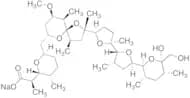
CAS:Stability Hygroscopic
Applications Nigericin Sodium Salt is a polyether antibioitc K+ and Na+ ionophore.
Not a dangerous good if item is equal to or less than 1g/ml and there is less than 100g/ml in the package
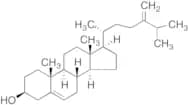
References Graven, S.N., et al.: Proc. Natl. Acad. Sci., 56, 654-8 (1966);Formula:C40H67NaO11Color and Shape:White To Off-WhiteMolecular weight:746.94Ostreasterol
CAS:Applications Ostreasterol is a marine steroid, and also a derivative compound of hydroxycholesterol (H918040), which functions as the main cholesterol elimination product of the brain and was found to be increased in serum of Alzheimer patients.
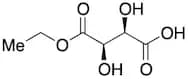
References Kolsch, H., et al.: J. Neural. Transm., 108, 475 (2001); Gamba, P., et al.: Aging. Cell., 10, 403 (2011); Seet, R.C.S., et al.: Free. Rad. Biol. Med., 48, 560 (2010);Formula:C28H46OColor and Shape:NeatMolecular weight:398.66Ethyl Acid Tartrate
CAS:Applications 4-Ethoxy-2,3-dihydroxy-4-oxobutanoic acid was studied for to be a possibe bifunctional gasoline-methanol additive.
References Jiang, X., et al.: Asian J. Chem., 25, 8451-54 (2013);Formula:C6H10O6Color and Shape:ColourlessMolecular weight:178.14POPE
CAS:Controlled ProductStability Light Sensitive, Moisture Sensitive
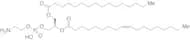
Applications POPE is a component of E. Coli bacteria cell membrane.
References Tu, Y., et al.: Nature Nanotechnology, 8, 594 (2013).Formula:C39H76NO8PColor and Shape:NeatMolecular weight:718.0Thymolphthalein Monophosphoric Acid Disodium Salt (>85%)
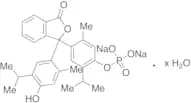
CAS:Controlled ProductApplications Thymolphthalein Monophosphoric Acid Disodium Salt is a chromogenic substrate for the determination of acid phosphatase and alkaline phosphatase. It is a disodium salt form of Thymolphthalein Monophosphoric Acid which can be used as reactant/reagent in reaction of homodimer and heterodimer subunits of human prostate acid phosphatase.
References Lee, H., et al.: Biochem J, 277, 759 (1991)Formula:C28H29Na2O7P•xH2OPurity:>85%Color and Shape:NeatMolecular weight:554.481802Norbixin
CAS:Stability Light Sensitive, Temperature Sensitive
Applications Norbixin is a carotenoid used as cosmetic pigment and food colouring additive.
References Bouvier, F., et al.: Science, 300, 2089 (2003); Breithaupt, D.: Food Chem., 86, 449 (2004);Formula:C24H28O4Purity:>70%Color and Shape:Dark Red SolidMolecular weight:380.48Azido-PEG3-azide
CAS:Controlled ProductApplications A useful linker for biomolecules.
Formula:C8H16N6O3Color and Shape:NeatMolecular weight:244.254-(Quinoline-8-sulfonamido)benzoic Acid
CAS:Formula:C16H12N2O4SColor and Shape:NeatMolecular weight:328.34