Biochemicals and Reagents
Subcategories of "Biochemicals and Reagents"
- Biomolecules(98,560 products)
- By Biological Target(101,036 products)
- By Pharmacological Effects(6,953 products)
- Cryopreservatives(21 products)
- Desinfectants and Related Compounds(28 products)
- Hormones(531 products)
- Plant Biology(6,903 products)
- Secondary Metabolites(14,369 products)
Found 130609 products of "Biochemicals and Reagents"
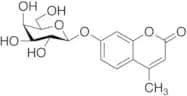
4-Methylumbelliferyl β-D-Galactopyranoside
CAS:Controlled ProductApplications Substrate for fluorometric assay of ß-D-galactosidase
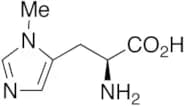
Formula:C16H18O8Color and Shape:NeatMolecular weight:338.313-N-Methyl-L-histidine
CAS:Applications 3-N-Methyl-L-histidine is a potential compound to be used as a treatment with pharmacological PPARα agonists to stimulate the ubiquitin proteasome pathway and myofibrillar protein breakdown in skeletal muscle of rodents.
References Ringseis, R., et al.: Biochem. Biphys. Gen. Subject., 1830, 2105 (2013); Ubhi, B.K., et al.: Molec. Biosys., 8, 3125 (2012);Formula:C7H11N3O2Color and Shape:NeatMolecular weight:169.184-Aminohippuric Acid
CAS:Controlled ProductApplications 4-Aminohippuric Acid is used in the measurement of renal plasma flow as a diagnostic tool which may be applied towards kidney disorders.
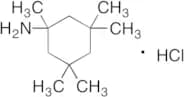
References Phillips, R. et al.: Am. J. Physiol., 152, 523 (1948);Formula:C9H10N2O3Color and Shape:Off White SolidMolecular weight:194.19Neramexane Hydrochloride
CAS:Controlled ProductApplications Neramexane HCl (cas# 219810-59-0) is a useful research chemical.
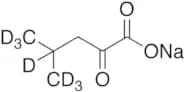
Formula:C11H23N·HClColor and Shape:NeatMolecular weight:205.774-Methyl-2-oxovaleric Acid-d7 Sodium Salt
CAS:Controlled ProductApplications Labelled 4-Methyl-2-oxovaleric Acid, an α-ketomonocarboxylic acid that triggers insulin release by acting upon receptor sites which differ from those occupied by amino acids. 4-Methyl-2-oxovaleric Acid is an intermediate in the metabolism of Leucine.
References Panten, U. et al.: Naun.-Schmied. Arch. Pharmacol., 291, 405 (1975); Vague, P. et al.: Diab. Metab., 1, 185 (1975); Francois, G. et al.: Lancet, 1, 858 (1984);Formula:C62H7H2O3·NaColor and Shape:NeatMolecular weight:159.17Potassium Orotate
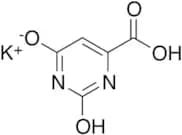
CAS:Controlled ProductApplications Potassium orotate (cas# 24598-73-0) is a useful research chemical.
Formula:C5H3N2O4KColor and Shape:NeatMolecular weight:194.19Folitixorin (~80%)(Mixture of Diastereomers)
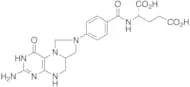
CAS:Stability Hygroscopic, Moisture Sensitive, Temperature Sensitive
Applications A stable folate lyophilized compound suitable for use in the treatment of cancer and other therapies.
References Park, H., et al.: Science, 268, 1866 (1995), Banerjee, R., et al.: J. Biol. Chem., 282, 14916 (2007), Klar, T., et al.: J. Mol. Biol., 366, 954 (2007),Formula:C20H23N7O6Color and Shape:NeatMolecular weight:457.44Perhydrofarnesyl Acetone
CAS:Controlled ProductApplications Perhydrofarnesyl Acetone is used as a flavor and fragrance agent, it is often used in jasmine compositions.
References Toda, H. et al.: Dev. Food Sci., 17, 181 (1988); Maggi, F. et al.: Food Chem., 113, 216 (2009); Maggi, F. et al.: Chem. Biodiv., 8, 2057 (2011);Formula:C18H36OColor and Shape:ColourlessMolecular weight:268.48Phosphoenolpyruvate, tricyclohexylammonium salt
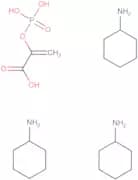
CAS:M02739 - Phosphoenolpyruvate, tricyclohexylammonium salt
Formula:C21H44N3O6PPurity:95%Color and Shape:SolidMolecular weight:465.572OctaInd
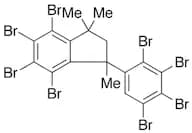
CAS:Controlled ProductApplications OctaInd is a commercial brominated flame retardant (BFR) used in styrenic and engineering thermoplastics.
References Andersson, P., et al.: Environ. Toxicol. Chem., 25, 1275 (2006), Richardson, S., et al.: Anal. Chem., 79, 4295 (2007),Formula:C18H12Br8Color and Shape:NeatMolecular weight:867.5199rac cis-9,10-Epoxystearic Acid
CAS:Controlled ProductApplications An epoxy fatty acid found in Pneumocystis carinii lipids.
References Gibson, G., et al.: Xenobiotica, 19, 1123 (1989), Pellegrini, L., et al.: Plant Physiol., 103, 509 (1993), Scheller, U., et al.: J. Biol. Chem., 273, 32528 (1998), Tijet, N., et al.: Biochem. J., 332, 583 (1998),Formula:C18H34O3Color and Shape:NeatMolecular weight:298.46Anthrone (~90%)
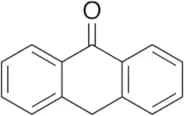
CAS:Applications Anthrone is a tricyclic aromatic ketone and related compound of anthracene. Anthrone is used as a reagent in the colorometric determination of carbohydrates. Dyes and metabolites.
References Trevelyan, W.E. et al.: Nature, 170, 626 (1952);Formula:C14H10OPurity:~90%Color and Shape:Light YellowMolecular weight:194.234-Hydroxybutanesulfonate Sodium Salt (Technical Grade)
CAS:Controlled ProductApplications Impurity of β-cyclodextrin (C987830), a cyclic oligosaccharide produced from starch via enzymatic conversion.
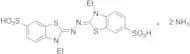
References Johnson, M.D., et al.: J. Pharma. Sci., 83, 1142 (1994); Jain, A.C., et al.: Int. J. Pharma., 212, 177 (2001);Formula:C4H9O4S·NaColor and Shape:NeatMolecular weight:176.17Diammonium-2,2’ Azino-bis(3-ethylbenzothiazoline-6-sulfonate)
CAS:Stability Hygroscopic, Light Sensitive
Applications Diammonium-2,2’ Azino-bis(3-ethylbenzothiazoline-6-sulfonate) has been shown to inhibit catalase, a mammalian antioxidant enzyme which degrades hydrogen peroxide into water and oxygen species.
References J. Biol. Chem. et al.: J. Biol. Chem., 280, 35372 (2005);Formula:C18H18N4O6S4·2H3NColor and Shape:Light Green PowderMolecular weight:548.68Methyl 4-Formyl-3-methoxybenzoate
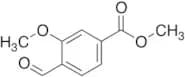
CAS:Controlled ProductFormula:C10H10O4Color and Shape:NeatMolecular weight:194.181,3-Dipalmitoyl-2-oleoyl Glycerol
CAS:Controlled ProductApplications 1,3-Dipalmitoyl-2-oleoyl Glycerol is a triglyceride found in oils from various natural sources such as palm kernels, sunflower seeds and soybean. 1,3-Dipalmitoyl-2-oleoyl Glycerol is used to study the effects of specific synthetic triglycerides on atherosclerosis.
References Kritchevsky, D. et al.: LIpids, 35, 621 (2000); Mayamol, P.et al.: J. Food Sci. Technol., 45, 305 (2008);Formula:C53H100O6Color and Shape:NeatMolecular weight:833.36Disperse Orange 37
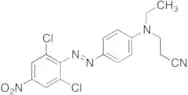
CAS:Applications Disperse Orange 37 is an orange azo dye used in plastics. Dyes and metabolites, Environmental Testing.
References Okada, Y. et al.: Color. Tech., 126, 127 (2010); Alicilar, A. et al.: Chin. J. Chem. Phys., 23, 368 (2010);Formula:C17H15Cl2N5O2Color and Shape:NeatMolecular weight:392.24Pigment Orange 13 (Technical Grade)
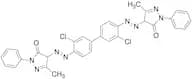
CAS:Controlled ProductFormula:C32H24Cl2N8O2Color and Shape:OrangeMolecular weight:623.49