Biochemicals and Reagents
Subcategories of "Biochemicals and Reagents"
- Biomolecules(98,563 products)
- By Biological Target(101,024 products)
- By Pharmacological Effects(6,952 products)
- Cryopreservatives(21 products)
- Desinfectants and Related Compounds(28 products)
- Hormones(531 products)
- Plant Biology(6,903 products)
- Secondary Metabolites(14,369 products)
Found 130609 products of "Biochemicals and Reagents"
UCHL3 Blocking Peptide
A synthetic peptide for use as a blocking control in assays to test for specificity of UCHL3 antibody, catalog no. 70R-9731
Purity:Min. 95%A1CF Blocking Peptide
A synthetic peptide for use as a blocking control in assays to test for specificity of A1CF antibody, catalog no. 70R-4765
Purity:Min. 95%TMEM166 Blocking Peptide
A synthetic peptide for use as a blocking control in assays to test for specificity of TMEM166 antibody, catalog no. 70R-6649
Purity:Min. 95%RAPGEF3 Blocking Peptide
A synthetic peptide for use as a blocking control in assays to test for specificity of RAPGEF3 antibody, catalog no. 70R-4546
Purity:Min. 95%SERPINH1 Blocking Peptide
A synthetic peptide for use as a blocking control in assays to test for specificity of SERPINH1 antibody, catalog no. 20R-1310Purity:Min. 95%KCNAB3 Blocking Peptide
A synthetic peptide for use as a blocking control in assays to test for specificity of KCNAB3 antibody, catalog no. 70R-1485
Purity:Min. 95%TSHR antibody
TSHR antibody is a monoclonal antibody that acts as an inhibitor of the epidermal growth factor family kinase. It specifically targets and binds to the thyroid-stimulating hormone receptor (TSHR) in the nucleus, preventing its activation by autoantibodies. This antibody has been shown to exhibit cytotoxic effects on cells expressing TSHR, inhibiting their growth and proliferation. Additionally, it has been found to modulate the activity of transforming growth factor-beta 1 (TGF-β1), a potent growth factor involved in various cellular processes. TSHR antibody is available in both monoclonal and polyclonal forms, providing researchers with options for their specific experimental needs. Its use has also been associated with reduced superoxide production and protection against thrombocytopenia. With its ability to target TSHR and influence key signaling pathways, this antibody holds great potential for research in the fields of thyroid biology, autoimmune diseases, and cancer therapy.
MK 212 Hydrochloride
CAS:MK 212 is a chloral derivative that has sedative and hypnotic properties. It also has some analgesic effects, but it is not used for this purpose because of its addictive potential. Methiothepin, a serotonergic agent, is the major metabolite of MK 212. It binds to 5-HT receptors in the dorsolateral striatum and acts as a 5-HT agonist. This drug also stimulates the release of dopamine from neurons in the striatum. The biochemical and receptor-mediated effects of MK 212 on serotonin are similar to those observed with heroin, which suggests that it may be useful in treating addiction to heroin or other opiates.
Formula:C8H11ClN4·HClPurity:Min. 95%Molecular weight:198.65 g/molRef: 3D-LCA65558
Discontinued productPF4 antibody
PF4 antibody was raised in sheep using Platelet Factor 4 purified from human platelet releasate as the immunogen.Purity:Min. 95%Phytohemagglutinin
CAS:Phytohemagglutinin is a plant-derived protein that belongs to the class of hemagglutinins. It is used in plant physiology and has been shown to stimulate lymphocyte transformation. This protein has also been shown to have biological properties, such as the ability to inhibit growth of kidney bean cells. Phytohemagglutinin can be used in immunological studies and may be useful for treating autoimmune diseases. In addition, this protein stimulates the production of IL-2 by T cells, which can lead to leukemia or lymphoma. The optimum concentration for phytohemagglutinin is 0.1% (w/v).
Purity:Min. 95%Molecular weight:1,000 g/molTRIM25 antibody
The TRIM25 antibody is a biomolecule used in Life Sciences for various applications. It is available as both polyclonal and monoclonal antibodies. The TRIM25 antibody has high specificity and affinity for its target, making it an ideal diagnostic reagent.
Tetraspanin 17 Blocking Peptide
A synthetic peptide for use as a blocking control in assays to test for specificity of TSPAN17 antibody, catalog no. 70R-6680
Purity:Min. 95%DPH1 Blocking Peptide
A synthetic peptide for use as a blocking control in assays to test for specificity of DPH1 antibody, catalog no. 70R-4122
Purity:Min. 95%MPT64 antibody
The MPT64 antibody is a highly specific monoclonal antibody that acts as an inhibitor against certain viruses and antibodies. It is commonly used in the field of Life Sciences for various applications. This antibody has been shown to have a strong affinity for interferon-gamma (IFN-gamma), a potent growth factor involved in immune response regulation. Additionally, it has the ability to bind to nuclear proteins and inhibit polymerase chain reactions (PCR). The MPT64 antibody can also be used to detect virus surface antigens in human serum samples, making it a valuable tool in diagnostic testing. With its electrode-activated properties, this antibody ensures accurate and reliable results in research and clinical settings.
Cytokeratin 4+5+6+8+10+13+18 antibody (Prediluted for IHC)
Mouse monoclonal Cytokeratin 4+5+6+8+10+13+18 antibody (Prediluted for IHC)
Purity:Min. 95%NTRK2 Blocking Peptide
A synthetic peptide for use as a blocking control in assays to test for specificity of NTRK2 antibody, catalog no. 70R-9083
Purity:Min. 95%PARVB Blocking Peptide
A synthetic peptide for use as a blocking control in assays to test for specificity of PARVB antibody, catalog no. 70R-6047
Purity:Min. 95%Porcine Serum Albumin
Porcine serum albumin is a versatile protein used in various applications in the Life Sciences field. It serves as an elastase inhibitor, preventing the degradation of proteins by elastase enzymes. Porcine serum albumin can also act as an antigen, stimulating immune responses and antibody production. It is commonly used in research involving adeno-associated viruses (AAV) as a stabilizer and buffer. Additionally, porcine serum albumin is utilized in lectin assays to enhance binding between lectins and glycoproteins. This protein is often employed as a blocking agent to reduce non-specific binding in immunoassays, such as Western blotting and ELISA. Porcine serum albumin is available in both native and activated forms, making it suitable for various experimental needs. Whether you require high-density monoclonal antibody production or low-density oncostatin stimulation, porcine serum albumin is a reliable component for your research endeavors.Purity:>95% By Sds-Page.HNF4G Blocking Peptide
A synthetic peptide for use as a blocking control in assays to test for specificity of HNF4G antibody, catalog no. 70R-1918
Purity:Min. 95%LRRC24 Blocking Peptide
A synthetic peptide for use as a blocking control in assays to test for specificity of LRRC24 antibody, catalog no. 70R-6429
Purity:Min. 95%AKAP8 Blocking Peptide
A synthetic peptide for use as a blocking control in assays to test for specificity of AKAP8 antibody, catalog no. 70R-7945
Purity:Min. 95%RG 108
CAS:Inhibitor of DNA methyltransferase 1
Formula:C19H14N2O4Purity:Min. 95%Molecular weight:334.33 g/molCollagen Type VI Alpha 2 antibody
Collagen Type VI Alpha 2 antibody was raised using the C terminal of COL6A2 corresponding to a region with amino acids ARRFVEQVARRLTLARRDDDPLNARVALLQFGGPGEQQVAFPLSHNLTAI
BCL2L1 antibody
The BCL2L1 antibody is a monoclonal antibody that specifically targets the alpha-fetoprotein (AFP), a biomarker associated with various diseases including cancer. This antibody has been extensively studied in the field of Life Sciences and has shown promising results in detecting and quantifying AFP levels in human serum samples. The BCL2L1 antibody binds to AFP with high affinity, making it an ideal tool for diagnostic purposes. Additionally, this antibody has also been used in research studies to investigate the role of AFP in cholinergic signaling, epidermal growth factor (EGF) signaling, and β-catenin activation. Its versatility and specificity make the BCL2L1 antibody a valuable tool for scientists and researchers working in diverse fields such as oncology, immunology, and molecular biology.
Goat anti Mouse IgG (H + L) (rhodamine)
This antibody reacts with heavy (gamma) chains on mouse IgG and light chains on all mouse immunoglobulins.Purity:Min. 95%HSP90 rabbit polyclonal Ab (10 blot size)
The HSP90 rabbit polyclonal antibody is a research tool that can be used to study the activation of HSP90. This antibody is raised against peptides from the human Hsp90 and has been shown to inhibit the activity of HSP90. The high purity level ensures that this antibody will not cause any background noise during experiments. This product is for use in life science and cell biology applications, as well as for pharmacology and receptor studies.
Purity:Min. 95%KIF21A Blocking Peptide
A synthetic peptide for use as a blocking control in assays to test for specificity of KIF21A antibody, catalog no. 70R-5567
Purity:Min. 95%5-[5-[2-(3,5-Dimethyl-1-piperazinyl)acetyl]-2-ethoxyphenyl]-1,6-dihydro-1-methyl-3-propyl-7H-pyrazolo[4,3-d]pyrimidin-7-one
CAS:3,5-Dimethylacetildenafil is a research tool that can be used as an activator or ligand to study the function of receptors and ion channels. It also has potential in the treatment of cardiovascular diseases. 3,5-Dimethylacetildenafil binds to and activates the receptor for nitric oxide (iNOS). The activation of this receptor leads to vasodilation and increased blood flow. This drug is also an inhibitor of phosphodiesterase type 5 (PDE5), which is responsible for breaking down cGMP, thereby regulating smooth muscle tone in penile tissue. 3,5-Dimethylacetildenafil has been shown to inhibit the enzyme activity of protein kinases by binding to ATP and preventing it from converting into ADP.
Formula:C25H34N6O3Purity:Min. 95%Molecular weight:466.6 g/molRef: 3D-QBC04188
Discontinued productGABRA1 Blocking Peptide
A synthetic peptide for use as a blocking control in assays to test for specificity of GABRA1 antibody, catalog no. 70R-5213
Purity:Min. 95%MRGPRX3 Blocking Peptide
A synthetic peptide for use as a blocking control in assays to test for specificity of MRGPRX3 antibody, catalog no. 70R-9933
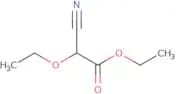
Purity:Min. 95%Ethyl 2-cyano-2-ethoxyacetate
CAS:Please enquire for more information about Ethyl 2-cyano-2-ethoxyacetate including the price, delivery time and more detailed product information at the technical inquiry form on this page
Formula:C7H11NO3Purity:Min. 95%Molecular weight:157.17 g/molRef: 3D-MDA28596
Discontinued productNestin antibody
The Nestin antibody is a powerful tool for researchers in the field of Life Sciences. This polyclonal antibody specifically targets and binds to Nestin, an intermediate filament protein that is commonly used as a marker for neural stem cells. The antibody has been extensively tested and validated for its specificity and sensitivity in various applications, including immunohistochemistry, western blotting, and flow cytometry.
Rabbit anti Bovine IgG (H + L) (Texas Red)
Rabbit anti-bovine IgG (H+L) was raised in rabbit using bovine IgG whole molecule as the immunogen.
Purity:Min. 95%Cerium(III) bromide hydrate
CAS:Cerium(III) bromide hydrate is a halide compound that has various applications in the field of medicine and research. It is commonly used as a photomultiplier material, which is essential for detecting and amplifying light signals. Additionally, it serves as a reagent in chemical reactions and plays a role in collagen synthesis. Cerium(III) bromide hydrate has been found to have peroxisome-stimulating properties, promoting the production of sesquiterpenes such as β-caryophyllene. This compound has also shown potential in cavity research and can be used as an electrode material. In the medical field, Cerium(III) bromide hydrate has been studied for its effects on pancreatitis and its interaction with human C-C chemokine receptors. Its unique molecular sequences make it a valuable compound for various scientific investigations.
Formula:CeBr3xH2OPurity:Min. 95%Molecular weight:379.83 g/molRef: 3D-FC171800
Discontinued productSTIP1 antibody
The STIP1 antibody is a highly specialized monoclonal antibody that targets the glial fibrillary acidic protein (GFAP). It can be used in immunoassays to detect and quantify GFAP in various biological samples. This antibody specifically recognizes the amino group of GFAP, allowing for accurate and sensitive detection. The STIP1 antibody has been extensively validated and is widely used in life sciences research. It is commonly used in studies involving epidermal growth factor (EGF) signaling pathways, as well as in the development of anti-HER2 antibodies. With its high specificity and sensitivity, this antibody offers researchers a valuable tool for studying GFAP-related processes and diseases.
CD16 antibody (Allophycocyanin)
CD16 antibody (Allophycocyanin) was raised in rat using murine CD16/32 (CD16/Fc gamma II and CD32/Fc gamma III receptors)
Purity:Min. 95%Cortisol
Cortisol is a steroid hormone that plays a crucial role in various physiological processes. It is involved in the regulation of metabolism, immune response, and stress response. Cortisol is commonly used as a biomarker for assessing stress levels and adrenal function.Purity:≥ 98% By HplcFADD antibody
The FADD antibody is a monoclonal antibody that targets α-syn, a protein associated with neurodegenerative diseases such as Parkinson's disease. It has been shown to neutralize the harmful effects of α-syn and reduce its accumulation in the brain. This antibody also inhibits endothelial growth factor and promotes the growth of mesenchymal stem cells, which are involved in tissue repair and regeneration. Additionally, the FADD antibody has been used to measure microvessel density in blood plasma samples using particle chemiluminescence emission. It is a valuable tool for researchers in the field of life sciences studying neurodegenerative diseases and angiogenesis.










![5-[5-[2-(3,5-Dimethyl-1-piperazinyl)acetyl]-2-ethoxyphenyl]-1,6-dihydro-1-methyl-3-propyl-7H-pyraz…](/_next/image/?url=https%3A%2Fstatic.cymitquimica.com%2Fproducts%2F3D%2Fthumb-webp%2FQBC04188.webp&w=3840&q=75)