Biochemicals and Reagents
Subcategories of "Biochemicals and Reagents"
- Biomolecules(98,678 products)
- By Biological Target(100,149 products)
- By Pharmacological Effects(6,845 products)
- Cryopreservatives(21 products)
- Desinfectants and Related Compounds(28 products)
- Hormones(356 products)
- Plant Biology(6,910 products)
- Secondary Metabolites(14,344 products)
Found 130210 products of "Biochemicals and Reagents"
Acid alpha-glucosidase (83-99), human
Acid α-glucosidase (83-99) (human) is derived from the exogenous enzyme which degrades glycogen, maltose and isomaltose through targeting alpha -1,4 and alpha -1,6 linkages. Once synthesised in its precursor form, within the Golgi it is glycosylated and acquires mannose 6-phosphate residues. This allows it to be transported to the Lysosome in a multistep process.Pompe disease, also known as glycogen storage disease type II, can be diagnosed through the absence of acid α-glucosidase activity within patients. Therefore glycogen degradation in the lysosome is inhibited by this autosomal recessive disorder. This results in the accumulation of glycogen and tissue destruction, hence contributing to the pathologies of muscle weakness and respiratory failure, associated with infantile onset and adult onset Pompe disease.Purity:Min. 95%Molecular weight:1,844.9 g/molHCV NS3 protease FRET substrate
HCV NS3 protease FRET substrateColor and Shape:PowderMolecular weight:2,112.8 g/molBRDU antibody
BRDU antibody was raised in sheep using BrdU coupled to KLH as the immunogen.Purity:Min. 95%EST Ubiquitin (64-72) Light
Ubiquitin (64-72) is derived from ubiquitin, a protein which is added through a catalytic process to target proteins to initiate processes such as protein degradation, DNA repair, protein kinase activation and vesicle trafficking.When ubiquitin is added to a target molecule, it is first activated by an ubiquitin-activating enzyme E1 resulting in the formation of the E1-Ub thioester. It is then received by the E2 ubiquitin conjugating enzyme and then transferred onto a lysine residue of the target protein by the E3 ubiquitin ligase.Ubiquitin plays a major role in protein degradation due to the formation of a polyubiquitin chain. This is produced when the lysine-48 residue on ubiquitin is itself ubiquitinated and sequentially followed by the further addition of ubiquitin molecules. The target protein which now contains the polyubiquitinated chain is recognised by the 26s proteasome and degraded.Alternatively monoubiquitination signals can initiate processes such as receptor internalisation and DNA repair. Specifically polyubiquitin chains on lysine 63 residues can regulate processes such as protein kinase activation and vesicle trafficking.Purity:Min. 95%Molecular weight:1,383.7 g/molAnnexin A5 (277-285) Heavy
Annexin A5 (277-285) Heavy, derived from the annexin A5 protein is a member of the annexin family which is dependent on Ca2+ to bind reversibly to negatively charged phospholipids located on cell membranes. It has been shown that annexin A5 forms a two dimensional crystalline array when it binds to the membrane, allowing it to immobilise membrane proteins. This property allows annexin A5 to exhibit rupture-resealing activity. When the membrane becomes ruptured there is a large influx of Ca2+ ions into the cells, consequently annexin A5 binds to the ruptured area and the resealing of the area occurs due to the formation of annexin A5 two dimensional crystalline arrays.Within the field of scientific research annexin A5 can be used to image apoptosis through binding to the apoptotic marker Phosphatidylserine.The Arginine residue at position 9 has been isotopically labelled with carbon-13 (6) and nitrogen-15 (4), giving this peptide a mass increase of 10 compared to the unlabelled peptide.Purity:Min. 95%Color and Shape:PowderMolecular weight:1,115.6 g/mol[Aurora™ Fluor 647]-RGD peptide
The RGD motif has been found in wide range of eukaryotic proteins allowing cell adhesion to the ECM. The tripeptide RGD is the primary domain to bind integrin found in extracellular matrix (ECM) proteins including fibronectin, fibrinogen and osteopontin. It has been shown to effectively adhere various cell types to a wide range of biomaterials. This is a key research tool in the flourishing area of tissue engineering and wound healing using synthetic peptides that are either inert or can be potentially beneficial. RGD is a suitable ligand for targeting nanomolecules and cancer drugs to specific tissues due to its biocompatibility and safety.This RGD peptide is supplied with an Aurora Fluor 647 fluorophore attached and produced to research grade quality. Aurora Fluor 647 excitation suited to 594nm and emission peaked at 671nm. The Molecular Probes Alexa Fluor dyes provide a number of benefits including: more intense fluorescence than other spectrally similar conjugates better photostability, allowing more time for image capture availability of conjugates in an array of distinct fluorescent colours from blue to infrared- and pH insensitivity that enables the dyes to remain highly fluorescent over a broad pH range and high water solubility.Color and Shape:PowderMorphine antibody
The Morphine antibody is a highly specialized monoclonal antibody that plays a crucial role in various aspects of Life Sciences. This antibody specifically targets and neutralizes the effects of morphine, a potent painkiller and opioid drug. By binding to morphine molecules, the antibody prevents their interaction with receptors in the body, thereby inhibiting their cytotoxic and growth factor properties.TAT-AKAP79 (326-336) scrambled
The activation of transient receptor potential cation channel subfamily V member 1 (TRPV1) is believed to play a role in hyperalgesia, asthma and hypertension. TRPV1 is important for neuronal pain detection as well as the detection of heat, capsaicin, protons and the neurotransmitter anandamide. -The scaffold protein AKAP79 targets kinases to phosphorylate TRPV1, however it has been shown that inflammatory intermediates prostaglandin-E2 or bradykinin can activate these kinases creating a route for inflammation to cause hyperalgesia.This product is composed of the TRPV1 interacting domain of AKAP79 reordered into a scrambled sequence and conjugated to the cell penetrating TAT domain. This product was shown in vivo to have no effect on TRPV1 algesia and thus is a vital control for research work. This product is a vital tool for research into suitable TRPV1 antagonists.Molecular weight:2,878.6 g/molApelin-17 (human, bovine)
Apelin-17 (human, bovine) is derived from the apelin peptide which acts as a ligand for the apelin receptor (APJ) G protein coupled receptor and is a substrate for angiotensin converting enzyme 2. Preprapelin, encoded for by APLN located on Xq25-26.1, is cleaved to form either apelin 36,or apelin 17, 12 and apelin 13. As a member of the adipokine hormone family, which are involved in processes such as vascular homeostasis and angiogenesis, apelin is secreted from adipose tissue.Apelin has been found to be expressed in the spinal cord and the human brain and when performing immunohistochemistry it was observed that apelin-17 is significantly expressed in the human heart, brain, lungs and endothelial cells.Both apelin and the apelin receptor are widely distributed around the body thus apelin has been found to be associated with cardiovascular diseases, obesity, diabetes and cancer. Studies exploring myocardial infarction showed there to be greater apelin mRNA expression during human heart failure compared to in healthy tissue. Apelin protects against heart failure due to, the pyroglutamyl form of apelin, playing a role in decreasing infarct size of myocardial infarctions. Furthermore in rats with hypertension, the expression of apelin and APJ was decreased.
Molecular weight:2,137.2 g/molLasioglossin-III
Lasioglossin-III (Lasio-III) is a naturally-occurring salt-resistant anti-microbial peptide (AMP) found in-Lasioglossum laticeps-(broad-faced furrow bee). Lasioglossin-III has broad spectrum anti-microbial activity and anti-biofilm properties against Gram negative and Gram positive bacteria, including strong anti-microbial activity against-E. coli,-S. aureus, and-P aeruginosa-under physiological salt concentration, with low toxicity.AMPs form an important part of the innate immune system in plants, animals and insects-and are reported to be effective even against several antibiotic resistant strains due to differing modes of pathogen killing from those of conventional antibiotics. Lasio-III has a membranolytic mode of action. It can bind both the outer and inner membranes of bacteria. Lasio-III possesses a fast killing ability toward both Gram positive and negative bacteria compared to many other active AMPs.Molecular weight:1,764.2 g/molCMV IgM seroconversion panel 6
CMV IgM seroconversion panel 6 is a life science tool for use in IVD applications. Please enquire for more information about CMV IgM seroconversion panel 6 including the price, delivery time and more detailed product information at the technical inquiry form on this page.Histone H3 (20-39)-Biotin
Histone H3 (20-39)-Biotin is derived from Histone 3 (H3) which is one of the four core histones (H2A, H2B, H3 and H4) fundamental in compacting eukaryotic DNA into the nucleosome. The nucleosome arises when 147 base pairs of DNA wrap around a H3-H4 tetramer and two H2A-H2B dimers, forming the histone octamer core. Both H4 and H3 are highly conserved and perform roles in binding to segments of DNA which enter and leave the nucleosome and in chromatin formation. Similar to the other core histone, H3 has a globular domain and a flexible N-terminal domain, 'histone tail' which can undergo modifications such as acetylation, methylation, phosphorylation and ubiquitination. Due to histones containing a large number of lysine and arginine residues they have a positive net charge which interacts in an electrostatic manner with the negatively charged phosphate groups in DNA. The transcriptional activation or silencing of the chromatin is controlled by ATP-dependent chromatin remodelling factors and histone modifying enzymes which target histone proteins. Both processes function to alter the positioning of the nucleosome, allowing the DNA it to be either available or inaccessible to the transcription machinery.Another modification process histones can undergo is biotinylation where the covalent attachment of a biotin molecule is catalysed by the enzyme Biotinidase. This cleaves biocytin to generate a biotinyl-thiester intermediate. The biotinyl can then be transferred onto the histone lysine ɛ-amino group which is covalently attached to Histone 3. Overall the biotinylation sites identified in histone 3 are: K4, K9 and K18. The presence of biotinylated histones have been detected in human cells such as lymphocytes and lymphomas.
Color and Shape:PowderMolecular weight:2,256.3 g/molAnnexin A5 (30-45) Heavy
Annexin A5 (30-45) Heavy, derived from the annexin A5 protein is a member of the annexin family which is dependent on Ca2+ to bind reversibly to negatively charged phospholipids located on cell membranes. It has been shown that annexin A5 forms a two dimensional crystalline array when it binds to the membrane, allowing it to immobilise membrane proteins. This property allows annexin A5 to exhibit rupture-resealing activity. When the membrane becomes ruptured there is a large influx of Ca2+ ions into the cells, consequently annexin A5 binds to the ruptured area and the resealing of the area occurs due to the formation of annexin A5 two dimensional crystalline arrays.Annexin A5 can be used to image apoptosis through binding to the apoptotic marker Phosphatidylserine.The Arginine residue at position 9 has been isotopically labelled with carbon-13 (6) and nitrogen-15 (4), giving this peptide a mass increase of 16 compared to the unlabelled peptide.Purity:Min. 95%Color and Shape:PowderMolecular weight:1,713.9 g/molCellulose synthase (857-870) Light [Populus tomentosa]
Cellulose synthase is a crucial enzyme involved in the synthesis of cellulose. Cellulose is an aggregation of unbranched polymer chains made of β-(1-4)-linked glucose residues, and is a component of primary and secondary cell walls - functioning to primarily maintain strength and shape in cells. Cellulose is synthesised by large cellulose synthase complexes (CSCs), which consist of synthase protein isoforms (CesA) that are arranged into a unique hexagonal structure. Cellulose synthase (857-870) Light [Populus tomentosa] is specific to the Populus tomentosa species.
Purity:Min. 95%Color and Shape:PowderMolecular weight:1,587.7 g/molH-DASGVTFTWTPSSGK^-OH
Peptide H-DASGVTFTWTPSSGK^-OH is a Research Peptide with significant interest within the field academic and medical research. This peptide is available for purchase at Cymit Quimica in multiple sizes and with a specification of your choice.
Transferrin antibody
Transferrin antibody was raised in mouse using human transferrin as the immunogen.MP196
MP196, a RW-rich peptide, displays antibacterial properties through preventing bacterial cell wall synthesis and cellular respiration. Due to it lacking hemolytic and cytotoxic qualities, MP196 can be used to synthesis antibiotics and aid in the global problem of antibiotic resistance.Color and Shape:PowderMolecular weight:1,043.6 g/molWT1 peptide light
Wilms tumor protein is a protein that is encoded by the WT1 gene on chromosome 11p in humans. WT1 is a tumour suppressor gene associated with the development of Wilms' Tumour, from which it was named. Mutations in exon 7 and 9 of WT1 have been recurrently identified in acute myeloid leukemia and associated with poorer prognosis and chemotherapy resistance.The WT1 peptide is a transcription factor that contains four zinc finger motifs at the C-terminus and a proline / glutamine-rich DNA-binding domain at the N-terminus. It has an essential role in the normal development of the urogenital system. WT1 has been ranked by the National Cancer Institute (NCI) as the Number 1 target for cancer immunotherapy.Purity:Min. 95%Color and Shape:PowderMolecular weight:1,107.6 g/molReserpine - Bio-X ™
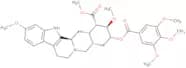
CAS:Reserpine is an indole alkaloid that is found in the roots of the Rauwolfia plant. Reserpine has been shown to possess analgesic, anti-inflammatory, sedative, and anti-hypertensive properties. It is mainly used to treat mild to moderate hypertension. Reserpine inhibits the uptake of norepinephrine into storage vesicles by irreversibly blocking the vesicular monoamine transporter thus resulting in depletion of catecholamines and serotonin from central and peripheral axon terminals. It is used as a pharmacological tool in research on chronic liver diseases.Formula:C33H40N2O9Purity:Min. 95%Color and Shape:PowderMolecular weight:608.68 g/molGW 833972A
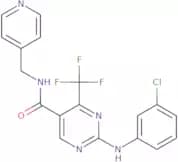
CAS:A cannabinoid receptor agonist, which binds more selectively to CB2 than CB1 receptors (1000-fold). GW833972A inhibits vagus nerve depolarization induced by tussive agents, such as hypertonic saline (EC50 = 6.5 μM), capsaicin (EC50 = 33.9 μM) or PGE2 (EC50 = 15.9 μM).Formula:C18H13ClF3N5OPurity:Min. 95%Color and Shape:White To Off-White SolidMolecular weight:407.78 g/molMacropin 1
Macropin-1 (MAC-1) is an anti-microbial peptide (AMP) isolated from venom of the solitary bee Macropis fulvipes (Hymenoptera: Melittidae). MAC-1 has activity against both Gram-positive and Gram-negative bacteria, including drug-resistant strains. MAC-1 can inhibit biofilm formation in Staphylococcus aureus and Pseudomonas aeruginosa and also exhibits anti-fungal activity. MAC-1 has little to no haemolytic activity against human cells at microbiologically effective concentrations.Macropin acts by first binding to negatively charged bacterial membrane components- such as peptidoglycan (PTG) or lipopolysaccharide (LPS). Macropin then kills the bacteria by disrupting the outer bacterial membrane and depolarising the cytoplasmic membrane to cause cell penetration.Molecular weight:1,416.86 g/molWT1 (37-45) Light
Wilms tumor protein is a protein that is encoded by the WT1 gene on chromosome 11p in humans. WT1 is a tumour suppressor gene associated with the development of Wilms' Tumour, from which it was named. Mutations in exon 7 and 9 of WT1 have been recurrently identified in acute myeloid leukemia and associated with poorer prognosis and chemotherapy resistance.The WT1 peptide is a transcription factor that contains four zinc finger motifs at the C-terminus and a proline / glutamine-rich DNA-binding domain at the N-terminus. It has an essential role in the normal development of the urogenital system. WT1 has been ranked by the National Cancer Institute (NCI) as the Number 1 target for cancer immunotherapy.Purity:Min. 95%Color and Shape:PowderMolecular weight:885.5 g/molExatecan mesylate
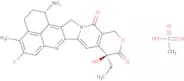
CAS:Exatecan Mesylate, scientifically recognised as DX-8951f, is a hexacyclic chemical compound analogous to camptothecin, with essential antitumoral properties. Exatecan mesylate is used as an inhibitor of DNA topoisomerase I, that plays a key role in DNA replication, transcription, and recombination. Therefore, the use of exatecan mesylate is of great importance in prompting cell division and triggering cell death (Giles, 2000).Formula:C24H22FN3O4·CH4O3SPurity:Min. 98 Area-%Color and Shape:White PowderMolecular weight:531.55 g/molBiotinylated TAT (47-57)
Biotinylated Tat Peptide available in the trifluroacetate salt form. TAT(Transactivated-transcripiton) Peptide Derived from the HIV TAT Protein, is a Cell-Penetrating Peptide which has the ability to transport itself across cell membranes independently. Cell penetrating peptides (CPPs) can be used to carry other molecules into the cell and therefore can be used in many applications. Such applications may include: drug delivery, where small drug peptides or nucleic acids can be delivered into target cells or where CPPs are conjugated to imaging agents such as fluorescent dyes or radiolabeled molecules they can be used for in vivo or in vitro imaging in diagnostics.Formula:C74H132N34O16SPurity:Min. 95%Molecular weight:1,786.16 g/molNCOA1 antibody
NCOA1 antibody was raised in mouse using recombinant Human Nuclear Receptor Coactivator 1 (Ncoa1)Histone H3 (1-20)-GG-[Cys(AZ647)]
Histone H3 (1 - 20) is derived from Histone 3 (H3), which is one of the four core histones (H2A, H2B, H3 and H4) fundamental in compacting eukaryotic DNA into the nucleosome. The nucleosome arises when 147 base pairs of DNA wrap around a H3-H4 tetramer and two H2A-H2B dimers, forming the histone octamer core. H4 and H3 are highly conserved and perform roles in binding to segments of DNA which enter and leave the nucleosome and in chromatin formation. Like the other core histone, H3 has a globular domain and a flexible N-terminal domain, 'histone tail' which can undergo modifications such as acetylation, methylation, phosphorylation and ubiquitination. Due to histones containing many lysine and arginine residues, they have a positive net charge which interacts electrostatically with the negatively charged phosphate groups in DNA. The transcriptional activation or silencing of the chromatin is controlled by ATP-dependent chromatin remodelling factors and histone-modifying enzymes which target histone proteins. Both processes alter the positioning of the nucleosome, allowing the DNA to be either available or inaccessible to the transcription machinery.Histone tails can undergo multiple modifications, including acetylation, methylation, ubiquitylation and sumoylation. The purpose of the modifications is believed to alter chromatin function/structure. Histone H3 (1 - 20), with no modifications, is a valuable peptide in the study of epigenetics. It can aid in understanding interaction with histone effectors and the histone tail using crystallisation and pull-down assays on affinity matrices. Histone H3 (1 - 20) is labelled with the Aurora Fluor 647 fluorescent tag.Molecular weight:3,378.6 g/molIgG1 heavy chain Heavy
Peptide derived from the heavy chain of immunoglobulin G1 (IgG1). Ig or antibodies are made up of two heavy and two light chains both of which have a constant region and a variable region. The variable region, the antigen binding site, is composed of three complementarity determining regions (CDRs) from the variable heavy chain and three CDRs from the variable light chains. The amino acid sequences of the variable region differ between each antibody allowing Ig to bind to specific antigens.The Ig heavy chain can be classed as being either: IgM, IgG, IgA, IgD or IgE each of which change the function of the antibody. Furthermore IgG can be classed as either IgG1, IgG2, IgG3 or IgA2 and again each class exerts a different functional antibody.The IgG1 class is induced by soluble protein antigens and due to it being the most abundant of the IgG subclasses, deficiencies in IgG1 cause overall levels of IgG to decrease. Consequently increasing the risk of recurring infections.The lysine residue is isotopically labelled at position 12 with carbon-13(6) and nitrogen-15(2).Purity:Min. 95%Molecular weight:1,250.7 g/molAc-QQGLPRAAGGC-NH2
Ac-QQGLPRAAGGC-NH2 is a custom peptide that can be synthesized rapidly by our peptide experts in under 2 weeks. Ac-QQGLPRAAGGC-NH2 is provided at greater that >95% purity (HPLC) from Cymit Quimica for a variety of research applications. We also offer Ac-QQGLPRAAGGC-NH2 in bulk quantities in addition to our standard pack sizes.Please enquire for more information about Ac-QQGLPRAAGGC-NH2 at the technical inquiry form on this page
Purity:Min. 95%RSV antibody
RSV antibody was raised in mouse using with purified RSV, strain Long, as the immunogen.PTHrP protein
Region of PTHrP protein corresponding to amino acids AVSEHQLLHD KGKSIQDLRR RFFLHHLIAE IHTAEIRATS EVSPNSKPSP NTKNHPVRFG SDDEGRYLTQ ETNKVETYKE QPLKTP.
Purity:≥98% By Sds-Page And Hplc.Rabbit anti Llama IgG (H + L) (HRP)
This antibody reacts with heavy (gamma) chains on mouse IgG and light chains on all mouse immunoglobulins.Purity:Min. 95%Helicobacter pylori antibody
Helicobacter pylori antibody was raised in mouse using purified H. pylori antigen as the immunogen.Endothelin antibody
The Endothelin antibody is a monoclonal antibody that specifically targets and neutralizes endothelin, a growth factor involved in various physiological processes. This antibody has been shown to bind to the endothelin receptor, preventing its activation and downstream signaling. In addition, it inhibits the colony-stimulating factor GM-CSF, which plays a crucial role in immune cell development and function. The Endothelin antibody has been extensively studied in Life Sciences research and has shown promising results in blocking endothelin-mediated effects. It can be used for applications such as immunoassays, protein detection, and cell-based assays. With its high specificity and affinity, this antibody is a valuable tool for studying endothelin-related pathways and exploring potential therapeutic interventions.
Vedroprevir
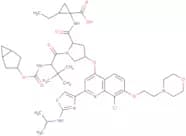
CAS:Vedroprevir is a peptide that belongs to the class of inhibitors. Vedroprevir binds to the receptor and inhibits it from binding with the corresponding ligand, which may be an ion channel, a G-protein coupled receptor, or other proteins. It has been shown to inhibit potassium channels and voltage-gated sodium channels. Vedroprevir is used as a research tool in cell biology and pharmacology for its ability to inhibit protein interactions and ion channels. The high purity of this product makes it suitable for use in antibody production.Formula:C45H60ClN7O9SPurity:Min. 95%Molecular weight:910.5 g/molGRK2 antibody
The GRK2 antibody is a highly specialized product in the field of Life Sciences. It is an antibody that specifically targets and binds to GRK2, a protein kinase involved in various cellular processes. This antibody has been extensively studied and proven to be effective in research applications.CD8a antibody
CD8a antibody was raised in mouse using the alpha chain of chicken CD8a as the immunogen.Tryptase antibody
The Tryptase antibody is a cytotoxic agent that belongs to the class of antibodies. It acts as an inhibitor of nuclear tryptase, a glycoprotein that is activated in response to various stimuli. This antibody specifically targets tryptase and inhibits its activity, preventing it from causing damage to cells and tissues. The Tryptase antibody has been extensively studied in the field of Life Sciences and has shown promising results in inhibiting the growth of cancer cells. It has also been used in conjunction with other antibodies, such as anti-CD20 antibodies, to enhance their therapeutic effects. The monoclonal nature of this antibody ensures high specificity and potency against tryptase, making it an ideal choice for research and clinical applications.Purity:Min. 95%Lithium Heparin Plasma
Lithium Heparin Plasma is a product commonly used in the field of Life Sciences for the collection and analysis of human serum and plasma samples. It contains an inhibitory factor that prevents blood clotting, allowing for the preservation of the sample's integrity. The use of Lithium Heparin Plasma ensures that accurate measurements can be obtained without interference from coagulation factors.Purity:Min. 95%H-HADIWVKSYSLYSRE-OH
H-HADIWVKSYSLYSRE-OH is a custom peptide that can be synthesized rapidly by our peptide experts in under 2 weeks. H-HADIWVKSYSLYSRE-OH is provided at greater that >98% purity (HPLC) from Cymit Quimica for a variety of research applications. We also offer H-HADIWVKSYSLYSRE-OH in bulk quantities in addition to our standard pack sizes.Please enquire for more information about H-HADIWVKSYSLYSRE-OH at the technical inquiry form on this page
Purity:Min. 95%Toxoplasma gondii protein
Toxoplasma gondii protein is a versatile and potent protein that belongs to the family of kinase inhibitors. It is commonly used in research and diagnostic applications due to its ability to elicit a specific immune response. This protein can be targeted by monoclonal antibodies, which are highly specific and can be used for various applications such as immunohistochemistry and flow cytometry. One of the key characteristics of Toxoplasma gondii protein is its nephrotoxicity, which makes it an ideal candidate for studying kidney-related diseases and conditions. Additionally, this protein has shown promising effects on mesenchymal stem cells, promoting their proliferation and differentiation. Autoantibodies against Toxoplasma gondii protein have been identified in certain autoimmune diseases, suggesting its potential role in the pathogenesis of these conditions. Furthermore, this protein has been found to induce apoptosis through the activation of tumor necrosis factor-related apoptosis-inducing ligand (TRAIL) pathwaysComplement C4 antibody
Complement C4 antibody was raised in sheep using human C4 binding protein as the immunogen.Purity:Min. 95%Rabbit anti Goat IgG (H + L) (rhodamine)
Rabbit anti-goat IgG (H + L) (Rhodamine) was raised in rabbit using goat IgG whole molecule as the immunogen.Purity:Min. 95%DHEA 3 Sulfate antibody
DHEA-3 sulfate antibody was raised in rabbit using DHEA-3-HS-BSA as the immunogen.EBV antibody (VCA)
EBV antibody was raised in mouse using viral capsid antigen of EBV as the immunogen.EGF antibody
EGF antibody was raised in rabbit using highly pure recombinant human EGF as the immunogen.HSP70 antibody
HSP70 antibody was raised in Mouse using a purified recombinant fragment of human HSP70 expressed in E. coli as the immunogen.beta 2 Microglobulin protein (> 95% pure)
Purified native Human beta 2 Microglobulin proteinPurity:>95% By (Sds - Page)





![[Aurora™ Fluor 647]-RGD peptide](/_next/image/?url=https%3A%2Fstatic.cymitquimica.com%2Fproducts%2F3D%2Fthumb-webp%2FCRB1101636.webp&w=3840&q=75)







![Cellulose synthase (857-870) Light [Populus tomentosa]](/_next/image/?url=https%3A%2Fstatic.cymitquimica.com%2Fproducts%2F3D%2Fthumb-webp%2FCRB1000365.webp&w=3840&q=75)






![KLHY-[AMC]](/_next/image/?url=https%3A%2Fstatic.cymitquimica.com%2Fproducts%2F3D%2Fthumb-webp%2FCRB1100970.webp&w=3840&q=75)

![Histone H3 (1-20)-GG-[Cys(AZ647)]](/_next/image/?url=https%3A%2Fstatic.cymitquimica.com%2Fproducts%2F3D%2Fthumb-webp%2FCRB1101680.webp&w=3840&q=75)