Biochemicals and Reagents
Biochemicals and reagents are fundamental substances for research and development in fields such as biotechnology, molecular biology, pharmacology, and medicine. These products are essential for a variety of applications, including compound synthesis, biological sample analysis, metabolic process research, and drug production. At CymitQuimica, we offer a wide selection of high-quality, high-purity biochemicals and reagents suitable for various scientific and industrial needs. Our catalog includes enzymes, antibodies, nucleic acids, amino acids, and many other products, all designed to support researchers and professionals in their research and development projects, ensuring reliable and reproducible results.
Subcategories of "Biochemicals and Reagents"
- Biomolecules(99,117 products)
- By Biological Target(99,161 products)
- By Pharmacological Effects(6,787 products)
- Cryopreservatives(21 products)
- Desinfectants and Related Compounds(28 products)
- Hormones(346 products)
- Plant Biology(6,710 products)
- Secondary Metabolites(14,222 products)
Found 130581 products of "Biochemicals and Reagents"
Sort by
Purity (%)
0
100
|
0
|
50
|
90
|
95
|
100
SLC12A8 antibody
<p>SLC12A8 antibody was raised using a synthetic peptide corresponding to a region with amino acids IIRLQLLLLFLLAVSTLDFVVGSFTHLDPEHGFIGYSPELLQNNTLPDYS</p>Purity:Min. 95%Actin antibody
<p>The Actin antibody is a highly specific antibody that targets actin, a protein essential for cellular structure and movement. It is widely used in Life Sciences research to study the role of actin in various biological processes. This antibody has been validated for multiple applications, including immunofluorescence (IF), immunohistochemistry (IHC), Western blotting, and flow cytometry.</p>ZNF71 antibody
<p>ZNF71 antibody was raised in rabbit using the N terminal of ZNF71 as the immunogen</p>Purity:Min. 95%DVL1 antibody
<p>DVL1 antibody was raised using a synthetic peptide corresponding to a region with amino acids LKITIANAVIGADVVDWLYTHVEGFKERREARKYASSLLKHGFLRHTVNK</p>Acidic hair keratin K38 antibody
<p>acidic hair keratin K38 antibody was raised in Guinea Pig using synthetic peptide of human acidic hair (trichocytic) keratin K38 coupled to KLH as the immunogen.</p>Purity:Min. 95%ZNF317 antibody
<p>ZNF317 antibody was raised in rabbit using the C terminal of ZNF317 as the immunogen</p>Purity:Min. 95%Akt antibody (Tyr474)
<p>Also known as Protein Kinase B (PKB), Akt is a signaling protein in cells that regulates important processes like cell growth, survival, metabolism, and proliferation. It functions within the PI3K/Akt pathway, one of the primary pathways for cell survival and growth. This pathway is activated by growth factors and hormones such as insulin. Upon activation, Akt is recruited to the cell membrane, where it is phosphorylated by kinases like PDK1, triggering its full activation. Akt can then influence downstream processes, inhibiting apoptosis to promote cell survival, supporting cell growth via pathways like mTOR, and enhancing glucose metabolism.Akt plays a key role in diseases like cancer and diabetes. Dysregulation of the Akt pathway is frequently observed in cancer, often due to mutations in pathway components such as PI3K, PTEN, or Akt itself, resulting in increased cell survival, growth, and resistance to therapies. In diabetes, insulin resistance diminishes Akt pathway responsiveness, reducing glucose uptake and leading to elevated blood glucose levels. Thus, the Akt pathway is a focal point in therapeutic research, particularly for diseases where its regulatory effects on cell growth and metabolism are implicated.</p>Estrogen Receptor α antibody
<p>The Estrogen Receptor alpha antibody is a powerful tool in the field of Life Sciences. It is an antibody that specifically targets and binds to the estrogen receptor alpha, a protein complex involved in various cellular processes. This antibody has been extensively tested and validated for its high affinity and specificity.</p>Purity:Min. 95%Centa1 antibody
<p>Centa1 antibody was raised in rabbit using the C terminal of Centa1 as the immunogen</p>Purity:Min. 95%XIAP antibody
<p>The XIAP antibody is a highly specialized and activated monoclonal antibody that targets specific proteins involved in cell growth and survival. It is particularly effective against autoantibodies and glycosylation, which can disrupt normal cellular function. The XIAP antibody has been shown to inhibit the activity of insulin and epidermal growth factor, two important growth factors involved in cell proliferation. Additionally, it has demonstrated the ability to neutralize alkaline phosphatases and anti-acth antibodies, which are known to contribute to various diseases. This antibody is a powerful tool in life sciences research and can be used in a variety of applications, including diagnostics, therapeutics, and protein analysis. With its high specificity and potency, the XIAP antibody is an indispensable asset for scientists and researchers in the field.</p>ADCK3 antibody
<p>The ADCK3 antibody is a highly specialized monoclonal antibody used in Life Sciences research. It is designed to target and bind to the CD33 protein, as well as VEGF (vascular endothelial growth factor). This antibody has shown promising results in inhibiting the growth of various cancer cells, including MCF-7 breast cancer cells. Additionally, it has been found to have cytotoxic effects on mesenchymal stem cells and can neutralize the activity of circumsporozoite protein, which is involved in malaria infection. The ADCK3 antibody also exhibits properties similar to trastuzumab and adalimumab, acting as a family kinase inhibitor and a potent anti-inflammatory agent. Its versatility and effectiveness make it a valuable tool for researchers in the field of Life Sciences.</p>IFLTD1 Blocking Peptide
<p>A synthetic peptide for use as a blocking control in assays to test for specificity of IFLTD1 antibody, catalog no. 70R-4170</p>Purity:Min. 95%MMP23B antibody
<p>MMP23B antibody was raised using the N terminal of MMP23B corresponding to a region with amino acids ILSFPRNLLSPRETRRALAAAFRMWSDVSPFSFREVAPEQPSDLRIGFYP</p>Purity:Min. 95%L1CAM antibody
<p>The L1CAM antibody is a monoclonal antibody that specifically targets the L1 cell adhesion molecule (L1CAM), a protein expressed in various tissues. This antibody has been extensively studied in the field of Life Sciences and has shown promising results as an inhibitor of L1CAM-mediated growth factor signaling pathways. It has been used in assays to study the activation of L1CAM and its role in various cellular processes. The L1CAM antibody has also demonstrated cytotoxic activity against cells expressing high levels of L1CAM, making it a potential therapeutic option for certain types of cancer. Additionally, this antibody has been found to have vasoactive properties, potentially affecting vascular function. With its ability to target L1CAM and its diverse range of applications, the L1CAM antibody holds great potential for further research and development in the field of biomedicine.</p>CDCA7L antibody
<p>CDCA7L antibody was raised using the middle region of CDCA7L corresponding to a region with amino acids PPCRGICNCSYCRKRDGRCATGILIHLAKFYGYDNVKEYLESLQKELVED</p>SCN8A antibody
<p>SCN8A antibody was raised using the middle region of SCN8A corresponding to a region with amino acids ESDPEGSKDKLDDTSSSEGSTIDIKPEVEEVPVEQPEEYLDPDACFTEGC</p>Goat anti Rabbit IgG (Fab'2) (rhodamine)
<p>Goat anti-rabbit IgG (Fab'2) (Rhodamine) was raised in goat using rabbit IgG F(ab')2 fragment as the immunogen.</p>Purity:Min. 95%MFSD8 antibody
<p>MFSD8 antibody was raised in rabbit using the middle region of MFSD8 as the immunogen</p>Purity:Min. 95%PPP2R1A Blocking Peptide
<p>A synthetic peptide for use as a blocking control in assays to test for specificity of PPP2R1A antibody, catalog no. 70R-2215</p>Purity:Min. 95%p53 antibody
<p>The p53 antibody is a highly specialized antibody used in life sciences research. It is designed to target and bind to the p53 protein, which plays a crucial role in regulating cell growth and preventing tumor formation. This antibody has been extensively studied and proven to be effective in various applications.</p>H-ALYDVVTKL-OH
<p>HCV NS5B (2594-2602) is an epitope of the non-structural protein 5B of Hepatitis C Virus. HCV NS5B contains CD8 + T cell epitopes that might be implicated in improvement of immunotherapeutic strategies for efficient vaccine development against HCV.<br>Applications of HCV NS5B (2594-2602):<br>HCV NS5B (2594-2602) is used to stimulate specific-cytotoxic T cell responses in peripheral blood mononuclear cells (PBMCs). Then, ELISPOT assay is used to quantify peptide epitope specificity and IFN-γ releasing effector cells.<br>HCV NS5B (2594-2602) was used as a candidate HCV antigen for vaccine development and CD8 + T cell responses against HCV NS5B (2594-2602) have been detected. Results of ELISPOT assay has shown HCV NS5B (2594-2602)-cytotoxic T cell responses in cells with HLA-A*02:01 type.<br>Potential cross-reactivity with HIV-1 p17 Gag (77-85):<br>Similarities between two HLA-A2-restricted epitopes of two viruses have been demonstrated: the amino acid sequence of HIV-1 p17 Gag (77-85) (SLYNTVATL) and of HCV NS5B (2594-2602) (ALYDVVTKL). Therefore, researches are conducted to know if during HCV/HIV co-infection it could be exist a T cell cross reactivity.</p>p70S6 Kinase antibody
<p>The p70S6 Kinase antibody is a highly effective selectable marker used in various research applications. This antibody is designed to specifically target and bind to p70S6 Kinase, a key enzyme involved in the regulation of protein synthesis and cell growth. It is available as both monoclonal and polyclonal antibodies, providing researchers with options depending on their specific needs.</p>Purity:Min. 95%SAMHD1 antibody
<p>The SAMHD1 antibody is a highly specialized monoclonal antibody that specifically targets the SAMHD1 protein. This protein plays a crucial role in regulating the cellular dNTP pool, which is essential for DNA replication and repair. By binding to SAMHD1, this antibody can effectively inhibit its function and disrupt the normal cell cycle.</p>FAM50B antibody
<p>FAM50B antibody was raised using the N terminal of FAM50B corresponding to a region with amino acids EQRRERKRKISCLSFALDDLDDQADAAEARRAGNLGKNPDVDTSFLPDRD</p>SYK antibody
<p>The SYK antibody is a highly effective polyclonal antibody that is used for various applications. It can be used in research and diagnostic settings to detect and measure the presence of specific proteins or biomarkers. The SYK antibody works by binding to its target protein, sclerostin, which plays a crucial role in bone metabolism. By targeting sclerostin, the SYK antibody helps to inhibit its function and promote bone formation.</p>Goat anti Human IgG (Alk Phos)
<p>This antibody reacts with heavy chains on human IgG (gamma chain).</p>Purity:Min. 95%ATF2 antibody
<p>The ATF2 antibody is a highly specialized monoclonal antibody that targets the alpha-fetoprotein (AFP) and amyloid protein. It is activated by a DNA vaccine and has been extensively tested in human serum samples. This antibody specifically binds to ATF2, a transcription factor that plays a critical role in cell survival and proliferation. The ATF2 antibody can be used for ultrasensitive detection of AFP and amyloid protein in various bioassays. Its high specificity and sensitivity make it an ideal tool for researchers studying the role of these proteins in disease development and progression. Additionally, this antibody can be used in phosphatase-linked immunoassays or carbon electrode-based assays for genotoxicity testing. With its versatile applications, the ATF2 antibody is a valuable asset for any laboratory conducting research in these fields.</p>GABABR2 antibody
<p>GABABR2 antibody was raised in rabbit using residues 42-54 [TRGAPRPPPSSPP] of the 105 kDa GABABR2 protein as the immunogen.</p>Purity:Min. 95%HER2 antibody
<p>The HER2 antibody is a highly specialized monoclonal antibody used in the field of Life Sciences. It is specifically designed to target and inhibit the activity of HER2, a growth factor receptor that plays a crucial role in cell proliferation and survival. This acidic antibody has shown cytotoxic effects against various cancer cells expressing high levels of HER2, making it a valuable tool in cancer research and therapy.</p>Purity:Min. 95%AGTR1 antibody
<p>AGTR1 antibody was raised using the N terminal of AGTR1 corresponding to a region with amino acids ILNSSTEDGIKRIQDDCPKAGRHNYIFVMIPTLYSIIFVVGIFGNSLVVI</p>Purity:Min. 95%RFC2 antibody
<p>The RFC2 antibody is a chimeric protein that belongs to the family of antibodies. It is commonly used in life sciences research for various applications such as immunohistochemistry, Western blotting, and ELISA. This antibody specifically targets RFC2, a protein involved in DNA replication and repair processes. By binding to RFC2, the antibody allows for the detection and analysis of this protein in different biological samples.</p>RAB38 antibody
<p>RAB38 antibody was raised using the N terminal of RAB38 corresponding to a region with amino acids MQAPHKEHLYKLLVIGDLGVGKTSIIKRYVHQNFSSHYRATIGVDFALKV</p>Purity:Min. 95%CDK9 antibody
<p>The CDK9 antibody is a crucial tool in the field of Life Sciences. It plays a significant role in cell cytotoxicity studies, as it targets and neutralizes the activity of cyclin-dependent kinase 9 (CDK9). This antibody has been proven to be highly effective in inhibiting the phosphorylation of RNA polymerase II, thereby preventing transcriptional elongation and ultimately leading to cell death.</p>RAB18 antibody
<p>RAB18 antibody was raised using the C terminal of RAB18 corresponding to a region with amino acids LFIEASAKTCDGVQCAFEELVEKIIQTPGLWESENQNKGVKLSHREEGQG</p>Purity:Min. 95%SLC12A5 Blocking Peptide
<p>A synthetic peptide for use as a blocking control in assays to test for specificity of SLC12A5 antibody, catalog no. 70R-6293</p>Purity:Min. 95%dsDNA
<p>dsDNA is a recombinant protein and antigen that plays a crucial role in various biological processes. It acts as a template for DNA replication and is involved in the synthesis of proteins. dsDNA is essential for the growth and development of cells, as it provides the necessary instructions for the production of vital molecules such as enzymes, hormones, and antibodies. One of the key characteristics of dsDNA is its ability to bind to specific molecules, including tyrosine, growth factors, dopamine, antibodies, and binding proteins. This binding interaction facilitates various cellular activities such as signal transduction, gene expression regulation, and immune response modulation. In addition to its role in normal physiological functions, dsDNA has been widely used in life sciences research. It serves as a valuable tool for studying nuclear processes, protein-protein interactions, and disease-related mechanisms. For example, researchers have utilized dsDNA to investigate the effects of trastuzumab on breast cancer cells or study the cytotoxic properties of alpha-synucle</p>Purity:1.85 Determined By Uv Spectrophotometer.Rat Thymocyte antibody (FITC)
<p>Rat thymocyte antibody (FITC) was raised in rabbit using RBC-free rat thymocytes as the immunogen.</p>LY 517717
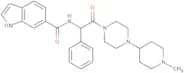
CAS:<p>LY 517717 is an oral, investigational anticoagulant that is being studied as a potential treatment for acute coronary syndrome (ACS). It acts by inhibiting the prothrombinase complex and the activated partial thromboplastin time (APTT). LY 517717 has been shown to be safe and well tolerated in clinical trials. It has also been shown to have a favorable safety profile with no major adverse events or bleeding complications. LY 517717 is currently in clinical development as a potential anticoagulant therapy for ACS.</p>Formula:C27H33N5O2Purity:Min. 95%Molecular weight:459.6 g/molGRIA1 Blocking Peptide
<p>A synthetic peptide for use as a blocking control in assays to test for specificity of GRIA1 antibody, catalog no. 70R-8215</p>PAFAH1B1 antibody
<p>PAFAH1B1 antibody was raised using the N terminal of PAFAH1B1 corresponding to a region with amino acids KLNEAKEEFTSGGPLGQKRDPKEWIPRPPEKYALSGHRSPVTRVIFHPVF</p>Purity:Min. 95%Goat anti Rabbit IgG (Fab'2) (HRP)
<p>Goat anti-rabbit IgG (Fab'2) (HRP) was raised in goat using rabbit IgG F(ab')2 fragment as the immunogen.</p>Purity:Min. 95%RP11-217H1.1 antibody
<p>RP11-217H1.1 antibody was raised using the N terminal Of Rp11-217H1.1 corresponding to a region with amino acids ARWRFWCVSVTMVVALLIVCDVPSASAQRKKEMVLSEKVSQLMEWTNKRP</p>Purity:Min. 95%HNRPLL Blocking Peptide
<p>A synthetic peptide for use as a blocking control in assays to test for specificity of HNRPLL antibody, catalog no. 70R-4841</p>Purity:Min. 95%PANK4 Blocking Peptide
<p>A synthetic peptide for use as a blocking control in assays to test for specificity of PANK4 antibody, catalog no. 70R-2710</p>Purity:Min. 95%CHIC2 antibody
<p>CHIC2 antibody was raised using the N terminal of CHIC2 corresponding to a region with amino acids MADFDEIYEEEEDEERALEEQLLKYSPDPVVVRGSGHVTVFGLSNKFESE</p>Purity:Min. 95%MC4R antibody
<p>MC4R antibody was raised in rabbit using a 14 amino acid peptide of human MC4-R as the immunogen.</p>Purity:Min. 95%NOVA2 antibody
<p>The 6-Fluoro-3-indoxyl-beta-D-galactopyranoside is a powerful antituberculosis drug from the class of rifamycins. It is specifically designed to target tuberculosis infections and contains active compounds that exhibit bactericidal activity. This drug works by binding to DNA-dependent RNA polymerase, inhibiting transcription and replication, ultimately preventing the growth of bacteria. Its effectiveness has been proven through extensive testing using the patch-clamp technique on human erythrocytes. Additionally, this drug undergoes various metabolic transformations such as hydrolysis, oxidation, reduction, and conjugation with glucuronic acid. It also exhibits high affinity for markers expressed in Mycobacterium tuberculosis strains, inhibiting their growth in culture.</p>APC antibody
<p>The 6-Fluoro-3-indoxyl-beta-D-galactopyranoside is a powerful antituberculosis drug from the rifamycin class. It is specifically designed to target tuberculosis infections and contains active compounds that exhibit strong bactericidal activity. Through its unique mechanism of action, this drug binds to DNA-dependent RNA polymerase, effectively preventing transcription and replication in bacteria. Its efficacy has been extensively demonstrated through various scientific techniques such as the patch-clamp technique on human erythrocytes. Additionally, it undergoes several metabolic transformations including hydrolysis by esterases or glucuronidases, oxidation by cytochrome P450 enzymes, reduction by glutathione reductase, or conjugation with glucuronic acid. This drug also exhibits high affinity for markers expressed in Mycobacterium tuberculosis strains, inhibiting their growth in culture.</p>Estrogen Receptor α antibody
<p>The Estrogen Receptor alpha antibody is a highly specialized monoclonal antibody that targets the estrogen receptor alpha (ERα) protein. This protein plays a crucial role in regulating various biological processes, including cell growth and differentiation. The antibody has been extensively tested and proven to be highly effective in neutralizing the activity of ERα.</p>SOD1 protein
<p>1-154 amino acids: MATKAVCVLK GDGPVQGIIN FEQKESNGPV KVWGSIKGLT EGLHGFHVHE FGDNTAGCTS AGPHFNPLSR KHGGPKDEER HVGDLGNVTA DKDGVADVSI EDSVISLSGD HCIIGRTLVV HEKADDLGKG GNEESTKTGN AGSRLACGVI GIAQ</p>Purity:Min. 95%SLC25A32 Blocking Peptide
<p>A synthetic peptide for use as a blocking control in assays to test for specificity of SLC25A32 antibody, catalog no. 70R-6474</p>Purity:Min. 95%COX3 antibody
<p>COX3 antibody was raised using the C terminal of COX3 corresponding to a region with amino acids FESPFTISDGIYGSTFFVATGFHGLHVIIGSTFLTICFIRQLMFHFTSKH</p>Purity:Min. 95%ADAR1 antibody
<p>The ADAR1 antibody is a polyclonal antibody that is used in life sciences research. It specifically targets the ADAR1 protein, which plays a role in RNA editing and regulation. This antibody has been shown to be effective in various applications, including immunohistochemistry, western blotting, and flow cytometry.</p>FOXO1 antibody
<p>The FOXO1 antibody is a highly specific monoclonal antibody that targets the FOXO1 protein. It is designed to bind to specific amino acid residues on the protein, allowing for accurate detection and analysis. This antibody is commonly used in research and diagnostic applications, as it can be used to study various biological processes and pathways.</p>UBL4A antibody
<p>UBL4A antibody was raised in rabbit using the middle region of UBL4A as the immunogen</p>Purity:Min. 95%5-Endo-BCN-pentanoic acid
CAS:<p>5-Endo-BCN-pentanoic acid is a small molecule that has been shown to have pharmacological activity. It has been reported to act as an activator of the G protein coupled receptors (GPCRs) and ion channels, as well as inhibit the activity of peptide hormones. 5-Endo-BCN-pentanoic acid has also been used in research studies for its ability to bind antibodies and various cell surface receptors. The compound is also used in laboratory settings for its high purity and low cost, making it an attractive research tool for basic science, cell biology, and biochemistry research.</p>Formula:C16H23NO4Purity:Min. 95%Molecular weight:293.36 g/molPHLDB1 antibody
<p>PHLDB1 antibody was raised in rabbit using the middle region of PHLDB1 as the immunogen</p>Purity:Min. 95%MBD2 antibody
<p>MBD2 antibody was raised using the middle region of MBD2 corresponding to a region with amino acids DCPALPPGWKKEEVIRKSGLSAGKSDVYYFSPSGKKFRSKPQLARYLGNT</p>TRIM2 antibody
<p>The TRIM2 antibody is a monoclonal antibody that specifically targets insulin, glucagon, and alpha-fetoprotein. It is widely used in Life Sciences research to study the role of these hormones in various physiological processes. The TRIM2 antibody has been shown to have cytotoxic effects on cells expressing high levels of insulin, making it a valuable tool for studying insulin-related disorders such as diabetes. Additionally, this antibody can be used in combination with other antibodies, such as anti-ICOS antibodies or annexin A2 antibodies, to investigate complex signaling pathways and protein interactions. The TRIM2 antibody is highly specific and exhibits strong binding affinity to its target proteins in human serum samples. Its versatility and reliability make it an indispensable tool for scientists working in the field of molecular biology and biomedical research.</p>