Biochemicals and Reagents
Biochemicals and reagents are fundamental substances for research and development in fields such as biotechnology, molecular biology, pharmacology, and medicine. These products are essential for a variety of applications, including compound synthesis, biological sample analysis, metabolic process research, and drug production. At CymitQuimica, we offer a wide selection of high-quality, high-purity biochemicals and reagents suitable for various scientific and industrial needs. Our catalog includes enzymes, antibodies, nucleic acids, amino acids, and many other products, all designed to support researchers and professionals in their research and development projects, ensuring reliable and reproducible results.
Subcategories of "Biochemicals and Reagents"
- Biomolecules(99,104 products)
- By Biological Target(99,074 products)
- By Pharmacological Effects(6,784 products)
- Cryopreservatives(21 products)
- Desinfectants and Related Compounds(28 products)
- Hormones(346 products)
- Plant Biology(6,693 products)
- Secondary Metabolites(14,218 products)
Found 130576 products of "Biochemicals and Reagents"
Sort by
Purity (%)
0
100
|
0
|
50
|
90
|
95
|
100
SCN1B antibody
<p>SCN1B antibody was raised using the middle region of SCN1B corresponding to a region with amino acids NVTYNHSGDYECHVYRLLFFENYEHNTSVVKKIHIEVVDKANRDMASIVS</p>Purity:Min. 95%GAD67 antibody
<p>The GAD67 antibody is a polyclonal antibody that targets autoantibodies against the enzyme glutamate decarboxylase 67 (GAD67). This antibody is commonly used in Life Sciences research to study the role of GAD67 in various biological processes. It can be used for applications such as immunohistochemistry, Western blotting, and ELISA.</p>Purity:Min. 95%Apogossypol
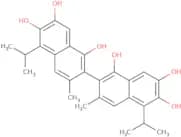
CAS:<p>Apogossypol is a heterocyclic molecule that has been shown to have anti-cancer effects. It binds to the mitochondrial enzyme p-nitrophenyl phosphate, which inhibits the production of ATP and induces apoptosis in cancer cells. Apogossypol also has demonstrated efficacy against autoimmune diseases, including multiple sclerosis and type 1 diabetes, by inhibiting inflammatory cytokine production. Apogossypol has been shown to induce caspase-independent cell death in fetal bovine kidney cells and carcinoma cell lines. This effect is mediated by increased levels of the protein MCL-1.</p>Formula:C28H30O6Purity:Min. 95%Molecular weight:462.5 g/molEHMT2 antibody
<p>EHMT2 antibody was raised in rabbit using the N terminal of EHMT2 as the immunogen</p>Purity:Min. 95%MCP2 antibody
<p>MCP2 antibody was raised in rabbit using recombinant human MCP-2 as the immunogen.</p>Purity:Min. 95%SNAP25 antibody
<p>The SNAP25 antibody is a monoclonal antibody that specifically targets clostridial neurotoxins. It is widely used in the field of Life Sciences for research purposes. This antibody has been shown to effectively neutralize the effects of clostridial neurotoxins by binding to them and preventing their interaction with target cells. The SNAP25 antibody is highly specific and does not cross-react with other proteins or molecules commonly found in biological samples. It has been extensively tested in various sample matrices, including human serum, and has shown excellent performance. Additionally, this antibody has been proven to be stable under different storage conditions and retains its activity even after multiple freeze-thaw cycles. Researchers rely on the SNAP25 antibody for its reliability and accuracy in detecting and quantifying clostridial neurotoxins in their experiments.</p>β Tubulin antibody
<p>The beta Tubulin antibody is a highly specific monoclonal antibody that targets the beta-tubulin protein. This protein plays a crucial role in cell division and is essential for the formation of microtubules, which are involved in various cellular processes such as intracellular transport and cell shape maintenance.</p>ID3 antibody
<p>The ID3 antibody is a monoclonal antibody that specifically targets and binds to the protein ID3. This protein is involved in cholinergic signaling and plays a crucial role in various cellular processes. The ID3 antibody can be used for research purposes, such as studying the function of ID3 in different cell types or investigating its role in disease development.</p>nNOS antibody (Ser852)
<p>Synthetic human phosphopeptide nNOS (Ser847) region immunogen, Rabbit polyclonal nNOS antibody (Ser852)</p>OSBPL3 antibody
<p>OSBPL3 antibody was raised using the N terminal of OSBPL3 corresponding to a region with amino acids MMSDEKNLGVSQKLVSPSRSTSSCSSKQGSRQDSWEVVEGLRGEMNYTQE</p>CERKL antibody
<p>CERKL antibody was raised in rabbit using the C terminal of CERKL as the immunogen</p>Purity:Min. 95%ZNF365 antibody
<p>ZNF365 antibody was raised in rabbit using the N terminal of ZNF365 as the immunogen</p>Purity:Min. 95%Rabbit anti Goat IgG (H + L) (HRP)
<p>This antibody reacts with heavy chains on Goat IgG and light chains on all Goat immunoglobulins.</p>Purity:Min. 95%SLC22A17 antibody
<p>SLC22A17 antibody was raised using the middle region of SLC22A17 corresponding to a region with amino acids HCYQPVGGGGSPSDFYLCSLLASGTAALACVFLGVTVDRFGRRGILLLSM</p>Purity:Min. 95%Mouse Transferrin antibody
<p>Affinity purified Goat polyclonal Mouse Transferrin antibody</p>Purity:Min. 95%IFN α 5 antibody
<p>IFN Alpha 5 antibody was raised using the middle region of IFNA5 corresponding to a region with amino acids TELYQQLNDLEACMMQEVGVEDTPLMNVDSILTVRKYFQRITLYLTEKKY</p>Purity:Min. 95%SFRS11 antibody
<p>SFRS11 antibody was raised using the C terminal of SFRS11 corresponding to a region with amino acids KKKSKDKEKDRERKSESDKDVKQVTRDYDEEEQGYDSEKEKKEEKKPIET</p>Carboxyl Ester Lipase antibody
<p>Carboxyl Ester Lipase antibody was raised using a synthetic peptide corresponding to a region with amino acids VTPTGDSETAPVPPTGDSGAPPVPPTGDSEAAPVPPTDDSKEAQMPAVIR</p>Purity:Min. 95%LRCH4 antibody
<p>LRCH4 antibody was raised using a synthetic peptide corresponding to a region with amino acids DLMTQLRQVLESRLQRPLPEDLAEALASGVILCQLANQLRPRSVPFIHVP</p>Purity:Min. 95%ZFP90 antibody
<p>ZFP90 antibody was raised in rabbit using the middle region of ZFP90 as the immunogen</p>Purity:Min. 95%MEGF9 antibody
<p>The MEGF9 antibody is a highly effective inhibitor that is widely used in various assays and research studies in the field of Life Sciences. This antibody targets MEGF9, a glycoprotein that plays a crucial role in cellular processes such as telomerase activity and methyl transferase activity. By specifically binding to MEGF9, this antibody effectively blocks its function, making it an invaluable tool for studying the mechanisms of these important cellular processes.</p>SFPI1 antibody
<p>SFPI1 antibody was raised in rabbit using the N terminal of SFPI1 as the immunogen</p>Purity:Min. 95%Cytokeratin 19 antibody
<p>Cytokeratin 19 antibody was raised using the N terminal of KRT19 corresponding to a region with amino acids TSYSYRQSSATSSFGGLGGGSVRFGPGVAFRAPSIHGGSGGRGVSVSSAR</p>NNT antibody
<p>NNT antibody was raised using the N terminal of NNT corresponding to a region with amino acids IVRGFDTRAAALEQFKSLGAEPLEVDLKESGEGQGGYAKEMSKEFIEAEM</p>Purity:Min. 95%TRKB antibody
<p>The TRKB antibody is a glycopeptide that belongs to the class of polyclonal antibodies. It specifically targets the TRKB receptor, which plays a crucial role in various cellular processes. This antibody recognizes and binds to the TRKB receptor, leading to its activation and subsequent signaling cascades. The TRKB antibody has been extensively studied in the field of life sciences and has shown promising results in adipocyte activation and adipose tissue regulation. Additionally, it has been shown to modulate the expression of E-cadherin, an important protein involved in cell adhesion. The glycan structure of this antibody contributes to its stability and enhances its binding affinity to its target. With its unique properties, the TRKB antibody is a valuable tool for researchers studying cellular signaling pathways and exploring therapeutic interventions.</p>CDC42 antibody
<p>The CDC42 antibody is a highly effective medicament that targets cell cytotoxicity and growth factor signaling pathways. It specifically binds to phosphorylcholine, a key component in the activation of CDC42, a small GTPase protein involved in various cellular processes. This monoclonal antibody has been extensively studied in Life Sciences and has shown promising results in inhibiting the carcinogenic properties of activated CDC42.</p>CCR5 antibody
<p>CCR5 antibody is a type of inhibitor that targets the chemokine receptor CCR5. It has been shown to neutralize the activity of CCR5 and inhibit its interaction with human serum and actin filaments. This antibody is commonly used in Life Sciences research to study the role of CCR5 in various cellular processes. Additionally, it has been found to have potential therapeutic applications in autoimmune diseases and cancer treatment. The CCR5 antibody can also be used in conjunction with other antibodies or drugs, such as taxol, to enhance their effectiveness. Its ability to modulate interferon gamma (IFN-gamma) signaling and growth factor pathways makes it a valuable tool for studying immune responses and cell growth regulation.</p>Purity:Min. 95%OSMR antibody
<p>OSMR antibody was raised using the middle region of OSMR corresponding to a region with amino acids LLEKKTGYSQELAPSDNPHVLVDTLTSHSFTLSWKDYSTESQPGFIQGYH</p>Purity:Min. 95%TXNRD1 antibody
<p>The TXNRD1 antibody is a highly specialized product used in Life Sciences research. It is available as both polyclonal and monoclonal antibodies, providing researchers with a versatile tool for their experiments.</p>FTSJ1 antibody
<p>FTSJ1 antibody was raised using a synthetic peptide corresponding to a region with amino acids MGRTSKDKRDVYYRLAKENGWRARSAFKLLQLDKEFQLFQGVTRAVDLCA</p>RELM α antibody
<p>RELM alpha antibody was raised in rabbit using residues 31-44 of the mouse RELMalpha protein as the immunogen.</p>Purity:Min. 95%GPR56 antibody
<p>GPR56 antibody was raised using the N terminal of GPR56 corresponding to a region with amino acids MAAGAAEAAVAAVEEVGSAGQFEELLRLKAKSLLVVHFWAPWAPQCAQMN</p>Purity:Min. 95%Donkey anti Rat IgG (H + L) (rhodamine)
<p>Donkey anti-rat IgG (H + L) (rhodamine) was raised in donkey using Rat IgG (H&L) as the immunogen.</p>Purity:Min. 95%β tubulin antibody
<p>The Beta tubulin antibody is a highly specific monoclonal antibody used in the field of Life Sciences. It is widely recognized for its ability to target and bind to beta tubulin, a protein involved in cell division and intracellular transport. This antibody plays a crucial role in various research applications, including the study of amyloid plaque formation, growth factor signaling pathways, antiangiogenic therapies, and the development of inhibitors such as taxol.</p>Human Serum Albumin antibody
<p>Human serum albumin antibody was raised in mouse using human serum albumin as the immunogen.</p>RGS6 antibody
<p>RGS6 antibody was raised using the C terminal of RGS6 corresponding to a region with amino acids SAINLDSHSYEITSQNVKDGGRYTFEDAQEHIYKLMKSDSYARFLRSNAY</p>Purity:Min. 95%Cytokeratin 18 antibody
<p>The Cytokeratin 18 antibody is a specific antibody used in Life Sciences research. It is commonly used to detect and measure the levels of Cytokeratin 18, a protein that is found in epithelial cells. This antibody can be used in various applications such as immunohistochemistry, immunofluorescence, and Western blotting. It has been shown to have high affinity and specificity for Cytokeratin 18, making it a valuable tool for studying the function and expression of this protein. The Cytokeratin 18 antibody can also be used to study diseases such as cancer, where abnormal levels of Cytokeratin 18 may be present. Overall, this antibody is an essential tool for researchers working in the field of Life Sciences.</p>RFC3 antibody
<p>RFC3 antibody was raised using a synthetic peptide corresponding to a region with amino acids IIMKGLLSELLHNCDGQLKGEVAQMAAYYEHRLQLGSKAIYHLEAFVAKF</p>Purity:Min. 95%PES1 antibody
<p>PES1 antibody was raised using a synthetic peptide corresponding to a region with amino acids KKREKYLYQKIMFGKRRKIREANKLAEKRKAHDEAVRSEKKAKKARPE</p>CD4 antibody (FITC)
<p>Rat monoclonal CD4 antibody (FITC); mouse target; IgG2a kappa; clone RM4-5</p>16:0-06:0 NBD pg
CAS:<p>16:0-06:0 NBD PG is a fluorescently labeled phosphatidylglycerol analog, which is sourced from synthesized lipid molecules conjugated with a nitrobenzoxadiazole (NBD) fluorophore. The mode of action involves incorporation into lipid bilayers where the NBD moiety emits fluorescence upon excitation at specific wavelengths. This emission can be detected and measured, allowing scientists to explore the dynamics and organization of lipid membranes.</p>Formula:C34H60N5O13PPurity:Min. 95%Molecular weight:777.84 g/molSH2B3 antibody
<p>The SH2B3 antibody is a powerful tool in Life Sciences research. This antibody is specifically designed to target and bind to the SH2B3 protein, which plays a crucial role in various cellular processes. It can be used in antiviral studies to investigate the interaction between SH2B3 and viral proteins. Additionally, this antibody is useful in studying the effects of irradiation, chemotherapy, and other hematopoietic or antitumor drugs on SH2B3 expression and function. As a monoclonal antibody, it offers high specificity and sensitivity for detecting SH2B3 both intra- and extracellularly. Researchers can rely on this reliable reagent to advance their understanding of the intricate mechanisms involving the SH2B3 protein.</p>Cytokeratin AE1+AE3 antibody (Prediluted for IHC)
<p>Mouse monoclonal Cytokeratin AE1+AE3 antibody (Prediluted for IHC)</p>Purity:Min. 95%CDK9 antibody
<p>The CDK9 antibody is a growth factor that targets specific acid residues to inhibit the activity of cyclin-dependent kinase 9 (CDK9). This monoclonal antibody is designed to specifically bind to CDK9 and prevent its interaction with other proteins, thereby disrupting protein-protein interactions necessary for cell growth and proliferation. The CDK9 antibody can be used in various research applications, such as Western blotting, immunoprecipitation, and immunofluorescence. It has also shown potential therapeutic benefits in the treatment of diseases characterized by abnormal cell growth, such as cancer. Additionally, this antibody has been studied for its anti-angiogenic properties, which may contribute to its ability to inhibit tumor growth by preventing the formation of new blood vessels. With its high specificity and low-molecular-weight design, the CDK9 antibody offers a powerful tool for studying protein function and developing targeted therapies.</p>ZNF550 antibody
<p>ZNF550 antibody was raised in rabbit using the N terminal of ZNF550 as the immunogen</p>Purity:Min. 95%Mitofusin 2 antibody
<p>Mitofusin 2 antibody was raised using the C terminal of MFN2 corresponding to a region with amino acids LEQEIAAMNKKIEVLDSLQSKAKLLRNKAGWLDSELNMFTHQYLQPSR</p>Purity:Min. 95%UBE2L6 antibody
<p>UBE2L6 antibody was raised using the middle region of UBE2L6 corresponding to a region with amino acids QVLEALNVLVNRPNIREPLRMDLADLLTQNPELFRKNAEEFTLRFGVDRP</p>CGB antibody
<p>CGB antibody was raised in rabbit using the C terminal of CGB as the immunogen</p>Purity:Min. 95%IFN β antibody
<p>IFN beta antibody was raised in rabbit using mouse interferon beta as the immunogen.</p>Purity:Min. 95%JCP174
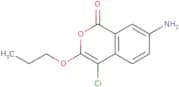
CAS:<p>JCP174 is a small molecule that inhibits the life cycle of Toxoplasma gondii. It encompasses the development of toxoplasmosis, which is a disease caused by this organism. JCP174 has been shown to be an achievable drug candidate for the treatment of toxoplasmosis and other diseases. The nature of JCP174's action against Toxoplasma gondii is unknown, but it may involve the disruption of the parasite's fatty acid synthesis. There are many techniques for profiling JCP174, including fluorogenic substrates and cellular assays. These techniques are useful in determining how to improve its potency, selectivity, and pharmacokinetics.</p>Formula:C12H12ClNO3Purity:Min. 95%Molecular weight:253.68 g/molRabbit anti Goat IgG Fc (HRP)
<p>This antibody reacts with heavy chains on Guinea Pig IgG and light chains on all Guinea Pig immunoglobulins.</p>Purity:Min. 95%GINS2 antibody
<p>GINS2 antibody was raised using a synthetic peptide corresponding to a region with amino acids VRQQEAHAKLDNLTLMEINTSGTFLTQALNHMYKLRTNLQPLESTQSQDF</p>Purity:Min. 95%CLPTM1L antibody
<p>CLPTM1L antibody was raised using the middle region of CLPTM1L corresponding to a region with amino acids KAFTYKAFNTFIDDVFAFIITMPTSHRLACFRDDVVFLVYLYQRWLYPVD</p>Purity:Min. 95%VDAC1 antibody
<p>The VDAC1 antibody is a highly specific and activated antibody that targets the voltage-dependent anion channel 1 (VDAC1). It is commonly used in research and laboratory settings for various applications, including immunoassays, protein detection, and Western blotting. The hydroxy group of the VDAC1 antibody enables it to efficiently bind to its target, providing accurate and reliable results.</p>Cyclin Y-Like 1 antibody
<p>Cyclin Y-Like 1 antibody was raised using the N terminal of CCNYL1 corresponding to a region with amino acids TVKCVTLAIYYHIKNRDANRSLDIFDERSHPLTREKVPEEYFKHDPEHKF</p>Purity:Min. 95%ALDH5A1 antibody
<p>ALDH5A1 antibody was raised in rabbit using the middle region of ALDH5A1 as the immunogen</p>Purity:Min. 95%Caspase 10 antibody
<p>Caspase 10 antibody was raised in rabbit using N terminal sequence MKSQGQHWYSSSDKN of all isoforms of human caspase-10 as the immunogen.</p>Purity:Min. 95%STAT3 antibody
<p>The STAT3 antibody is a highly effective cytotoxic agent used in Life Sciences research. It belongs to the class of Monoclonal Antibodies and is specifically designed to target and inhibit the activity of STAT3, a key protein involved in cell growth and survival. This antibody has been extensively tested and shown to effectively block the activation of STAT3 by growth factors such as helicobacter. By inhibiting STAT3, this antibody prevents the downstream signaling pathways that promote cell proliferation and survival. Additionally, it has been found that the STAT3 antibody can enhance the expression of E-cadherin, an important protein involved in cell adhesion. This monoclonal antibody is available in a convenient microsphere format, making it easy to use in various experimental settings. With its high specificity and potency, the STAT3 antibody is an essential tool for researchers studying signal transduction pathways and developing targeted therapies for cancer and other diseases.</p>NFKB C-rel antibody
<p>NFKB C-rel antibody was raised in rabbit using NFkB cRel peptide corresponding to a region near the C-terminus of the human protein conjugated to KLH as the immunogen.</p>Purity:Min. 95%SLC35A4 antibody
<p>SLC35A4 antibody was raised in rabbit using the middle region of SLC35A4 as the immunogen</p>Purity:Min. 95%KITLG Blocking Peptide
<p>A synthetic peptide for use as a blocking control in assays to test for specificity of KITLG antibody, catalog no. 70R-6096</p>Purity:Min. 95%GPR101 antibody
<p>The GPR101 antibody is a powerful tool in the field of biomedical research. This polyclonal antibody specifically targets GPR101, a surface glycoprotein that plays a crucial role in various physiological processes. The antibody is conjugated with an isothiocyanate, allowing for easy detection and visualization of GPR101 in experimental settings.</p>Chl1 antibody
<p>The Chl1 antibody is a polyclonal antibody that specifically targets β-catenin, a key protein involved in cell adhesion and signaling pathways. This antibody has neutralizing properties, meaning it can block the activity of β-catenin and prevent its interaction with other proteins. It can be used for various applications such as immobilization on surfaces for protein-protein interaction studies or as a tool to detect β-catenin levels in human samples. Additionally, the Chl1 antibody has been shown to have cytotoxic effects on certain cancer cells, making it a potential therapeutic agent. With its specificity and versatility, this antibody is an invaluable tool for researchers in the Life Sciences field.</p>FABP7 antibody
<p>FABP7 antibody was raised in mouse using recombinant human FABP7 (1-132aa) purified from E. coli as the immunogen.</p>