Biochemicals and Reagents
Biochemicals and reagents are fundamental substances for research and development in fields such as biotechnology, molecular biology, pharmacology, and medicine. These products are essential for a variety of applications, including compound synthesis, biological sample analysis, metabolic process research, and drug production. At CymitQuimica, we offer a wide selection of high-quality, high-purity biochemicals and reagents suitable for various scientific and industrial needs. Our catalog includes enzymes, antibodies, nucleic acids, amino acids, and many other products, all designed to support researchers and professionals in their research and development projects, ensuring reliable and reproducible results.
Subcategories of "Biochemicals and Reagents"
- Biomolecules(99,118 products)
- By Biological Target(99,156 products)
- By Pharmacological Effects(6,788 products)
- Cryopreservatives(21 products)
- Desinfectants and Related Compounds(28 products)
- Hormones(346 products)
- Plant Biology(6,748 products)
- Secondary Metabolites(14,233 products)
Found 130579 products of "Biochemicals and Reagents"
Sort by
Purity (%)
0
100
|
0
|
50
|
90
|
95
|
100
GK antibody
<p>GK antibody was raised using the middle region of GK corresponding to a region with amino acids MAAGAAEGVGVWSLEPEDLSAVTMERFEPQINAEESEIRYSTWKKAVMKS</p>ASPHD2 Blocking Peptide
<p>A synthetic peptide for use as a blocking control in assays to test for specificity of ASPHD2 antibody, catalog no. 70R-3531</p>GR antibody
<p>The GR antibody is a highly specialized antibody that targets the p38 MAPK pathway. It has antiviral properties and is particularly effective against acidic environments. This antibody specifically interacts with β-catenin, a protein involved in cell adhesion and signaling pathways. It also binds to nuclear factor kappa-light-chain-enhancer, which regulates gene expression. The GR antibody is available in both polyclonal and monoclonal forms, making it suitable for a wide range of applications in life sciences research. It can be used in immunoassays to detect the presence of activated p38 mitogen-activated protein kinase (MAPK) and caspase-9, as well as growth factors. With its high specificity and sensitivity, the GR antibody is an invaluable tool for researchers studying various cellular processes and signaling pathways.</p>GRB2 protein (His tag)
<p>1-217 amino acids: MGSSHHHHHH SSGLVPRGSH MEAIAKYDFK ATADDELSFK RGDILKVLNE ECDQNWYKAE LNGKDGFIPK NYIEMKPHPW FFGKIPRAKA EEMLSKQRHD GAFLIRESES APGDFSLSVK FGNDVQHFKV LRDGAGKYFL WVVKFNSLNE LVDYHRSTSV SRNQQIFLRD IEQVPQQPTY VQALFDFDPQ EDGELGFRRG DFIHVMDNSD PNWWKGACHG QTGMFPRNYV TPVNRNV</p>Purity:Min. 95%Lp (a) Blocking Peptide
<p>A synthetic peptide for use as a blocking control in assays to test for specificity of LPA antibody, catalog no. 70R-10023</p>Purity:Min. 95%CEBPD Blocking Peptide
<p>A synthetic peptide for use as a blocking control in assays to test for specificity of CEBPD antibody, catalog no. 70R-8265</p>Purity:Min. 95%STAR antibody
<p>The STAR antibody is a highly specialized monoclonal antibody that is widely used in the field of Life Sciences. It specifically targets and binds to glial fibrillary acidic protein (GFAP), a protein primarily found in the cytoskeleton of astrocytes. This antibody has been extensively validated for its high specificity and sensitivity in detecting GFAP expression in various tissues and cell types.</p>TRIM38 antibody
<p>The TRIM38 antibody is a powerful tool used in the field of biomedical research. It is a polyclonal antibody that specifically targets TRIM38, an oxidase-like protein involved in various cellular processes. This antibody can be used to detect and quantify TRIM38 in pluripotent stem cells, making it an essential component for studying the role of this protein in stem cell biology.</p>PYY antibody
<p>PYY antibody was raised using the middle region of PYY corresponding to a region with amino acids APREDASPEELNRYYASLRHYLNLVTRQRYGKRDGPDTLLSKTFFPDGED</p>Purity:Min. 95%CHTF18 Blocking Peptide
<p>A synthetic peptide for use as a blocking control in assays to test for specificity of CHTF18 antibody, catalog no. 70R-3758</p>Purity:Min. 95%PCT monoclonal antibody
<p>The PCT monoclonal antibody is a highly specialized product in the field of Life Sciences. It is a monoclonal antibody that specifically targets annexin, a protein involved in the regulation of phosphorylcholine. This monoclonal antibody is produced by a hybridoma cell strain, which is a fusion of two different types of cells - a B-cell and a myeloma cell.</p>TNF α antibody
<p>TNF alpha antibody was raised in mouse using human recombinant tumor necrosis factor alpha as the immunogen.</p>RAB10 antibody
<p>RAB10 antibody was raised in Mouse using a purified recombinant fragment of human RAB10 expressed in E. coli as the immunogen.</p>CRYAB protein
<p>MDIAIHHPWI RRPFFPFHSP SRLFDQFFGE HLLESDLFPT STSLSPFYLR PPSFLRAPSW FDTGLSEMRL EKDRFSVNLD VKHFSPEELK VKVLGDVIEV HGKHEERQDE HGFISREFHR KYRIPADVDP LTITSSLSSD GVLTVNGPRK QVSGPERTIP ITREEKPAVT AAPKK</p>Purity:Min. 95%RSK1/2/3/4 antibody (Ser221/227/218/232)
<p>Rabbit polyclonal RSK1/2/3/4 antibody (Ser221/227/218/232)</p>NOLA3 antibody
<p>NOLA3 antibody was raised using the middle region of Nola3 corresponding to a region with amino acids MFLQYYLNEQGDRVYTLKKFDPMGQQTCSAHPARFSPDDKYSRHRITIKK</p>C14ORF156 Blocking Peptide
<p>A synthetic peptide for use as a blocking control in assays to test for specificity of C14ORF156 antibody, catalog no. 70R-4685</p>Purity:Min. 95%MTHFD2L Blocking Peptide
<p>A synthetic peptide for use as a blocking control in assays to test for specificity of MTHFD2L antibody, catalog no. 70R-3409</p>Purity:Min. 95%ACDC antibody
<p>ACDC antibody was raised using the N terminal Of Acdc corresponding to a region with amino acids KGDIGETGVPGAEGPRGFPGIQGRKGEPGEGAYVYRSAFSVGLETYVTIP</p>Mouse Thrombocyte antibody
<p>Mouse thrombocyte antibody was raised in rabbit using mouse thrombocytes as the immunogen.</p>Purity:Min. 95%FLJ20674 Blocking Peptide
<p>A synthetic peptide for use as a blocking control in assays to test for specificity of FLJ20674 antibody, catalog no. 70R-7427</p>Purity:Min. 95%TLR5 antibody
<p>TLR5 antibody was raised using the N terminal of TLR5 corresponding to a region with amino acids QLQLLELGSQYTPLTIDKEAFRNLPNLRILDLGSSKIYFLHPDAFQGLFH</p>Purity:Min. 95%ICAM1 antibody
<p>ICAM1 antibody was raised in Mouse using a purified recombinant fragment of human ICAM1(28-480aa) expressed in E. coli as the immunogen.</p>CD56 antibody
<p>The CD56 antibody is a monoclonal antibody that specifically targets CD56, a cell adhesion molecule found on the surface of various cell types. It is used in Life Sciences research and diagnostics to detect and analyze CD56 expression. This antibody has also been shown to have potential therapeutic applications, particularly in the treatment of certain cancers.</p>Phytase antibody
<p>The 6-Fluoro-3-indoxyl-beta-D-galactopyranoside is a powerful antituberculosis drug that falls under the class of rifamycins. It is specifically designed to combat tuberculosis infections by targeting active compounds and exhibiting bactericidal activity. This drug works by binding to DNA-dependent RNA polymerase, preventing transcription and replication, ultimately inhibiting bacterial growth. Through various metabolic transformations, such as hydrolysis by esterases or glucuronidases, oxidation by cytochrome P450 enzymes, reduction by glutathione reductase, or conjugation with glucuronic acid, this active form of the drug is metabolized in the body. Additionally, 6-Fluoro-3-indoxyl-beta-D-galactopyranoside has been shown to bind to markers expressed in Mycobacterium tuberculosis strains and inhibit cell growth in culture.</p>MRPS2 antibody
<p>MRPS2 antibody was raised using the N terminal of MRPS2 corresponding to a region with amino acids MATSSAALPRILGAGARAPSRWLGFLGKATPRPARPSRRTLGSATALMIR</p>Toll-like receptor 2 antibody (biotin)
<p>Mouse monoclonal Toll-like receptor 2 antibody (biotin)</p>SPINT1 antibody
<p>SPINT1 antibody was raised using the middle region of SPINT1 corresponding to a region with amino acids PFSEHCARFTYGGCYGNKNNFEEEQQCLESCRGISKKDVFGLRREIPIPS</p>Purity:Min. 95%GNAS antibody
<p>GNAS antibody was raised using the N terminal of GNAS corresponding to a region with amino acids VYRATHRLLLLGAGESGKSTIVKQMRILHVNGFNGEGGEEDPQAARSNSD</p>Purity:Min. 95%IL21R protein
<p>The IL21R protein is a monoclonal antibody that targets the epidermal growth factor (EGF) and belongs to the class of conjugated proteins. It has an EGF-like structure and exhibits cytotoxic and neutralizing effects against tumor necrosis factor-alpha (TNF-α). IL21R protein has been shown to be effective in combination with other therapies, such as adalimumab, for the treatment of various diseases. It can also be used in research and diagnostic applications, as it is a valuable tool for studying cellular signaling pathways and biomarkers. Additionally, IL21R protein has potential applications in gene therapy, as it can be delivered using adeno-associated viruses or incorporated into DNA vaccines. With its ability to modulate growth factors like TGF-beta, this protein holds promise in the field of life sciences for enhancing biomass production and promoting tissue regeneration.</p>Purity:Min. 95%TIMP1 protein
<p>TIMP1 protein is an inhibitory factor that plays a crucial role in various biological processes. It is widely used in the field of Life Sciences as a research tool and has applications in Proteins and Antigens studies. TIMP1 protein has been shown to be activated by adalimumab, a monoclonal antibody, and has neutralizing effects on TNF-α, a pro-inflammatory cytokine. Additionally, TIMP1 protein is involved in regulating collagen metabolism and angiogenesis through its interaction with angptl3. It can be used in electrode-based assays or as an antigenic peptide for the development of DNA vaccines or monoclonal antibodies. With its diverse applications and versatility, TIMP1 protein is an essential component in many research projects.</p>Purity:Min. 95%UCHL5 Blocking Peptide
<p>A synthetic peptide for use as a blocking control in assays to test for specificity of UCHL5 antibody, catalog no. 70R-3208</p>Purity:Min. 95%B3GALT6 Blocking Peptide
<p>A synthetic peptide for use as a blocking control in assays to test for specificity of B3GALT6 antibody, catalog no. 70R-7242</p>Purity:Min. 95%ZNF468 antibody
<p>ZNF468 antibody was raised in rabbit using the middle region of ZNF468 as the immunogen</p>Purity:Min. 95%CFP antibody
<p>CFP antibody was raised using the N terminal of CFP corresponding to a region with amino acids QYEESSGKCKGLLGGGVSVEDCCLNTAFAYQKRSGGLCQPCRSPRWSLWS</p>Purity:Min. 95%Pnrc2 antibody
<p>Pnrc2 antibody was raised in rabbit using the N terminal of Pnrc2 as the immunogen</p>Purity:Min. 95%Perforin antibody
<p>Perforin antibody was raised in mouse using purified granules from human YT lymphoma cell line as the immunogen.</p>Rabbit anti Guinea Pig IgG (H + L) (FITC)
<p>Rabbit anti-guinea pig IgG (H+L) (FITC) was raised in rabbit using guinea pig IgG whole molecule as the immunogen.</p>Purity:Min. 95%GLYAT Blocking Peptide
<p>A synthetic peptide for use as a blocking control in assays to test for specificity of GLYAT antibody, catalog no. 70R-2467</p>Purity:Min. 95%NUP62 antibody
<p>NUP62 antibody was raised using the N terminal of NUP62 corresponding to a region with amino acids SGFNFGGTGAPTGGFTFGTAKTATTTPATGFSFSTSGTGGFNFGAPFQPA</p>KCTD10 Blocking Peptide
<p>A synthetic peptide for use as a blocking control in assays to test for specificity of KCTD10 antibody, catalog no. 70R-1503</p>Purity:Min. 95%PEA15 antibody
<p>The PEA15 antibody is a polyclonal antibody that specifically targets interleukin-6 (IL-6), an inflammatory cytokine involved in various physiological processes. This antibody acts as an inhibitory factor for IL-6, preventing its activation and downstream signaling pathways. Additionally, the PEA15 antibody has been shown to have neutralizing effects on other proteins, such as epidermal growth factor (EGF) and glycine.</p>ESR1 antibody
<p>ESR1 antibody was raised in rabbit using the C terminal of ESR1 as the immunogen</p>Purity:Min. 95%M-Methyl atomoxetine hydrochloride
CAS:<p>M-Methyl atomoxetine hydrochloride is a chemical compound, classified as a pharmaceutical intermediate or research chemical. It is synthesized from atomoxetine, a selective norepinephrine reuptake inhibitor (NRI). The compound functions by inhibiting the transporter responsible for the reabsorption of norepinephrine, thus increasing its availability in the synaptic cleft.</p>Formula:C17H22ClNOPurity:Min. 95%Molecular weight:291.8 g/molFASTKD2 antibody
<p>FASTKD2 antibody was raised using the middle region of FASTKD2 corresponding to a region with amino acids DTNRNQVLPLSDVDTTSATDIQRVAVLCVSRSAYCLGSSHPRGFLAMKMR</p>Goat anti Rabbit IgG (H + L) (HRP)
<p>This antibody reacts with heavy (gamma) chains on rabbit IgG and light chains on all rabbit immunoglobulins.</p>Purity:Min. 95%DPP9 antibody
<p>DPP9 antibody was raised in rabbit using a synthetic peptide conjugated to KLH as the immunogen.</p>Purity:Min. 95%BRaf antibody
<p>The BRaf antibody is a highly specific antibody used in various life science applications. It is commonly used to detect and measure the levels of BRaf protein in samples. This antibody has been extensively validated and shown to have high affinity and specificity for BRaf.</p>IRAK1 antibody
<p>The IRAK1 antibody is a high-quality polyclonal antibody that specifically targets and binds to interleukin-1 receptor-associated kinase 1 (IRAK1). This antibody is crucial in life sciences research as it plays a vital role in the innate immune response. It has been extensively used to study the signaling pathways involved in inflammatory responses and autoimmune diseases.</p>PDE1C Blocking Peptide
<p>A synthetic peptide for use as a blocking control in assays to test for specificity of PDE1C antibody, catalog no. 70R-2073</p>Purity:Min. 95%Collagen Type II protein
<p>Collagen Type II protein is a vital component of connective tissues, providing strength and support to various structures in the body. It plays a crucial role in maintaining healthy joints and cartilage. This protein has been extensively studied for its potential therapeutic applications.</p>Purity:Min. 95%Progesterone Receptor antibody
<p>The Progesterone Receptor antibody is a polyclonal antibody that is used in life sciences research. It specifically targets the progesterone receptor, a protein involved in various physiological processes. This antibody has been shown to have anti-VEGF (vascular endothelial growth factor) activity, which makes it useful for studying angiogenesis and tumor growth. In addition, it has been used to detect the presence of the progesterone receptor in various cell types, including MCF-7 breast cancer cells. The Progesterone Receptor antibody is activated by binding to its target protein and can be used in a variety of assays, such as ELISA or immunohistochemistry. Its high specificity and affinity make it an essential tool for researchers studying hormone signaling pathways and related diseases.</p>ATP5B antibody
<p>ATP5B antibody was raised using the C terminal of ATP5B corresponding to a region with amino acids MGKLVPLKETIKGFQQILAGEYDHLPEQAFYMVGPIEEAVAKADKLAEEH</p>ALDH3A1 protein (His tag)
<p>1-453 amino acids: MGSSHHHHHH SSGLVPRGSH MSKISEAVKR ARAAFSSGRT RPLQFRIQQL EALQRLIQEQ EQELVGALAA DLHKNEWNAY YEEVVYVLEE IEYMIQKLPE WAADEPVEKT PQTQQDELYI HSEPLGVVLV IGTWNYPFNL TIQPMVGAIA AGNAVVLKPS ELSENMASLL ATIIPQYLDK DLYPVINGGV PETTELLKER FDHILYTGST GVGKIIMTAA AKHLTPVTLE LGGKSPCYVD KNCDLDVACR RIAWGKFMNS GQTCVAPDYI LCDPSIQNQI VEKLKKSLKE FYGEDAKKSR DYGRIISARH FQRVMGLIEG QKVAYGGTGD AATRYIAPTI LTDVDPQSPV MQEEIFGPVL PIVCVRSLEE AIQFINQREK PLALYMFSSN DKVIKKMIAE TSSGGVAAND VIVHITLHSL PFGGVGNSGM GSYHGKKSFE TFSHRRSCLV RPLMNDEGLK VRYPPSPAKM TQH</p>Purity:Min. 95%NECAB3 Blocking Peptide
<p>A synthetic peptide for use as a blocking control in assays to test for specificity of NECAB3 antibody, catalog no. 70R-3494</p>Purity:Min. 95%Il36a protein
<p>Il36a protein is a growth factor that belongs to the family of chemokines. It plays a crucial role in various biological processes, including the regulation of immune responses and inflammation. Il36a protein is involved in the activation of dopamine receptors and has been shown to have atypical hemolytic effects on endothelial cells. This protein can be detected using monoclonal antibodies in human serum samples. Il36a protein also interacts with other proteins, such as phosphorylcholine and TNF-α, and may play a role in the regulation of growth hormone receptor activity. Its conjugated form has been studied extensively in life sciences research for its potential therapeutic applications.</p>Purity:Min. 95%GluR1 antibody
<p>The GluR1 antibody is a monoclonal antibody that specifically targets the GluR1 subunit of the glutamate receptor. It has been shown to be effective in various research applications, including neuroscience and neurobiology studies. The GluR1 antibody can be used to investigate the role of GluR1 in synaptic plasticity, learning and memory, and neuronal development.</p>Purity:Min. 95%Norovirus G2 antibody
<p>The Norovirus G2 antibody is a highly effective and specific monoclonal antibody that is widely used in immunoassays in the field of Life Sciences. This antibody has neutralizing properties, making it an essential tool for researchers studying norovirus infections. It targets the tyrosine kinase receptor on norovirus particles, preventing their attachment to host cells and subsequent infection.</p>SF4 antibody
<p>SF4 antibody was raised using the middle region of SF4 corresponding to a region with amino acids TFKALKEGREPDYSEYKEFKLTVENIGYQMLMKMGWKEGEGLGSEGQGIK</p>Cyp8b1 antibody
<p>The Cyp8b1 antibody is a powerful tool used in life sciences research. It is a polyclonal antibody that specifically targets and detects the Cyp8b1 protein. This protein plays a crucial role in various cellular processes, including the metabolism of imatinib, activation of p38 MAPK pathway, and regulation of extracellular histones.</p>NRIP3 antibody
<p>NRIP3 antibody was raised in rabbit using the middle region of NRIP3 as the immunogen</p>Purity:Min. 95%GNAS antibody
<p>GNAS antibody was raised using the N terminal of GNAS corresponding to a region with amino acids NPENQFRVDYILSVMNVPDFDFPPEFYEHAKALWEDEGVRACYERSNEYQ</p>MDM4 antibody
<p>MDM4 antibody was raised in rabbit using the N terminal of MDM4 as the immunogen</p>Transferrin antibody (Texas Red)
<p>Transferrin antibody (Texas Red) was raised in rabbit using human transferrin as the immunogen.</p>CD4 antibody (FITC)
<p>Mouse monoclonal CD4 antibody (FITC); human immunogen; IgG1 kappa; clone RPA-T4</p>DOK2 antibody
<p>DOK2 antibody was raised in rabbit using the C terminal of DOK2 as the immunogen</p>ZNF431 antibody
<p>ZNF431 antibody was raised in rabbit using the N terminal of ZNF431 as the immunogen</p>Purity:Min. 95%CD80 antibody
<p>The CD80 antibody is a collagen-based monoclonal antibody that is widely used in the field of Life Sciences. It specifically targets and binds to the CD80 protein, which is an important immune checkpoint molecule involved in T-cell activation. The antibody has been shown to effectively block the interaction between CD80 and its receptor, leading to the inhibition of T-cell activation and proliferation.</p>INSIG2 Blocking Peptide
<p>A synthetic peptide for use as a blocking control in assays to test for specificity of INSIG2 antibody, catalog no. 70R-6929</p>Purity:Min. 95%Keratin 8 antibody
<p>The Keratin 8 antibody is a disulfide bond-based polyclonal antibody that specifically targets and detects the presence of Keratin 8. This antibody is commonly used in life sciences research, particularly in studies involving cell biology and molecular biology. It can be used for various applications such as immunohistochemistry, western blotting, and ELISA.</p>Methamphetamine antibody
<p>Methamphetamine antibody was raised in mouse using methamphetamine (phenyl ring para position) as the immunogen.</p>HNRPM antibody
<p>HNRPM antibody was raised using the N terminal Of Hnrpm corresponding to a region with amino acids ATEIKMEEESGAPGVPSGNGAPGPKGEGERPAQNEKRKEKNIKRGGNRFE</p>Tetraspanin 6 Blocking Peptide
<p>A synthetic peptide for use as a blocking control in assays to test for specificity of TSPAN6 antibody, catalog no. 70R-5977</p>Purity:Min. 95%Enkephalin antibody
<p>Enkephalin antibody was raised in rabbit using synthetic met-enkephalin (Sigma) conjugated toBSA as the immunogen.</p>Purity:Min. 95%CD40 antibody (Azide Free)
<p>CD40 antibody (Azide free) was raised in rat using CD40 as the immunogen</p>14:0 Pc-d63
CAS:Controlled Product<p>14:0 Pc-d63 is a ligand that binds to the receptor site of GABA-A receptors. It has been shown to be an activator of this receptor, which may be due to its ability to bind and activate the ion channels in these receptors. 14:0 Pc-d63 can also bind to other proteins, inhibiting their activity. This ligand has been used as a research tool in cell biology, peptide chemistry, and antibody development.</p>Formula:C36H9NO8PD63Purity:Min. 95%Molecular weight:741.32 g/molCDC26 antibody
<p>CDC26 antibody was raised in rabbit using the C terminal of CDC26 as the immunogen</p>Purity:Min. 95%LUF7244
CAS:<p>LUF7244 is a pharmaceutical agent, which is a synthetic compound derived from rational drug design. Its primary source is laboratory synthesis utilizing advanced organic chemistry techniques. The mode of action of LUF7244 involves selective antagonism of specific receptor subtypes, allowing for precise modulation of receptor activity. This antagonistic behavior is achieved through competitive binding at the receptor site, inhibiting the natural ligand interaction and subsequent signaling pathways.</p>Formula:C16H16ClN3O2S2Purity:Min. 95%Molecular weight:381.9 g/molKCNH5 antibody
<p>KCNH5 antibody was raised using a synthetic peptide corresponding to a region with amino acids LTNSRSVLQQLTPMNKTEVVHKHSRLAEVLQLGSDILPQYKQEAPKTPPH</p>Keratin K10 antibody
<p>Keratin K10 antibody was raised in Guinea Pig using synthetic peptide of human keratin K10 coupled to KLH as the immunogen.</p>Purity:Min. 95%p15 Treponema Pallidum protein
<p>Purified recombinant p15 Treponema Pallidum protein</p>Purity:Min. 95%Junctophilin 1 antibody
<p>Junctophilin 1 antibody was raised using the C terminal of JPH1 corresponding to a region with amino acids KESKAEPKAKKSELAIPKNPASNDSCPALEKEANSGPNSIMIVLVMLLNI</p>Tropomyosin protein
<p>Tropomyosin protein is a lipoprotein lipase that plays a crucial role in various cellular processes. It is involved in the regulation of lipase activity and has been found to be associated with the development of certain diseases, such as breast cancer. Tropomyosin protein has been studied extensively in the field of Life Sciences and has shown potential as a target for therapeutic interventions. Monoclonal antibodies against tropomyosin protein have been developed and have demonstrated neutralizing effects on its activity. These antibodies can be used in research and diagnostic applications to study antigen-antibody reactions and to detect tropomyosin protein levels in biological samples. The availability of native proteins and antigens allows for accurate and reliable measurements, contributing to advancements in the understanding of this important biomolecule.</p>Purity:Min. 95%PRDX1 antibody
<p>The PRDX1 antibody is a monoclonal antibody used in Life Sciences research. It specifically targets and binds to PRDX1, a protein involved in various cellular processes. This antibody has been shown to inhibit collagen production and the activity of certain enzymes, making it a potential therapeutic option for conditions related to collagen disorders and enzyme dysregulation. Additionally, the PRDX1 antibody has cytotoxic properties, meaning it can induce cell death in specific cell types. It can also be used as a tool in laboratory experiments to detect and quantify PRDX1 levels in samples. With its ability to target PRDX1 and modulate its function, this antibody holds promise for developing novel treatments and understanding the role of PRDX1 in different biological pathways.</p>APEH Blocking Peptide
<p>A synthetic peptide for use as a blocking control in assays to test for specificity of APEH antibody, catalog no. 70R-2582</p>Purity:Min. 95%Syntaxin 19 Blocking Peptide
<p>A synthetic peptide for use as a blocking control in assays to test for specificity of STX19 antibody, catalog no. 70R-3408</p>Purity:Min. 95%SLC7A1 antibody
<p>SLC7A1 antibody was raised using a synthetic peptide corresponding to a region with amino acids LGFIMVSGFVKGSVKNWQLTEEDFGNTSGRLCLNNDTKEGKPGVGGFMPF</p>Purity:Min. 95%Rabbit anti Hamster IgG (H + L) (rhodamine)
<p>This antibody reacts with heavy chains on hamster IgG and light chains on all hamster immunoglobulins.</p>Purity:Min. 95%Tn antigen antibody (Prediluted for IHC)
<p>Mouse monoclonal Tn antigen antibody (Prediluted for IHC)</p>Purity:Min. 95%Pig IgM
<p>Pig IgM is a chimeric protein that belongs to the family of immunoglobulins. It is a monoclonal antibody that has been purified and is used in Life Sciences research. Pig IgM specifically targets amyloid plaques, which are abnormal protein deposits found in various diseases, such as Alzheimer's disease. This antibody-drug complex can be used for the detection and quantification of amyloid plaques in brain tissue samples. Pig IgM has high affinity and specificity for the target antigen, making it an ideal tool for researchers studying amyloid-related disorders. Additionally, this antibody can be used in immunoassays to measure the levels of brain natriuretic peptide (BNP), a hormone involved in regulating blood pressure and fluid balance, in human serum samples. The use of Pig IgM in these assays ensures accurate and reliable results due to its high sensitivity and low background interference.</p>Purity:Min. 95%RIOK3 antibody
<p>RIOK3 antibody was raised using a synthetic peptide corresponding to a region with amino acids HGLEFLFRDCRNVSQFFQKGGVKEALSERELFNAVSGLNITADNEADFLA</p>Purity:Min. 95%CREM antibody
<p>The 6-Fluoro-3-indoxyl-beta-D-galactopyranoside is an antituberculosis drug that falls under the class of rifamycins. It is highly effective in treating tuberculosis infections due to its bactericidal activity. This active compound works by inhibiting bacterial growth through binding to DNA-dependent RNA polymerase, which prevents transcription and replication. With its high frequency of human activity, it has been extensively studied using the patch-clamp technique on human erythrocytes. Additionally, this drug undergoes various metabolic transformations, including hydrolysis by esterases or glucuronidases, oxidation by cytochrome P450 enzymes, reduction by glutathione reductase, or conjugation with glucuronic acid. It also specifically targets markers expressed at high levels in Mycobacterium tuberculosis strains and inhibits their cell growth in culture.</p>RSV antibody
<p>RSV antibody was raised in rabbit using residues 201-211 [KQLLPIVNKQSC] of the 63 kDa RSV F protein as the immunogen.</p>Purity:Min. 95%C8ORF34 antibody
<p>C8ORF34 antibody was raised using the N terminal Of C8Orf34 corresponding to a region with amino acids MTKLITETPDQPIPFLIDHLQSKQGNRGQLQRTLSGSAALWAESEKSESK</p>MIA2 protein
<p>Region of MIA2 protein corresponding to amino acids MLESTKLLAD LKKCGDLECE ALINRVSAMR DYRGPDCRYL NFTKGEEISV YVKLAGERED LWAGSKGKEF GYFPRDAVQI EEVFISEEIQ MSTKESDFLC L.</p>Purity:Min. 95%CD4 antibody
<p>The CD4 antibody is a monoclonal antibody that specifically targets the CD4 antigen. This antibody is widely used in life sciences research to study the role of CD4 in various biological processes. The CD4 antigen is a glycoprotein found on the surface of T-helper cells, and it plays a crucial role in immune system regulation.</p>Cyclin H antibody
<p>The Cyclin H antibody is a highly specific monoclonal antibody that is used in Life Sciences research. It has been extensively tested and validated for its performance in various applications. This antibody is designed to target the cyclin H protein, which plays a crucial role in cell cycle regulation and growth factor signaling pathways.</p>Canine Coronavirus protein
<p>The Canine Coronavirus protein is a protein complex that is found in human serum. It is used in the field of Life Sciences for various purposes, including research and diagnostics. This protein complex can be used as a tool to study the interaction between viruses and host cells, as well as to develop inhibitors and monoclonal antibodies for therapeutic use. The Canine Coronavirus protein has also been shown to have viscosity-enhancing properties, which makes it useful in applications such as the measurement of creatine kinase levels in blood samples. Additionally, this protein complex can be used as a growth factor and has been found to form dimers with other proteins such as chemokines and interleukin-6. Overall, the Canine Coronavirus protein is a versatile tool that plays a crucial role in understanding and advancing our knowledge in the field of Life Sciences.</p>Purity:Min. 95%PPP1R13L antibody
<p>PPP1R13L antibody was raised in mouse using recombinant Human Protein Phosphatase 1, Regulatory (Inhibitor) Subunit 13 Like (Ppp1R13L)</p>MMD2 antibody
<p>MMD2 antibody was raised using the N terminal of MMD2 corresponding to a region with amino acids FAPRLLDFQKTKYARFMNHRVPAHKRYQPTEYEHAANCATHAFWIIPSIL</p>RUNX3 antibody
<p>RUNX3 antibody was raised in rabbit using the C terminal of RUNX3 as the immunogen</p>Purity:Min. 95%MCART6 antibody
<p>MCART6 antibody was raised using the middle region of MCART6 corresponding to a region with amino acids WPVLARNSLGSALYFSFKDPIQDGLAEQGLPHWVPALVSGSVNGTITCLV</p>Purity:Min. 95%IL11R α antibody
<p>IL11R alpha antibody was raised using the middle region of IL11RA corresponding to a region with amino acids FLLKFRLQYRPAQHPAWSTVEPAGLEEVITDAVAGLPHAVRVSARDFLDA</p>Purity:Min. 95%ALS2CR12 Blocking Peptide
<p>A synthetic peptide for use as a blocking control in assays to test for specificity of ALS2CR12 antibody, catalog no. 70R-3279</p>Purity:Min. 95%ITGB4 antibody
<p>The ITGB4 antibody is a highly specialized biomolecule that acts as an inhibitor of growth factors. It specifically targets nuclear and nucleotide molecules, preventing them from activating certain cellular processes. This monoclonal antibody has been shown to have a high affinity for the tyrosine residues on the surface of cells, effectively blocking their interaction with growth factor receptors.</p>OR2D3 Blocking Peptide
<p>A synthetic peptide for use as a blocking control in assays to test for specificity of OR2D3 antibody, catalog no. 70R-9860</p>Purity:Min. 95%FXYD5 antibody
<p>FXYD5 antibody was raised using the middle region of FXYD5 corresponding to a region with amino acids DETPQPQTQTQQLEGTDGPLVTDPETHKSTKAAHPTDDTTTLSERPSPST</p>Licoflavone A
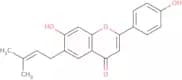
CAS:<p>Licoflavone A is a natural sweetener with inhibitory activity against bacteria, fungi and viruses. It has been shown to have an activity index of 0.7-0.8. Licoflavone A inhibits the growth of many bacteria such as Staphylococcus aureus, Escherichia coli, Streptococcus pneumoniae, Klebsiella pneumoniae, Salmonella enterica and Pseudomonas aeruginosa by binding to the enzyme PTP1B. The compound also inhibits phosphatase activity in echinatin and glycyrrhiza species and has been found to be active against influenza virus in vitro. Licoflavone A displays antioxidant properties by inhibiting lipid peroxidation in cells treated with hydrogen peroxide or other reactive oxygen species (ROS).</p>Formula:C20H18O4Purity:Min. 95%Molecular weight:322.4 g/molMBD1 antibody
<p>MBD1 antibody was raised using the middle region of MBD1 corresponding to a region with amino acids CKVWETEDTVEPTSTSWNPRGWPGTHVSLSPPPASMMWVSCRRSWCPSSQ</p>ROCK2 antibody
<p>The ROCK2 antibody is a protein that has neutralizing properties against collagen. It belongs to the class of polyclonal antibodies and is used in Life Sciences research. This antibody specifically targets ROCK2, which stands for Rho-associated coiled-coil containing protein kinase 2. ROCK2 is involved in various cellular processes, including cell proliferation, migration, and contraction. The ROCK2 antibody can be used for various applications such as immunohistochemistry, Western blotting, and enzyme-linked immunosorbent assays (ELISAs). It is available in both monoclonal and polyclonal forms. The antibody can be immobilized on chromatographic resins or used for protein-protein interaction studies. Additionally, it can be used to study the role of ROCK2 in hepatocyte growth factor signaling pathways or to investigate its binding partners such as angptl3 or growth factor binding proteins.</p>COMT Blocking Peptide
<p>A synthetic peptide for use as a blocking control in assays to test for specificity of COMT antibody, catalog no. 70R-7143</p>Purity:Min. 95%PAPOLB antibody
<p>PAPOLB antibody was raised using the middle region of PAPOLB corresponding to a region with amino acids MEEFRTMWVIGLGLKKPDNSEILSIDLTYDIQSFTDTVYRQAVNSKMFEM</p>USP38 antibody
<p>USP38 antibody was raised in rabbit using the middle region of USP38 as the immunogen</p>Purity:Min. 95%HA Tag antibody
<p>The HA Tag antibody is a highly specific monoclonal antibody that is widely used in Life Sciences research. It is designed to specifically bind to the HA (hemagglutinin) epitope, which is commonly fused to target molecules for various applications. The HA Tag antibody is commonly used in immunoassays and antigen binding experiments to detect and quantify the expression of target proteins.</p>TRPV4 antibody
<p>The TRPV4 antibody is a highly specialized monoclonal antibody that targets the transient receptor potential vanilloid 4 (TRPV4) channel. This channel plays a crucial role in various physiological processes, including natriuretic regulation, fibrinogen production, and cellular response to mechanical stress. The TRPV4 antibody has been extensively tested in human serum and has shown excellent specificity and sensitivity in detecting TRPV4 expression.</p>LRRC2 antibody
<p>LRRC2 antibody was raised using the N terminal of LRRC2 corresponding to a region with amino acids GHKVVVFDISVIRALWETRVKKHKAWQKKEVERLEKSALEKIKEEWNFVA</p>PSMC6 antibody
<p>PSMC6 antibody was raised in rabbit using the C terminal of PSMC6 as the immunogen</p>Purity:Min. 95%EDNRA antibody
<p>The EDNRA antibody is a polyclonal antibody that has been extensively studied and widely used in various applications. It is commonly used in CDNA microarray experiments to analyze gene expression profiles and identify potential biomarkers. The EDNRA antibody specifically targets the endothelin receptor type A (EDNRA), which plays a crucial role in cellular immunotherapy and the development of targeted therapies for various diseases.</p>RPS16 antibody
<p>The 6-Fluoro-3-indoxyl-beta-D-galactopyranoside is a powerful antituberculosis drug that falls under the class of rifamycins. It is known to effectively treat tuberculosis infections due to its bactericidal activity. This active compound works by inhibiting bacterial growth through binding to DNA-dependent RNA polymerase, preventing transcription and replication. Its high frequency of human activity has been demonstrated using a patch-clamp technique on human erythrocytes. The drug undergoes various metabolic transformations, including hydrolysis by esterases or glucuronidases, oxidation by cytochrome P450 enzymes, reduction by glutathione reductase, or conjugation with glucuronic acid. Additionally, it specifically binds to markers expressed at high levels in Mycobacterium tuberculosis strains and inhibits cell growth in culture.</p>FGF10 antibody
<p>FGF10 antibody was raised in goat using highly pure recombinant human FGF-10 as the immunogen.</p>Purity:Min. 95%WNT16 antibody
<p>The WNT16 antibody is a highly reactive polyclonal and monoclonal antibody that specifically binds to antigen binding molecules. It has been extensively studied in the field of Life Sciences for its role in various biological processes. The WNT16 antibody has shown to inhibit the activity of phosphatase, interleukin-6, and cysteine-rich proteins, which are involved in important cellular signaling pathways. Additionally, it has been found to exhibit cytotoxic effects on human serum and can block the transmembrane conductance of certain chemokines. With its high specificity and potent inhibitory properties, the WNT16 antibody is a valuable tool for researchers studying activated signaling pathways and exploring potential therapeutic targets.</p>p35 antibody
<p>The p35 antibody is a monoclonal antibody that is widely used in the field of Life Sciences. It specifically targets actin filaments and has been extensively studied for its role in various cellular processes. This antibody has shown high specificity and affinity towards actin, making it an essential tool for researchers studying actin dynamics and cytoskeletal organization.</p>